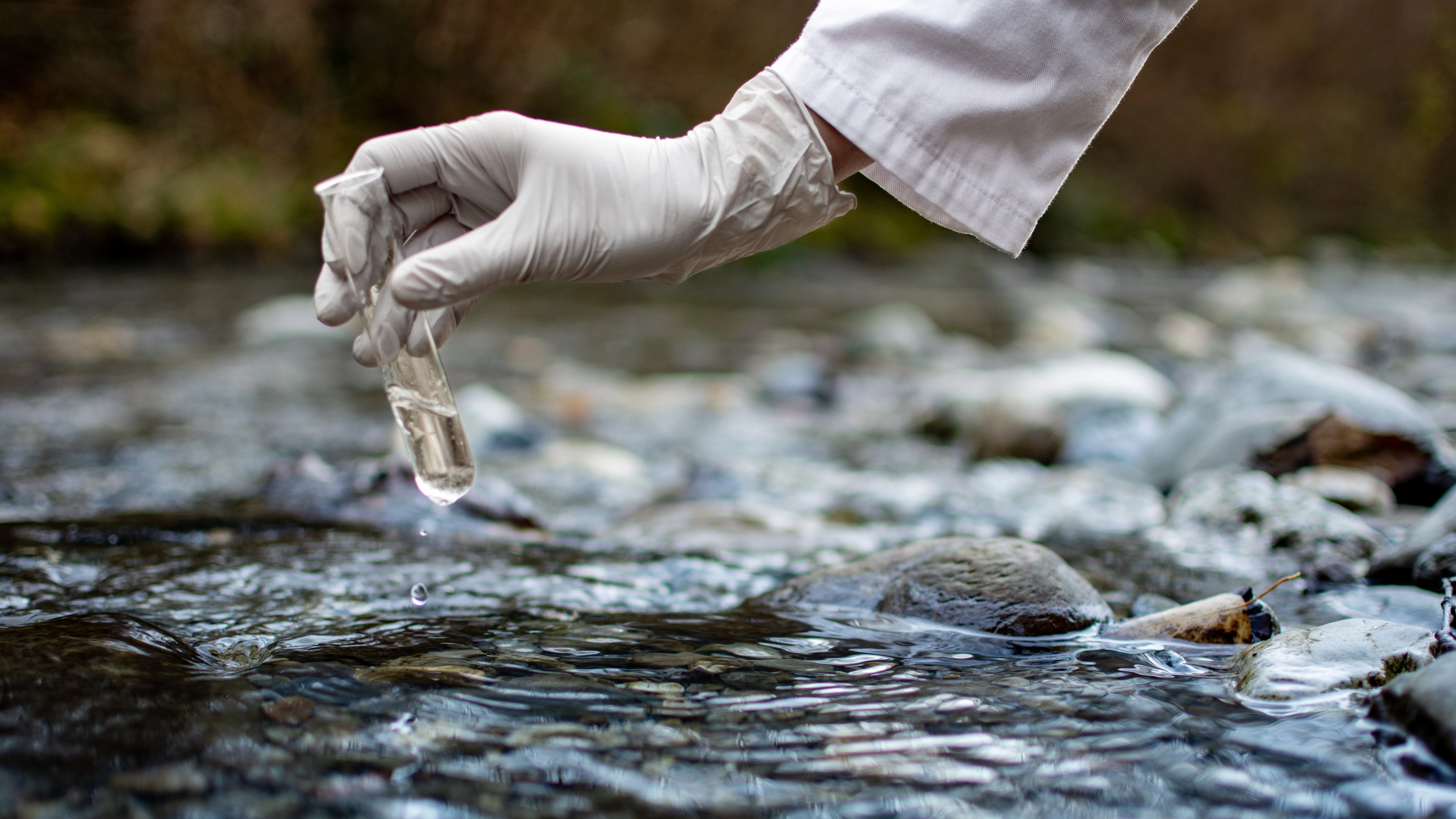
Geologist reveals surprising truth behind world's oldest water taste test

A geologist has set the record straight on whether she conducted a ‘taste test’ on the world’s oldest water, warning explorers why they probably shouldn’t sup from the spring.
Hidden in the depths of an Ontario mine in the Canadian Shield, the geologic core of the North American continent - and a three-billion-year-old layer cake - is an ancient waterway.
Experts reckon that the water has been preserved for billions of years between layers of volcanic and sedimentary rock.
In 2013, researchers from the University of Toronto, Manchester University, and McMaster University set out to discover its age, publishing their results in the popular Nature journal.
Advert
The paper, titled ‘Deep fracture fluids isolated in the crust since the Precambrian era’, saw the experts suggesting that the fluid had been sealed away for around 2.64 billion years, forming under ancient atmospheric conditions, IFL Science wrote.
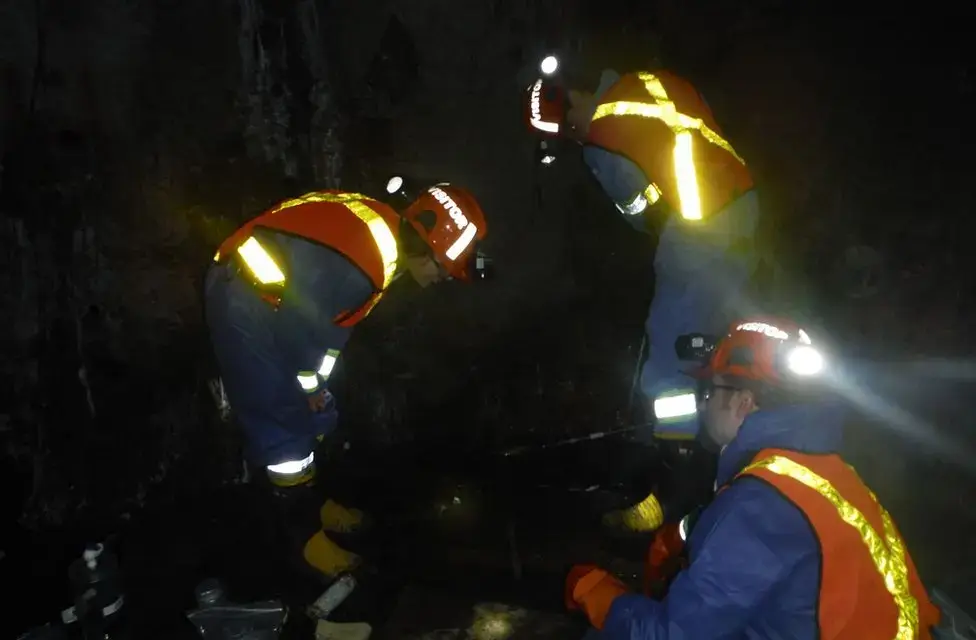
To pinpoint exactly when the water had been preserved, the scientists analysed isotope ratios and used noble gases.
They used these to compare the water’s gas ‘fingerprint’ to how the evolution of the Earth’s atmosphere.
Barbara Sherwood Lollar, professor in the Department of Earth Sciences at the University of Toronto, told the publication at the time that this method allowed for the experts to ‘quantitatively determine whether waters have any modern component.’
“And none of these do, so they are indeed isolated from the modern water cycle,” she said.
Sherwood Lollar confirmed to the publication that the water was the ‘oldest’ source ever discovered.
She also used the opportunity to dispel the myth that she’d actually tried the sap.
The Canadian geologist and academic said that the legend had come about because she was asked ‘Can people drink the water’, to which she apparently replied: “No, it would taste terrible”.
“Alas, 'and she drank the water’ is a media invention. I did not and wouldn’t,” she said of the so-called ‘world’s oldest water taste test’.
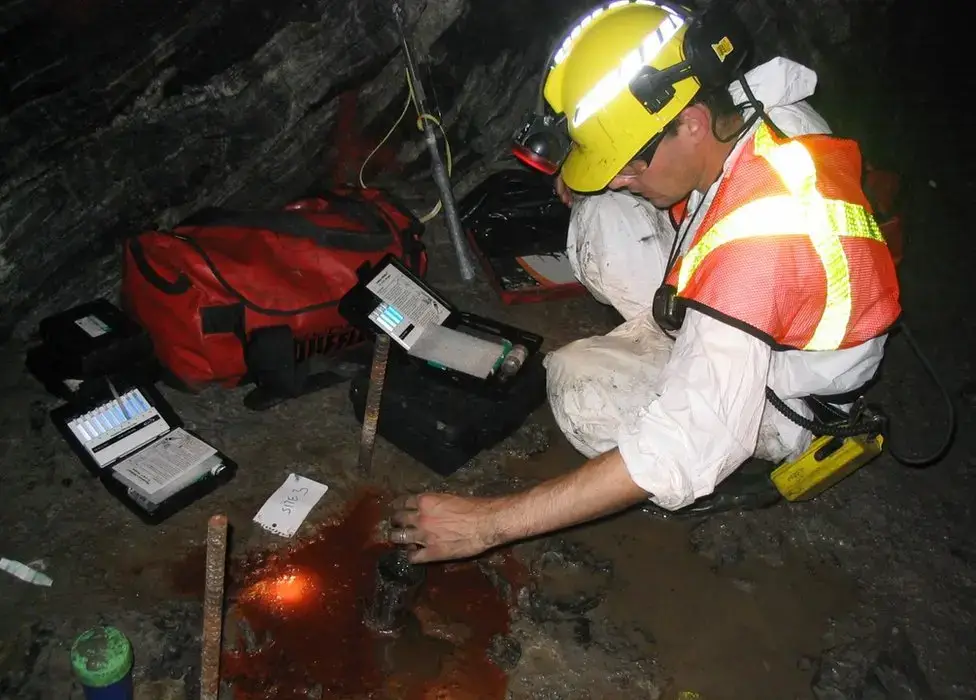
“But if you have seen the videos, you have seen there are flowing, bubbling waters, very actively in some places. Some drops inevitably land on you, and from that one can tell how bitter they are.”
She added: “It can be many times more saline than seawater – definitely not drinkable.”
So, if you ever find yourself parched in the Ontario mine’s vicinity, then you may want to sup from your own water bottle before you taste the ancient water.
According to the UK government’s Eatwell Guide, you should aim to drink six to eight cups or glasses of fluid a day.
Plain water, unsweetened tea and coffee, milk, soups, and even fruit juice can count towards this amount.
And, let’s be frank - those sound much better than tasting some musty water, right?
The Association of UK Dietitians (BDA) recommends keeping a bottle or jug of water on your desk or meal table, and to drink fluids if you’re unwell, especially if you’re experiencing vomiting, diarrhoea, or fever.
“Foods high in water such as fruit and vegetables also contribute to hydration and are great choices for a healthy diet too,” the association added.
We cannot lie, munching on an apple sounds like a great idea when an ancient water trickle is the alternative.
 Ella Scott