
Experts reveal the one food genetically linked to low blood pressure

Having a genetic penchant for one particular food may help reduce high blood pressure and mitigate troublesome symptoms, recent research suggested.
In June, a team of experts led by Dr Liang-Dar Hwang of the University of Queensland's Institute for Molecular Bioscience published a new study in BMC Medicine titled: ‘A biologically informed framework for instrument selection in dietary Mendelian randomization using chemosensory genetics’.
The paper detailed how experts tested 160,000 UK Biobank participants who were aged 37 to 73 years on 140 food-liking traits.
After collating the results, they assessed the answers against those given by a separate group of 25-year-olds from the Avon Longitudinal Study of Parents and Children.
Advert
After extensive testing, experts identified ‘268 variants within 101 olfactory and 16 taste receptor genes associated with 96 food-liking traits’, as per the study.

One of the tastes that was probed was onions. Following the results, the team at the University of Queensland suggested there could be a link between those who love the vegetable and low blood pressure.
"Determining if a specific food causes or is linked to a disease is a significant challenge in nutrition epidemiology," Dr Liang-Dar Hwang of UQ's Institute for Molecular Bioscience said in a statement.
"We have built a framework guided by taste and smell genes to help scientists.”
Dr Hwang continued, explaining how taste and smell are major biological drivers that influence what we eat and that by understanding how genes shape food choices,
Understanding how those genes shape our food choices could help researchers ‘cut through the complexity of distinguishing causation from correlation,’ he said.
While other foods had strong genetic associations, the scientists stated that onions were the only food where its results held up across every check.
This included replicating the finding in a younger age group and aligning with how much onion people actually ate, as per Food & Wine.
Despite researchers suggesting that a ‘genetic predisposition to liking onions’ was associated with lower blood pressure and a reduced risk of type 2 diabetes, they warned not to go out and fill your grocery basket with the item.
They claimed they would need to replicate findings in a larger, more diverse group before drawing any final conclusions.
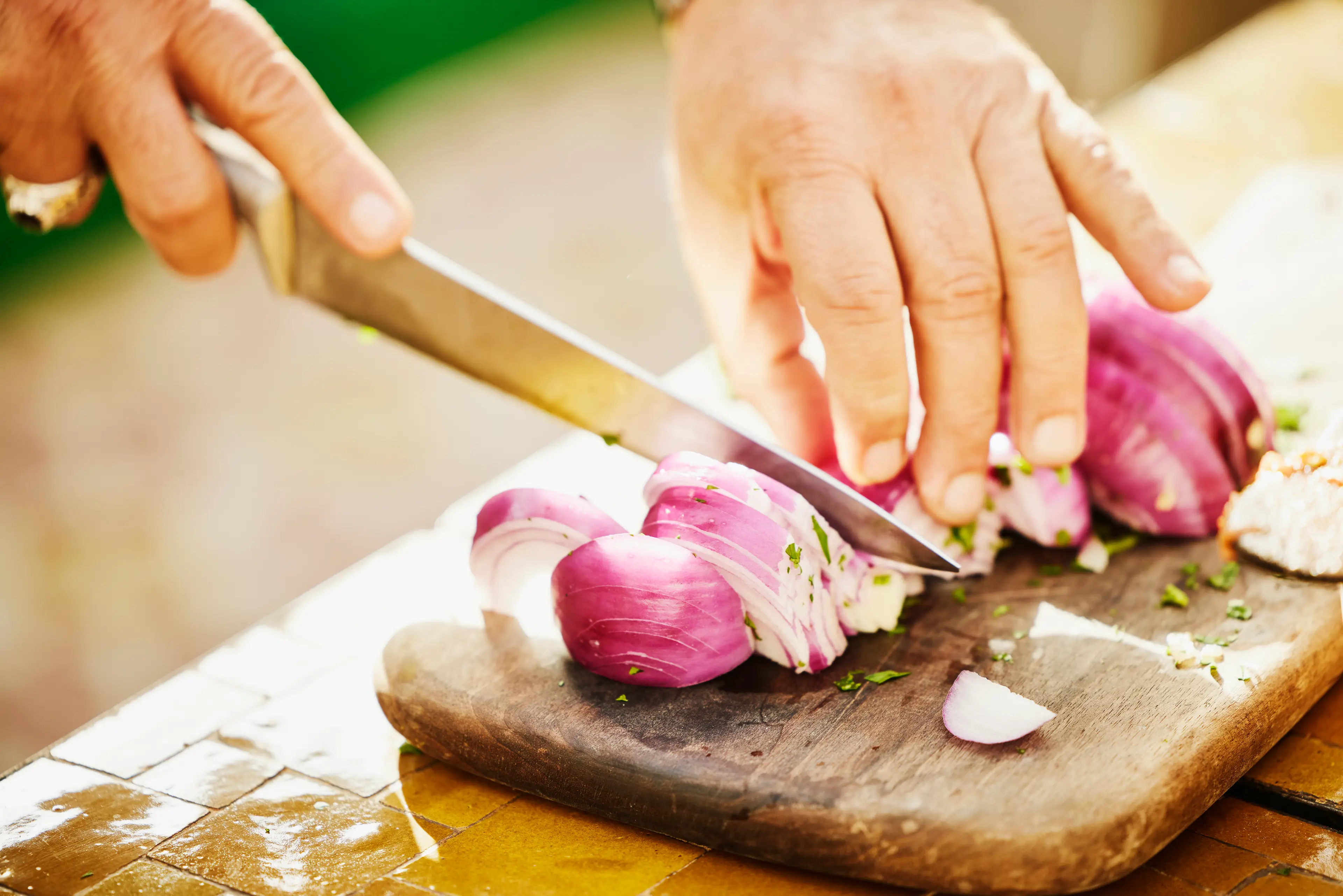
Still, if you’re worried about high blood pressure, then incorporating onions into your diet could be a good start.
"Our research shows taste and smell genes are promising tools for studying links between diet and disease and can help strengthen evidence about cause and effect in nutrition research,” Hwang concluded.
"This is important as we need better ways to understand how diet influences diseases such as diabetes, heart disease, and cancer.”
Tips for managing high blood pressure
Those who have high blood pressure are unlikely to experience symptoms unless
a hypertensive crisis takes place.
This occurs when your blood pressure spikes suddenly and is usually accompanied by: shortness of breath, severe headaches, sudden vision changes, and numbness.
The NHS advises anyone who has been told by their doctor that they have high blood pressure to eat a healthy, balanced diet and consume sweet treats and saturated fats in moderation.
Regular exercise is a must, as is avoiding salty, fatty foods.
Alcohol and caffeine should also be consumed sparingly.
 Ella Scott