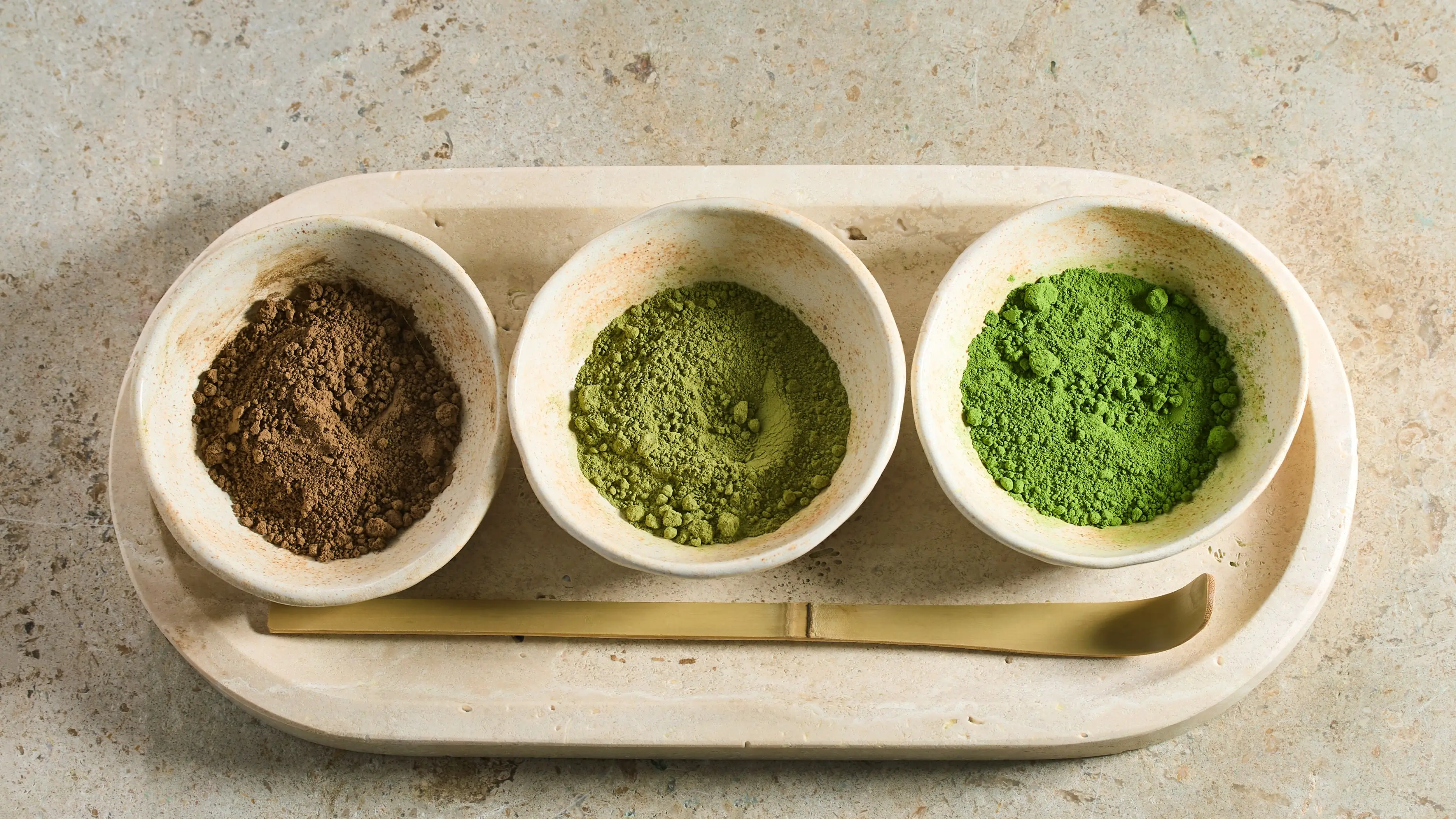
The matcha alternative with serious health benefits growing ‘significantly’ in popularity in the UK

If you’re looking to cut down on your caffeine content but simply cannot go a single day without sipping on your habitual iced matcha latte, then there’s another green tea which may serve as the ultimate alternative.
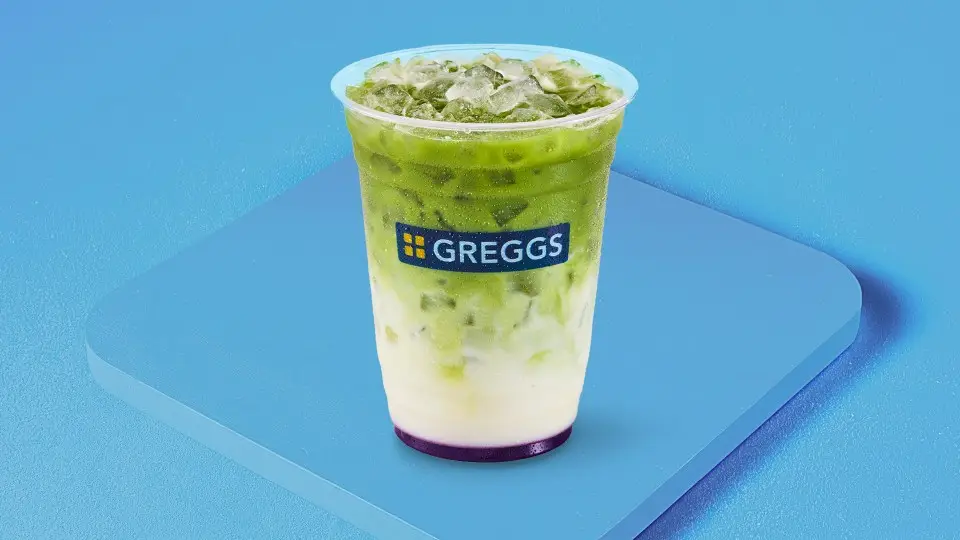
It’s seemingly impossible to escape matcha drinks right now, with Greggs bringing out its own version of the Gen Z favourite, McDonald’s launching a wicked iced vanilla variant, and dedicated stores like Jenki and Matcha Mochi still capitalising on the hype.
According to a Financial Times report, British matcha revenue in 2025 was in the ballpark of £46 million - more than double the previous year's total, and sales are only expected to continue growing into the 2030s and beyond.
And while some would argue that we’re currently experiencing somewhat of a matcha oversaturation, with Café Nero and Costa also recently piling in on the hype, day one drinkers are still going strong, with some UK residents apparently spending up to £120 a week on the beverages, as per research.
Advert
Those who have grown somewhat tired of the drink or want a hit with a little less caffeine have apparently been turning to another Japanese alternative.
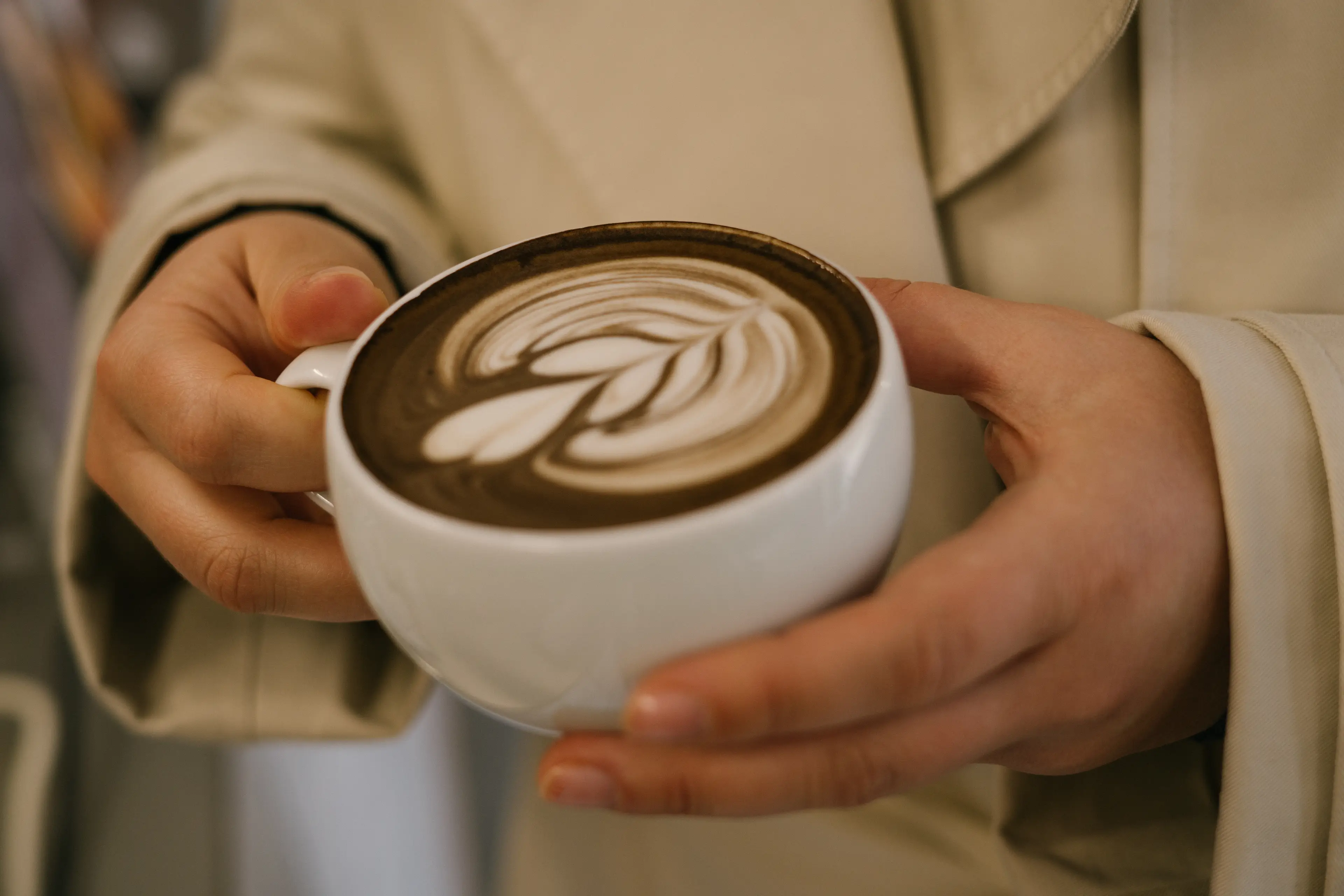
Rather than the umami, earthy taste of matcha, this substitute treat, known as hojicha, is richer with a distinctive aroma and nutty flavour, says Shuko Oda, who sells the drink at his Koya restaurant in London.
"Traditionally, we don't put milk or any sugar or sweetenings in. It's meant to be a brown, clear tea that is very much an every and any time of the day type of hot drink,” the culinary expert explained.
In the past, hojicha has been considered an underrated delicacy, but stockas are on the rise, with Jenki telling the BBC that iced hojicha latte sales were 55 percent higher across its six London cafes between January and April than during the same time period the previous year.
“Hojicha feels like where matcha was two or three years ago, Rashique Siddique, director of How Matcha said, explaining that hojicha latte sales had ‘grown significantly’ over the last year.
“It's moving from niche to mainstream quite quickly.”
Hojicha health benefits
Speaking to British Vogue, Rhian Stephenson, founder of supplement brand Artah, said that as hojicha is roasted Japanese green tea, it is ‘calming, low in caffeine and gentle on the gut’.
It also includes L-theanine, which can help to ease the nervous system and reduce anxiety, and, as it's lower in caffeine than matcha (7.7 milligrams of caffeine in a standard 250ml cup), it’s a ‘more calming way to support energy’, the health expert reasoned.
However, unlike matcha, it isn’t as rich in antioxidants, but it does still contain catechins and polyphenols.
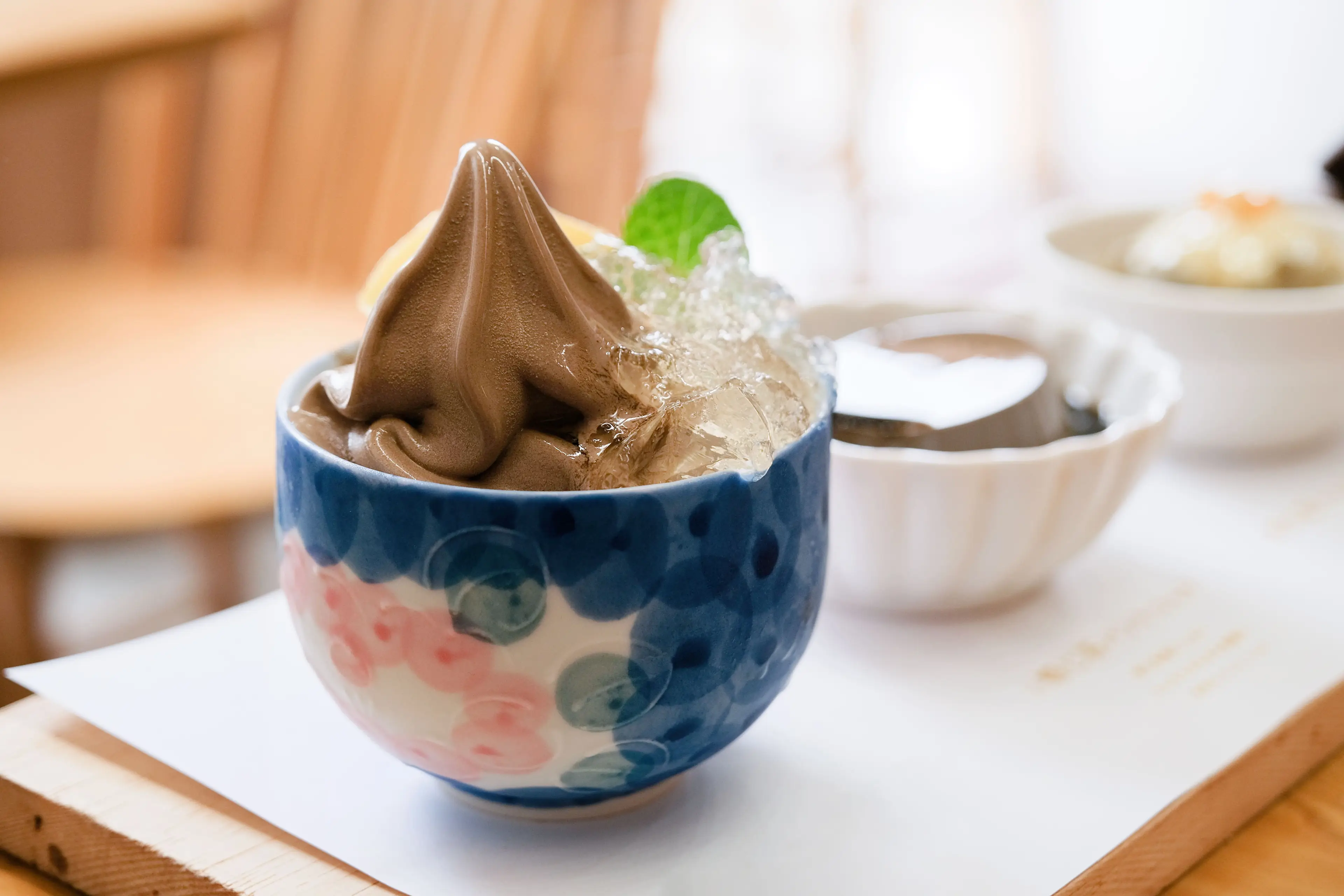
“These have been observed to lower LDL cholesterol levels – often referred to as ‘bad’ cholesterol – and improve the function of blood vessels,” said nutritional therapist Farzanah Nasser.
It’s also rich in pyrazine, a component that lends a distinctive aroma, reported a study published in the Nature Researchjournal.
“It is expected to improve blood circulation, reduce sensitivity to cold, relieve fatigue, and relax the body,” the study added.
Hojicha also contains zero calories, making it a go-to for those on weight management journeys.
Who shouldn’t drink hojicha
While it is safe for most people to enjoy a cup of the good stuff, especially during the UK heatwave, those with an iron deficiency or who follow a strict vegan diet should avoid the beverage.
This is because it contains particular tannins, which can reduce the body's absorption of plant-based iron, as per the Daily Mail.
Those who take blood thinners or certain heart or stimulant medications should also contact their health provider before they start consuming hojicha as it may affect how well the drugs are absorbed.
 Ella Scott