
McDonald's is launching a new matcha frappe

McDonald’s is adding a Gen Z favourite, the Vanilla Matcha Frappé, to its extensive summer drinks line-up in the coming days. Here’s everything you need to know.
It’s fair to say that the last few months have been stacked with new releases at McDonald’s, what with the fast-food titan announcing two versions of the McCrispy; a Franks RedHot Ketchup breakfast menu, and the return of an ‘insane’ McFlurry flavour.
Alongside introducing fans to unique food items, the chain revealed actor Stephen Graham had become the voice of the brand, replacing Layer Cake and Band of Brothers star Dexter Fletcher after decades at the helm.
Anyone feeling a little thirsty can also pop into their local store to pick up two Sprite collabs, spiked either with raspberry or pineapple.
Advert
Additionally, there’s a frozen cherry lemonade and from 2 June, fans can grab McDonald’s brand new Vanilla Matcha Frappé.

The boujee beverage mixes matcha green tea flavouring with sweet vanilla.
Topped with cream and blended with ice, the Vanilla Matcha Frappé is set to be priced at £3.69.
“Whether you’re already matcha-obsessed or finally ready to try the drink everyone’s been talking (and posting) about, McDonald's Vanilla Matcha Frappé is here for your iced-drink-in-hand summer strolls, park hangs and picnic plans,” a press release stated.
The business isn’t the only grab-and-go institution to feed the iced matcha hype here in Britain, with beloved bakery brand Greggs launching its version earlier this year.
Costing customers £3 each, the Greggs matcha comes in one of three flavours: plain, vanilla, and fruity strawberry.
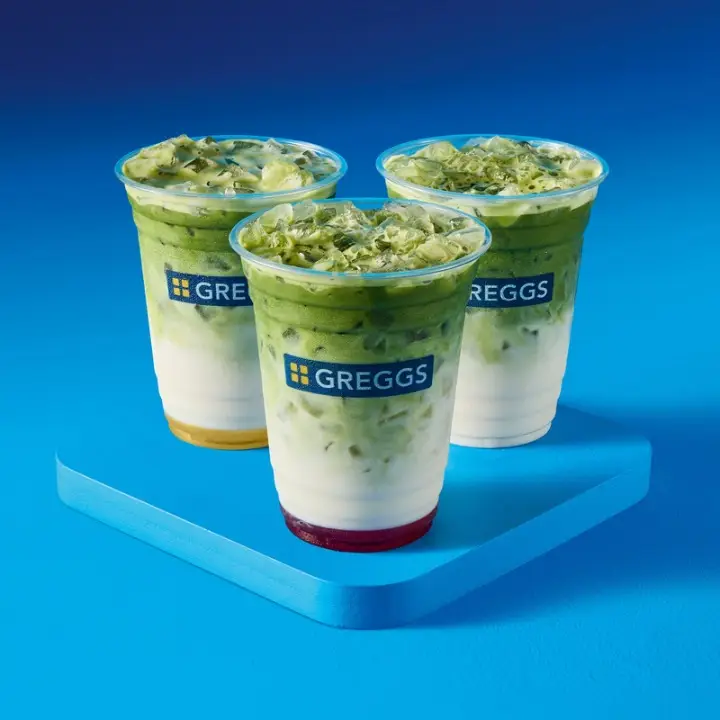
The trio are made with a combination of green tea powder and semi-skimmed milk.
On the matcha launch, the food-to-go chain said: “We’re on a mission to offer our customers more choice and quality than ever before, without the premium price tag.
”By introducing our trio of iced matcha drinks, we’re making a trending favourite accessible to everyone on the high street. Importantly, the range doesn’t just look the part, but delivers on taste and quality too – we think our customers are going to love it so matcha.”
Last year, nutritionist Farzanah Nasser warned Vogue readers that while matcha is ‘full of polyphenols… plant chemicals that contain anti-inflammatory properties, and help to increase good microbes, such as Bifidobacterium, in the gut’, it is also stacked with tannins.
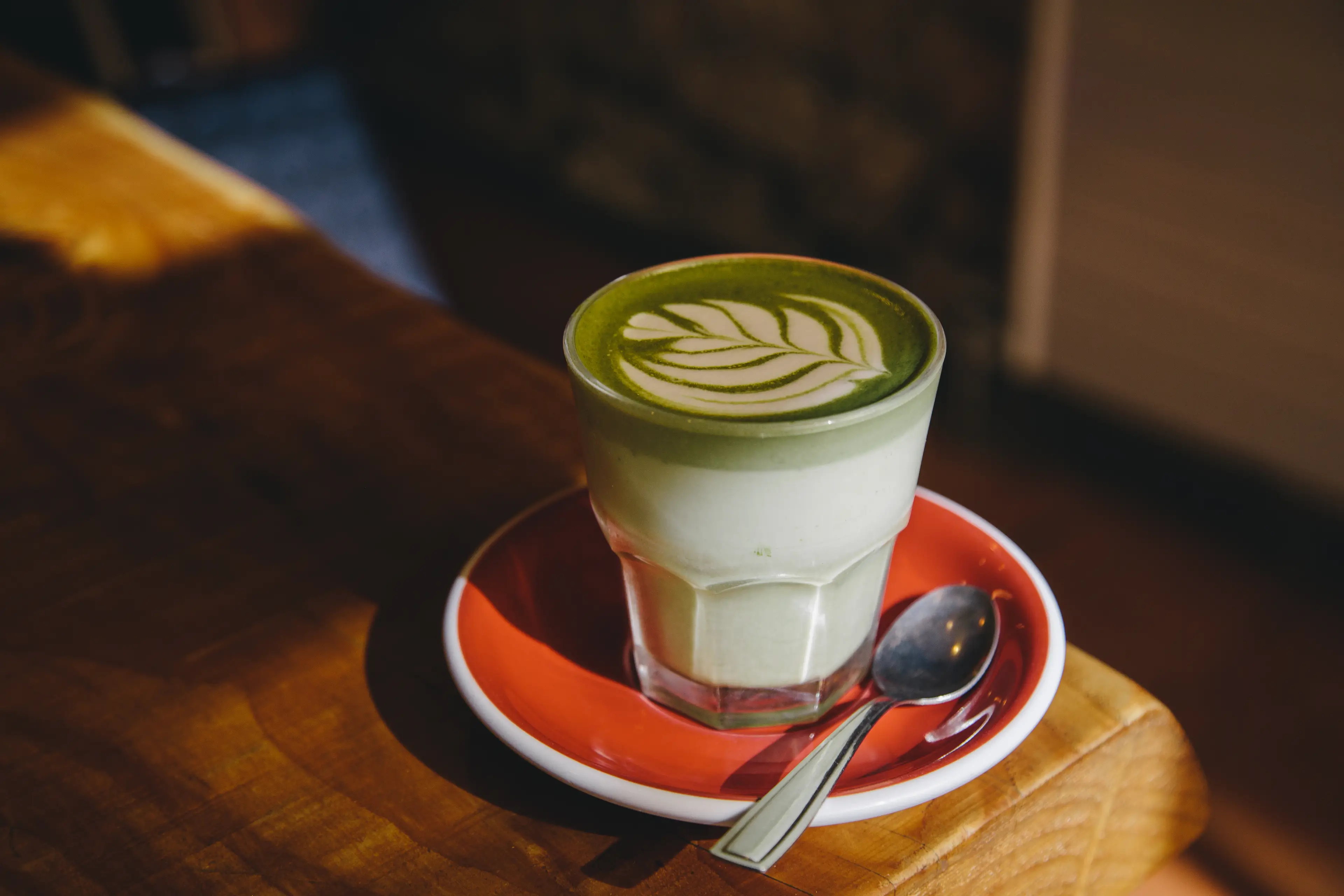
“Matcha contains tannins that bond to non-heme iron, which is the form of iron found in plants, and can in turn block your body’s ability to absorb the mineral,” the expert explained.
“Matcha also contains catechins, which are powerful antioxidants and can interfere with your iron intake.”
If you’re anaemic, have previously been diagnosed with anaemia, or otherwise suffer from anaemia-like symptoms, then it might be a good idea to pare back on the matcha.
However, Nasser stated that this can be countered by eating vitamin C-rich foods, such as red and green bell peppers, guavas, kiwifruit and cruciferous vegetables, such as broccoli and Brussels sprouts.
 Ella Scott