
Investigation launched after UK hospital food found to be contaminated with listeria

Health officials have officially launched a probe into imported chicken supplied to various NHS hospitals after tests proved positive for Listeria monocytogenes.
The foodborne bacterium, causing listeriosis, a rare infection that can make some people seriously ill, is accompanied by mild symptoms including fever, headache and diarrhoea.
However, the illness can be fatal and cause complications, including sepsis or meningitis, if pregnant women, newborns, or immunocompromised people were to consume it.
Despite the contaminated frozen chicken items containing a level of bacteria that has been categorised as low and within the legal limit for sale (100 colony-forming units per gram (CFU/g) officials have still elected to remove them from NHS hospitals.
Advert
The National Health Service (NHS) and the Food Standards Agency (FSA) have informed the UK Health Security Agency (UKHSA) that all eight compromised frozen chicken products, imported from Brazil and distributed by Foodbridge EU and Foodbridge UK, will no longer be on sale.
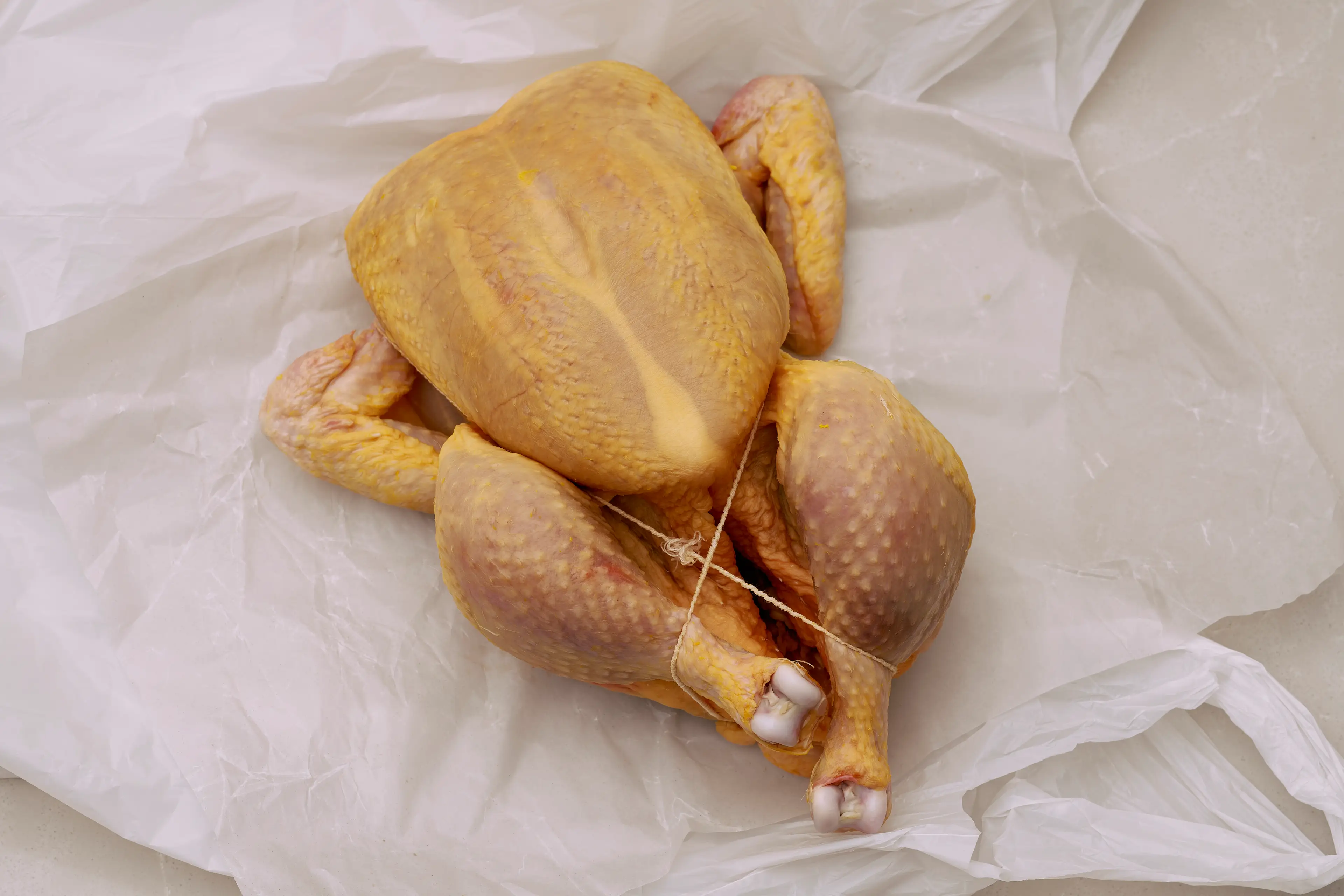
The recalled items include pre-cooked shredded and diced chicken with different flavourings, including tikka, hot and spicy and barbecue, as per The Sun.
The publication reported that the frozen items are labelled as ‘ready-to-eat’ once defrosted and that the contamination was initially detected by Express Foodservice, a wholesaler based in West Sussex.
Despite the recall, there are currently no confirmed cases of listeriosis related to the incident, as per Dr Gauri Godbole, Deputy Director, Gastrointestinal Infections, Food Safety and One Health at UKHSA.
However, Food Safety News reported that one NHS trust has identified a group of patients who may have been exposed to the chicken. The publication said that health officials have arranged for testing to take place.
The UKHSA has also said it was waiting for the Food Safety Authority of Ireland (FSAI) to sequence the bacteria found in the chicken products to determine if they matched reported cases of listeriosis.
In a statement on the withdrawals, Dr Godbole said: “As a precautionary measure, UKHSA is working with FSA and NHS to inform these settings not to use the product and sharing further advice.”
Companies that received affected products have been told they can continue to be used, but chicken pieces must be thoroughly cooked before being served, as per Food Safety News.
This must be to an internal temperature of more than 70 degrees C (158 degrees F) for at least two minutes to destroy any Listeria present.
Ireland recalls ham products amid Listeria contamination
Last week, the FSAI announced that five ham products had been recalled following the possible presence of Listeria monocytogenes.
Retailers have been asked to remove implicated batches from sale and display recall notices at point-of-sale while consumers have been urged not to consume the impacted products.
The products included in the recall all have 16 July use-by dates. These are:
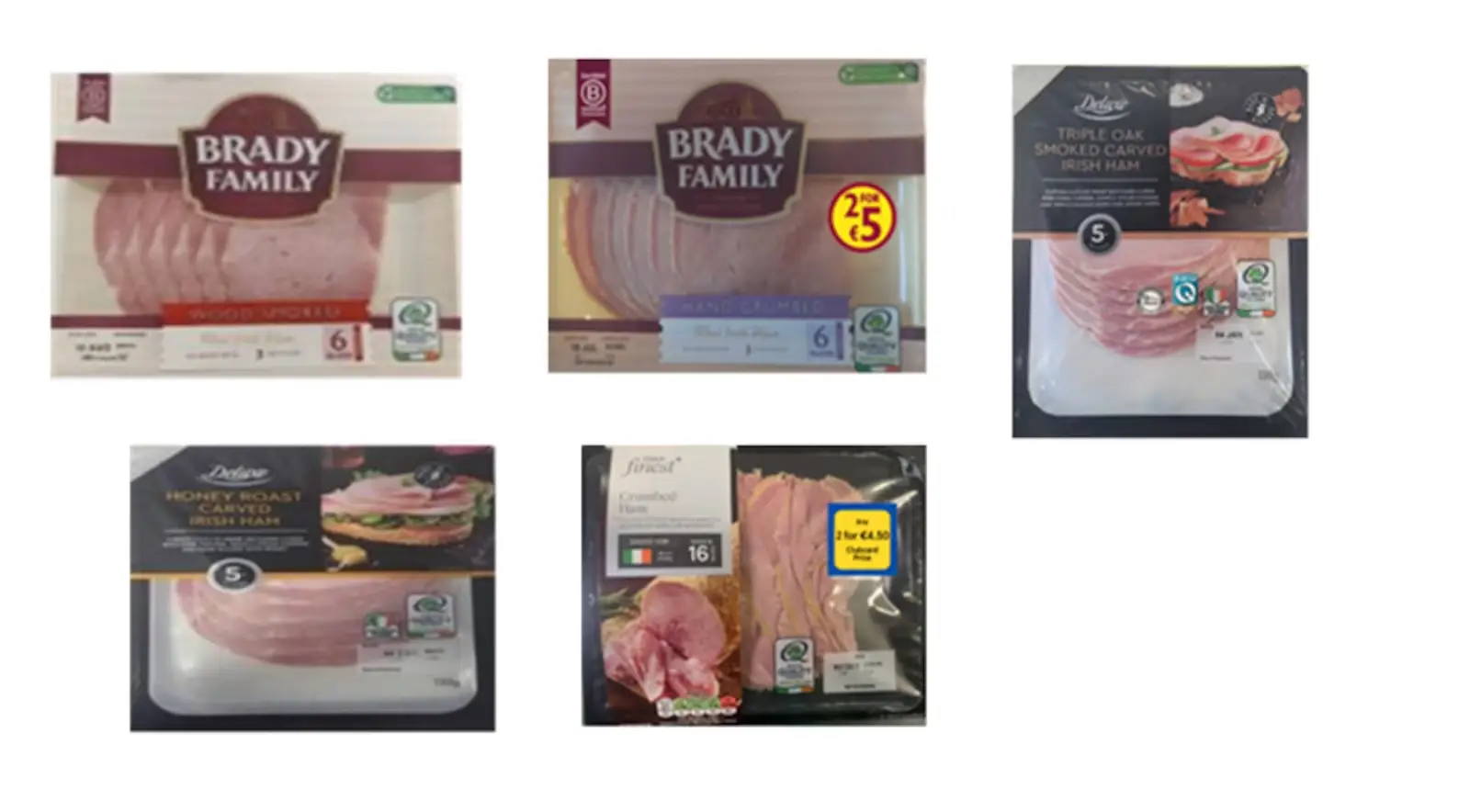
- Brady Family Wood Smokes Real Irish Ham 6 Slices – pack size 80g – batch code 235417
- Brady Family Hand Crumbed Real Irish Ham 6 Slices – pack size 80g – batch code 235880 and 235765
- Lidl’s Deluxe Triple Oak Smoked Carved Irish Ham 5 slices – pack size 130g – batch code 235461
- Deluxe Honey Roast Carved Irish Ham 5 Slices – pack size 130g – batch code 235473
- Tesco Finest Crumbed Shaved Ham 16 slices – pack size 120g – batch code 235412
Regarding the recall, a FSAI spokesperson said: "The batches of cooked ham products are being recalled due to the possible presence of Listeria monocytogenes. Retailers are requested to remove the implicated batches from sale and display recall notices at point-of-sale. Consumers are advised not to eat the implicated batches.”
O’Brien Fine Foods, which produces all five recalled products, said in a statement to The Irish Times: “As part of our routine food safety monitoring programme, listeria monocytogenes was detected in a single batch of one product.
“The affected batch was identified at source, quarantined, and did not enter the market. Listeria monocytogenes has not been detected in any other batches of this product.”
 Ella Scott