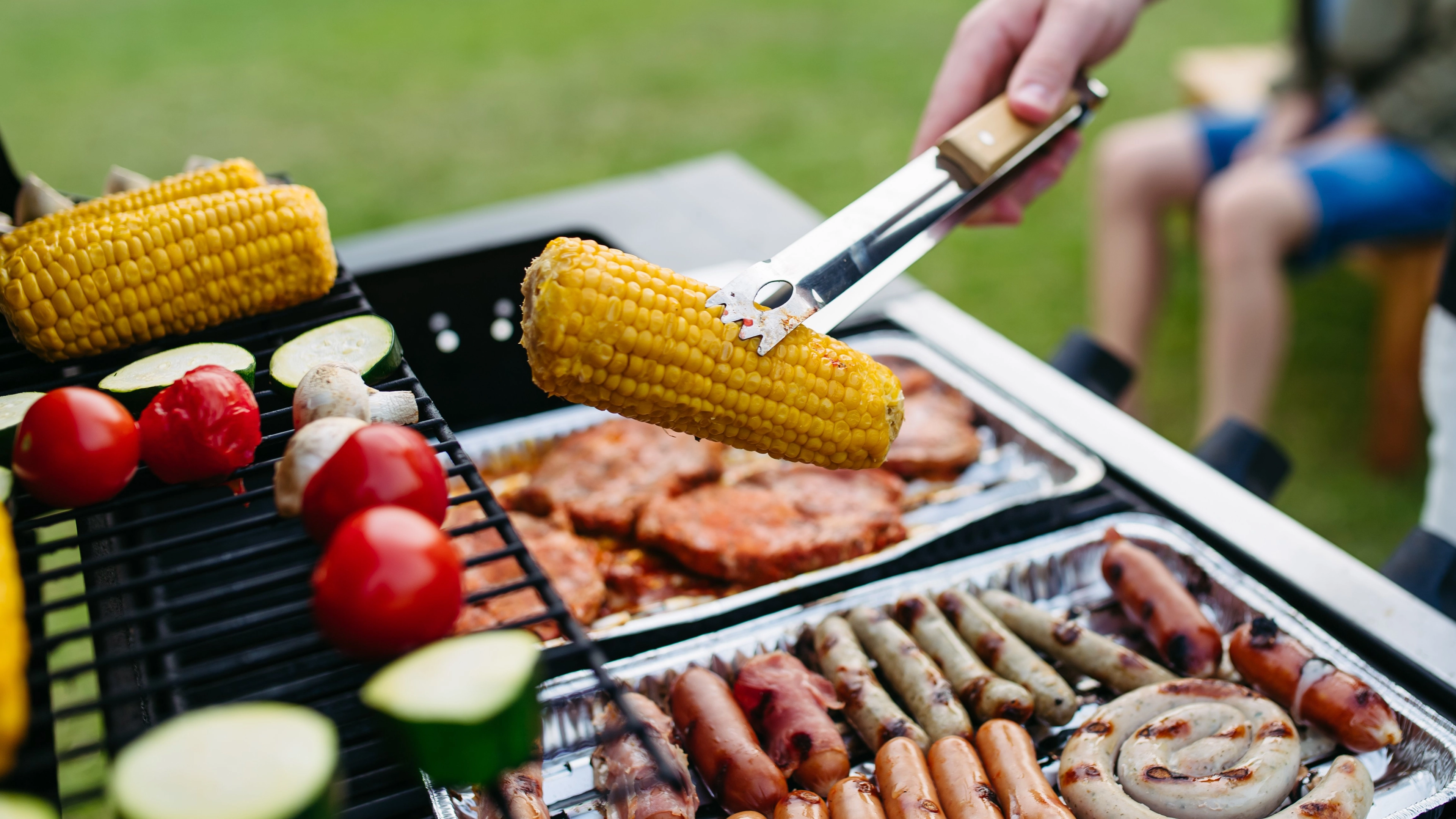
Little-known BBQ rule you should always follow to avoid getting seriously ill

As hot weather warnings continue to plague Britain and the U.S., we've heard advice on everything from how to keep hydrated during extreme heat to refrigerating medication to the disposable BBQ rules should be studied before heading to your local beach. (Unless you want to risk a £1,000 fine, of course.)
But anyone who plans to spend the current heatwave cooking on charcoal at home is being advised by health officials not to skip one crucial step to avoid illness.
Food safety: pre and during BBQ
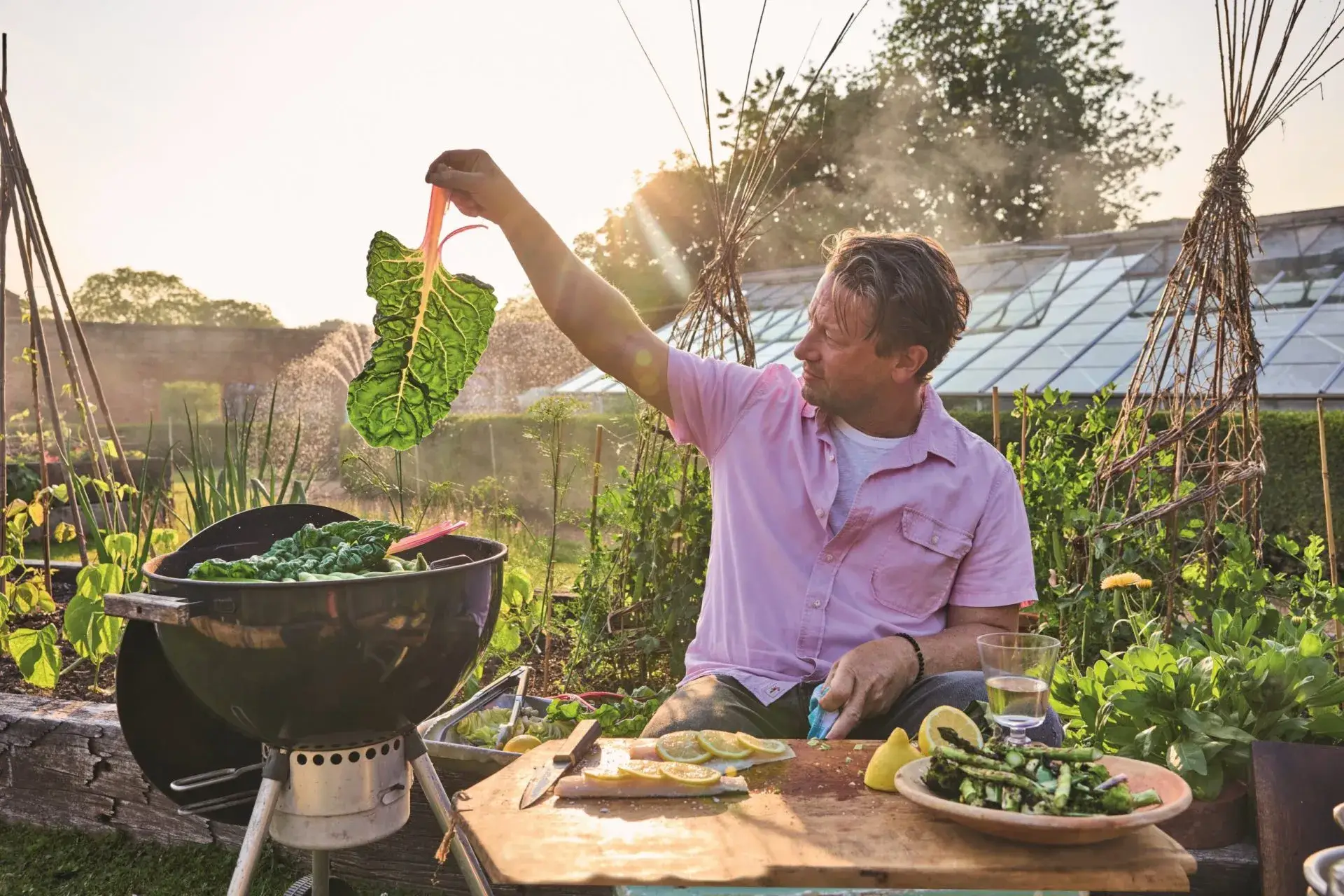
Taking an extra minute or two to practice food safety could really be the difference between a night of good fun and spending time in the trenches of food poisoning.
Advert
To make sure your al fresco meal goes off without a hitch, the UK’s Food Standards Agency (FSA) recommends following a series of steps.
Clean your appliances
The first is to clean down your BBQ and any utensils you plan to use.
Anyone cooking on charcoal should make sure the fuel has reached the optimum heat before placing their fully defrosted and in-date meat on the wire rack.
Cook your food properly
Avoid cross-contamination when using the BBQ by washing your hands after touching raw meat and using different plates and chopping boards for raw and cooked food.
The FSA has also advised budding pitmasters to make sure their skewers, steaks, and pork chops are fully cooked before serving.
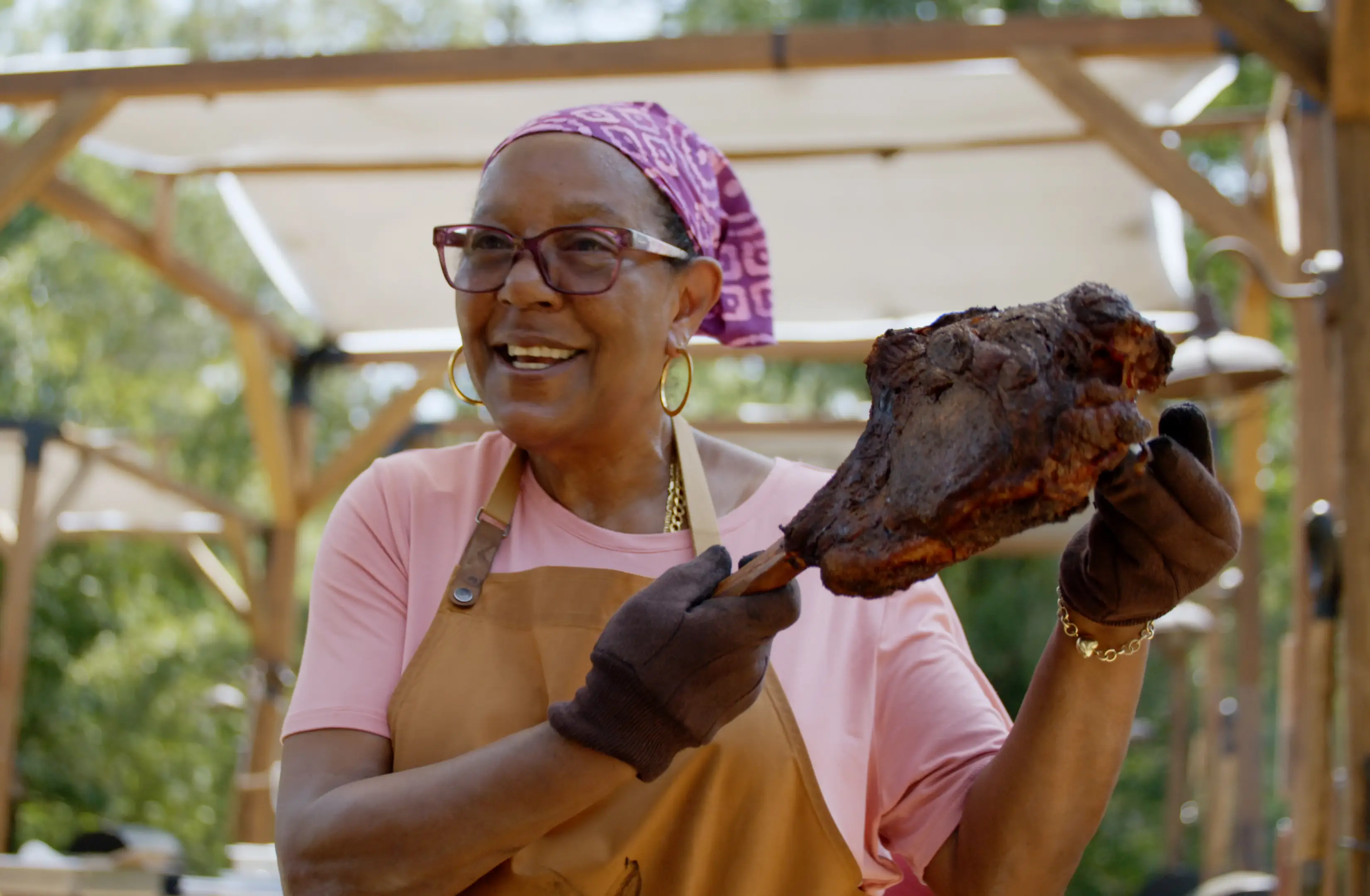
“Chicken and pork, as well as minced meat products such as burgers, kebabs and sausages, should not be served pink or rare as bacteria can be in the meat,” the experts warned.
Before serving, always make sure your grub is steaming hot and that the meat juices run clear. You can also use a meat thermometer to check temperature.
Post-BBQ rule you should always follow
As soon as you all hit the point of no return with the amount of red meat you inhaled, you should move all leftovers into the house.
Not only will this keep your food out of the sun, but it will also stop animals from waffling it down and pesky bugs from descending.
Barbecue leftovers should be consumed within 48 hours. If you don’t think you can demolish in time, feel free to stick in the freezer.
“While we should all try and avoid food waste where possible, don’t risk food poisoning if you’re in any doubt about the safety of your BBQ food,” the FSA warned.
How to cool down in a heatwave
Cooling down in a heatwave is equally as important as cooking safely. We’re all aware of the basics, such as avoiding the sun between 11am and 3pm, staying hydrated, wearing light clothing, taking cold showers and avoiding physical activity.
But have you tried these little-known hacks to beat the heat?
The correct way to sleep with a fan on
A good night's sleep is almost never guaranteed during a heatwave, leaving many of us turning to our trusty fan to get through the night. However, it could be having a hidden impact on your health.
But rest assured as Dr Anis Khalaf has said how you can overcome this.
"The key is to not have any of the wind blowing on you,” he said. “So try facing it away from your body, and the air will still circulate around the room."
Though bear in mind that electric fans only tend to work when the temperature is below 35 degrees.
Drinking milk
Thanks to the sugars, proteins and fats in milk, Dr Natasha Fernando claimed that a glass of the liquid ‘may be more hydrating than water’.
She told Metro: “Milk also contains sodium which allows your body to hold onto water for longer, aiding hydration levels.”
The Egyptian sleep method
Forget the Military sleep method, because this hack claims to keep you cool as well as help you nod off.
Psychiatrist Alex Dimitriu, MD, told VeryWellMind: "The Egyptian sleep method involves sleeping under a damp sheet, which cools off from evaporation.”
Just make sure the sheet is damp and not drenched, and the room is well-ventilated.
Keeping windows shut during the day
While it may sound counterproductive, you’re essentially inviting the hot air inside by leaving them open. And since most houses in the UK are designed to keep the heat in, you could be making the situation a whole lot worse.
Instead, wait until temperatures have dropped (such as in the late evening) to open your windows to allow cooler air to circulate. Keeping your blinds and curtains shut can also help.
 Ella Scott