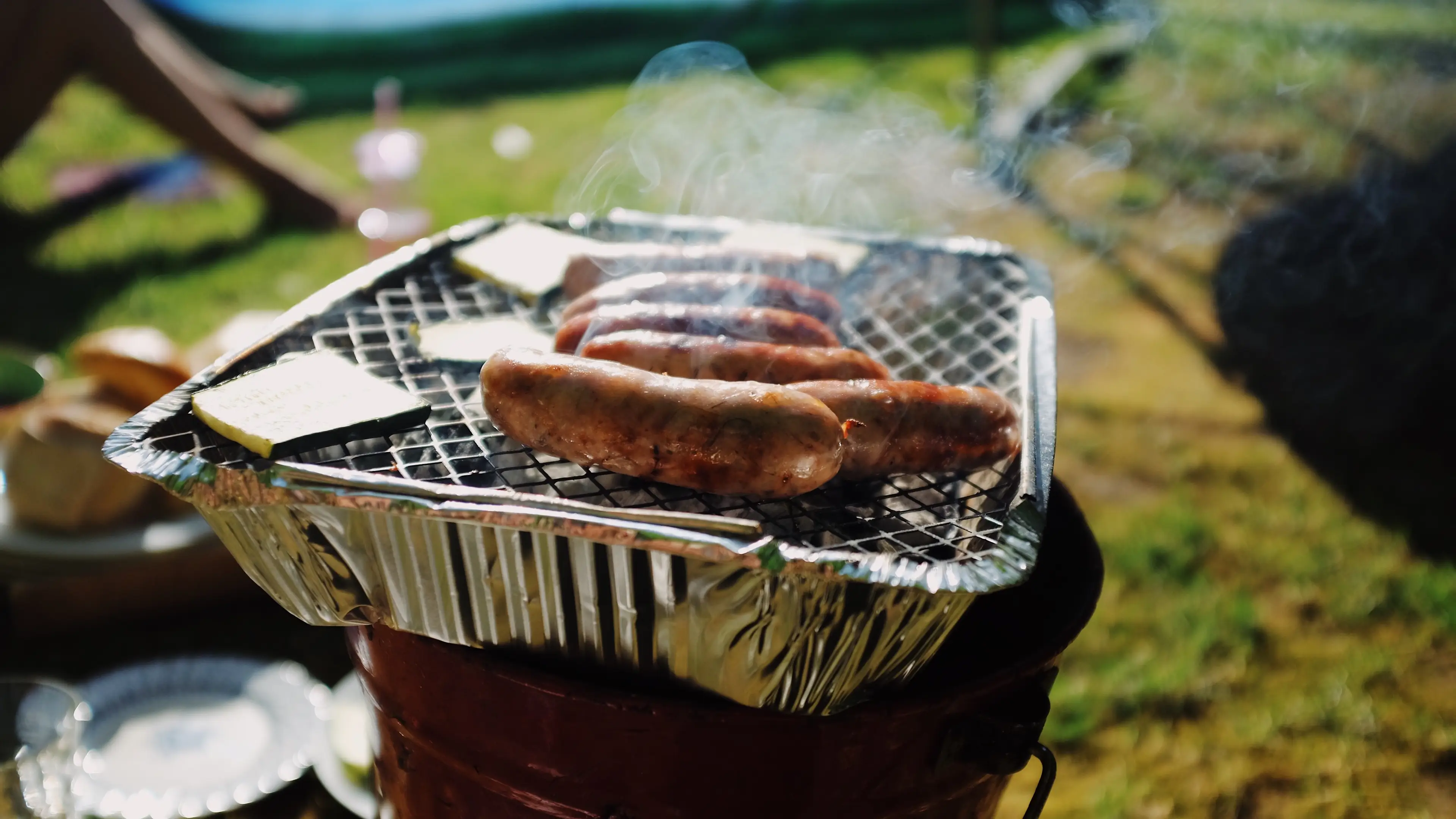
Little-known disposable BBQ ban carries fine of up to £1,000

Barbecue weather is in full swing, but be warned: anyone picking up a disposable for park hangs with friends or family meetups at the beach may risk a four-figure fine.
With scorching weather comes cancelled commitments (like the gym) in favour of alfresco dining, wine bottle-popping with your loved ones, and rustling up a feast in your backyard.
If you’re someone who prefers to relax on the sand and cool down with a sea dip as a post-work treat, then you may be tempted to rustle up a burger or two on a disposable barbecue.
These instant grills, made from lightweight aluminium foil, are filled with charcoal, topped with a wire cooking grid, and are designed for single-use.
Advert
And despite their handiness, many councils and local authorities have banned them as part of Public Spaces Protection Orders.
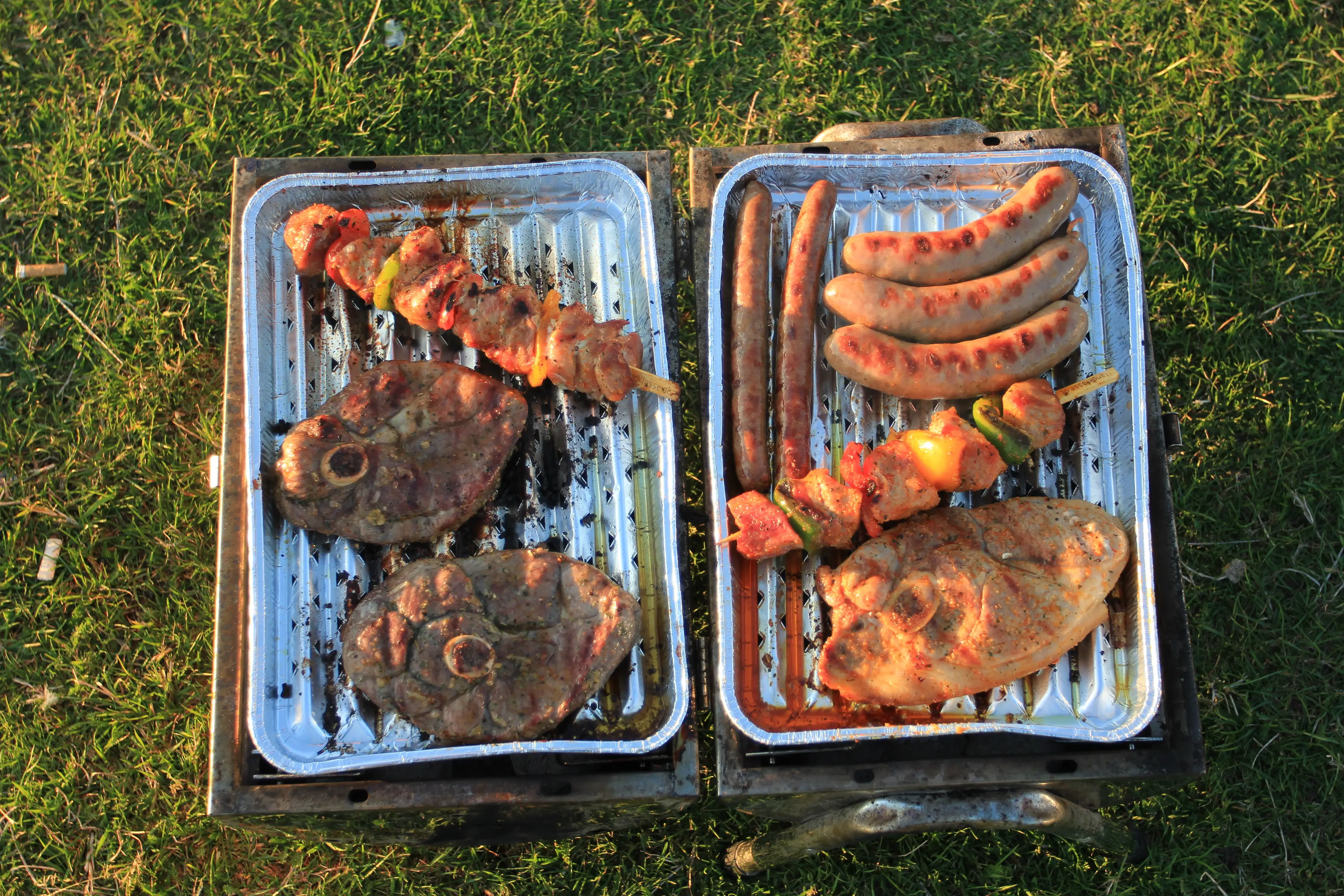
According to Lancashire Fire and Rescue Service (LFRS), the disposable barbecues are a serious safety hazard.
The agency said that while they may look harmless, when they are ‘placed directly on the ground’ they can ‘scorch the surface and start a smouldering fire underground.
“It might seem out when you leave, but the heat can linger below the surface,” the LFRS warned via Facebook last year.
Anyone who uses a BBQ on a beach that has banned them risks a fine between £50 to £100 if caught by police or council enforcement.
The fine can rise up to £1,000 for more serious breaches, according to The Beach Guide.
One area where disposable barbecues are band is the ever-popular Cleethorpes beach, according to North East Lincolnshire Council.
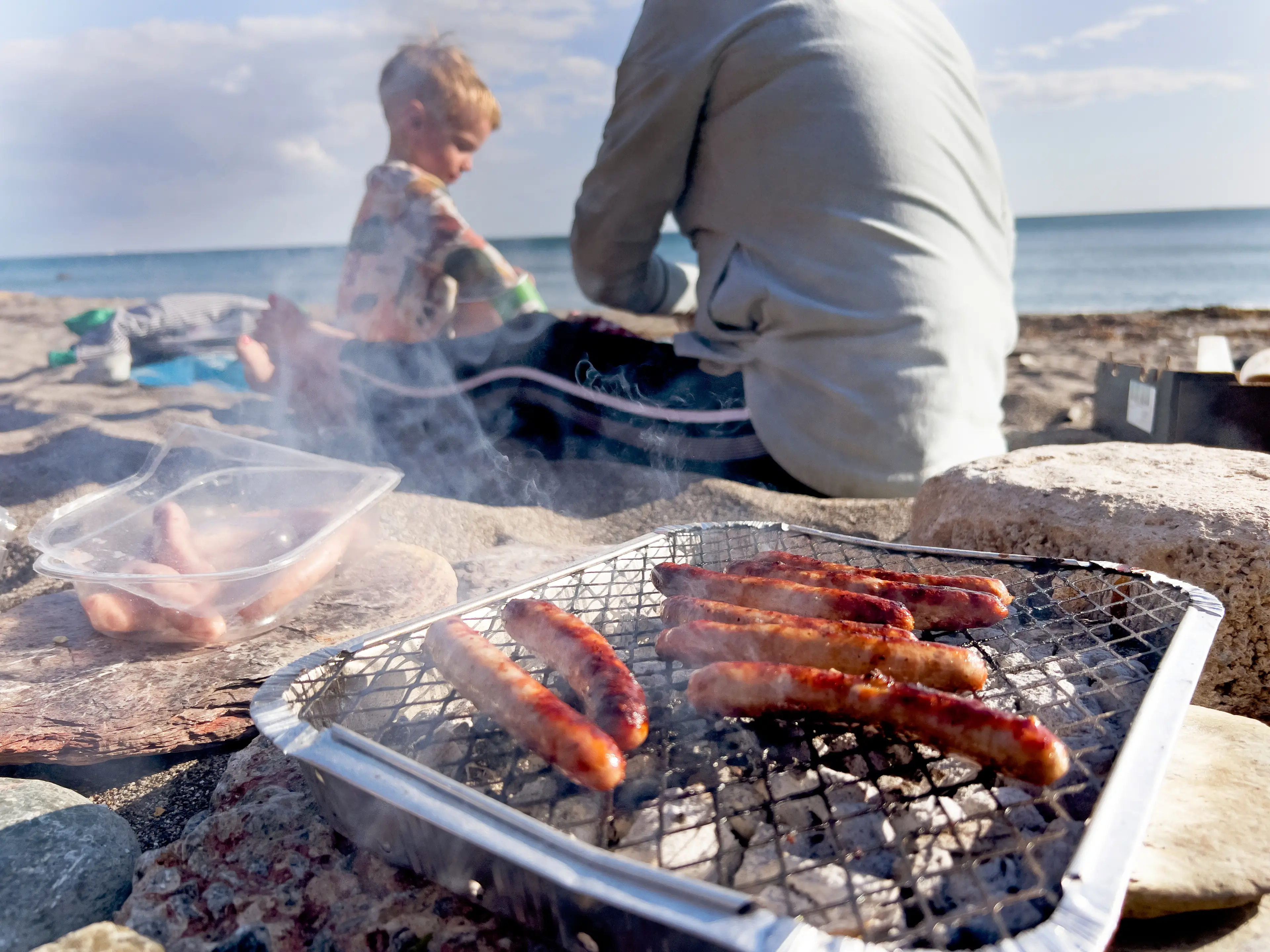
"In the interest of health and safety, BBQs are not permitted in or on any council owned/managed sites, including parks, open spaces and Cleethorpes - this includes the beach as well as the resort itself.”
The spokesperson told the BBC that this was because sand temperatures underneath the barbecue can often exceed 900C.
"Once the barbecue is removed the sand can remain at a high temperature and cause serious injury to you or a member of the public,” they added.
Beaches were barbecues are banned and permitted
Other councils which have banned disposable barbecues include:
- Canterbury Council: All beaches, including Seasalter and Reculver
- Fylde Council: All beaches, including Lytham St Annes
- Southend-on-Sea City Council: All beaches
- Bournemouth City Council: All beaches have specifically banned gas barbecues
- Adur and Worthing Councils: Banned on Kingston, Shoreham, Southwisk and Fishergate beaches
- Dorset Council: Disposable barbecues are banned from all high fire risk areas
Meanwhile, some councils are known to be a little more lenient:
- Thanet Council: BBQs are allowed after 6pm
- Adur and Worthing Councils: BBQs are permitted at Worthing beach
- Bournemouth City Council: BBQs can be used between 6pm and 10.30pm
Tips for disposable barbecue safety
Cambridgeshire Fire and Rescue Service have previously released some tips for cooking with disposable barbecues, including placing the item on an even surface of bricks or paving slabs.
Never place your BBQ onto grass or wooden garden furniture, and keep away from buildings, sheds, and fences as it can be a major fire risk.
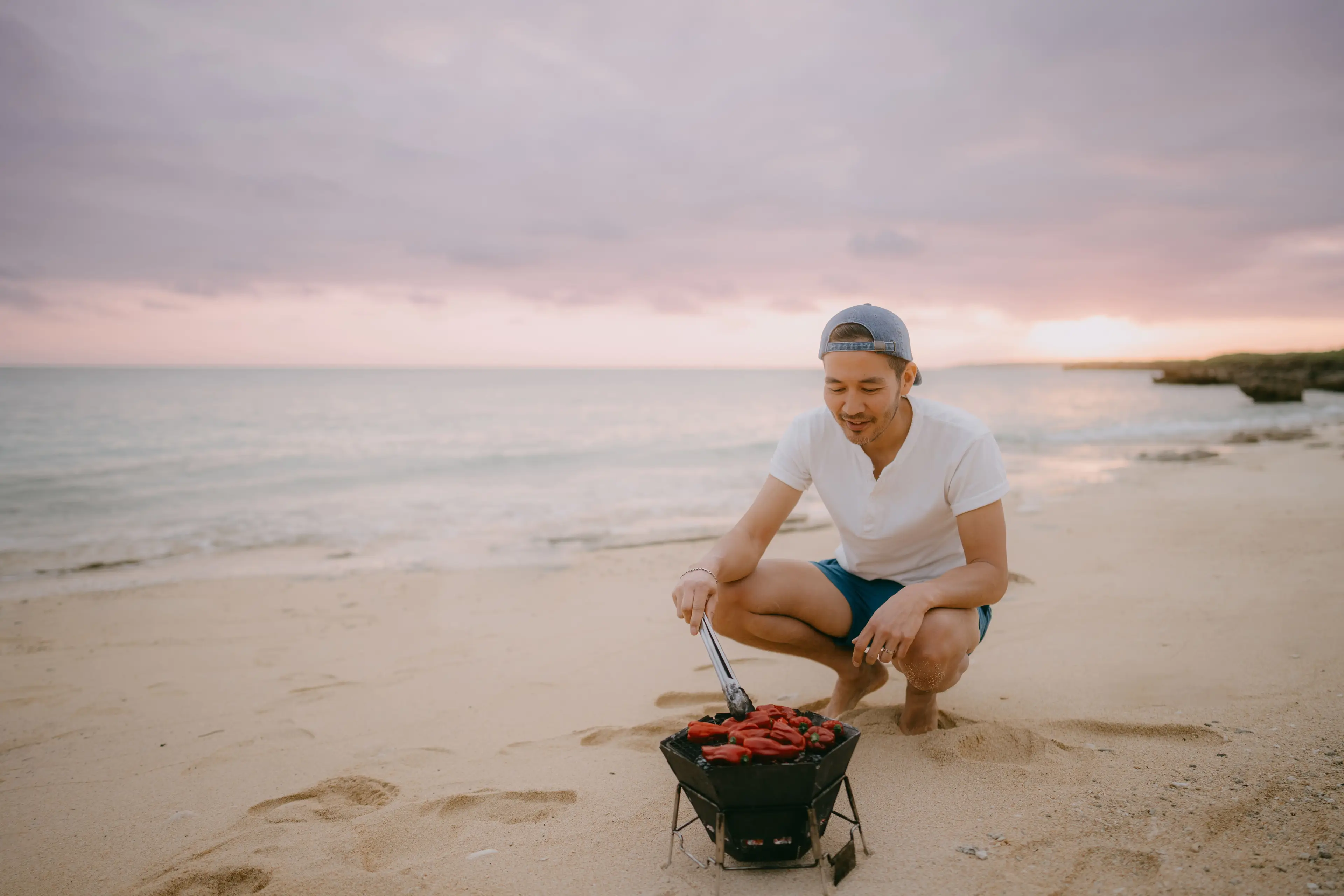
The experts warned not to use the one-use products near or on public benches and to wait until it has fully cooled down before putting it in the bin.
“To avoid starting a fire you should allow it to cool for several hours and then consider pouring water over it to make sure it's out,” the service added.
How to cool down in a heatwave
We’re all aware of the basics of keeping cool during the warmer weather, such as avoiding the sun between 11am and 3pm, staying hydrated, wearing light clothing, taking cold showers and avoiding physical activity, but have you tried these little-known hacks to beat the heat? (Thank us later).
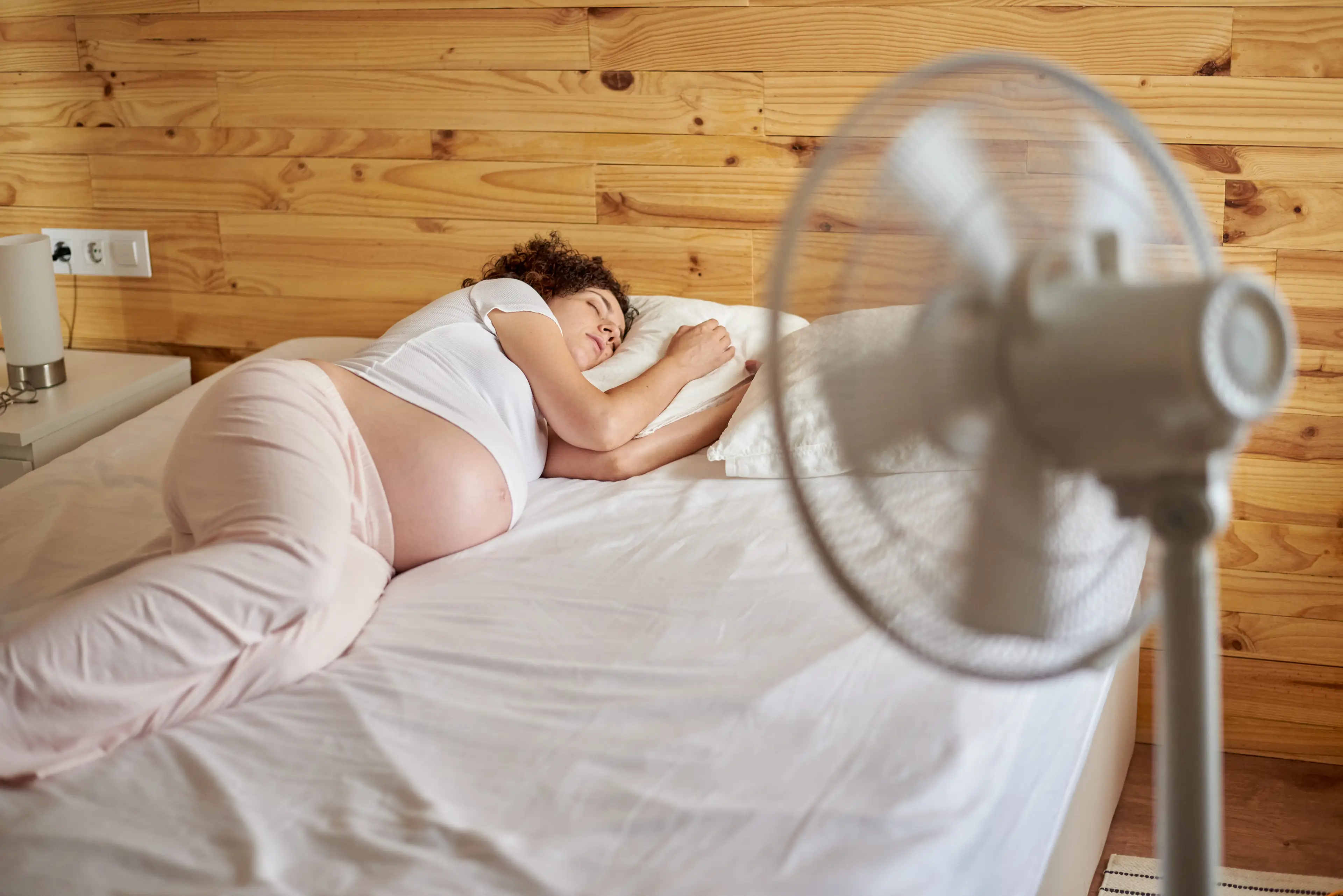
The correct way to sleep with a fan on
A good night's sleep is almost never guaranteed during a heatwave, leaving many of us turning to our trusty fan to get through the night. However, it could be having a hidden impact on your health.
But rest assured, as Dr Anis Khalaf has explained how to overcome this.
"The key is to not have any of the wind blowing on you,” he said. “So try facing it away from your body, and the air will still circulate around the room."
Though bear in mind that electric fans only tend to work when the temperature is below 35 degrees.
Drinking milk
Thanks to the sugars, proteins and fats in milk, Dr Natasha Fernando claimed that a glass of the liquid ‘may be more hydrating than water’.
She told Metro: “Milk also contains sodium which allows your body to hold onto water for longer, aiding hydration levels.”
The Egyptian sleep method
Forget the Military sleep method, because this hack claims to keep you cool as well as help you nod off.
Psychiatrist Alex Dimitriu, MD, told VeryWellMind: "The Egyptian sleep method involves sleeping under a damp sheet, which cools off from evaporation.”
Just make sure the sheet is damp and not drenched, and the room is well-ventilated.
Keeping windows shut during the day
While it may sound counterproductive, you’re essentially inviting the hot air inside by leaving them open. And since most houses in the UK are designed to keep the heat in, you could be making the situation a whole lot worse.
Instead, wait until the temperatures have dropped (such as in the late evening) to open your windows to allow cooler air to circulate. Keeping your blinds and curtains shut can also help.
 Ella Scott