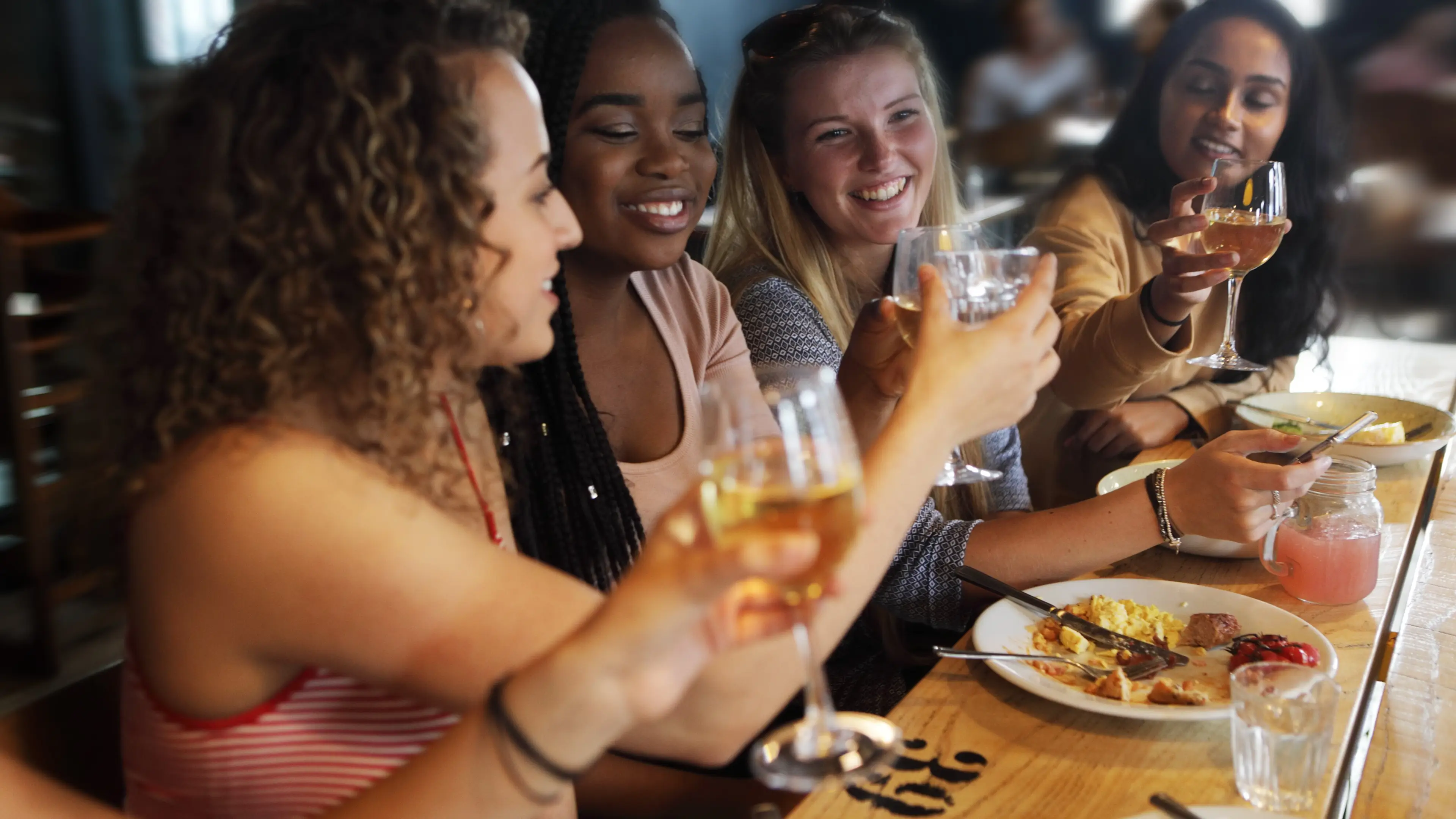
Gen Z are quietly re-shaping our relationship with wine - and we've got a lot to thank them for

Experts are predicting that Gen Z are set to redefine our relationship with wine.
Gen Z - aka those born between 1997 and 2012 - have always had a different relationship with alcohol in comparison to the likes of millennials and boomers, for example.
Not only is it reported that Gen Z drink less than the millennial generation, but their behaviours around alcohol are different, too.
According to Mintel, a third of those aged 18-24 do not drink at all, while those who do drink more commonly do so for an occasion or a treat.
Advert
Meanwhile, many are choosing low-alcohol alternatives or ready-to-drink options instead.
Despite this, some new research has focused specifically on wine and how Gen Z's approach is changing.
According to NielsenIQ's Generations on Tap report, Gen Z only accounts for nine percent of wine buyers. However, Food and Wine explain that despite this, Gen Z are starting to drink wine more frequently.
The Wine Market Council's U.S. Wine Consumer Benchmark Segmentation Survey says that Gen Z's wine drinking stats have actually increased from nine percent to 14 percent.
They noted: “The survey, conducted every one to two years since 1997, is one of the largest and longest running U.S. wine consumer studies in the world.
"The 2025 sample included nearly 5,000 U.S. adults over the age of 21, balanced to US census for age, income, education, gender and ethnicity.
"It found that 31% of wine drinkers are now Millennials, surpassing Baby Boomers at 26%, whose share has dropped significantly from 32% in 2023. Gen Z’s share also climbed from 9% to 14%, despite only half the cohort currently being of legal drinking age.”

It seems Gen Z are favouring lighter wines, with wine experts noticing a preference for sparkling wines, rosé or white.
And it seems the younger generation could be re-shaping how wine is consumed in the future.
For example, Food and Wine believe that combining wine with cultural events and ones focused on interests or learning, could be the future.
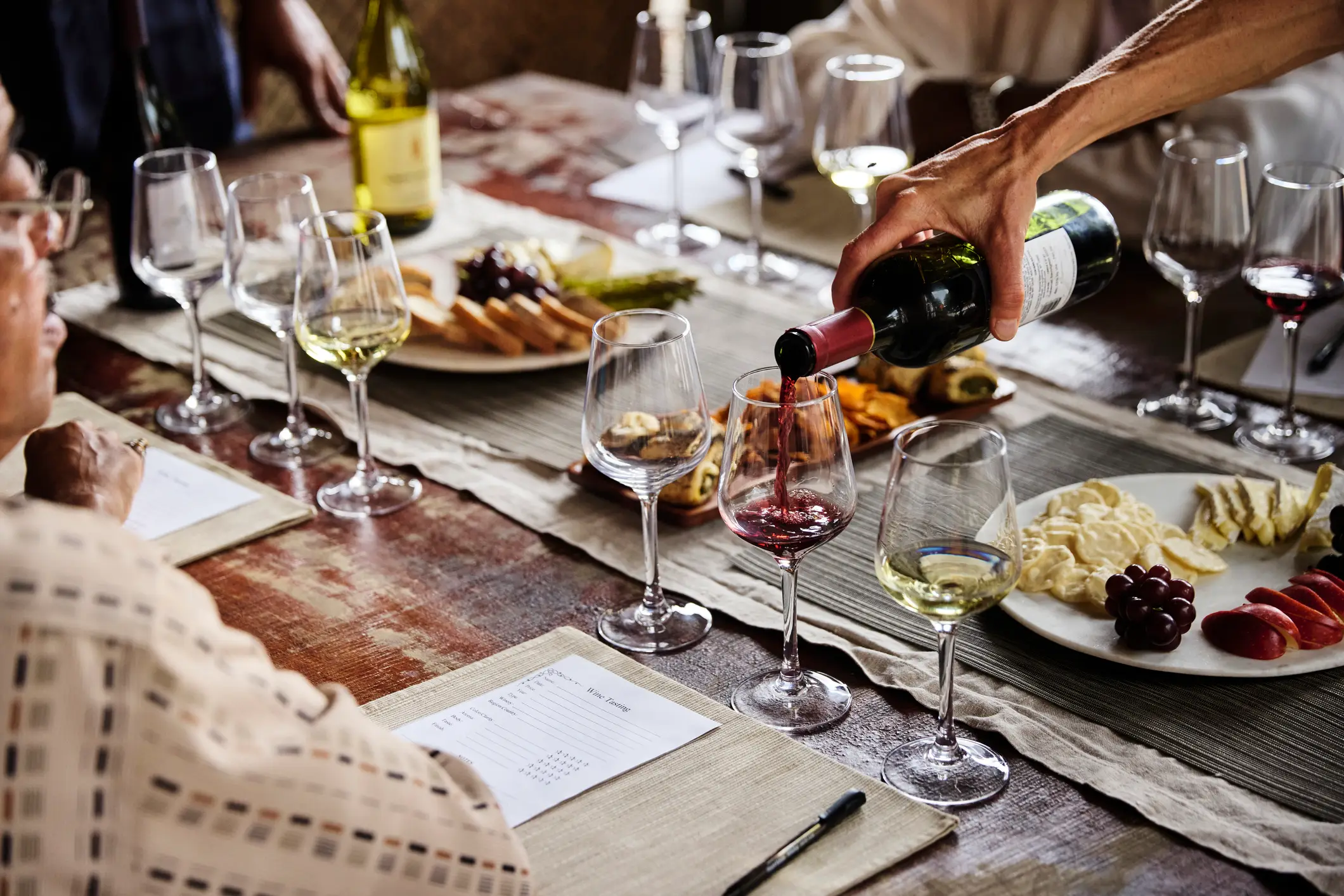
Lois Cho, co-founder of Cho Wines in Oregon, told the publication: "The wine industry has got to be more experiential.
"We're going to see wine clubs where it's not just 'you get early access and a discount,' but 'we're gonna meet you doing the things that you like to do that are not wine related'. People are very multifaceted, and to acknowledge that is a huge thing."
 Lucy Devine