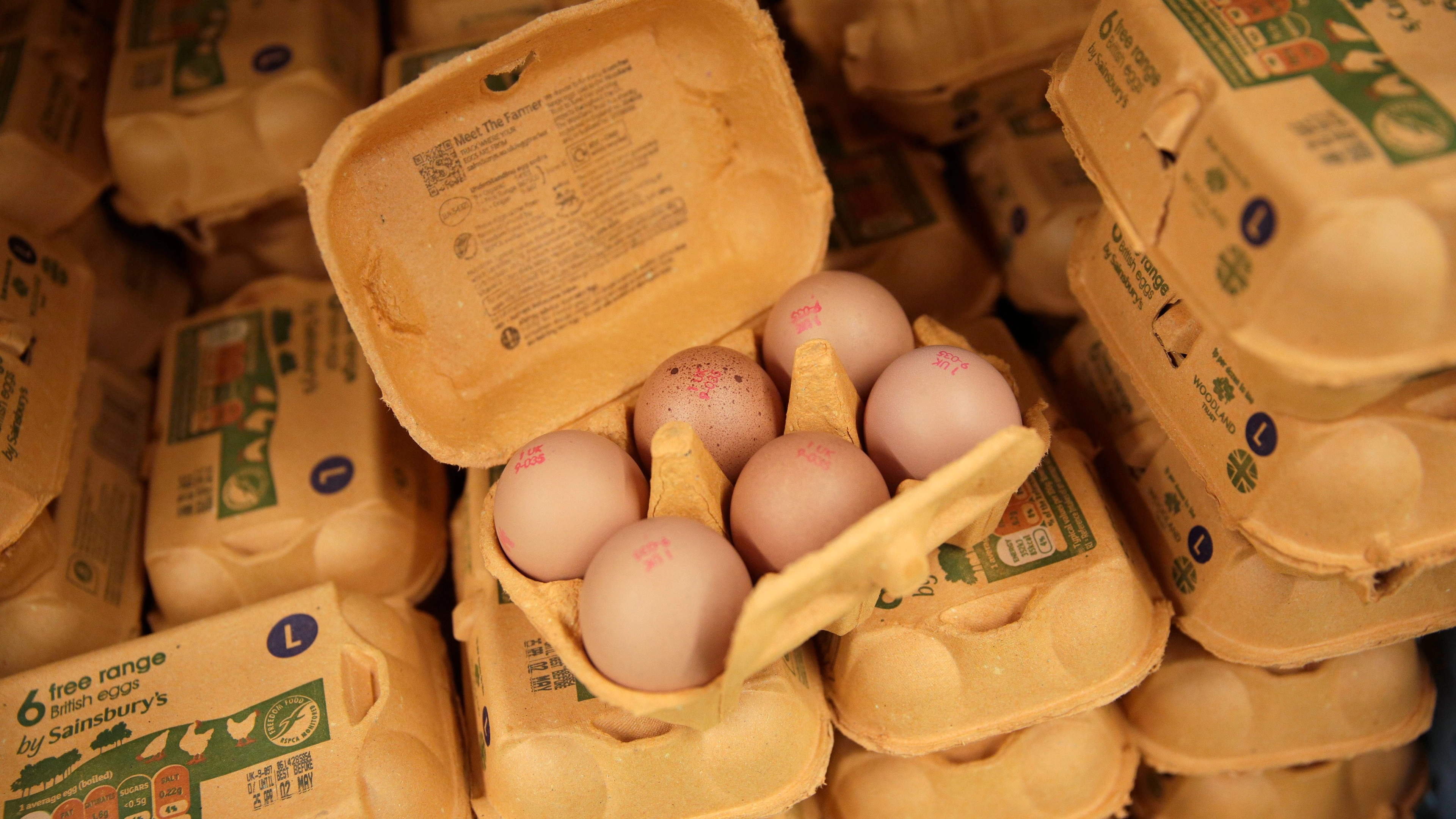
Sainsbury's is banning brown eggs over little-known controversy

Sainsbury’s is in the process of ditching its own brand brown-shelled eggs for good amid intentions to cut business emissions and promote sustainability.
For thousands of us Brits, eggs are an absolute dietary staple. While some of us like them poached or fried, others are partial to a folded omelette and a creamy mayonnaise mix spread across fluffy white bread.
Or, if you're Declan Donnelly, you may love cooking up a soft-boiled egg that you can dip Marmite-smothered soldiers in. Hey, don’t knock it until you’ve tried it!
If you regularly pick up your cartons from Sainsbury’s, then you may have noticed signs deterring you from swapping their store-branded eggs for pricier Burford Browns.
Advert
Apparently, some people have been opening cartons and switching out the wallet-friendly eggs for the higher-priced versions.
However, the chain has recently made this criminal act a little bit more difficult to pull off, announcing its intention to shift all store-branded brown eggs in favour of those with white shells.
In case you’re not aware, eggshell colour is entirely determined by a chicken’s genetics — brown hens generally lay brown eggs, and white hens usually lay white versions.
And while there may be no nutritional difference between the two, Sainsbury’s has reported that white eggs produce 12.7 percent fewer emissions as the hens are generally smaller and need less feed.
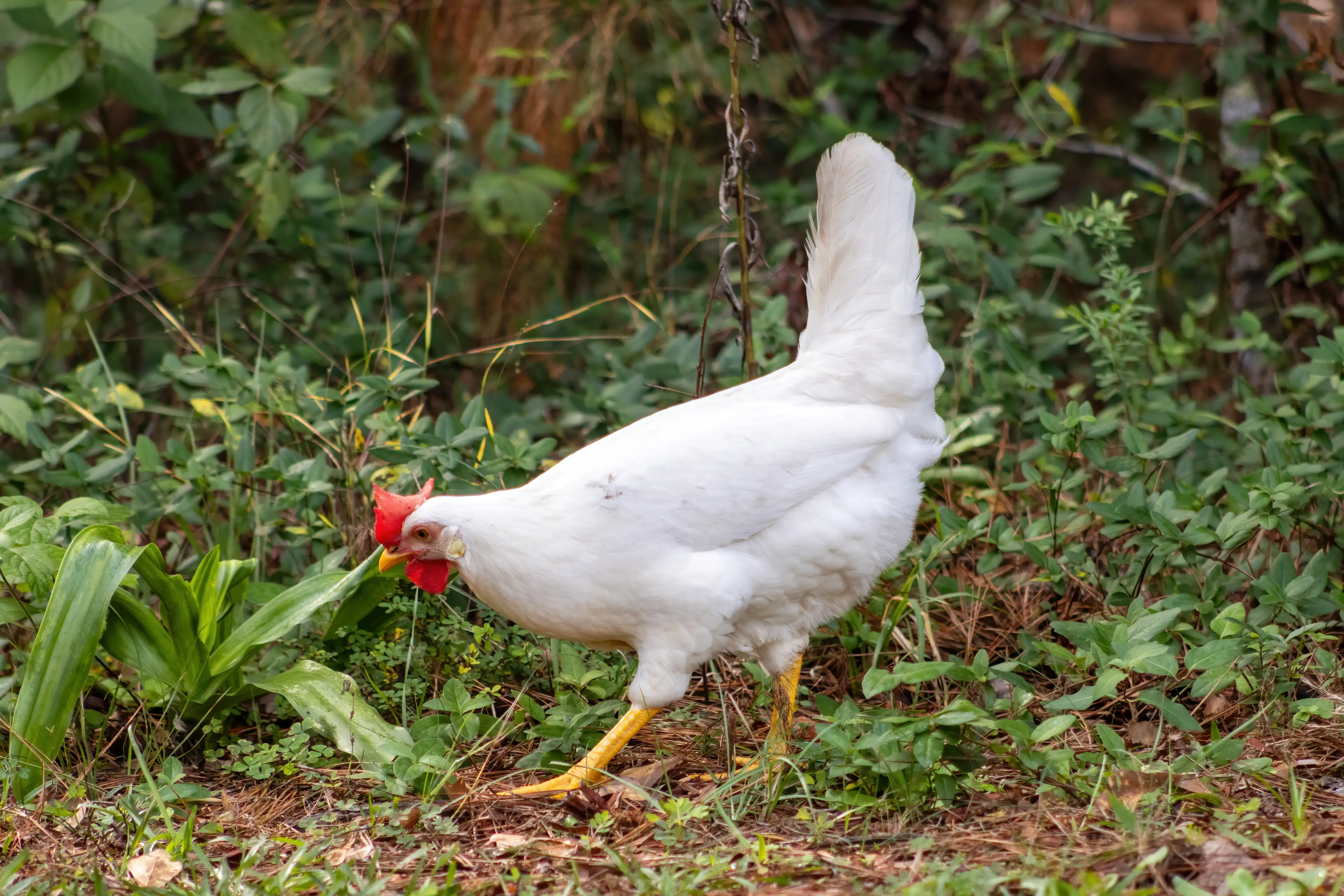
By prioritising these smaller chickens, the second-largest supermarket chain in country claimed it would ‘indirectly reduce demand on land and water used to grow feed crops, as well as the amount of manure produced’
Not only that, but the change would help improve animal welfare across its supply chain, as hens that lay white eggs, such as White Leghorns, are less likely to feather pick one another.
"They also tend to have a longer laying life and require less feed for the same egg output," the business stated via a notice.
Moreover, the switch aids Sainsbury’s ambitious 20235 net-zero targets.
The company also wants to achieve net-zero across all of its suppliers by 2050, as per The Telegraph.
Speaking about the proposed changes, a Sainsbury’s spokesperson told the publication: “White eggs have the same delicious taste and nutritional benefits as their brown counterparts, but result in lower emissions and better welfare outcomes for the hens that lay them.
“We know Brits love their eggs and, as we work with suppliers to transition all our own brand to white shells, they can now enjoy them knowing they are better for the environment and the hens.”
White eggs aren’t a new phonomenon, having intially been popular in England up until the 1970s.
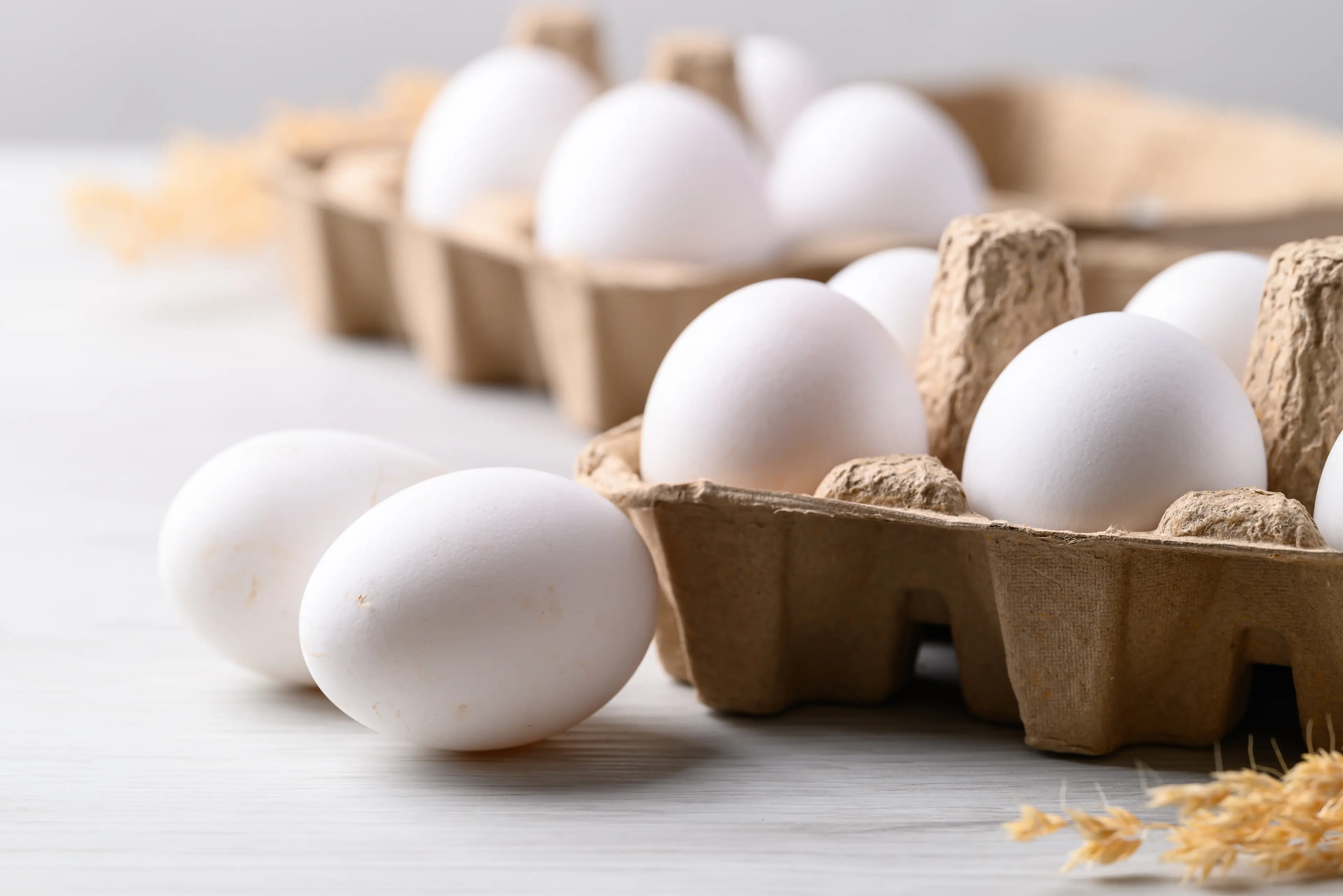
However, false claims about bleaching and the idea that brown eggs had a better nutritional profile, as they are usually larger, caused stockists to phase out white and reach for brown eggs instead.
"White eggs simply offer a way to produce the same great eggs with a lighter environmental footprint," Sainsbury's added.
Anyone travelling Stateside will find white eggs are much more common than they are in the UK.
Sainsbury’s is not the only brand with sights of improving its sustainability efforts, with Waitrose recently hauling all mackerel from its shelves.
Earlier this year, Jake Pickering, head of agriculture, aquaculture and fisheries at the company, said the decision was made as a bold stance against overfishing.
“Our customers trust us to source responsibly, and we are closely monitoring the fishery. We look forward to bringing mackerel back to our shelves once it meets our high sourcing standards,” he said.
Frozen sardines and a new range of smoked fish, including hot-smoked peppered herring and hot-smoked trout with dill and lemon, were all introduced in Mackerell’s place.
 Ella Scott