Little-known meaning of Marmite is hiding in plain sight on its label

Iconic and highly polarising: Marmite is a beloved and often despised British savoury spread famed for its sticky texture and unique, bold flavour.
The vegan cupboard favourite, primarily made from concentrated yeast extract, is fortified with vitamin B12 and contains spices, vegetable juice concentrates, and salt.
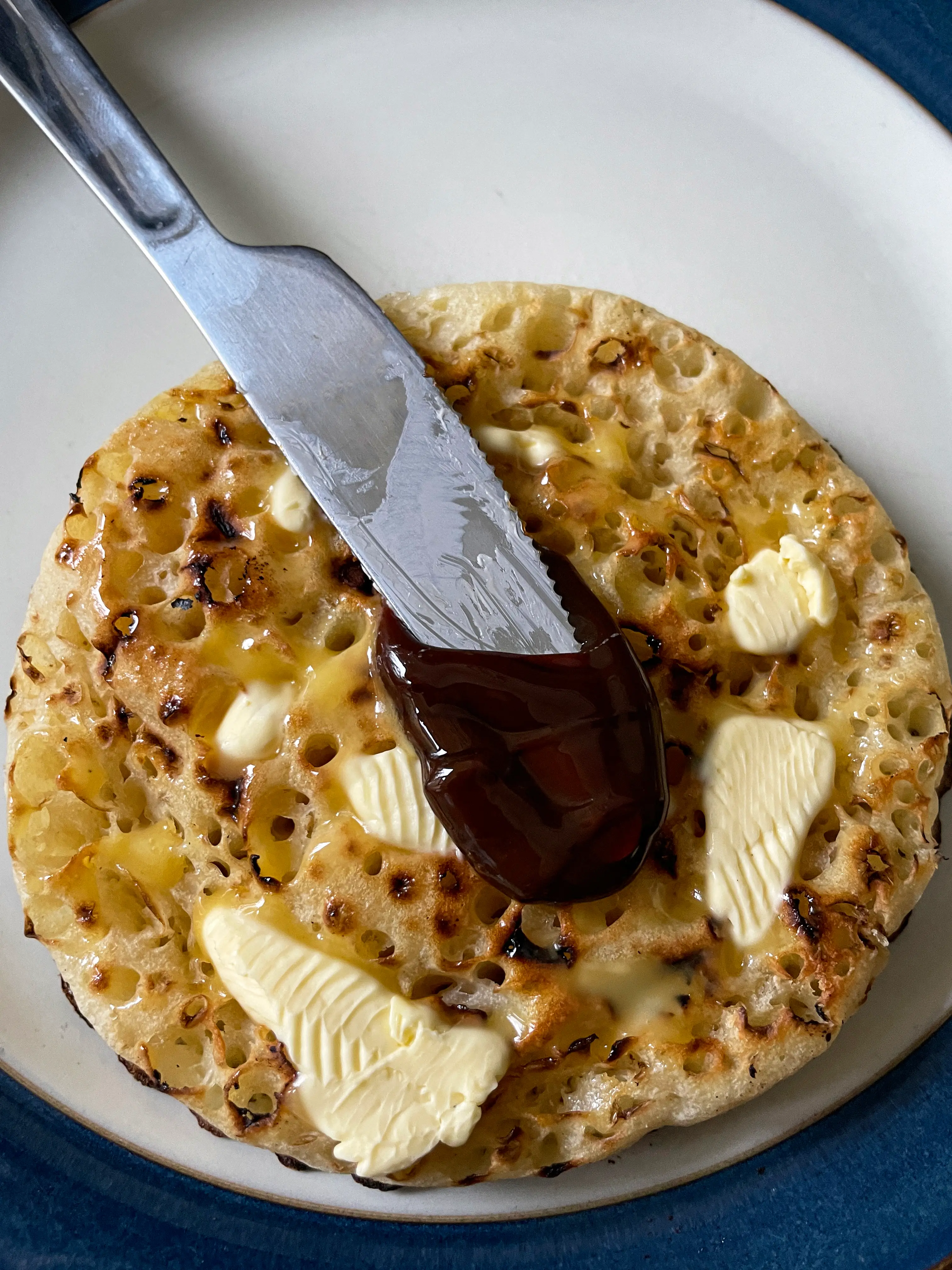
With roots dating back to the early 1900s, some people have grown up loving to slather the item on toasted bread or pair it with sharp mature cheese.
Others use it as a so-called ‘secret weapon’ in vats of spaghetti Bolognese, while some visionary individuals are known to drizzle it on top of their cinema popcorn.
Advert
And hey, don’t knock it until you try it!
If you’re a fan of the controversial condiment and its rich umami taste, then you may have wondered exactly how the breakfast staple got its name.
Well, it turns out the Marmite moniker comes directly from a type of dish traditionally used in French cuisine.
According to the Marmite Museum, inventor Justus von Liebig first produced the thick liquid in 1902 as a byproduct of brewing beer.
He quickly realised it could be transformed into a meaty-flavoured, vegetarian concentrate.
During the creation process, the German scientist used a French pot known as a marmite, which is pronounced ‘mar-meet’.
The crockery casserole pot that Marmite was first cooked up in is famed for its ‘pot belly shape’.
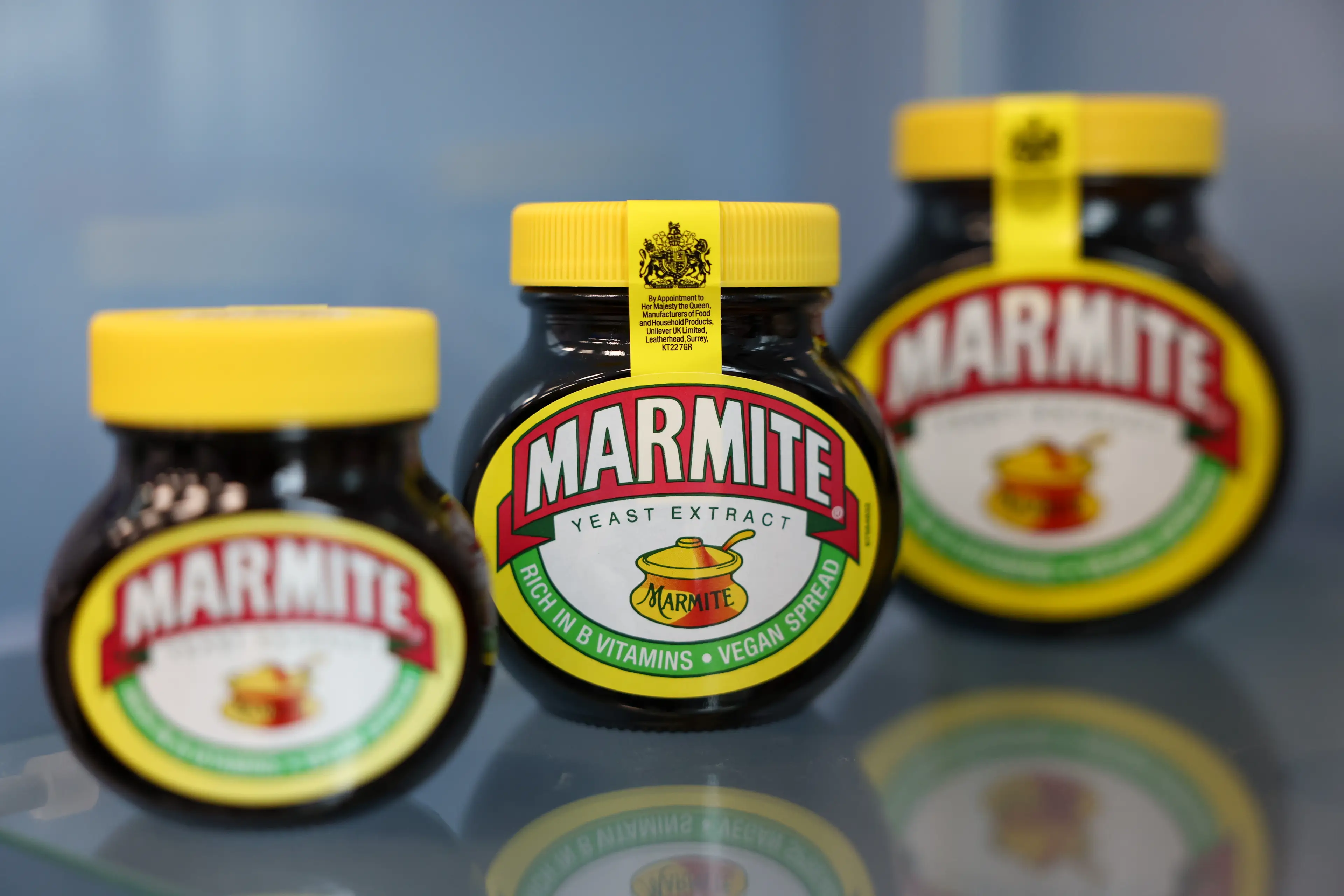
And not only has the spread taken its name from the casserole vessel, but its jar shape too.
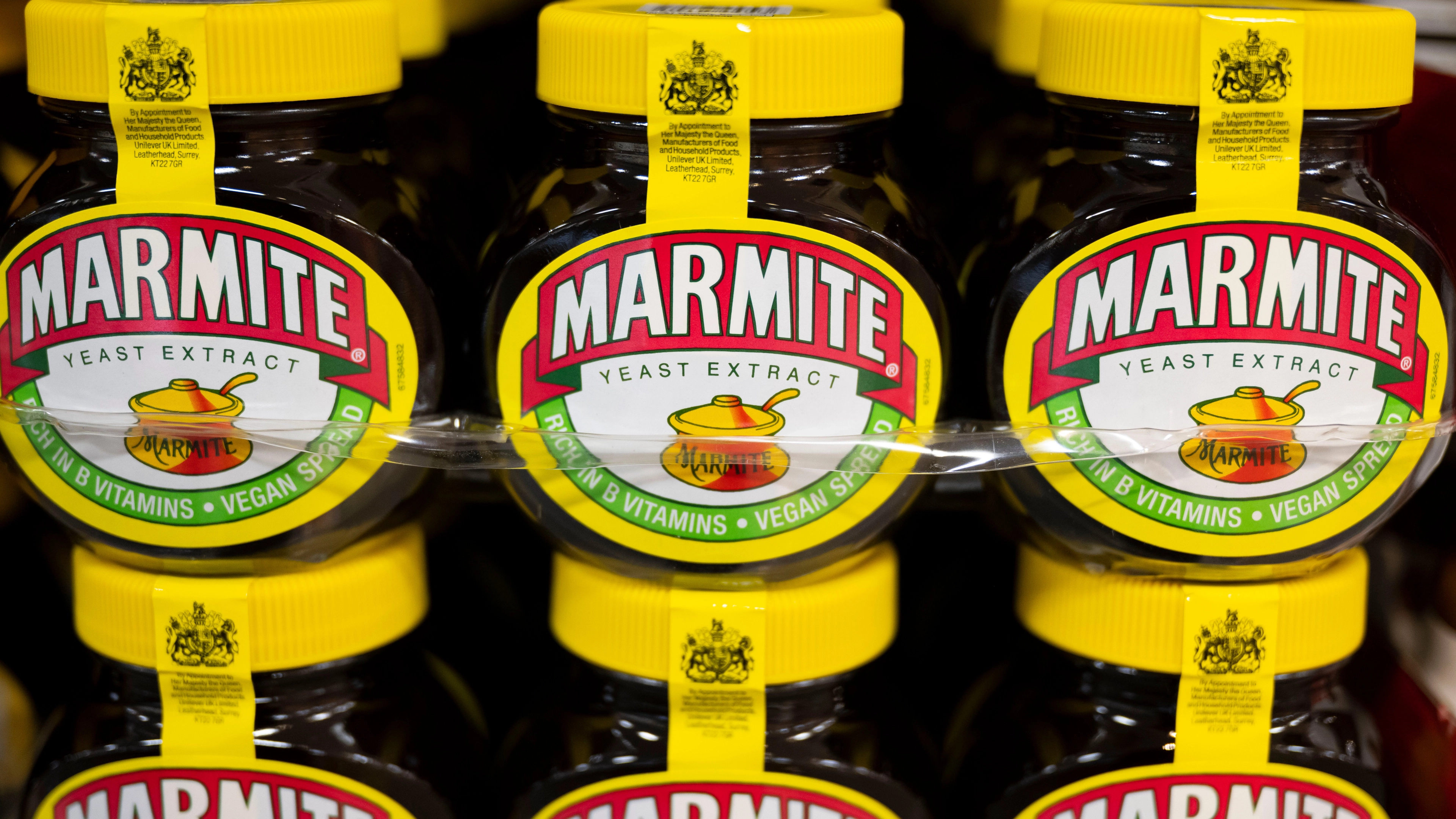
What’s more, on every single jar of Marmite you can see a picture of the cauldron-like marmite pot right in the middle of the label.
Despite Marmite being more than 120 years old, some fans are only just learning how it got its name.
"You guys you guys you guys. 'Marmite' is from a traditional French crockery vessel for casseroles and marmite bottles are shaped like them,” typed one social media user, as per Tyla.
Another said: "Yeah, when I worked there I found this out because the chef kept telling me to clean 'les marmites' and I was like....the what now??"
"I was today years old when I learnt that the pot on the label is called a ‘marmite’ in French…" added someone else.
Marmite isn’t the only food item that has caused controversy with its name.
It was previously revealed that Häagen-Dazs founders, Reuben and Rose Mattus, wanted to start selling ice-cream and believed they needed a ‘foreign-sounding name’ to do well.
In 1959, the Jewlish-Polish immigrants decided they wanted their cold-confectionary company to sound Danish, claiming it was because it was the ‘only country which saved the Jews during World War II’.
After some deliberation - including speaking ‘gibberish’ around the kitchen table - they landed on Häagen-Dazs - a Danish-inspired name specifically coined to be perceived as a ‘rich’ brand by others.
Funnily enough, Häagen-Dazs doesn’t actually mean anything.
“[But] it would attract attention, especially with the umlaut,” the couple said.
The more you know, right?
Topics: UK Food, News, Social Media
 Ella Scott