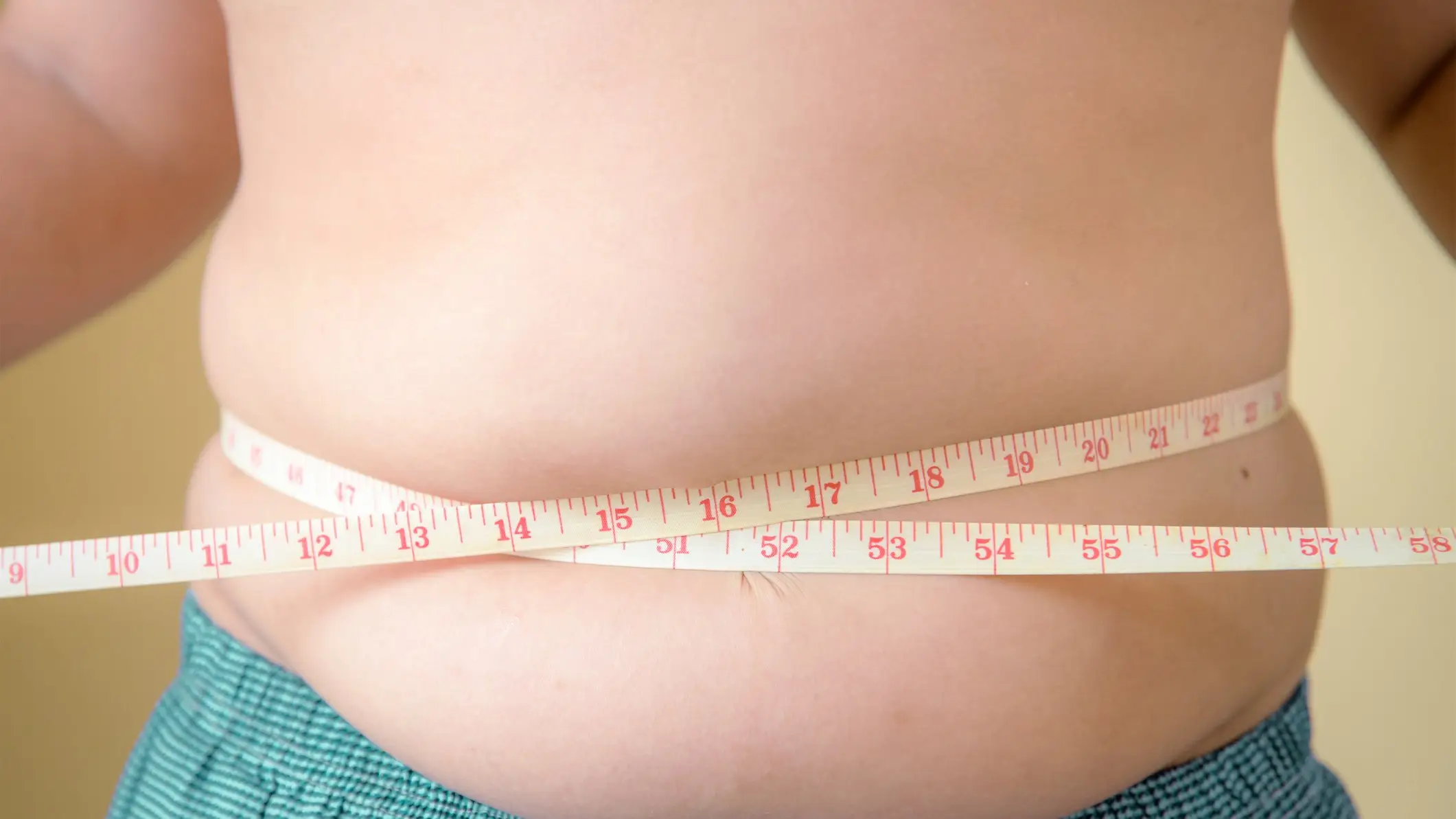
Smell of common food during pregnancy linked to higher risk of childhood obesity

Pregnancy is often a time when tastes shift, cravings spike, and long-forgotten favourites suddenly make their way back onto the plate.
Many mums-to-be find themselves drifting towards richer, heartier dishes, while others steer firmly towards lighter meals - you often never know what you're going to get until you're in the thick of it.
Whatever the approach, food becomes a central character in those nine months, filling kitchens with scents that can stir nostalgia, comfort... or even the odd wave of queasiness.
Although expectant mothers focus on getting through each day as best they can, scientists say there may be far more happening behind the scenes. New research has delved into the relationship between pregnancy, diet and the developing baby in a way that hasn’t been explored before, pointing towards an unexpected factor that could be shaping a child’s long-term health.
Advert
It’s not the portion size or the fat content doing the talking. Only after looking closely at how unborn babies respond to what their mothers eat did researchers uncover a surprising connection tied to something far more subtle: the everyday scents of food.
According to a team at the Max Planck Institute for Metabolism Research, the smell of fatty foods consumed during pregnancy could influence whether a child becomes overweight later in life, even if the mother herself remains healthy and lean.
Sophie Steculorum, who led the study, said: “What we discovered changes how we think a mother’s diet can influence the health of her children. Until now, the focus has mostly been on maternal health and the negative effects of eating a high-fat diet, such as the risk of gaining too much weight. But our results suggest that the smells fetuses and newborns are exposed to could influence their health later in life independently of their mother’s health."
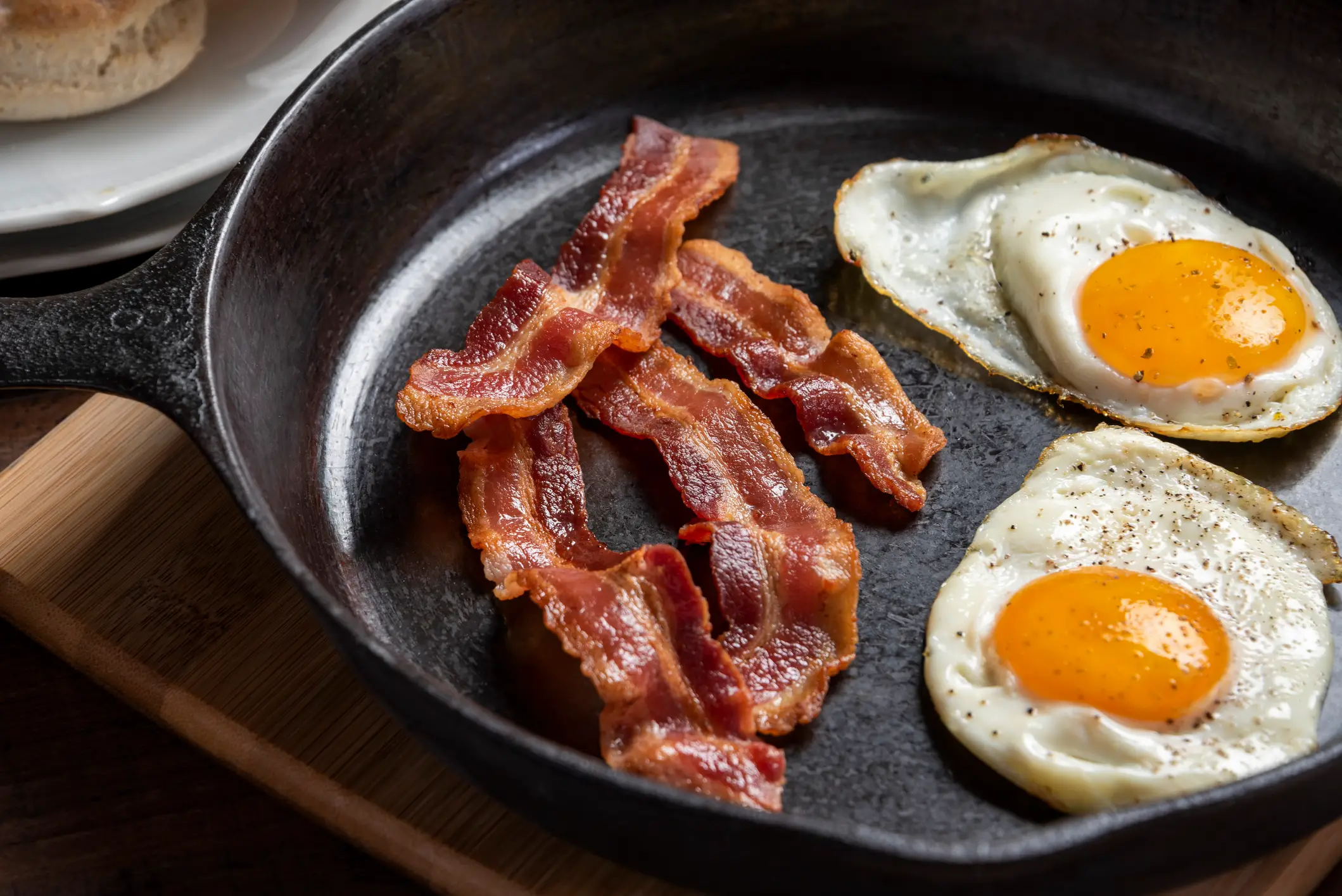
In their experiments, researchers fed pregnant mice a low-fat, nutritionally balanced diet, but flavoured it with scents associated with fatty foods, such as bacon. While the mothers’ metabolisms stayed steady, their offspring reacted strongly to high-fat foods once they grew, developing more pronounced obesity and insulin resistance.
Laura Casanueva Reimon, co-first author of the study, said: "The brains of the offspring resembled those of obese mice, simply because their mothers had eaten a healthy food that smelled like fatty food."

The team also discovered that fetuses encounter these scents in the womb, and newborns experience them again during breastfeeding through their mother’s milk. Artificial activation of smell-related neural circuits in early life alone was enough to spark obesity in adulthood.
Crucially, the researchers stressed that the mothers had to ingest the food for this effect to appear; simply smelling it in the air was not enough.
With some flavouring agents used in the study also found in common food additives, the scientists say more work is needed to understand their impact. As Steculorum added: "The findings point to the need for more research to understand how consuming these substances during pregnancy or breastfeeding could affect babies’ development and metabolic health later in life."
 Ben Williams