
Experts warn craving three types of food can be early sign of dementia

Scarily, experts have suggested that constantly craving three foods could be an early sign of frontotemporal dementia (FTD), the most common kind of dementia for people under 65.
There are almost one million people in the UK living with a progressive neurological condition, with memory, thinking, and the ability to perform daily activities worsening over time, as per the Alzheimer’s Association.
FTD, impacting around 31,000 people in Britain (via Alzheimer’s Research UK), occurs when nerve cells in the frontal and temporal lobes are damaged by disease, causing connections between them and the rest of the brain to break down.
The lobes, situated behind our foreheads, help control our emotions and behaviour; damage can therefore cause behaviour and personality shifts (behavioural variant FTD).
Advert
Meanwhile, those diagnosed with the Primary Progressive Aphasia (PPA) variant may experience difficulties with remembering people’s names and certain words, and could struggle with their speech.

FTD can sometimes go undiagnosed for a large period of time as changes to personality are gradual and can subtly worsen over months and years.
Apparently, three food cravings could highlight that you or someone you know has FTD, according to the Alzheimer's Society.
Food cravings could be frontotemporal dementia warning sign
Experts have suggested that those with behavioural variant FTD could display a range of new traits and actions, including changing the way they act at meal times.
The Alzheimer’s Society states that this includes the inability to stop eating unhealthy foods, not being able to control alcohol intake, and forgetting table manners.
People with FTD may also experience not being able to stop eating, even though they are full, and craving sweet foods, fatty delights, or carbohydrates.
Why the brain may crave sweet food

According to Alison Watson-Shields, a dementia care specialist and trainer, dementia impairs the brain’s ability to metabolise glucose efficiently and stop it from extracting energy from food the way it used to.
“One response to this energy deficit is for the brain to signal a craving for quick, easily accessible glucose — which sweet foods provide almost immediately. It’s not a conscious decision; it’s the brain trying to meet its own energy needs as best it can with a changed metabolism.”
Dementia and fatty food link
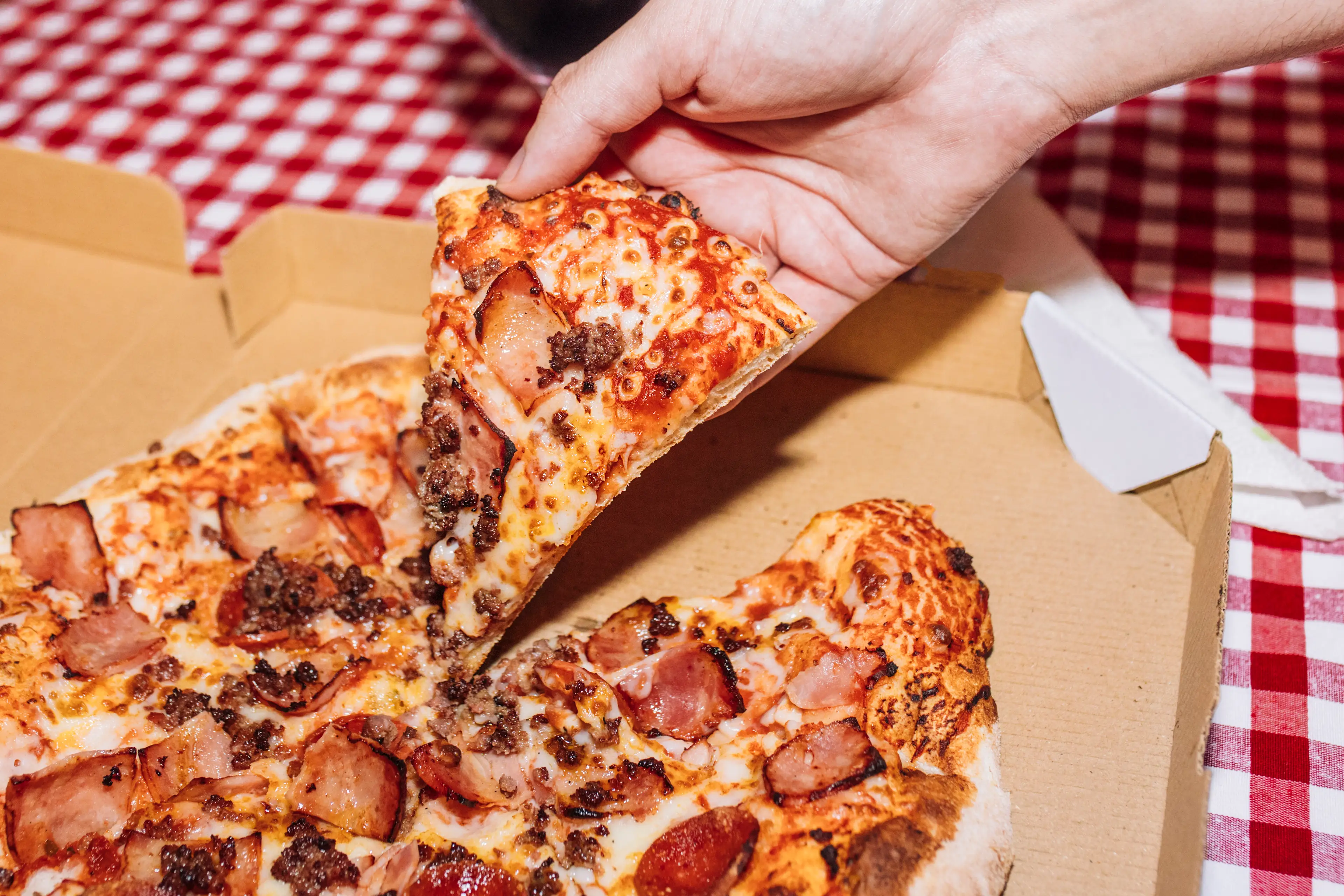
In June, researchers from Harvard T. H. Chan School of Public Health led a study that found those who ate the highest amount of ultra-processed food every day had a 58 percent increased risk of developing dementia and a 46 percent increased risk for cognitive impairment compared to people who ate the lowest amount of daily ultra-processed food.
“Conversely, we found lower risks of cognitive impairment and dementia for high vs low consumers of minimally processed foods such as whole grains, fruits and vegetables,” senior author Cindy Leung, associate professor of public health nutrition, told CNN.
The researchers’ analysis found that eating processed meats such as bacon carries the highest risk of dementia and cognitive impairment.
Needing carbohydrates with FTD

Constantly needing to eat bread, pasta, or other carbohydrates
A 2016 study published in the American Journal of Alzheimer’s Disease & Other Dementias suggested that patients with FTD often develop carbohydrate cravings.
“The more we eat, the more we want,” Lily Soutter, a nutritionist for Nuffield Health told Care and Nursing Magazine. “By going cold turkey for a month you can recalibrate your taste buds and cravings will subside.”
Other eays to cope include eating protein and healthy fats at every meal, and getting more sleep.
“Just one extra hour of sleep per night can increase leptin, the hormone that suppresses appetite,” said Soutter.
For more information on frontotemporal dementia see the Alzheimer's Society.
 Ella Scott