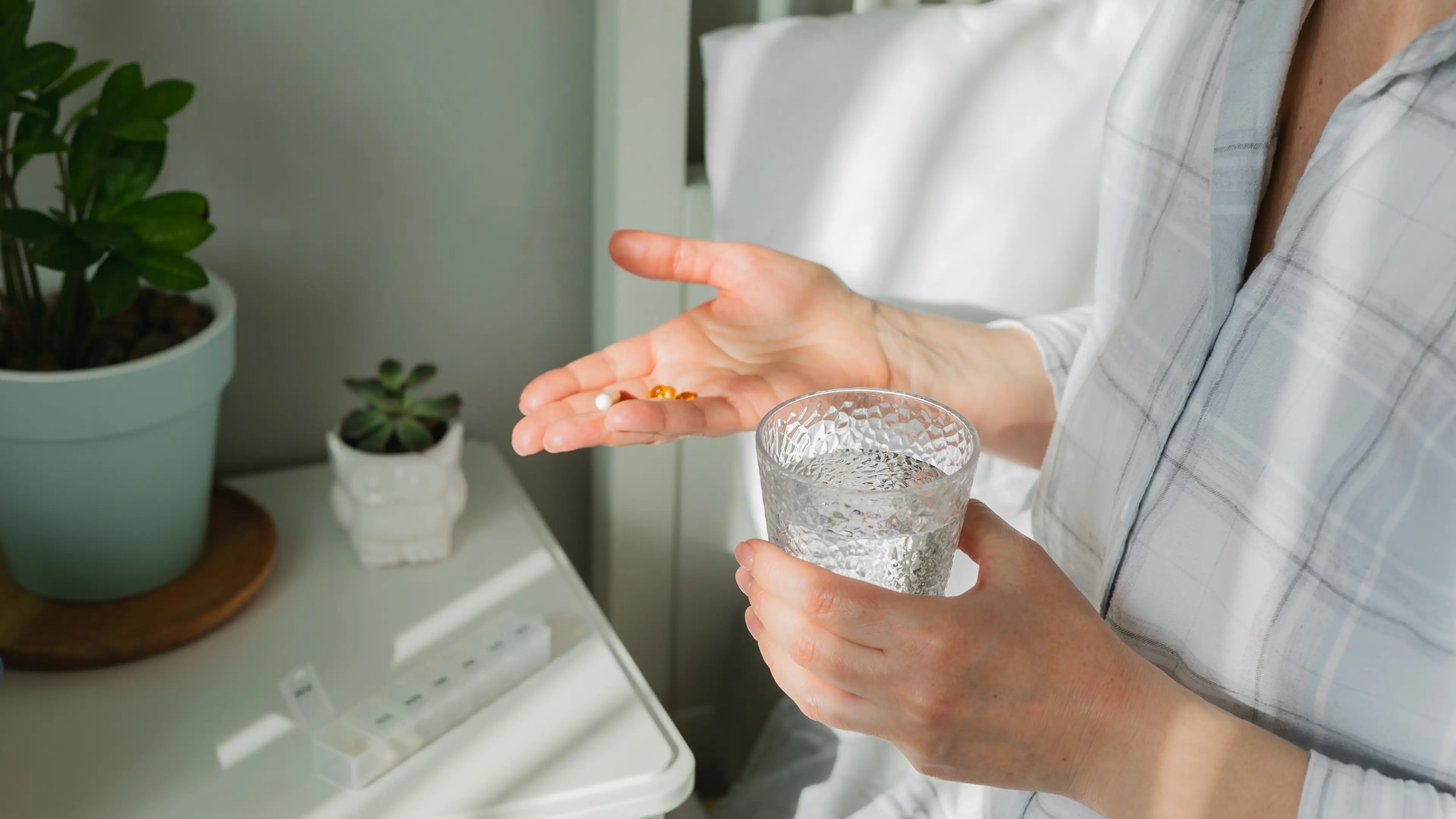
4 supplements you should never take if you have inflammation

Inflammation, considered a contributing factor to more than half of deaths worldwide by the National Institute of Environmental Health Sciences, can cause a slew of health issues, such as fever, mouth sores, poor mental health, skin rashes, acid reflux, and joint pain or stiffness.
And did you know that your daily supplement stack could be the root cause?
Experts have weighed in on which supplement pills you should avoid consuming if you want to reduce inflammation, including high-dose vitamin A tablets and a UK-banned substance that is said to help relieve anxiety.
What is inflammation?
The Cleveland Clinic categorises inflammation as your immune system's response to injury and/or infection.
While it promotes healing and helps you feel better, it can also happen when there’s no invader.
Advert

When this happens, previously healthy parts of your body can be harmed, and chronic diseases can develop.
Acute inflammation is your body’s response to sudden illness. Symptoms include pain or tenderness, swelling, heat, and flushed skin at the site of the injury.
Chronic inflammation is when your body continues sending inflammatory cells even when there’s no danger.
The latter is involved in the disease process of lupus, psoriasis, certain cancers, Crohn’s disease, and asthma, among other health issues.
Supplements to avoid with inflammation:
Vitamin A supplements - high dose
Anyone routinely taking high-dose vitamin A supplements should be aware that the pills can significantly raise CRP (C-reactive protein) levels.
The result of higher-than-average CRP is inflammation, injury, or chronic diseases, such as arthritis, as per a 2022 study published in the Nature journal.
The NHS recommends men consume around 700 µg of the fat-soluble vitamin per day, while women should have slightly less at 600 µg.

Too much vitamin A can cause bones to be more likely to fracture when you’re older which is why experts recommend not exceeding 1,500 µg per day.
Iron supplements - high dose
Iron is essential for making red blood cells, which carry oxygen around the body, as per the NHS. It is also necessary for growth, development, immune function, and energy metabolism.
However, too much of the essential mineral can be extremely harmful, causing nasty side-effects such as constipation, nausea, ulcers and higher levels of inflammation, as per EatingWell.
The British Dietetic Association (BDA) recommends adult males consume 8.7mg of iron per day, while pre-menopausal females can have up to 14.8mg.
Adult females who have already gone through the menopause should consume 8.7mg.
Kava
Kava, also known as Piper methysticum, is a South Pacific plant that experts at UCLA Health claim can help reduce anxiety in the short term.
It is currently illegal to sell, supply, or import kava into the UK due to safety concerns linking the herb to severe cases of liver toxicity.
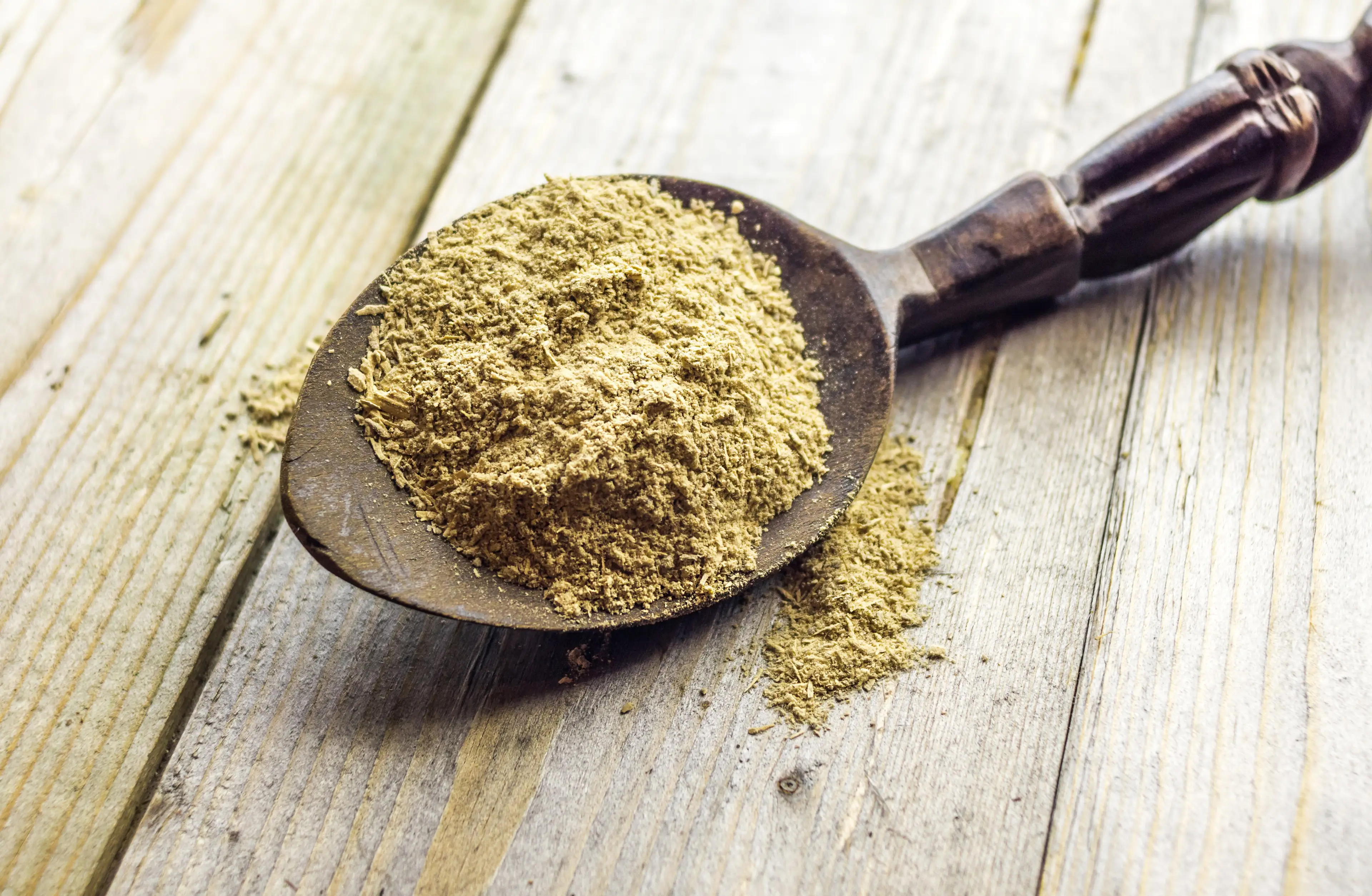
Previous studies have suggested that kava may be helpful for reducing inflammation, but it can also pose serious risks, nutritionist Kiran Campbell stated.
"While the active parts of kava may be helpful for reducing inflammation, other ingredients in kava may still trigger inflammation, especially when taken in traditional preparations or for long periods,” he told EatingWell.
Conjugated linoleic acid (CLA)
Omega-6 fatty acid supplements, such as CLA, are often used for weight and fat loss.
But analysts have warned they should be consumed sparingly as they can easily increase CRP levels, according to a 2023 study published in Frontiers.
Elevated CRP levels are often associated with acute or chronic health conditions.
Experts at Ubie Health suggest anyone who wants to lower their CRP levels try to take regular exercise, quit smoking, and eat a Mediterranean-style diet.
 Ella Scott