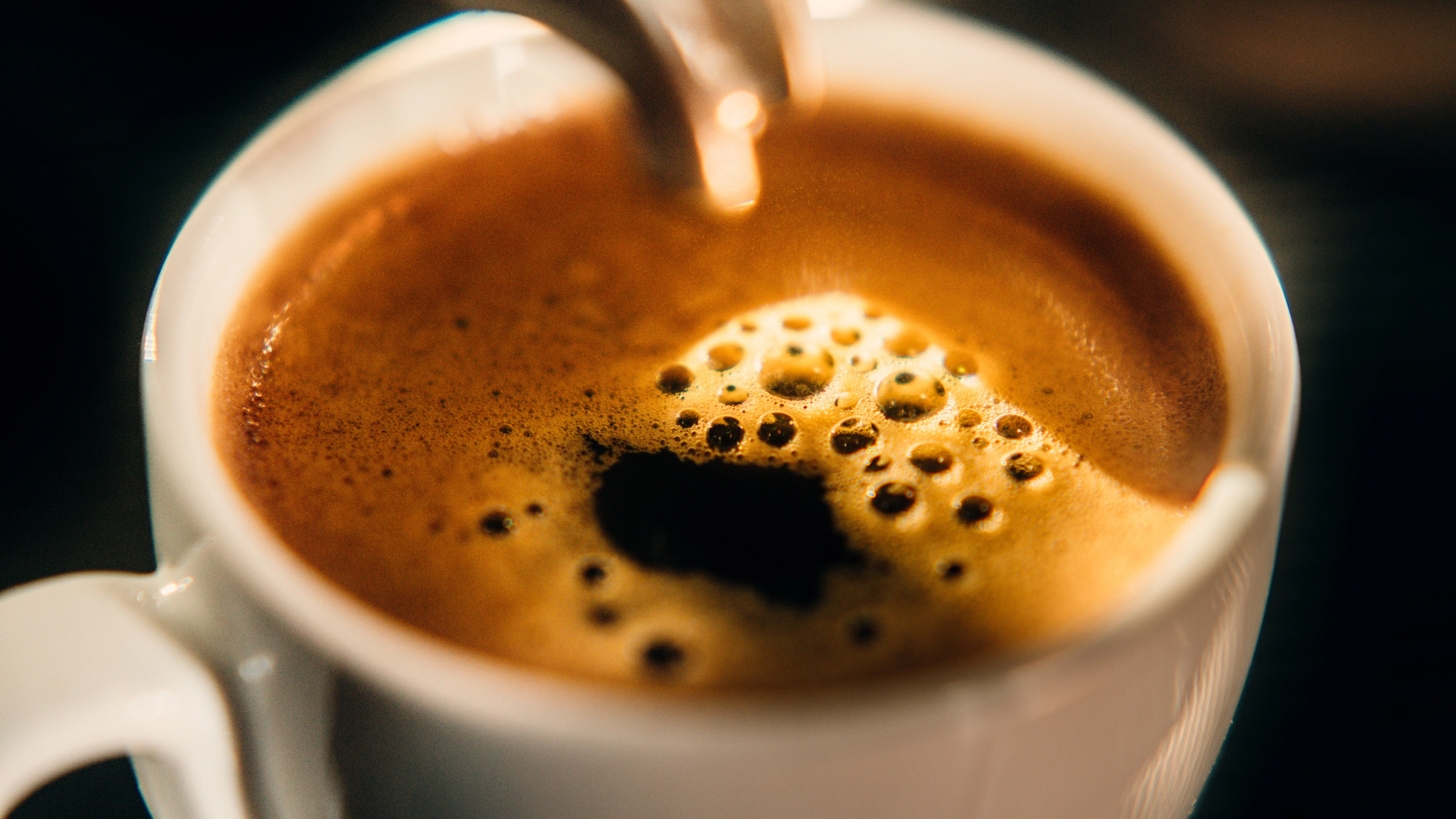
Drinking coffee might actually make you healthier, new study says

Coffee drinkers are often advised to reduce their consumption if they want to avoid sleep disruption and an unpleasant spike in heart rate and blood pressure. However, a new study appears to suggest that there might be a good side effect of having a few cups of joe a day - and we’re breaking it down for you.
While a new viral iced coffee seen on Love Island has been all the rage, prompting multiple fans to try and recreate it, a recent research has suggested that there is nothing wrong with your coffee intake as the drink has been linked to lower chances of developing liver-related illnesses.
This is not news, it seems, as the notion that coffee may protect your liver is one of the most consistent findings from decades of research on the subject. Many studies have found that coffee drinkers have lower rates of liver cancer, cirrhosis and nonalcoholic fatty liver disease compared to non-coffee drinkers.

Advert
Now, a study published earlier this month in the journal of Clinical Gastroenterology and Hepatology saw scientists at Cedars-Sinai Health Sciences University tracking roughly 355,000 adults with no prior liver conditions for a period of 13 years.
The results found that — as counterintuitive as it may sound — drinking five or more cups of coffee a day was associated with a 47 percent lower risk of developing liver cancer and a 32 percent lower risk of developing cirrhosis. Coffee drinkers were also 42 percent less likely to die during the study period from liver-related diseases.
The data was observed in people drinking both caffeinated and decaffeinated coffee and regardless of adding sugar or artificial sweeteners.
According to the study, a higher coffee intake also corresponded to lower hepatic fat, iron, and fibro-inflammation.
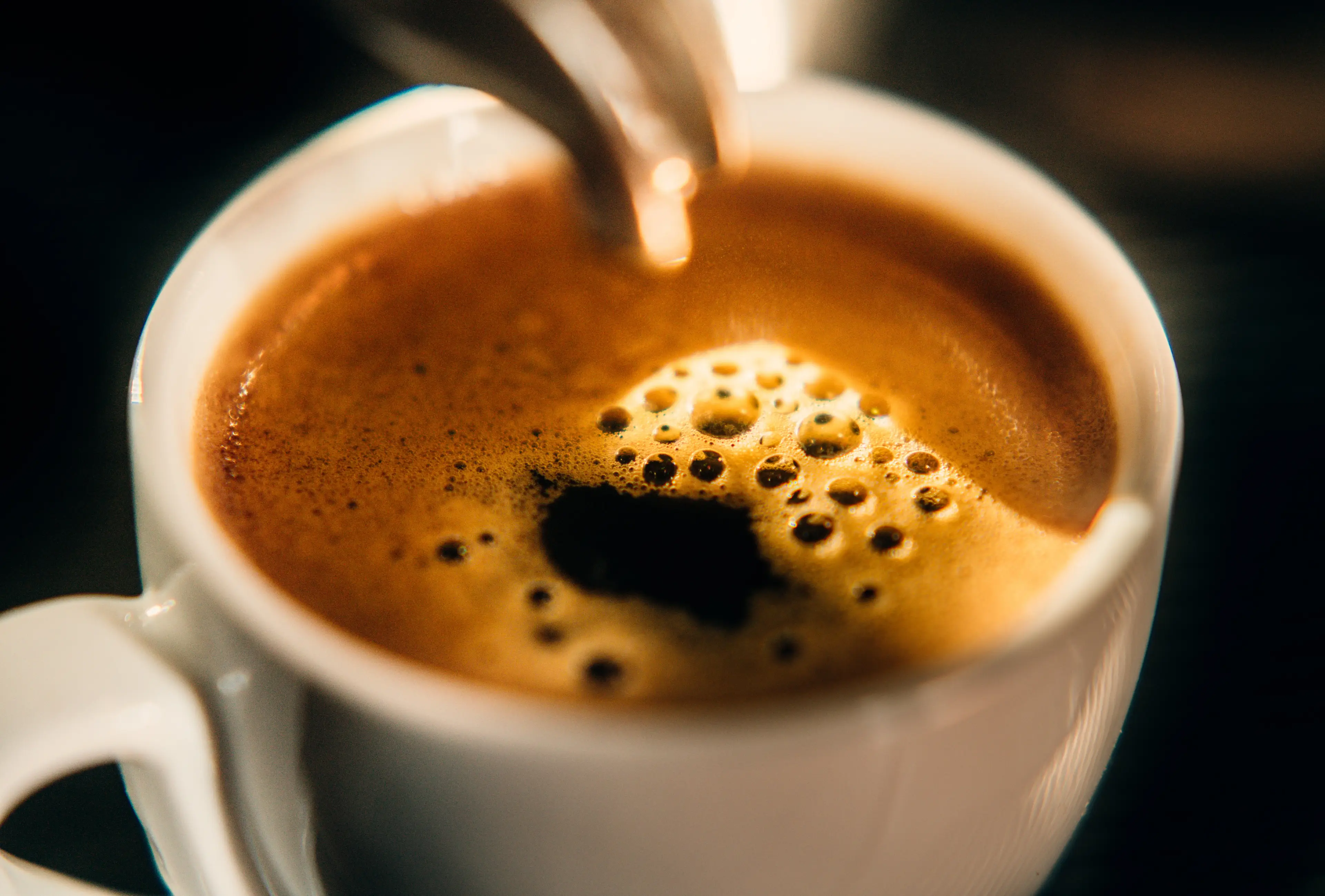
While coffee consumption has long being a point of contention when it comes to maintain good health, scientists have concluded that one of the chemical compounds found in it can help reduce inflammation. Coffee also contains chlorogenic acid, which has been said to improve how effectively the liver responds to insulin.
Before reaching for your coffee machine with the intention of guzzling up as many cups as safely possible, it’s worth noting that the study may need some further assessment. According to the scientists behind it, ‘large-scale prospective studies integrating imaging biomarkers, proteomics, and intake patterns remain limited’. In addition, the effects of coffee type, additives, and metabolic modifiers are also ‘unclear’.
According to the British Heart Foundation (BHF), up to 400 milligrams (mg) of caffeine a day, or they say around 4 to 5 cups of tea or coffee, is considered a safe amount for most adults too.
They recommend, to make caffeinated drinks a bit healthier, avoiding adding extra syrups or sugars to them, and they say skimmed or semi-skimmed milk can be a good switch too.
A study done last year by the European Heart Journal looked at the timing of when US adults drink their coffee, and they concluded: "Drinking coffee in the morning may be more strongly associated with a lower risk of mortality than drinking coffee later in the day."
Commenting on the study, Tracy Parker, a Senior Dietitian at the BHF, said on their website: "We already know that drinking coffee in moderation, about 4 to 5 cups a day, is generally fine for most people and does not seem to negatively impact heart health. However, this study suggests that the time of day you drink coffee also matters."
“It's important to note that this type of study cannot prove cause and effect, so we cannot say for certain that enjoying a cup of coffee with your breakfast will directly reduce your chances of dying from a heart attack or stroke.
“Nonetheless, having your coffee earlier in the day rather than late at night is unlikely to be harmful and could benefit your heart health."
 Stefania Sarrubba