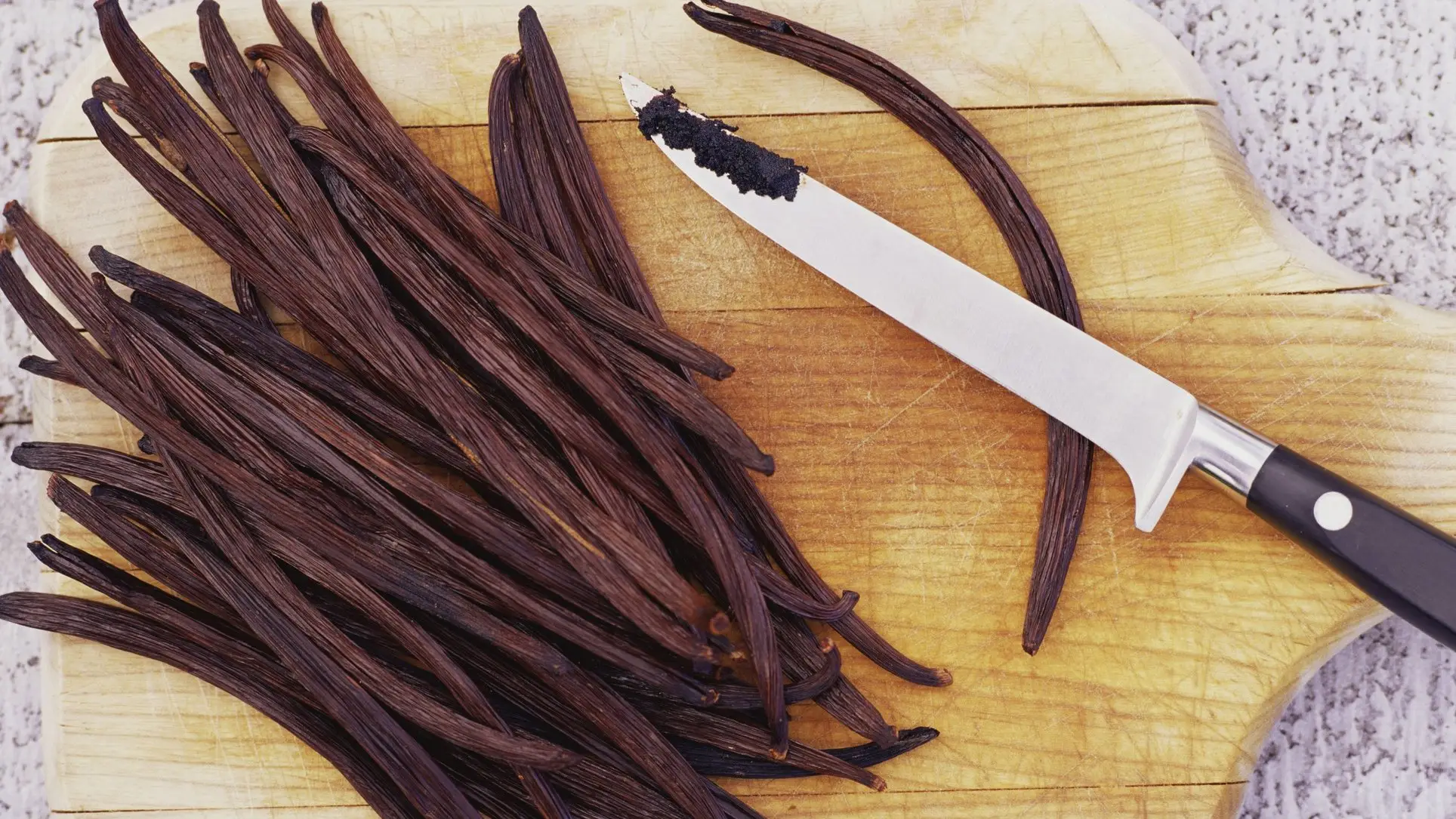
Researchers discover healing properties of vanilla

It's best known for making cakes, ice cream and biscuits taste delicious, but scientists have discovered that one of the world's favourite flavours could have a rather unexpected use.
Vanilla is one of those ingredients most of us have sitting somewhere in the kitchen cupboard, but the familiar flavour rarely gets much attention beyond dessert.
Researchers have discovered that the ingredient responsible for vanilla's distinctive taste and smell could have some surprising health benefits, in addition to making your kitchen smell lovely and welcoming.
Scientists at Flinders University in Australia have identified properties in vanillin, the main flavour compound found in vanilla, that could help treat infections, reduce inflammation and support wound healing.
Advert
The findings suggest that vanillin could eventually be used in treatments for chronic wounds, ulcers and damaged tissue.

The research, published in the International Journal of Pharmaceutics, explored how the compound's chemical properties could be used in medicine.
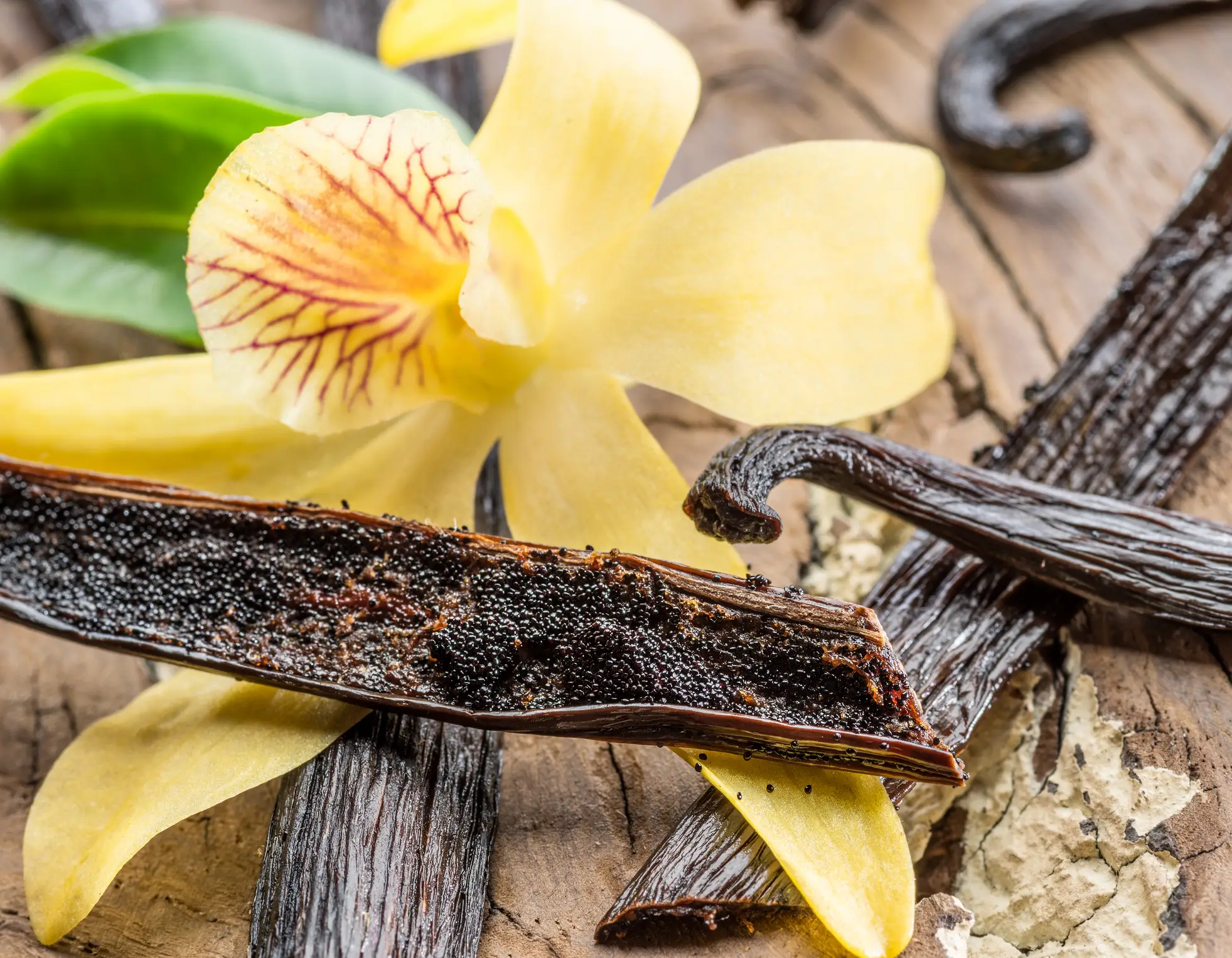
Vanillin occurs naturally in vanilla pods, and it's widely used in food production because of its sweet aroma, but researchers believe its potential extends well beyond flavouring your favourite pudding.
According to the team at Flinders University's Biomedical Nanoengineering Laboratory, vanillin has antioxidant, anti-inflammatory and antibacterial properties.
These are particularly interesting when it comes to treating wounds that struggle to heal.
Chronic wounds and ulcers can be difficult to manage because bacteria, inflammation and damage to surrounding cells can interfere with the body's natural healing process.
Vanillin could potentially help tackle several of these problems at once.
Professor Krasimir Vasilev, who led the research, explained that the compound's widespread use in food could make it an attractive option for medical applications.
"Vanillin is among the most widely used flavor compounds in the global food system, valued for its sensory attributes, chemical stability and long history of safety," he said.
He added that these qualities could be transferred to other areas, including medicine.
One particularly promising possibility involves developing specialist wound dressings that incorporate vanillin.
The compound can help connect different components within a material, making it useful for protecting wounds.
It could also help researchers develop better ways of delivering certain drugs that don't dissolve easily in water.
There's another advantage, in that vanillin is relatively cheap and widely available.
Synthetic versions can be produced in large quantities, so scientists believe vanillin-based medical products could eventually be manufactured at scale without the high costs associated with some specialist ingredients.
The researchers are particularly interested in its potential for treating ulcers and supporting tissue regeneration.
More research, including clinical trials, will be needed before scientists can establish whether these treatments are safe and effective in people.
Interestingly, this isn't the first time the Australian research team has looked to everyday food ingredients for medical inspiration.
Earlier this year, they investigated peppermint oil and developed an experimental coating designed to protect medical materials against bacteria, inflammation and oxidative stress.
That project reportedly began after Professor Vasilev noticed that chewing peppermint leaves from his drink helped soothe a sore throat.
The experience prompted him to explore whether the plant's properties could be incorporated into medical materials.
Now, the researchers hope vanillin could offer similar opportunities.
 Jen Thomas