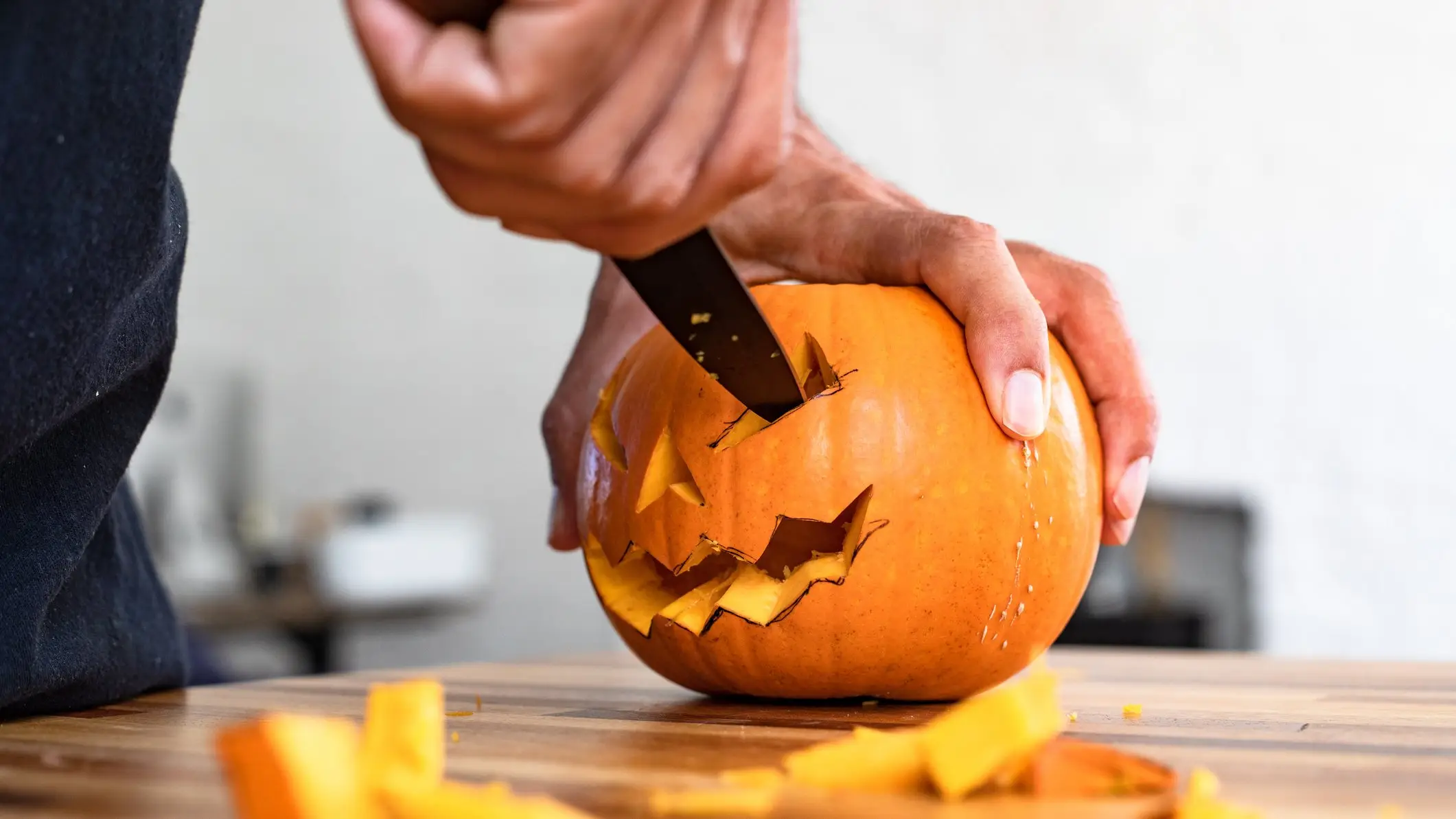
Surgeon warns of the dangers of pumpkin carving

For many families, carving a pumpkin is a harmless bit of Halloween fun.
The kitchen table gets covered in newspaper, children draw faces on the pumpkins and someone gets the gross job of scooping out handfuls of the seeds.
But for hand surgeons, the approach of Halloween brings a less cheerful tradition.
Andy Hacker is a Consultant Hand and Wrist Surgeon at Milton Keynes University Hospital, who also runs private clinics in Milton Keynes, Cambridge, Harpenden and Bedford.
Advert
“The closer we get to Halloween, the more pumpkin injuries turn up on our hand trauma lists. It happens every year,” he explains.
The problem is usually the knife, as pumpkin skin is surprisingly tough.
People tend to attack it with the same kitchen knives they use for chopping vegetables, which can turn a few minutes of seasonal fun into a serious hand injury.
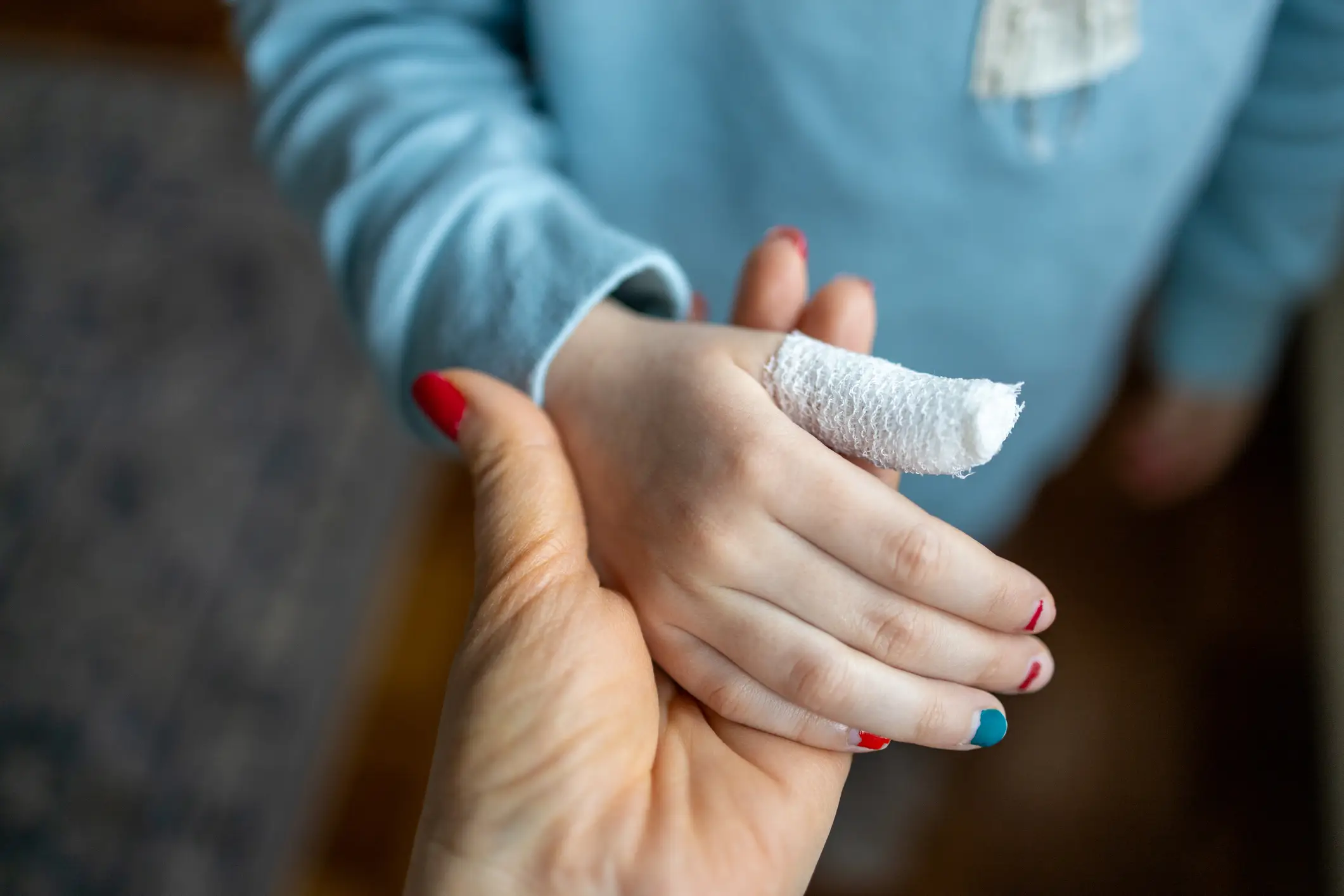
“These aren’t all little nicks. I’ve seen cut tendons, cut nerves, and deep cuts from pumpkin carving, and some of those go on causing problems long after the pumpkin’s gone in the bin,” warns the surgeon.
Sharp blades can require considerable force to get through the skin, and it only takes a second at the wrong angle while working on your masterpiece before it suddenly breaks free.
“Every cook knows a sharp knife is safer than a blunt one, with a pumpkin that goes out of the window. You lean on the knife to get through the skin, it suddenly gives, and a good chef’s knife goes through your hand just as easily,” says Hacker.
There is another common mistake, to do with how people hold the pumpkin: “Most people steady the pumpkin with their other hand round the far side, which is exactly where the blade comes out. You’d never chop an onion like that,” says the consultant.
Pumpkin carving often happens in the middle of a busy family evening, too: “It isn’t really cooking. It’s an evening event with excited children, a glass of wine and a deadline. People don’t rush a stew, but they do rush a pumpkin.”
One of the best things to invest in is a proper pumpkin-carving tool.
“Buy a proper carving kit, the little serrated saws, and saw gently. Surgeons actually tested them against kitchen knives on donated hands back in 2004, the saws still did some damage, but a lot less.”
Isn’t science fun?
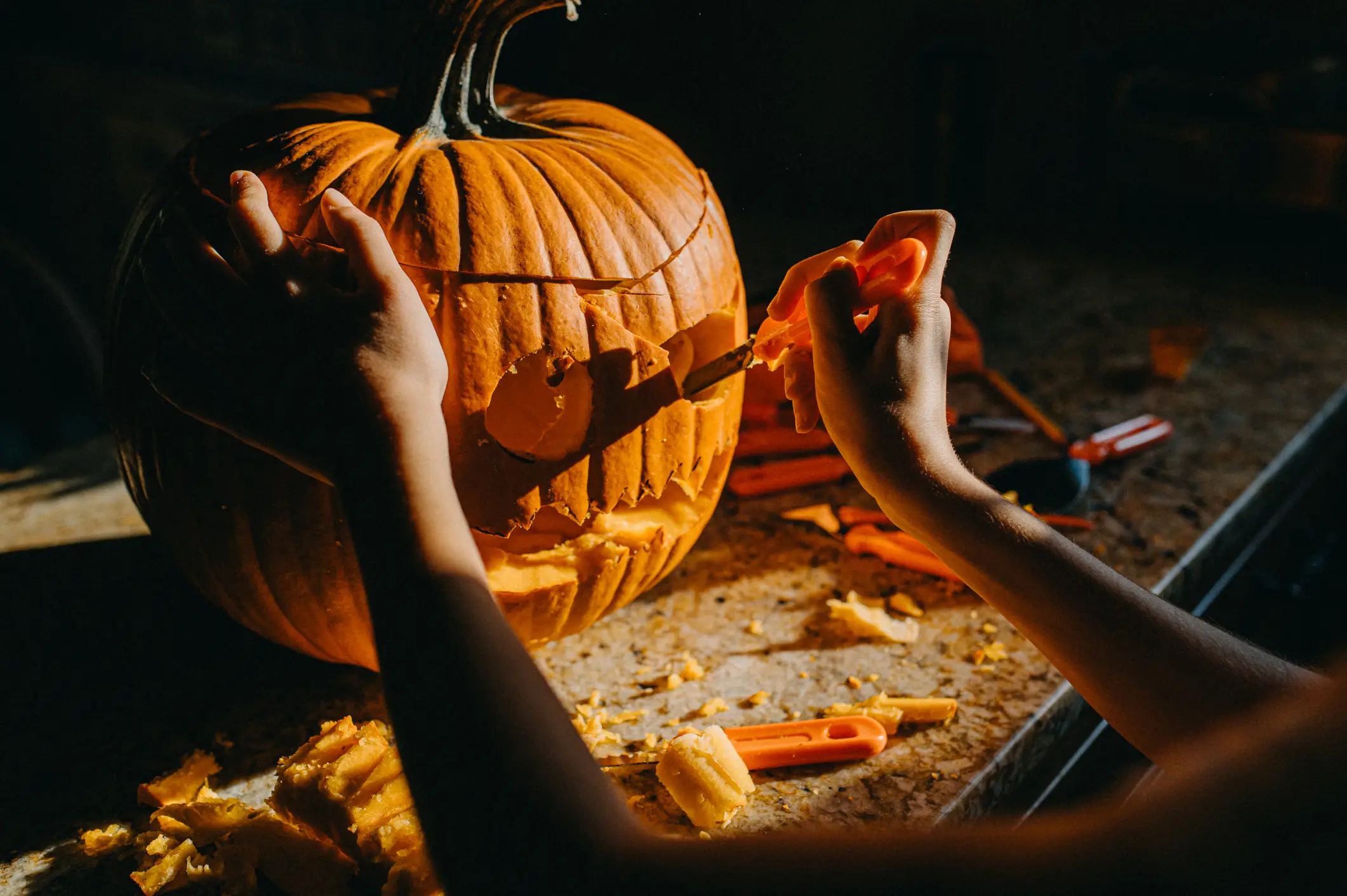
Hacker says the most important warning sign is resistance: “If you find yourself pushing hard, stop. That’s usually the moment it slips.”
If the worst does happen and you manage to catch yourself while carving, you might think it’s okay if there’s only a drop or two of blood: “The bleeding usually isn’t what worries me. It’s what’s underneath. A tendon is like a bike brake cable: cut it and the lever still moves, but nothing happens at the wheel.”
“There are two checks you can do at the kitchen table. Can you bend the tip of the finger? And does each side of the fingertip feel the same as on the other hand? If the answer to either is no, get it seen that day,” urges Hacker.
“Tendons and nerves do much better if they’re repaired in the first few days. The ones I worry about are the people who put a plaster on it and turn up a month later.”
In the US, research revealed emergency departments see around 2,000 knife-related pumpkin-carving injuries each year.
The hand accounts for 88 percent of cases, and almost half occur during the final week of October, with October 30 being the busiest day.
For anyone planning to carve this year, remember Hacker's advice to keep you out of A&E when you should be celebrating: slow down, use the right tool and keep the hand holding the pumpkin well clear of the blade.
 Jen Thomas