
Expert warns you should never drink coffee with any of these six medications

For millions of people, the first drink of the day is as automatic as reaching for the phone.
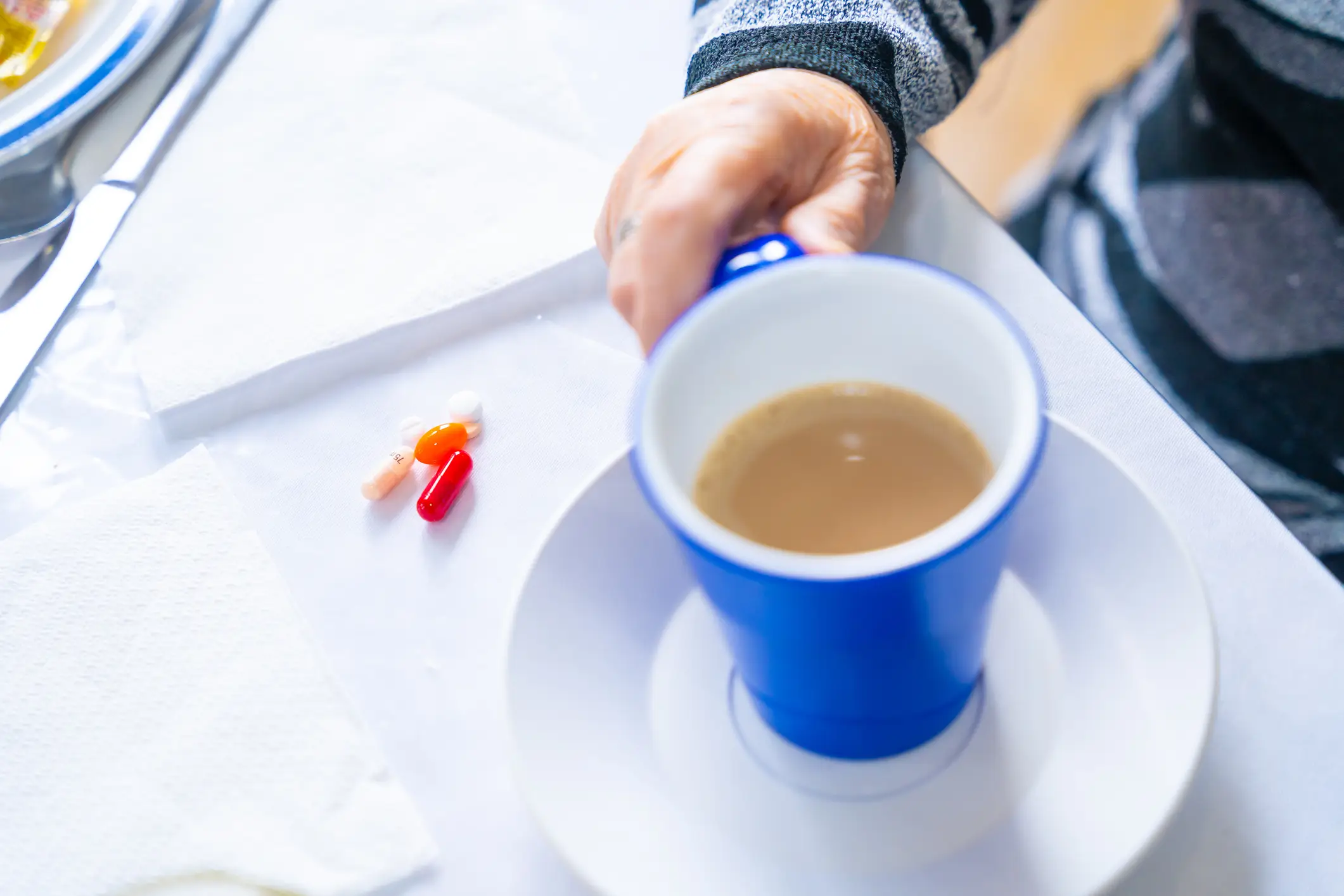
However, if you also take medication in the morning, that innocent-looking mug of coffee may not always be the best companion.
A pharmacist has warned that coffee can affect the way some medicines are absorbed, while the caffeine content can make certain side effects more noticeable.
The advice does not mean everyone taking these drugs has to give up coffee altogether.
Advert
In some cases, it is simply a question of leaving enough time between the tablet and your caffeine hit.
Abdal Alvi is pharmacist and chief clinical officer at Simple Online Pharmacy, and told The Sun that coffee ‘should not automatically be used to wash tablets down’.
Here are six medicines that deserve particular attention during your morning routine.
Levothyroxine
If you have an underactive thyroid and take levothyroxine as part of your treatment, the advice is to take it on an empty stomach and leave at least 30 to 60 minutes before breakfast or a caffeinated drink.
The NHS says coffee can interfere with how well the medicine is absorbed, meaning regularly taking the tablet alongside your morning brew could make it harder to keep thyroid hormone levels under control.
Consistency matters, so don't suddenly change your routine without speaking to a pharmacist or doctor.
Iron tablets
Coffee and iron supplements do not go well together.
The NHS advises leaving a two-hour gap between taking ferrous sulfate and drinking tea or coffee because these drinks can make it harder for the body to absorb the iron.
Research backs that up.
A 2023 study in women with depleted iron stores found that coffee reduced absorption of an iron supplement by 54 per cent compared with taking it with water.
Pseudoephedrine and decongestants
This one is less about absorption and more about the effects of caffeine itself.
Pseudoephedrine is found in some cold and flu medicines and can raise heart rate and blood pressure.
The NHS specifically warns people taking it to reduce caffeine, warning that coffee and other caffeinated drinks can increase the chance of feeling shaky or developing a fast heartbeat.
There is no fixed waiting period, but if pseudoephedrine leaves you feeling jittery or affects your sleep, cutting back on coffee is sensible.
Alendronic acid for osteoporosis
Alendronic acid, commonly prescribed to prevent and treat osteoporosis, is another medicine that needs to be taken with plain water.
NHS guidance says coffee, tea, milk, juice and even mineral water can interfere with absorption. The tablet should be taken on an empty stomach with tap water, followed by a wait of at least 30 minutes before eating or drinking anything else. (nhs.uk)

Wegovy tablets
The newest addition to the list is the Wegovy pill, which was approved for weight loss in the UK earlier this year.
Unlike the weekly injection, the tablet has very specific instructions.
It must be taken after an overnight fast with a small amount of plain water.
Patients then need to wait at least 30 minutes before eating, drinking coffee or taking another oral medicine.
The MHRA says drinking sooner can reduce how much semaglutide is absorbed.
Alvi told The Sun: “Taking the pill with coffee or breakfast could affect how much medicine the body absorbs.”
Ephedrine for blood pressure
The final medicine is a particularly serious one, although ephedrine is a rare one.
Jacquie Lee, medication safety officer and information pharmacist at Numark, told The Sun that combining ephedrine with caffeine has been linked to ‘hypertensive crises’ and ‘subarachnoid haemorrhages’.
She advised that caffeine should be avoided by patients taking the drug.
Clinical interaction data also identifies the combination of ephedrine and caffeine as potentially dangerous because both can have stimulant effects.
If you're unsure about any of your medications, always ask a pharmacist.
 Jen Thomas