
The rare ‘disease of kings’ that’s plaguing young people

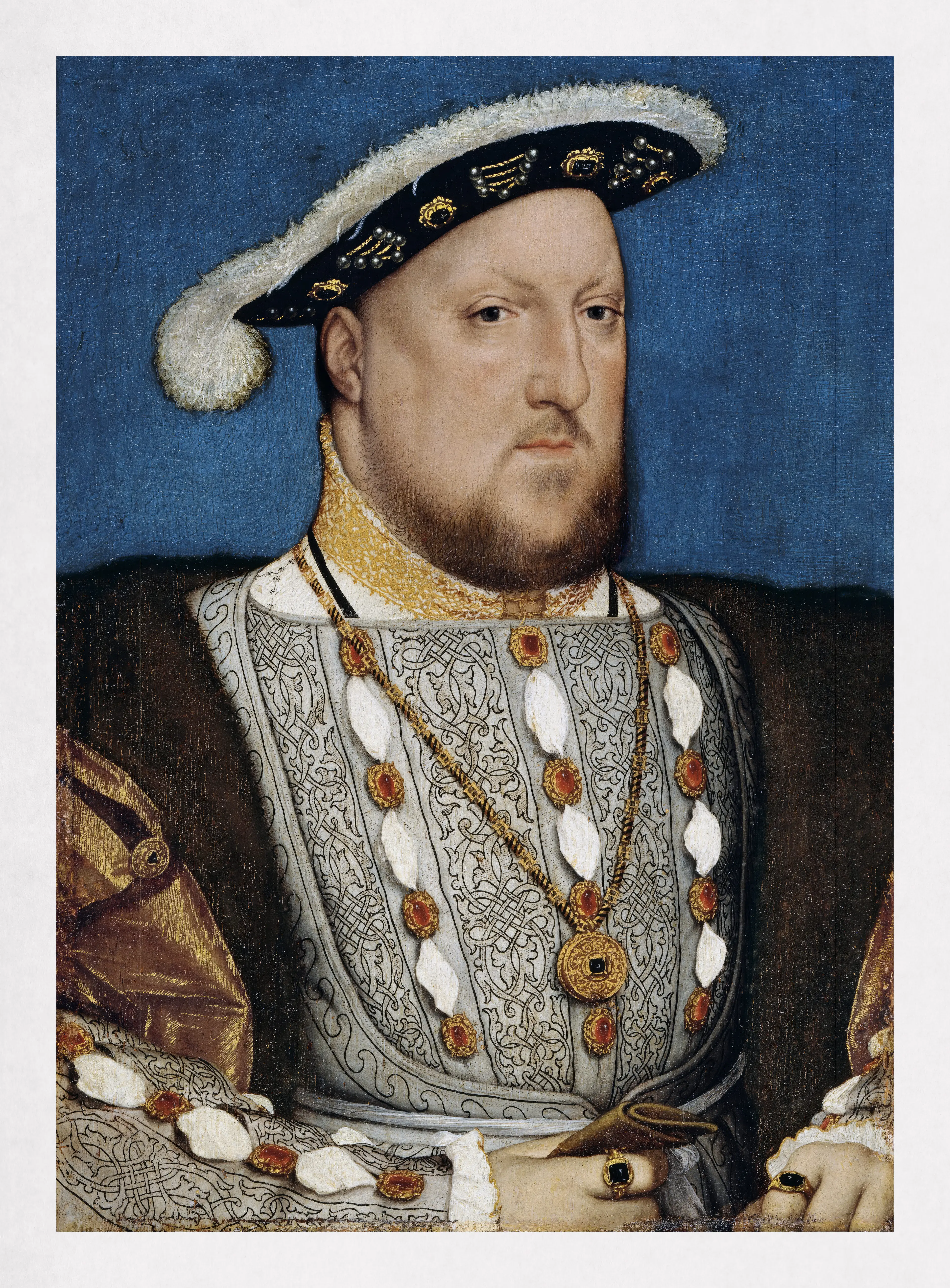
Young people are suffering from a historic illness once thought to be reserved for rich, famous aristocrats, with King Henry VIII often touted as one of history’s most famous sufferers.
When it comes to health, experts often honk the horn on conditions that a lack of fibre in our diets can cause, the scary connection between brain fog and ultra-processed diets, and exactly what happens to your body when you fast for long periods.
But did you know your daily diet of organ meats and high-sugar drinks could be causing that niggling pain in your big toe?
Research suggests that the potential reason your joints are suddenly and frequently spiking in pain is because of gout—and it’s on the rise among young people.
Advert
It’s believed that among 10 to 24-year-olds, cases have risen by around 20 percent in recent decades. And when 2050 rolls around? Experts suggest there will be a 70 percent increase in global gout cases.

Famous gout sufferers include King Henry VIII, ITV presenter Josie Gibson, and Jared Leto, who was temporarily wheelchair-bound from foot pain after gaining weight to star in Chapter 27.
What is gout?
Often described as the ‘disease of kings’, gout is an inflammatory arthritis that causes your joints to swell and become painful.
It is caused when the body produces too much uric acid or the kidneys fail to filter it out fast enough. This process is called a ‘metabolic disorder’, as per Oxford University Hospitals.
Symptoms usually come and go, and are often described by health officials as ‘gout flares’ or ‘goat attacks’.
“Your immune cells flood into that joint and release inflammatory chemicals. That causes the acute attack: sudden pain, swelling and sometimes an inability to move the joint or put weight on it,” Dr Animesh Singh, consultant rheumatologist at HCA Healthcare UK’s The Physicians’ Clinic, told Men’s Fitness.
During these painful periods, you are likely to experience intense pain and tenderness in the big toe, stiffness, swelling, and skin discolouration.
Other joints where you can experience gout symptoms include the knees, ankles, feet, hands, wrists, and elbows, according to the Cleveland Clinic.
What food causes gout?
Experts at Oxford University Hospitals wrote that those who experience high uric acid levels are likely to have high cholesterol and triglyceride levels, as well as poor blood glucose control and high blood pressure.
High-purine-content foods are often the main cause of gout.
Usually, this includes organ meat, alcohol, and high-fructose corn syrup found in ultra-processed sweet treats and beverages, according to a study published in The Reheumatic Disease Clinics of North America.
Gym-goers who follow ‘restrictive routines’, such as a carnivore diet or intermittent fasting, may also find that they are more susceptible to the historic medical condition, as per Dr Singh.
Experts are currently studying the role of insulin resistance in uric acid build-up, as well as how sedentary lifestyles, which are on the rise among adolescents, may play a part alongside genetics.
How to avoid gout?

To avoid suffering from pain in your joints, doctors at Boots suggest: hydrating adequately throughout the day, aiming for two litres of water; reaching for lower-purine proteins, such as eggs, tofu, and beans, a favourite of those who live in Blue Zones; and limiting alcohol to no more than 14 units a week, possibly pursuing alcohol-free days.
Exercising regularly and keeping your body weight at a healthy average may also help you tackle your gout—but doing all of those things ‘does not mean that your gout is going to go away’, according to Brian Mandell, a rheumatologist with the Cleveland Clinic and a member of the Gout Education Society’s board of directors.
The expert told Men’s Health Magazine that gout ultimately requires professional medical care as treatment ‘gets complicated very quickly because of all the associated comorbidities’.
Your doctor may also prescribe colchicine, an anti-inflammatory medicine that stops uric acid crystals in the joints.
Other medications, including allopurinol, may also reduce the production of uric acid.
Dr Singh warned that anyone whose joint suddenly becomes severely painful and swollen should seek an urgent GP appointment or contact NHS 111.
 Ella Scott