New report finds UK is 'seriously underprepared' for emergencies with 'limited stockpiles'

Britain could face empty supermarket shelves during a major emergency, with a new report warning that the country is dangerously reliant on overseas supplies of essential food and medicines.
The stark assessment comes from the House of Lords National Resilience Committee, which says the UK is 'seriously underprepared' for threats including cyberattacks, extreme weather and disruption to critical infrastructure.
Published on Monday 16 November, the report warns that limited stockpiles and a lack of domestic production leave the country exposed if international supply chains are interrupted.
It calls on ministers to take action urgently, rather than assuming that essential goods will always be available to buy.
Advert
One of the most concerning scenarios is how quickly a seemingly isolated incident could affect everyday life.
Baroness Jean Coussins, chairwoman of the committee, said: “A cyber-attack can quickly morph into a power cut, then a shutdown of transport, then empty food shelves in the shops.”

It is a reminder that food security is not simply about whether supermarkets have enough stock on an ordinary day.
If transport networks, electricity supplies or communications are disrupted, getting food from suppliers to shops could become much harder.
The committee said the UK's national resilience was 'seriously undermined by its limited domestic production and stockpiles of vital products, including food and medicines'.
It warned that this leaves the country “dangerously exposed” to problems in global supply chains.
The report also highlighted the UK's dependence on imported medicines, noting that the country no longer has any domestic manufacturers of antibiotics.
While certain medicines are covered by an eight-week buffer stock requirement, peers questioned whether this would be enough during prolonged disruption.
Among its recommendations, the committee wants the Government to strengthen domestic production and strategic reserves of essential supplies, including food and agricultural inputs.
It also wants a dedicated Cabinet minister responsible solely for national resilience, alongside a clearer strategy for preparing for emergencies.
The warnings arrive as households are being encouraged to make their own preparations.
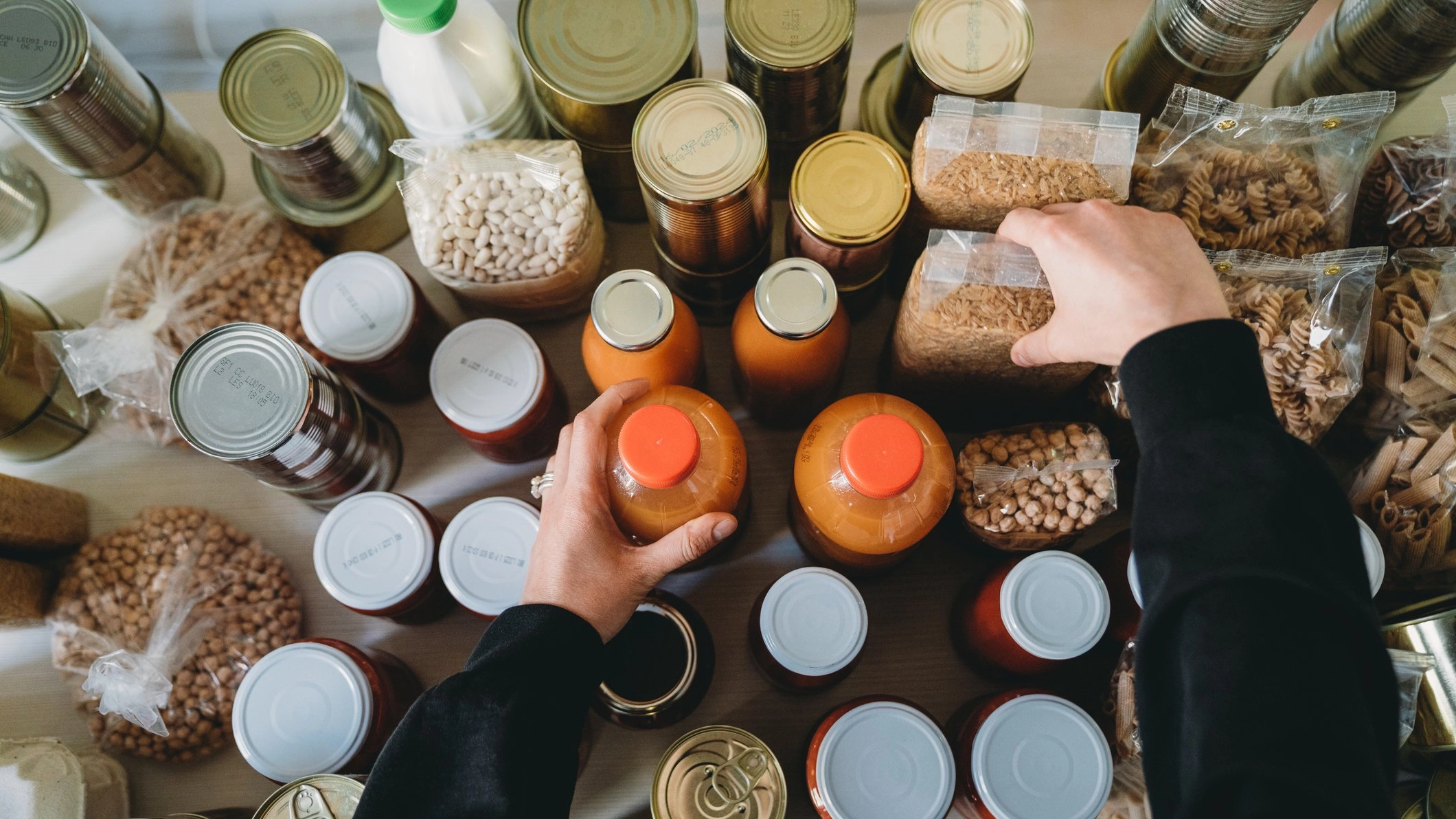
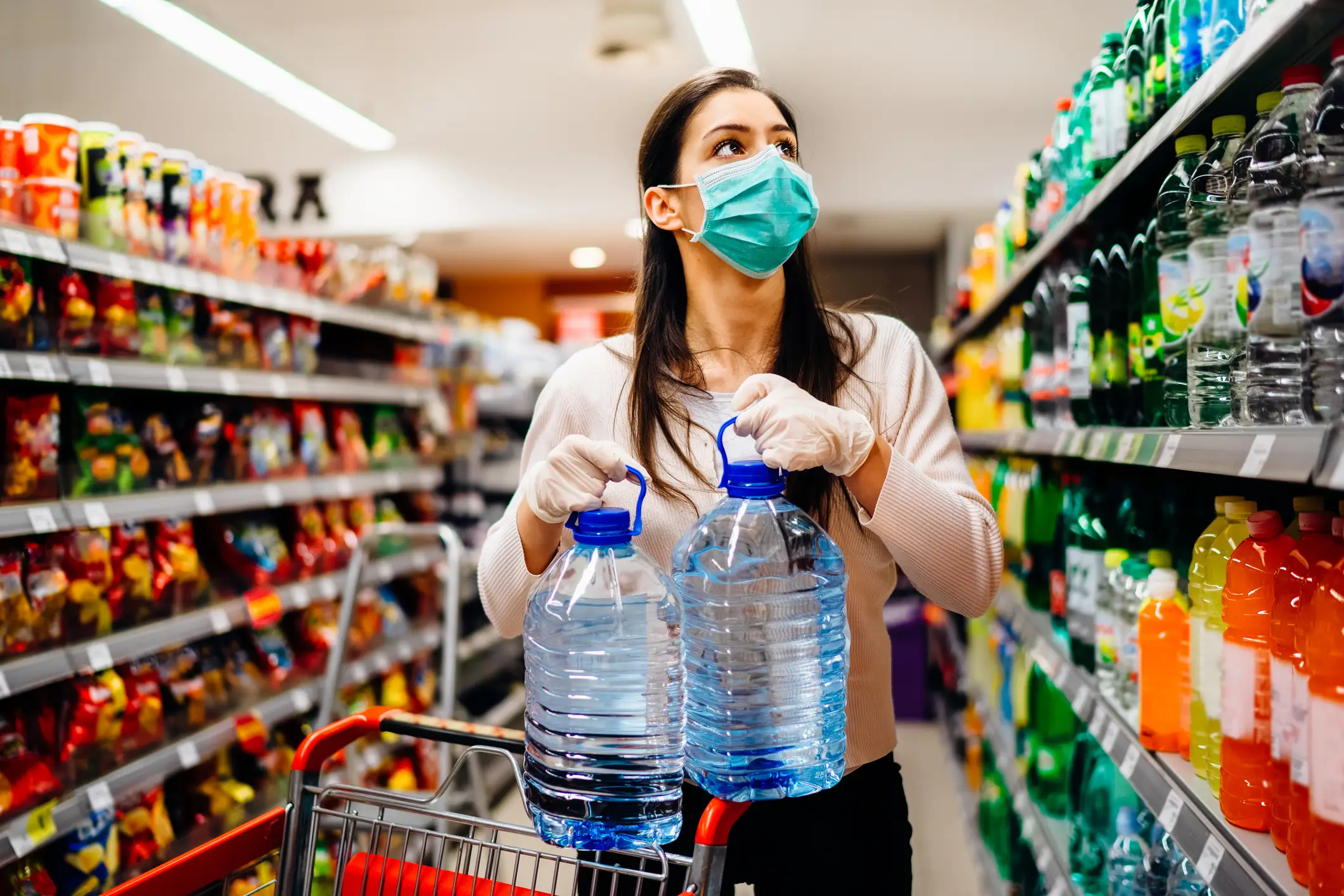
The Government's Be Ready campaign advises people to keep a three-day supply of essentials at home, including bottled water, tinned food and cash, in case everyday services are disrupted.
However, the report makes an important distinction: asking families to prepare does not remove the need for the country itself to be better prepared.
The committee welcomed the campaign but urged ministers to be more open about the risks people could face.
Baroness Coussins said: “Evidence shows that the public would be reassured, not alarmed, by candid information."
"People are more than willing to step up in an emergency but less clear why and how.”
There are practical considerations for anyone putting together a small food reserve, too.
Experts have warned against relying on fresh meat, dairy and vegetables, which can spoil quickly, or frozen meals that may become unsafe if the electricity goes off.
Instead, long-life options such as tinned vegetables, fruit, fish and meat are more suitable.
Long-life milk is another useful cupboard staple.
Dried pasta and pulses can last a long time, but they need water and cooking facilities, which may not be available during an outage.
Food hygiene consultant James Miller told The Independent that perishable foods have a short shelf life and buying more than a household can use can lead to waste.
He also advised keeping shelf-stable supplies in a “cool, dry, dark place”.
The Government said it would carefully review the committee's report, adding that it was already working across government and society to improve resilience.
A Cabinet Office spokesperson pointed to the Be Ready campaign, a planned major home defence exercise and more than £1 billion of investment in pandemic security.
 Jen Thomas