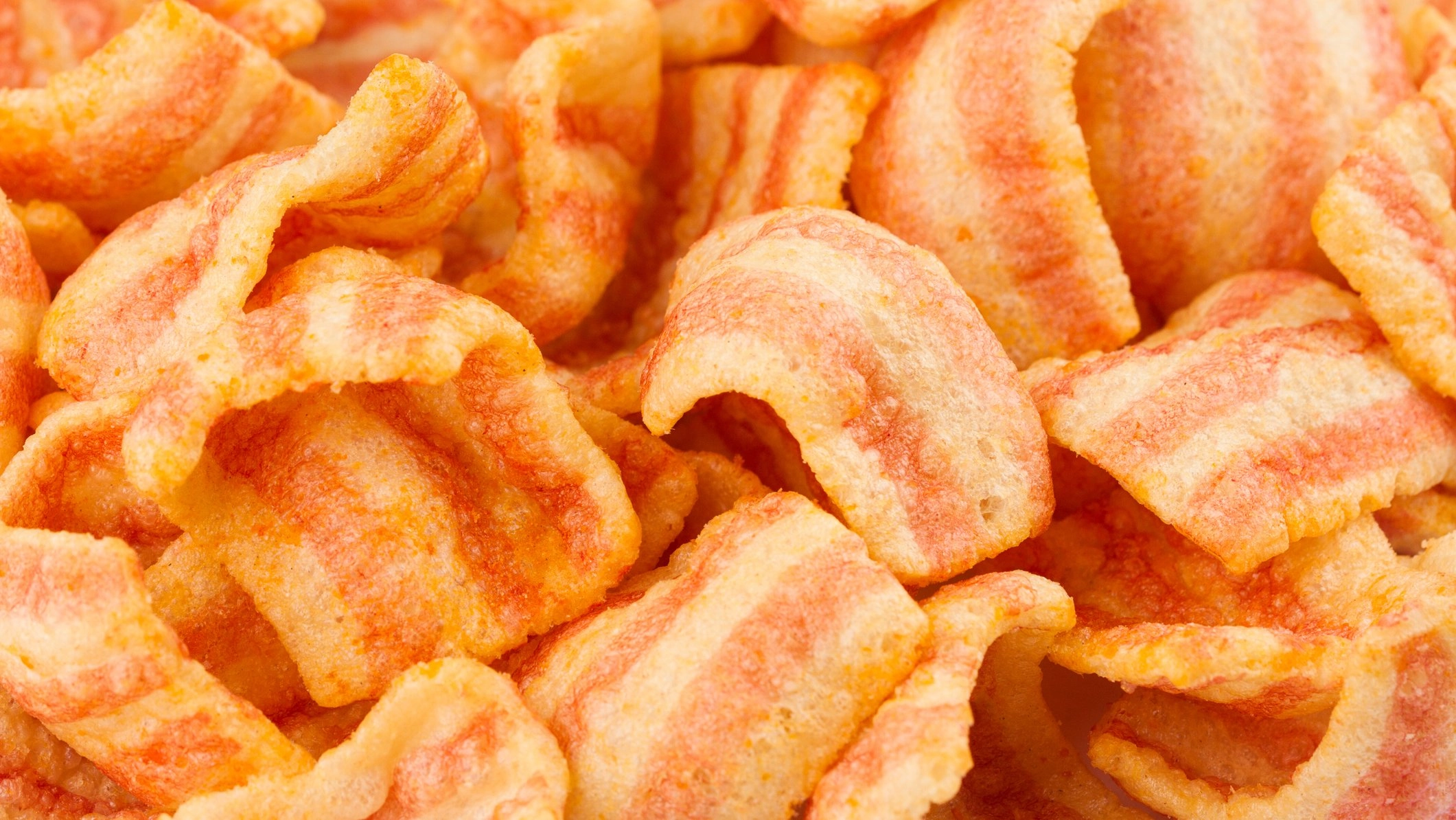
Smoky bacon crisps might disappear from UK shelves after new EU deal

Fans of smoky bacon crisps might want to enjoy their favourite snack while they still can, as a new agreement between the UK and EU could spell big changes for some familiar supermarket favourites.
The proposed rules could mean products such as Walkers Smoky Bacon crisps, chicken-flavoured crisps and even certain varieties of Pot Noodle would have to change their names or recipes.
It's all down to a row over what food manufacturers are allowed to call products that don't actually contain any meat.
The changes form part of a wider UK-EU food and drink agreement, designed to make trading between the two easier by bringing British food standards closer in line with European regulations.
Advert
However, while the deal could bring benefits for food producers and shoppers, not everyone is convinced that restricting the names of popular vegetarian products is necessary.
Why could smoky bacon crisps disappear?
The potential change is a result of proposed European rules that would prevent plant-based foods from using certain meat-related names.
Under the plans, words including bacon, beef, chicken, steak, ribs, and fillet could no longer be used to describe products that don't contain the named meat.
That could cause problems for some of Britain's best-known snacks.
Most smoky bacon crisps, for example, get their distinctive flavour from seasonings and flavourings rather than actual bacon.
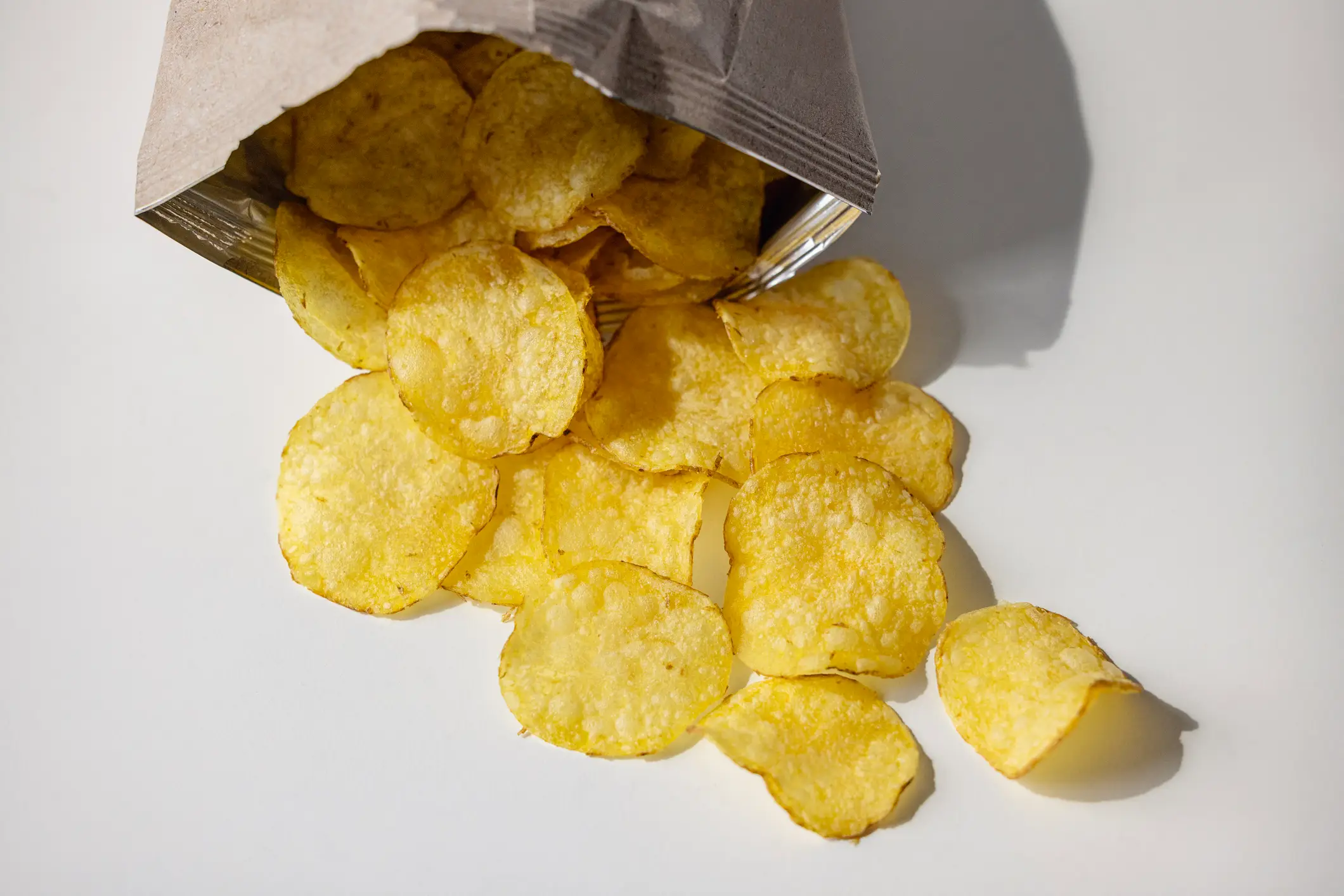
The same applies to many chicken-flavoured crisps.
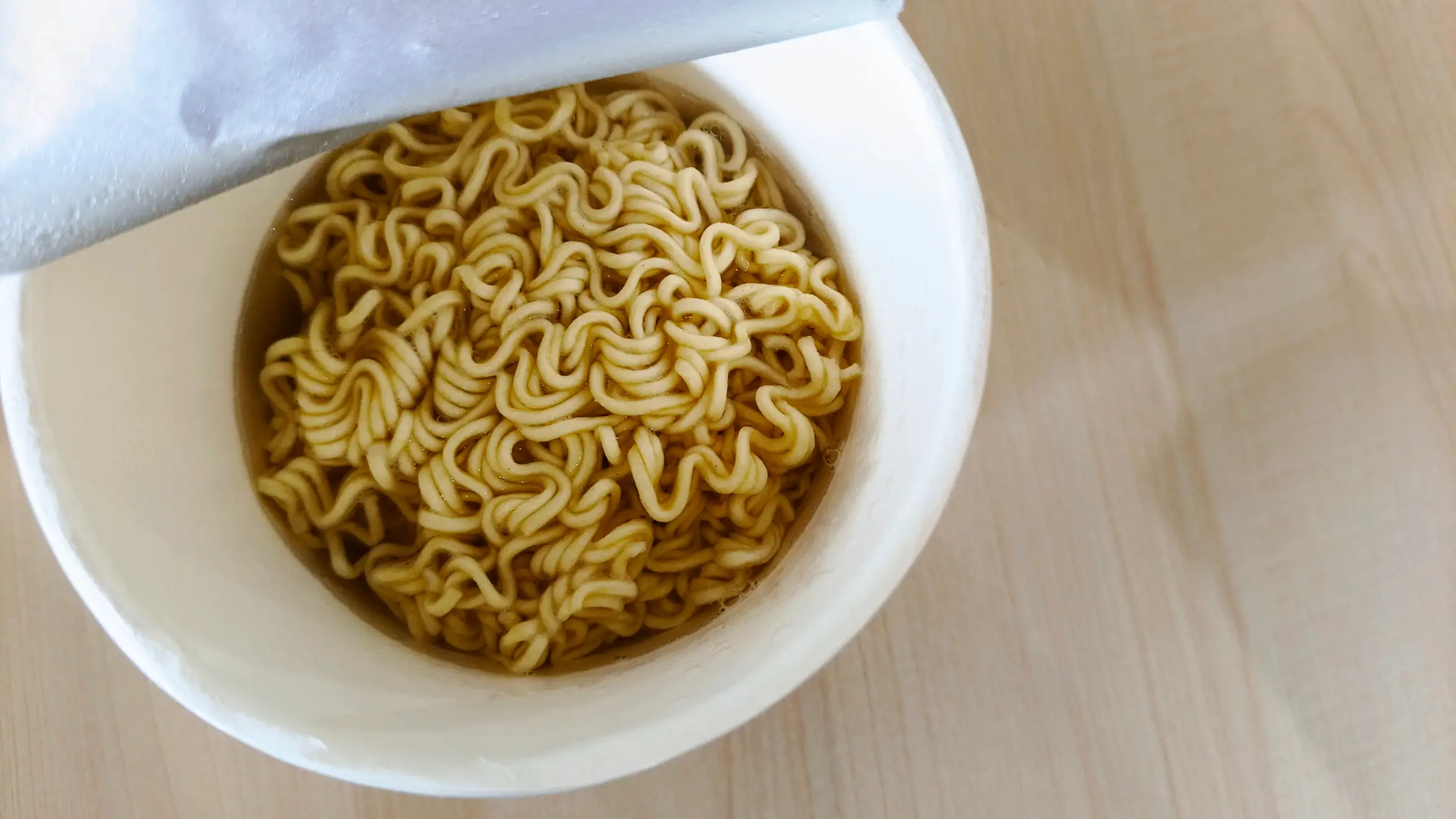
Vegetarian products such as Quorn Peppered Steaks and Linda McCartney's vegan shredded chicken could also be impacted, alongside meat-free Pot Noodle varieties.
Manufacturers would potentially have two options: come up with entirely new names for their products or change their recipes to include real meat.
The latter would obviously be a problem for shoppers who buy these products specifically because they're vegetarian.
It could also mean higher production costs and changes to how long certain products can be stored.
Not everyone agrees with the proposed changes
The plans have attracted criticism from campaigners who believe shoppers understand perfectly well what terms such as 'smoky bacon flavour' mean.
Claire Ogley, head of campaigns, policy and research at The Vegan Society, told Metro: "There is no evidence to suggest people are confused by commonly used food names."
She added: "They weren't confused by 'vegan sausages' or 'plant-based burgers'… and they aren't confused by crisp flavours now."
Claire also questioned how the changes would affect familiar products, joking: "Might 'Flame-Grilled Steak Flavour' become 'Plant Protein Slab Taste'?"
She described the proposals as unnecessary and warned that forcing manufacturers to redesign product packaging and labelling could prove expensive, with those costs potentially being passed on to shoppers.
The Food and Drink Federation has also raised concerns, despite supporting the wider UK-EU agreement.
Its chief scientific officer, Kate Halliwell, warned that the new arrangements would require British businesses to follow European food legislation, including rules developed after Brexit without UK involvement.
She said: "There's a risk this specific policy could stifle growth in the UK's plant-based sector, while bringing little benefit for consumers."
Could there be an exception for crisps?
There is, however, a potential lifeline for some of Britain's favourite snacks.
The European Snacks Association has reportedly sought clarification over whether meat-related flavour descriptions should be treated differently from products designed to imitate actual meat.
An amendment has also been proposed that could exempt certain products, including crisps, from the restrictions.
This means smoky bacon crisps might not necessarily disappear or even need a name change. However, the final position has yet to be confirmed.
The proposed restrictions are expected to take effect after August 2029, giving manufacturers time to prepare for any changes.
What does the UK-EU deal mean for shoppers?
The agreement is intended to reduce paperwork, border checks and other trading complications between Britain and the EU.
The Government believes closer alignment on food standards could boost the UK economy by up to £5.1 billion a year.
Environment Secretary Dame Angela Eagle has also defended the proposals, telling Times Radio that people angry about the potential restrictions should 'get a life'.
Whether shoppers agree is another matter.
For now, there's no need to rush out and stockpile your favourite crisps. The products aren't being immediately banned, and an exemption could still be agreed.
But if the proposals go ahead as currently planned, the supermarket shelves of the future could look a little different – and some familiar snack names might become a thing of the past.
 Jen Thomas