Major study review finds not all trans fats are bad

Trans fats have long been considered bad news for our health, but a major new study suggests that some of them might not be as harmful as previously thought.
When it comes to healthy eating, we're constantly being told which foods we should be avoiding.
One minute something is good for you, the next it's apparently terrible, and keeping up with all the advice can feel like a full-time job.
Trans fats, however, have had a particularly bad reputation for years, largely because of their links to heart disease and other serious health problems.
Advert
But new research from the University of Reading has found that not all trans fats appear to carry the same risks.
There’s potentially some reassuring news for anyone who enjoys a bit of cheese, butter or yoghurt.
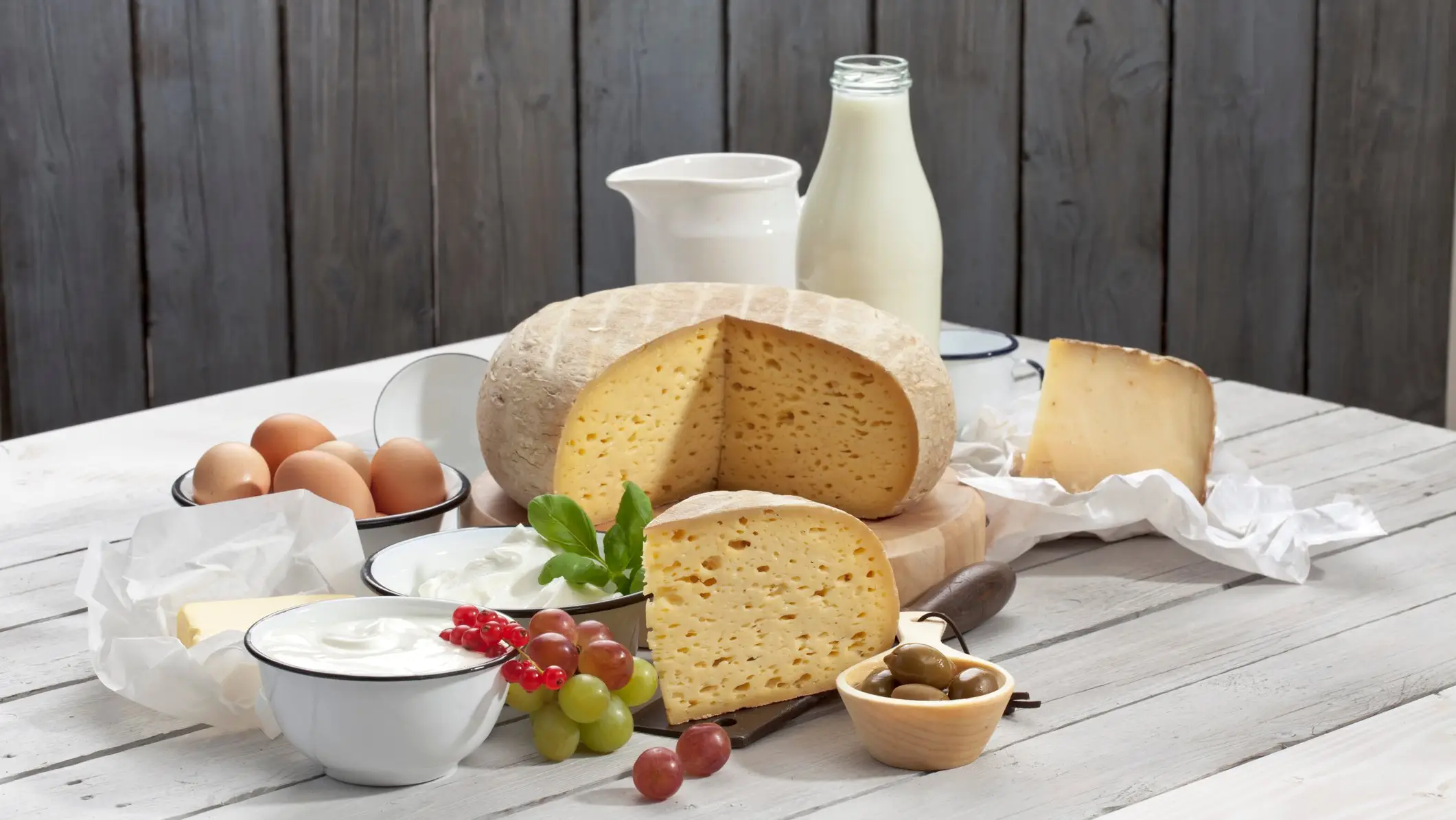
A major review of 22 studies has found that naturally occurring trans fats in dairy products do not appear to increase the risk of heart disease or type 2 diabetes.
The findings, published in the scientific journal Nutrition Research, suggest there's an important difference between the trans fats found naturally in dairy foods and those produced through industrial processes.
Researchers examined evidence involving thousands of people across Europe, Canada, and the United States to understand how different types of trans fats affect the body.
Trans fats are a type of unsaturated fat that can occur naturally in foods or be created during food manufacturing.
Natural trans fats are found in the milk of animals such as cows, sheep and goats, meaning they're present in everyday dairy products including cheese, butter, milk and yoghurt.
Industrial trans fats, meanwhile, can be produced when oils undergo a process called partial hydrogenation, which turns liquid oils into more solid fats.
These industrial fats have been strongly linked to an increased risk of heart disease, which is why health authorities have spent years trying to reduce their presence in food.
However, the latest research suggests naturally occurring dairy trans fats shouldn't necessarily be treated in the same way.
The scientists analysed two different types of studies to reach their conclusions.

The first involved 10 controlled dietary trials, where participants consumed dairy products containing increased levels of natural trans fats.
Researchers then compared their blood fat levels with those of people consuming regular dairy products.
Across all 10 trials, there were no meaningful differences in the blood fat markers commonly used to assess heart disease risk.
The second part of the review examined 12 long-term studies that followed thousands of participants, in some cases for more than 20 years.
These studies looked at levels of dairy trans fats in people's blood and whether they were associated with health problems later in life.
Researchers found that higher levels were not linked to an increased risk of heart disease, stroke, cardiovascular death or type 2 diabetes.
Professor Ian Givens, one of the study's lead authors from the University of Reading, explained why the findings are significant.
"People hear the words 'trans fats' and assume the worst, but the trans fats in your morning milk, yogurt, butter or cheese are not the same as the ones from industrial partially hydrogenated fats," he said.

"This research should give people reassurance that dairy, eaten as part of a balanced diet, is not something to worry about for your heart."
However, that doesn't mean you should suddenly start eating unlimited amounts of cheese and butter.
The research specifically examined naturally occurring trans fats in dairy, rather than the overall health effects of consuming large quantities of dairy products.
It also doesn't change existing concerns about industrial trans fats, which remain associated with cardiovascular disease.
While the long-term studies found no increased risk, observational research cannot prove that a particular food or nutrient has no harmful effects.
The findings could nevertheless help shape how trans fats are discussed in dietary advice and on food labels.
While it's still worth paying attention to the types of fat in your diet, the latest evidence suggests that the trans fats naturally found in your morning yoghurt or favourite cheese aren't necessarily something to fear.
 Jen Thomas