
The 'anti-UPF movement' is making butter, cheese and dairy desirable again

Long-demonised delights such as Greek yoghurt, cottage cheese, and unprocessed butter are all back in the spotlight, with experts hailing them as ‘the new health foods’—but what’s really driving the sudden dairy boom?
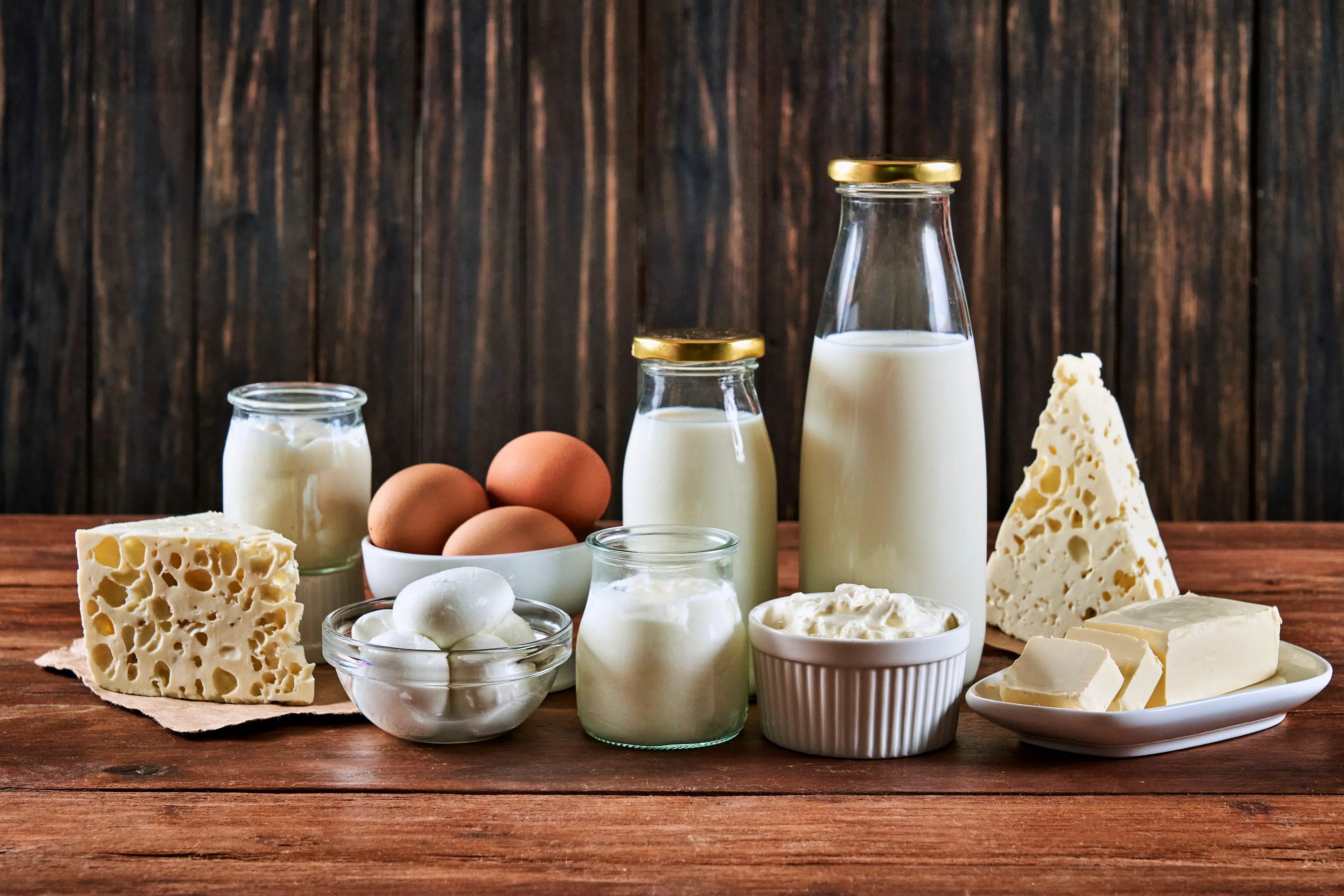
The British Heart Foundation hails animal-derived products like milk and cheese as excellent sources of calcium, as they support bone health, muscle growth, and overall bodily function.
At the same time, the British Dietetic Association reports that they’re great for boosting your vitamin B12, potassium, and zinc levels, which support energy metabolism and nervous system function.
“Cottage cheese is one of my favourite high-protein staples because it is so versatile; I almost need to stop myself using it in everything at the moment,” said Gen Z’s favourite nutritionist, Emily English.
Advert
“It is one of the easiest ways to add protein and make meals more satisfying, which is such a big part of what helps healthy eating feel easy rather than effortful."
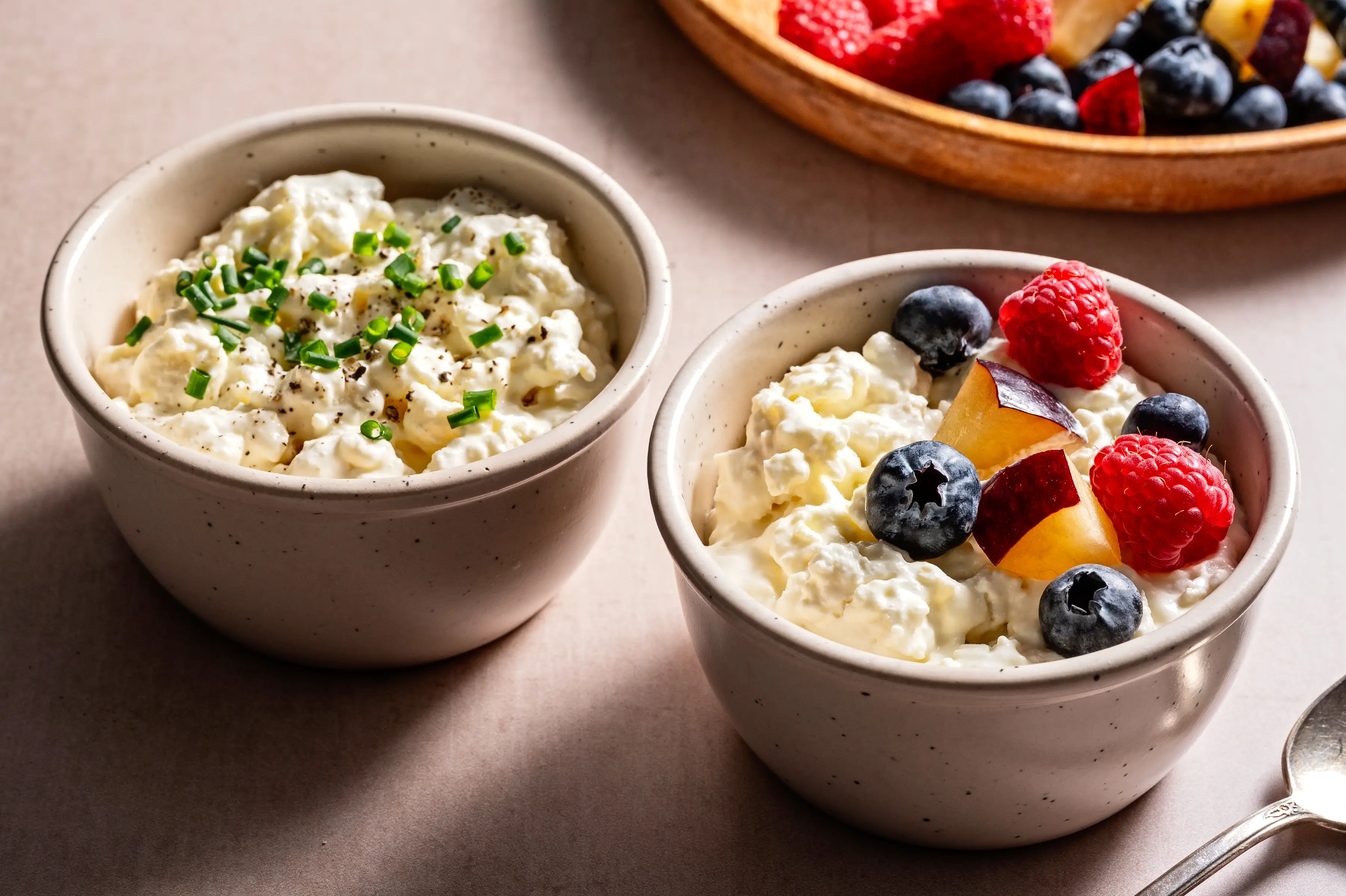
Despite the praise and documented health benefits—including excellent dental health, lean muscle gain, and fat loss—dairy is often afforded the cold shoulder.
The health division on dairy
Dietary guidelines have cautioned against excessive consumption due to high saturated-fat content, while health officials have made conflicting claims about dairy’s effects on bone health and its impact on certain diseases, including cancer.
Plus, there are also environmental factors to take into account; dairy uses almost triple the greenhouse emissions of plant-based alternatives like soya milk and vegan cheese, as reported by the BBC.
However, it seems like the tide is finally changing, with Heidi Reeder, director at Allan Reeder, claiming dairy’s resurgence could be down to social media.
“The speed at which trends now emerge is incredible,” she told The Caterer.
“Products that are higher in protein have found new audiences through social media, creating an increased interest across all hospitality sectors.
“We’ve seen the same effect with matcha, which has quickly moved from a niche product to featuring on many coffee shop and café menus.”
She added that consumers are not only picking foods that look good on the Gram, but ‘align with wellness trends’, such as high-protein diets.
“People view butter as a natural food”
Statistics provided by HRA Global claim that around 75 people in the UK report eating more protein now than they did a year ago—and many are reaching for simple ingredient dairy sources, like unprocessed butter.
“Chefs and consumers want to understand where ingredients come from, how they are produced and the story behind them,” Reeder said.
“That’s why we work closely with the British dairy farms that supply us, regularly taking chefs to the farms so they can meet producers first-hand and gain a deeper understanding of the people, standards and farming practices behind the products they use.”
Morwenna Ferrier, fashion and lifestyle editor at The Guardian, questioned whether our ‘little treat economy’ and the anti-ultraprocessed-food movement were the reason why we were reaching for rich, indulgent dairy items more often.
“UPFs have been linked to poor health, including obesity, type 2 diabetes and heart disease,” agreed Tracy Parker, a registered dietitian and an adviser for the British Heart Foundation. “[But] people view butter as a natural food and therefore better than, say, margarine.”
But Parker warned that even though dairy is trending, it doesn’t mitigate associated health risks, especially where unprocessed butter is concerned.
Heart health advice on dairy ‘hasn’t changed’
“The heart-health advice hasn’t changed,” she informed the publication.
“If you’ve got high cholesterol, or your diet already leans heavily on saturated fat – think fatty meats, pastries, cakes, biscuits – then you should probably reconsider how much you’re eating and whether you could swap it for something like olive, avocado or nut oil.”
However, she added that a ‘light scrape on your morning toast’ probably wouldn’t do too much harm.
 Ella Scott