Doctor issues warning over protein-maxxing trend that could cause painful health problems

A doctor has issued a warning over the viral ‘protein-maxxing’ trend, amid concerns that some people may be eating far more protein than their body actually needs.
Protein has become one of the biggest wellness buzzwords in recent years, with high-protein versions of yoghurts, shakes, bars, cereals and snacks now a familiar sight on supermarket shelves.
On the other hand, whilst protein is an essential part of a balanced diet, experts have warned that pushing intake too far could come with painful health consequences, including gout and kidney stones.
The warning comes after Dr Spencer Kroll, an internal medicine specialist, told GQ Magazine that the growing availability of protein-packed products and advice encouraging people to consume more of the nutrient was beginning to cause problems.
Advert
What is protein-maxxing?
Protein-maxxing is a social media-driven trend that encourages people to increase their protein intake as much as possible, often with the aim of building muscle, losing weight, or improving fitness.
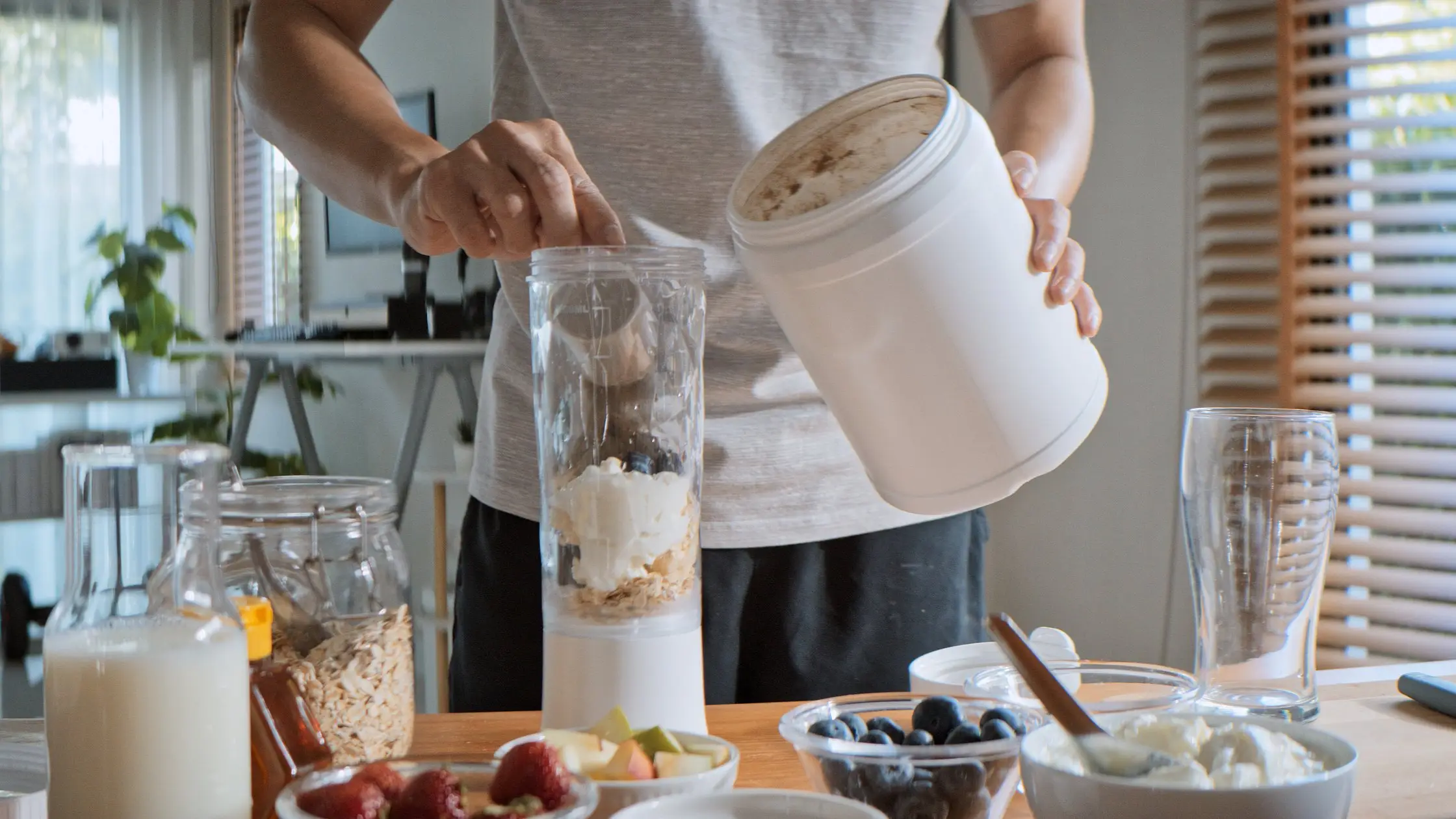
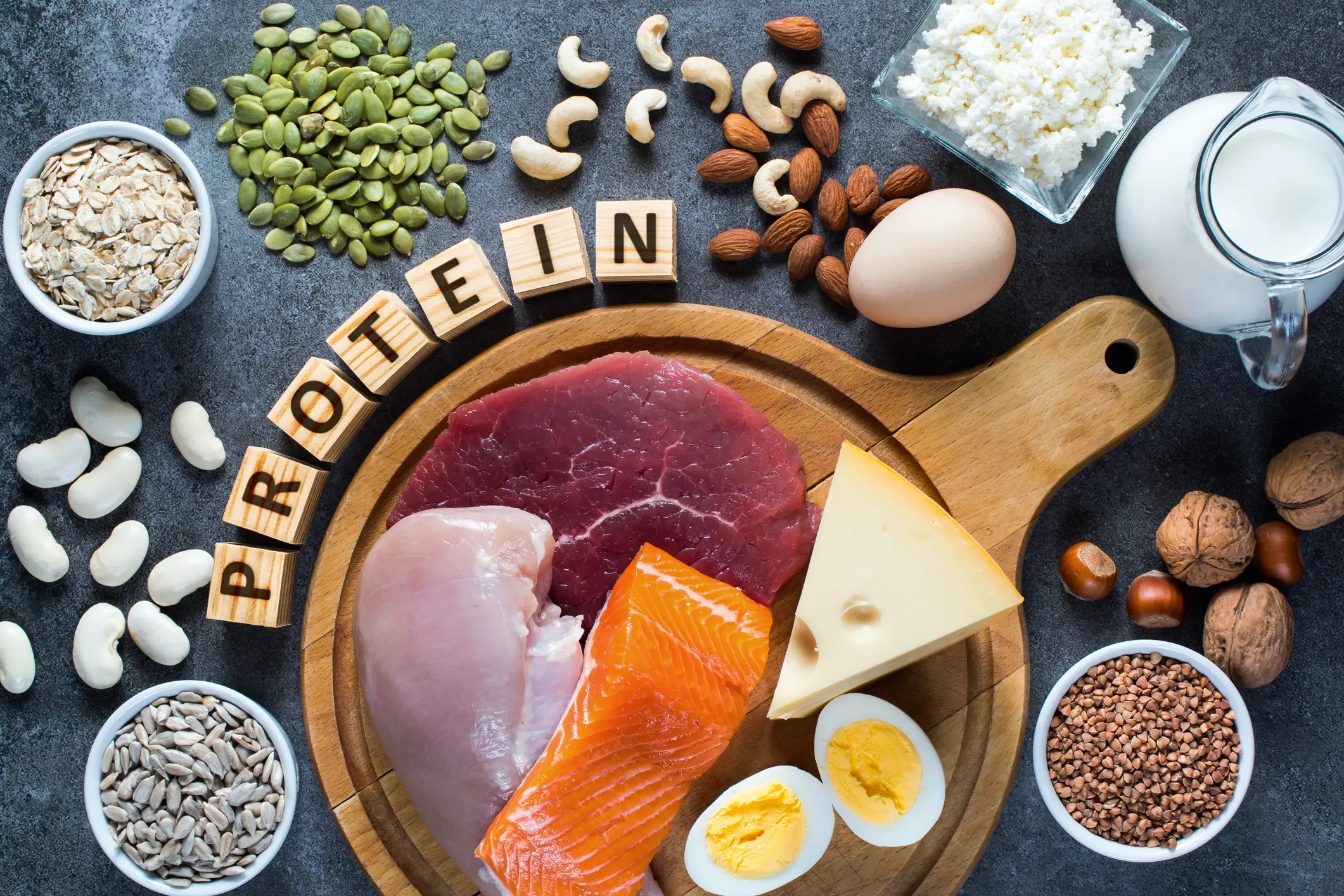
For some people, that can mean eating more meat, fish, eggs, Greek yoghurt, cottage cheese, tofu, or beans. For others, it can involve adding protein powders, shakes, bars, and fortified snacks into their daily routine.
Protein helps the body grow, repair tissue, and maintain muscle, which is why it is often promoted to gym-goers and people trying to improve their diet.
However, experts say the issue comes when people assume more protein is always better, without considering their overall diet, hydration levels, activity levels, or existing health conditions.
Proteinmaxxing can cause all kinds of health problems
Classically, gout occurs in the toes, said Dr Spencer Kroll, who claimed that supermarket shelves are filling up with protein-packed products, causing a wave of health problems.
“But gout can appear anywhere in your body – and the pain can be severe,” he warned GQ.
Alongside gout, a major side effect of buying into the ‘proteinmaxxing’ trend is uric acid stones.
The latter, a type of kidney stone that forms when urine becomes overly concentrated, can cause severe back, side, and groin pain. They frequently develop in individuals who often eat purine-rich foods like red meat and those who have metabolic syndrome.
Too much protein, especially when isolated from dairy products, can also cause calcium oxalate stones due to low calcium levels.
Calcium stones are best avoided by eating calcium-rich foods, including leafy greens.
Other side effects of protein overload include, but are not limited to, bad breath, gastrointestinal issues, weight gain, dehydration, bloating, and fatigue.
How to reduce protein-related health issues
Cut down on the micronutrient
The scary side effects of eating too much protein can be avoided if you are willing to cut down on how much you’re eating,
The National Academy of Medicine recommends that adults get a minimum of 0.8 grams of protein for every kilogram of body weight per day.
Meanwhile, British Heart Foundation suggests eating between 20 and 25g per meal.
Previous research has suggested that low-protein diets may extend longevity and offer protection from chronic disease. However, it’s worth checking in with your health provider before you give it up for good.
Keep hydrated
Dr Kroll said that anyone who is eating protein should increase their water intake to help reduce uric acid levels.
The average adult needs around six to eight cups or glasses of water every day, roughly around two litres worth of liquid, as per the NHS.
And you don’t just have to drink plain old water to meet your goals. Tea, coffee, dilute juice, milk, and other beverages all count.
Choose more plant-based protein sources
Protein doesn’t stop at red meat and seafood.
By choosing plant-based protein sources, such as tofu, tempeh, and beans - a Blue Zone staple - you can reduce the amount of gout-causing purines you’re consuming and still hit your micronutrient goals.
Benefits of choosing plant-based protein include reducing the risk of developing metabolic syndrome, managing diabetes, and preventing cancer, as per a 2019 study.
“There are some plants and vegetable products that have purines in them, but, interestingly, it seems from the data that their purines don't cause the gout symptoms,” Dr Kroll added.
 Ben Williams