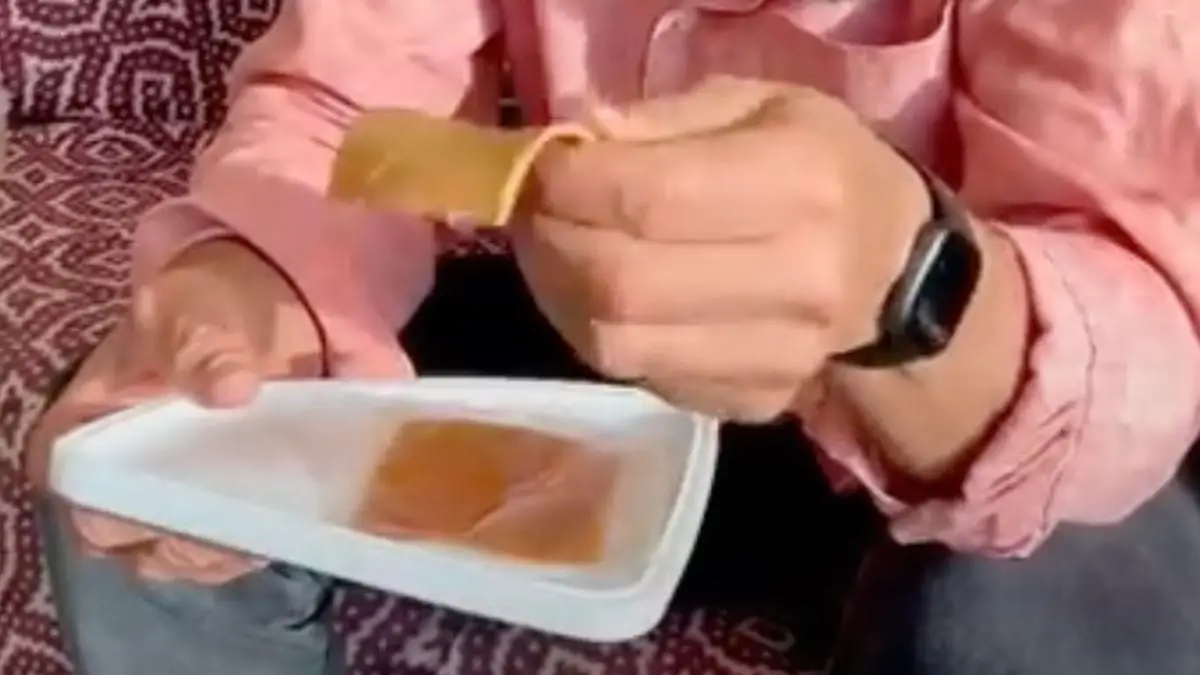
Gross video shows what burger cheese looks like after 5 years

A leading health expert wants British BBQ lovers to rethink their love for burger cheese, revealing exactly why you should avoid the substance and choose ‘real’ dairy products from now on.
The British Heart Foundation recommends eating no more than 30g of hard cheese, a great source of protein and calcium, per day due to how high in saturated fat and salt it can be.
Too much can lead to raised cholesterol levels and high blood pressure - but what happens when you choose to eat cheese alternatives instead?
Insert Professor Tim Spector, a British epidemiologist who graduated from University College School, London, and is currently a professor of genetic epidemiology and director of the TwinsUK registry at King’s College London.
Advert
In 2017, the father-of-two co-founded personalised nutrition company, ZOE, with which he recently explored the health implications associated with eating ‘burger cheese’ or American cheese slices, as they are sometimes called.
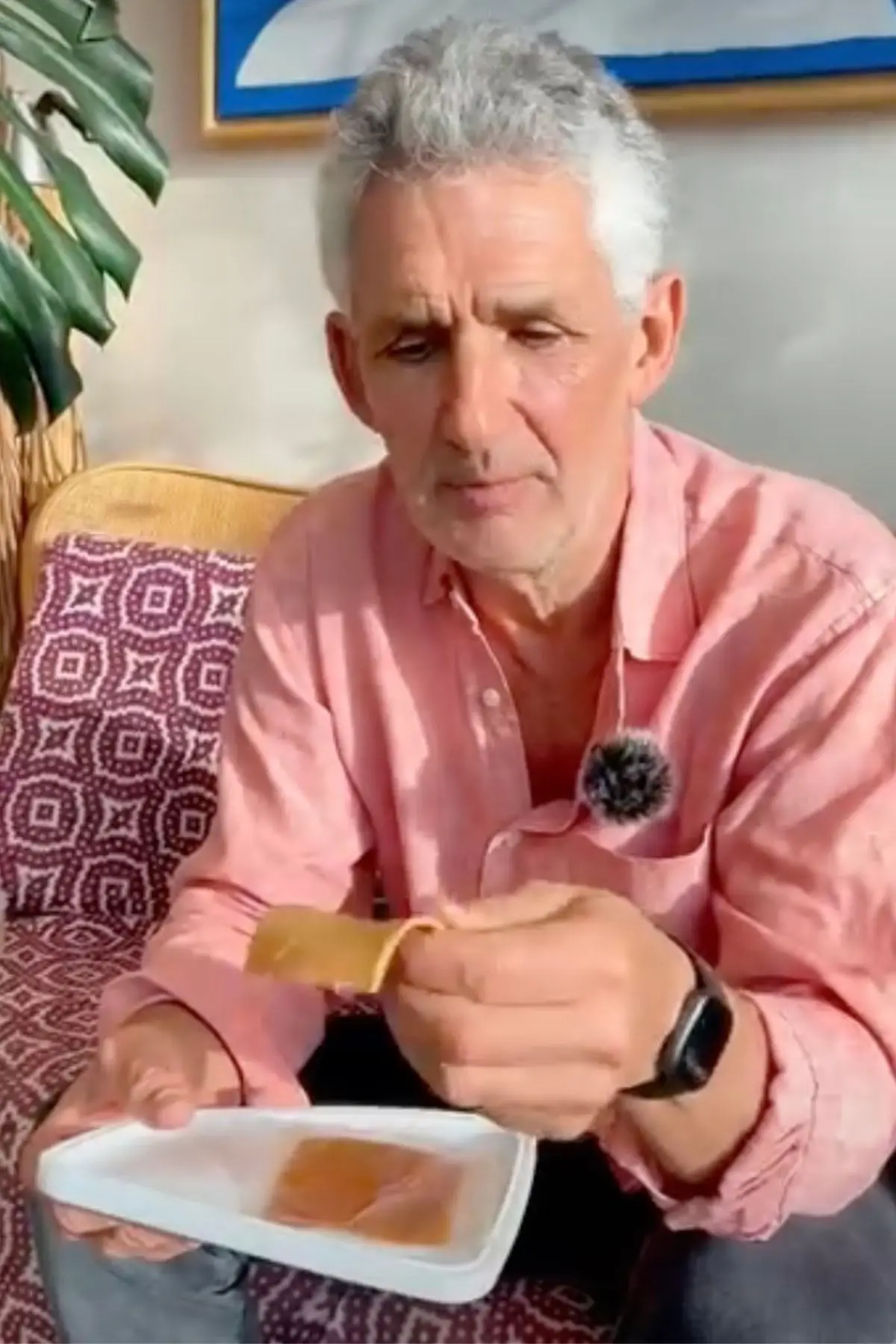
Earlier this week, the medical doctor shared a video on Instagram, explaining how a slice of Kraft cheese he was holding hadn’t really changed in the five years since he removed it from a packet.
Unlike normal cheese, which you may imagine would have gone mouldy and deteriorated by now, the slice looked almost as fresh as if you had plucked it out of your BBQ or a fast-food burger.
“It’s creased a little bit, but it doesn’t look like normal cheese because it isn’t real cheese,” Spector stated. “It’s fake cheese; it’s analogue cheese. And this is what the ultraprocessed food companies are regularly doing.
“They’re producing food that looks like real food but actually isn’t. Now, real cheese is made from milk and fermenting microbes. And that combination is both delicious and good for your gut health.”
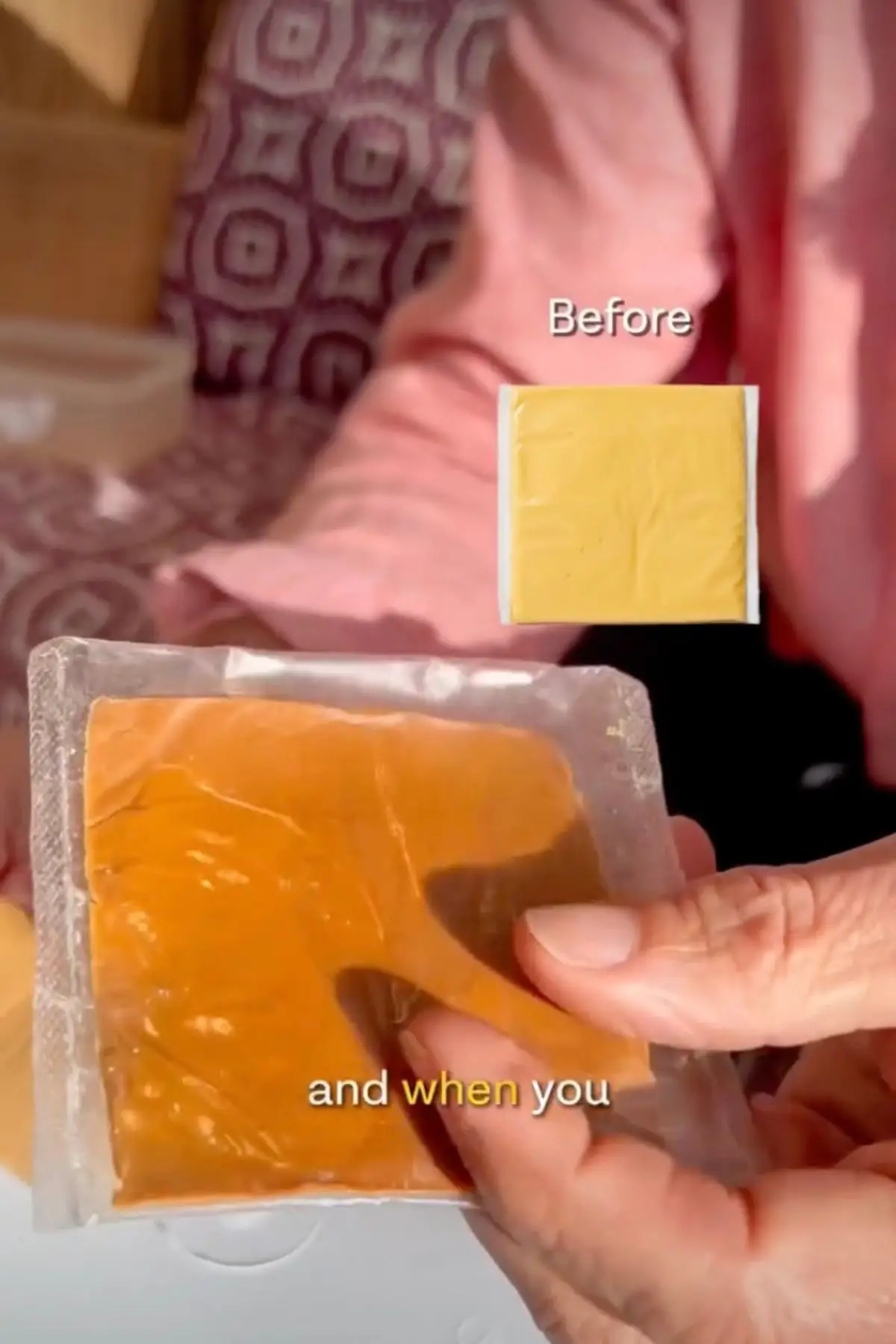
He continued: “This is fake cheese. You should avoid it and only eat the real stuff.”
In the caption of the ‘gross’ clip, Spector posed the question: if microbes, moulds and bacteria ‘don’t seem interested’ in feasting upon the cheese slice, should we be?
“In many aged cheeses, bacteria and fungi continue breaking down proteins and fats for months or even years, creating flavour, texture and thousands of bioactive compounds.
“That’s what food normally does. It changes, it degrades, life interacts with it. Ultra-processed cheese slices are something else entirely.
“They’re engineered to be hyper-stable: emulsifiers, refined oils, starches, flavourings and preservatives all designed to create a uniform product with a very long shelf life. And while technically edible, they’re very far removed from what humans have traditionally called cheese.
“Your gut microbes evolved alongside real food. Fermented foods, fibres, complex plant compounds, and slowly transformed ingredients. Not fluorescent orange squares that survive half a decade untouched in a cupboard.”
Viewers are seemingly divided by Spector’s revelation in the comments, with one Instagram user typing: “I hear you. But nothing like a bit of Kraft cheese on my chilli cheese toast.”
“Shocking it’s allowed to be called cheese,” replied someone else.
Another user wrote: “Tim Spector runs the experiment nobody else bothers to run and then explains why it matters without making you feel stupid for having eaten it. Rare combination.”
“Yeah but fake cheese is the best in burgers,” a fourth reported.
FOODbible has contacted Kraft for comment.
If you’re looking to level up your burgers, then perhaps taking a leaf out of Bobby Flay’s book would serve you well.
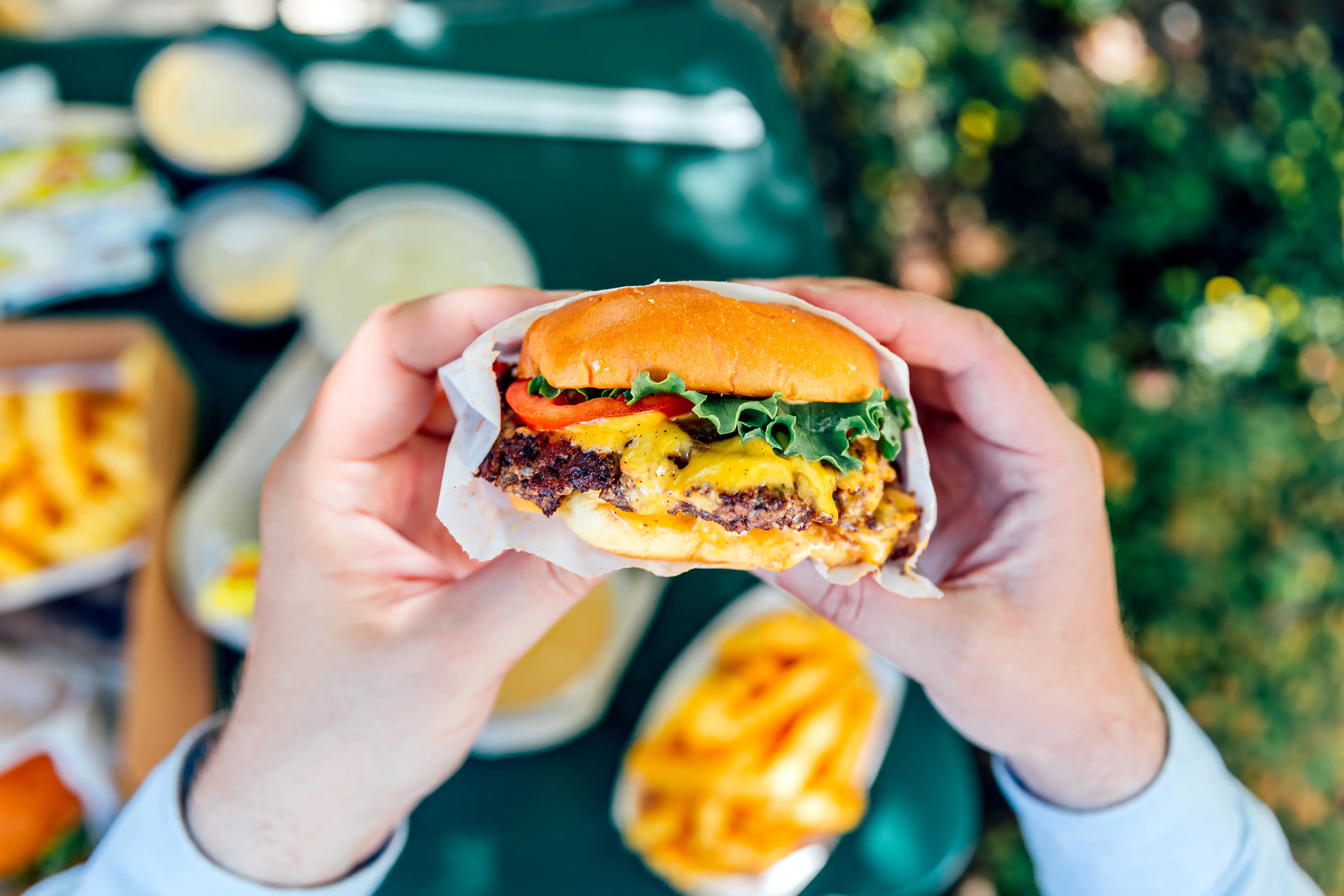
According to Chowhound, the celebrity chef taught a course through Food Network Kitchen where he revealed that Fontina and Monterey Jack worked just as well as American cheese.
However, he did admit that the latter does make him nostalgic for his childhood.
“I like a soft bun for my burger because it becomes part of my burger," Flay added. "If it's too firm, it's going to break the burger when you eat it."
Meanwhile, Gordon Ramsay is a fan of a humble cheddar cheese slice. To melt it, he places the dairy delight directly on a pan and leaves it until ‘it’s going gooey’.
Then, he seasons with salt before pressing the bottom of a bun to it.
 Ella Scott