Pioneering food additive that helps prevent weight gain approved after 15 years of research

Experts at two of the UK’s top universities have gained approval from health officials for a dietary fibre supplement that can apparently ‘stop the kind of slow, steady weight gain’ that makes weight loss drugs necessary.
GLP-1 drugs, including the new needle-free oral supplement, are booming in Britain, with 70.6 percent pharmacies reporting unprecedented demand, as per a National Pharmacy Association survey.
While so-called ‘skinny jabs’ continue to rise in popularity, two professors continue to work on a supplement that apparently can help you lose weight whilst also improving liver fat levels and ‘supercharge the gut’s normal bacterial fermentation process’.
Here’s everything you need to know, including how long you may have to wait to get your hands on the supplement.
What is IPE?
Inulin propionate ester, known as IPE among researchers, is a dietary fibre supplement designed to help people feel fuller for longer.
Advert

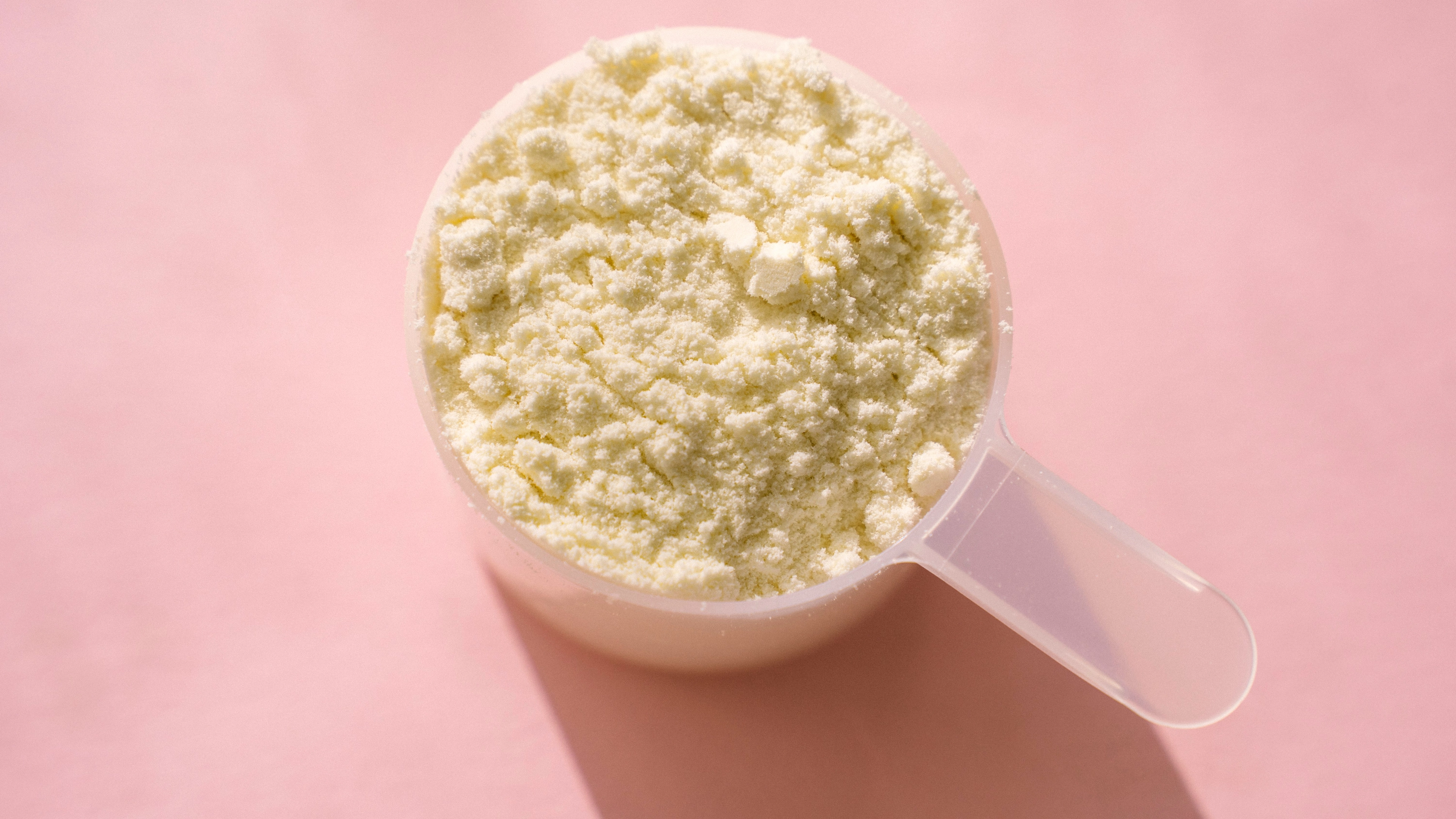
The idea is that you add around 10g of the white powder to smoothies and cereals, or bake it into sourdough loaves with the aim of reducing daily calorie surpluses that can drive long-term weight gain, as per a release by Imperial College London.
“A small calorie surplus each day will lead to significant weight gain over time. Even one extra kilo a year in young adults is enough to create serious weight problems by middle age,” said Professor Gary Frost, Chair in Nutrition and Dietetics at Imperial Department of Metabolism, Digestion and Reproduction.
“We already know that a higher fibre intake can counter this, but we also know that most people find it difficult to take in enough fibre and are falling far short of the recommended intake levels.”
It was first developed in a lab by Professor Douglas Morrison of SUERC, University of Glasgow, who went on to collaborate with Professor Frost over the next 15 years to ‘explore the molecule’s potential as a food ingredient, with a series of clinical studies published in peer-reviewed journals’.
Studies have suggested that the dietary supplement can improve fat levels in the liver and preserve lean body mass.
How does IPE work
IPE, made from inulin – a natural substance found in chicory and onions - and propionate, a naturally occurring short-chain fatty acid, is directly transported to receptors in the colon that trigger appetite‑regulating hormones.
As per the release, this is ‘a targeted delivery system that supercharges the gut’s normal bacterial fermentation process’.
“We have brought together two natural ingredients to stimulate appetite‑regulating hormones at exactly the right site in the gut,” explained Professor Morrison.
“Although GLP‑1 receptor agonists have shown great results in helping people lose weight, IPE could help stop the kind of slow, steady weight gain that makes those drugs necessary.”
European Food Safety Authority give IPE the green light
Last year, the European Food Safety Authority approved IPE with the European Commission adding it to the EU List of Authorised Novel Foods.
“IPE’s inclusion in the Novel Foods List gives people who are beginning to struggle with their weight a new way of preventing further weight gain. We look forward to seeing how it will be incorporated into different foods and eating plans,” gushed Professor Frost.
However, researchers claim that although winning approval for the supplement shows that a ‘bench‑to‑consumer’ path is possible, it can take up to six years for a European Food Safety Agency evaluation to take place.
Moreover, experts can only currently produce the product at a pilot scale of a few hundred kilograms at a time. If they ever want IPE to hit the market, then they will need industrial partners who are ‘capable of scaling production to thousands of tonnes’, the statement said.
“We know that there is a lot of commercial interest currently in how to engineer optimum nutrient delivery to the gut, to lead to the best possible outcomes for consumers, and we hope to capitalise on that interest,” Professor Morrison claimed.
 Ella Scott