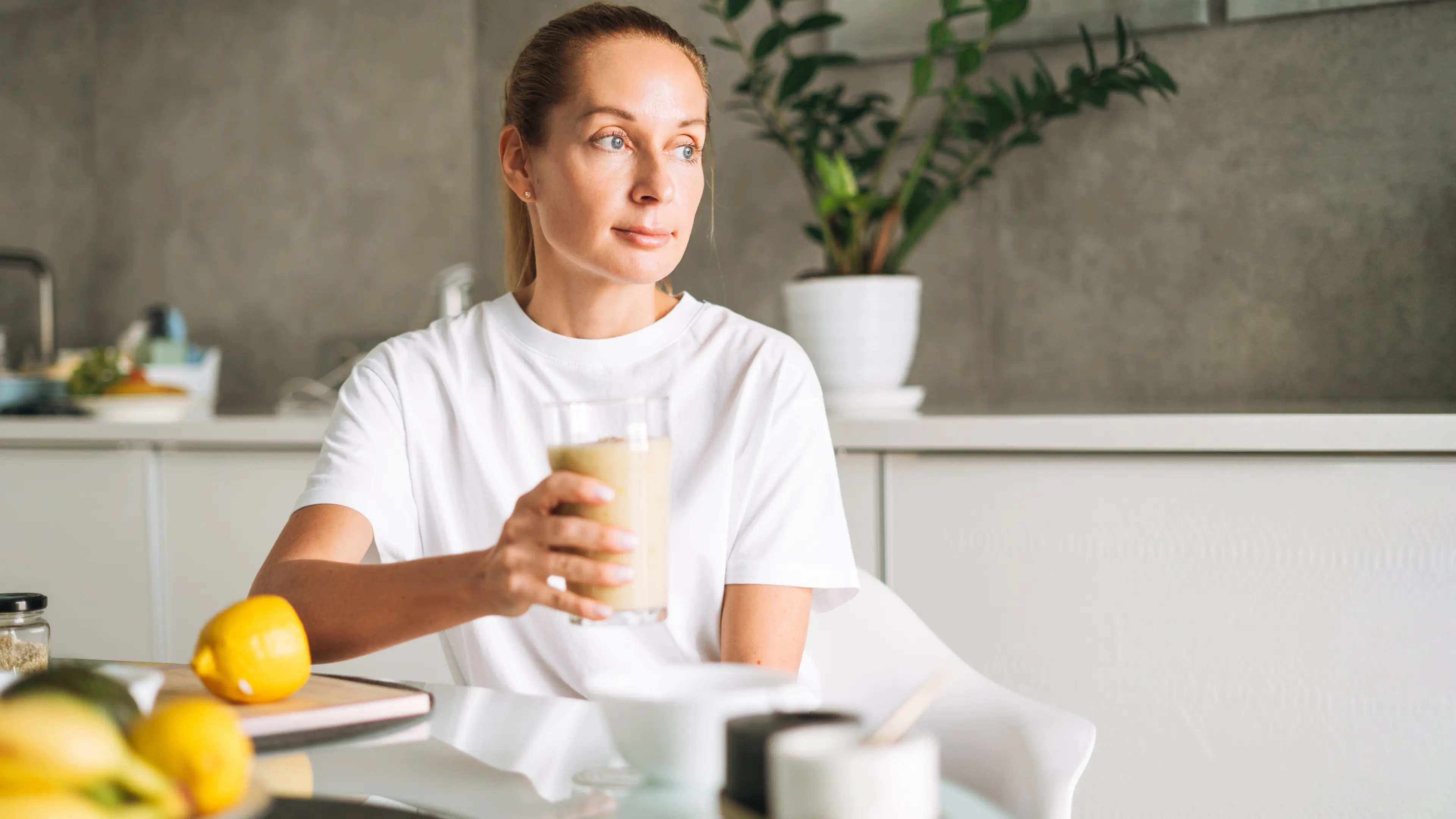
Why women in specific age bracket are all turning to protein

Supermarket shelves are seemingly stacked with high-protein enriched products; everything from bread to pancakes, yoghurt and even chocolate bars seems to contain an extra dose of the essential macronutrient these days.
Not only are the items lining every inch of our local Sainsbury’s, but we’re being bombarded with in-your-face billboards, TV adverts, and social media-friendly recipes, too.
If you’re not clued up on nutrition, then you may not be aware of why we actually need protein and how much men and women should be consuming daily.
The British Heart Foundation recommended eating around 0.75kg of protein per body weight. That’s around 45g a day for a 60kg woman, and 55g a day for a man weighing 75kg.
Advert
However, your protein needs are likely to change over time depending on your activity levels, health, and age.
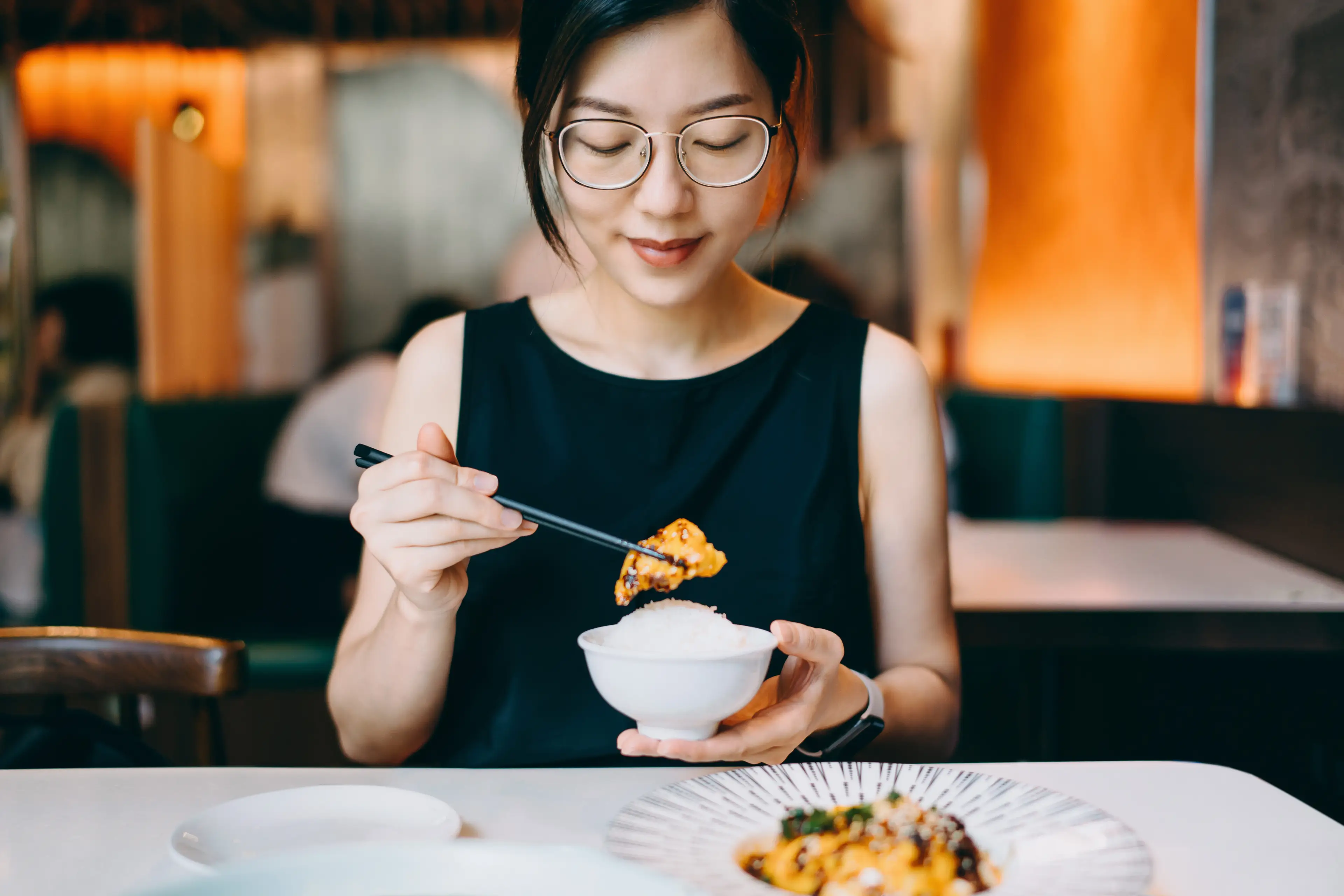
A new study has found that women are leading the charge when it comes to eating the ‘optimal amount of protein’, citing benefits such as improving muscle mass, maintaining bone health, and improving satiety after meals, as per Sonya Agelone, a nutritionist and registered dietitian based in San Francisco.
According to the Euromonitor International research, which surveyed 20,165 people on their health and nutrition habits, women under 40 are more likely to turn to protein for sustenance.
Scott Keatley, co-founder of Keatley Medical Nutrition Therapy, said that this is perhaps because younger women link protein with ‘fitness culture and body composition’.
“So we see a surge in protein powders, bars, and social media-driven ‘high-protein’ recipes,” he told Women’s Health Magazine.
Meanwhile, women aged 40 and above are apparently ‘seeking protein as a tool for healthy aging as protein helps preserve muscle mass, support bone density, and counter the metabolic slow-down that comes with menopause.’
The need to increase your protein intake is likely to present itself as you get older, according to British Dietetics Association (BDA) spokesperson and dietitian Dr Linia Patel.
She told the BBC that this is because as we age, we get less efficient at assimilating and absorbing protein.

Moreover, eating protein seems less appealing as it becomes harder to digest, leading to consuming less.
Patel recommended focusing on their protein intake to maintain muscle and minimise the increasing wear and tear once you reach 40. You don’t have to tell us twice!
Keatley reasoned that another reason for the rise in women choosing protein-rich products is that some women are focusing on toning and strengthening their bodies.
“You see a clear shift in the female ideal toward toned strength,” he alleged.
“This visibility has made protein feel essential rather than optional, a complete reversal from a decade ago when women were often warned away from it for fear of ‘bulking up.’”
Anyone hoping to add more protein to their diet should choose well-tolerated, natural foods over ultra-processed products, Angelone explained.
She named ‘Greek yoghurt, cottage cheese, edamame, soy milk, canned tuna, canned chicken, eggs, tempeh, lean ground meat, and even protein powders in smoothies’ as her go-to sources.

Other high-protein items suggested by the British Heart Foundation include baked beans, tofu, Skyr yoghurt, and cheese.
It’s worth noting that while protein has its benefits, you can have too much of a good thing.
Side effects of consuming too much of the macronutrient include, but are not limited to:
- Digestive issues, such as constipation, diarrhea, bloating
- Bad breath
- High risk of kidney stones
- Headaches
 Ella Scott