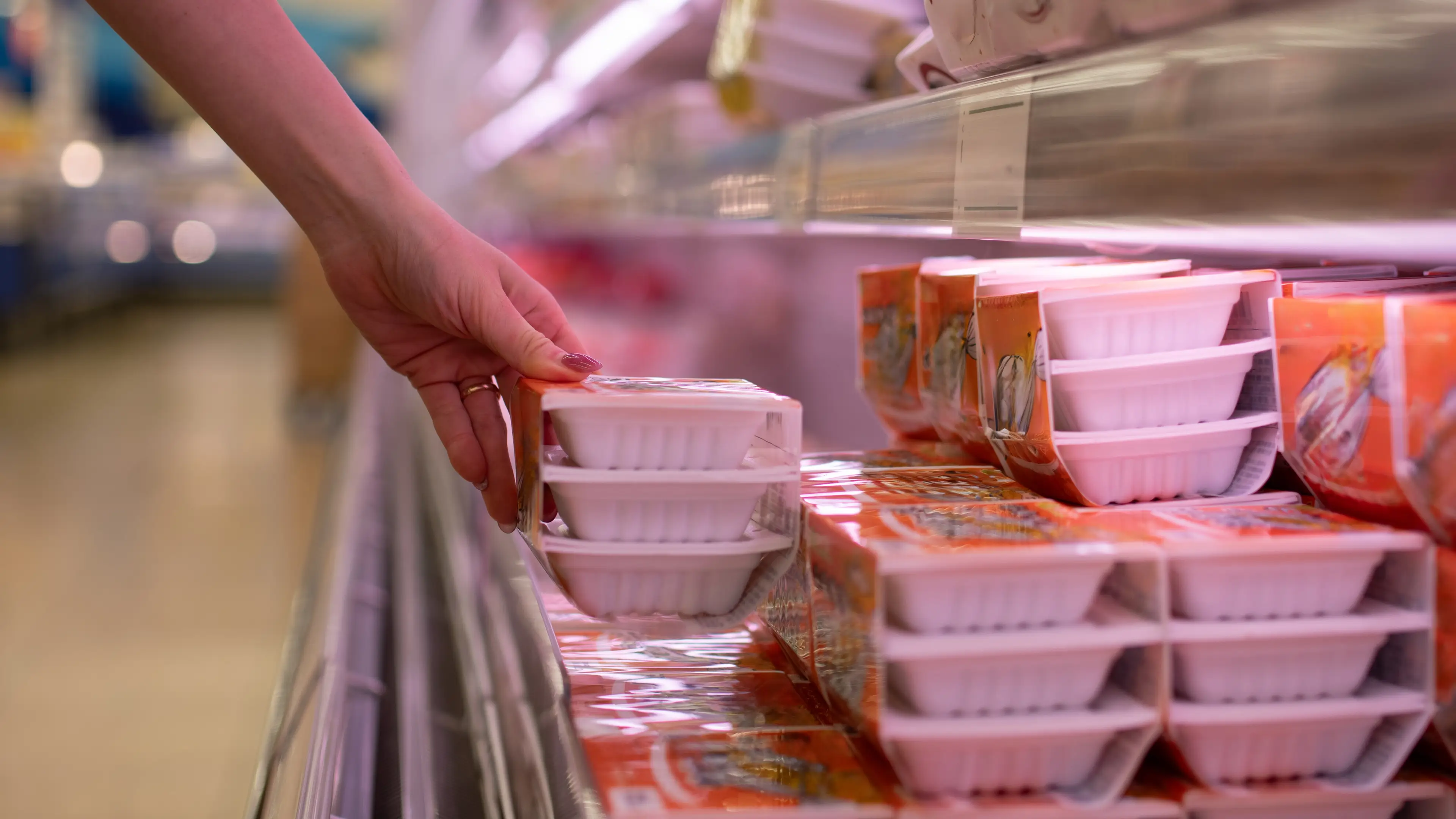
Japanese exports of popular high-protein delicacy are soaring

Imports of a traditional and ‘incredibly nutritious’ Japanese food have soared recently, with experts detailing the benefits of incorporating it into our daily diets.
Japanese life expectancy is one of the highest in the world, with women expected to reach 88.18 years old and men 82.13, as per statistics based on United Nations Population Division estimates.
Alongside living active lives, practising the principle of hara hachi bu, and benefiting from shūshin koyō (lifelong employment), which is understood to reduce job-seeking stress, denizens are famed for their healthy diets.
Washoku staples include rice, seafood, pickled vegetables, noodles such as soba and udon, and karaage (fried chicken), as reported by Gullivers Sports Travel.
Advert
Anyone thinking of travelling to the Asian island may also come into contact with a traditional item often eaten for breakfast due to its high nutritional value.
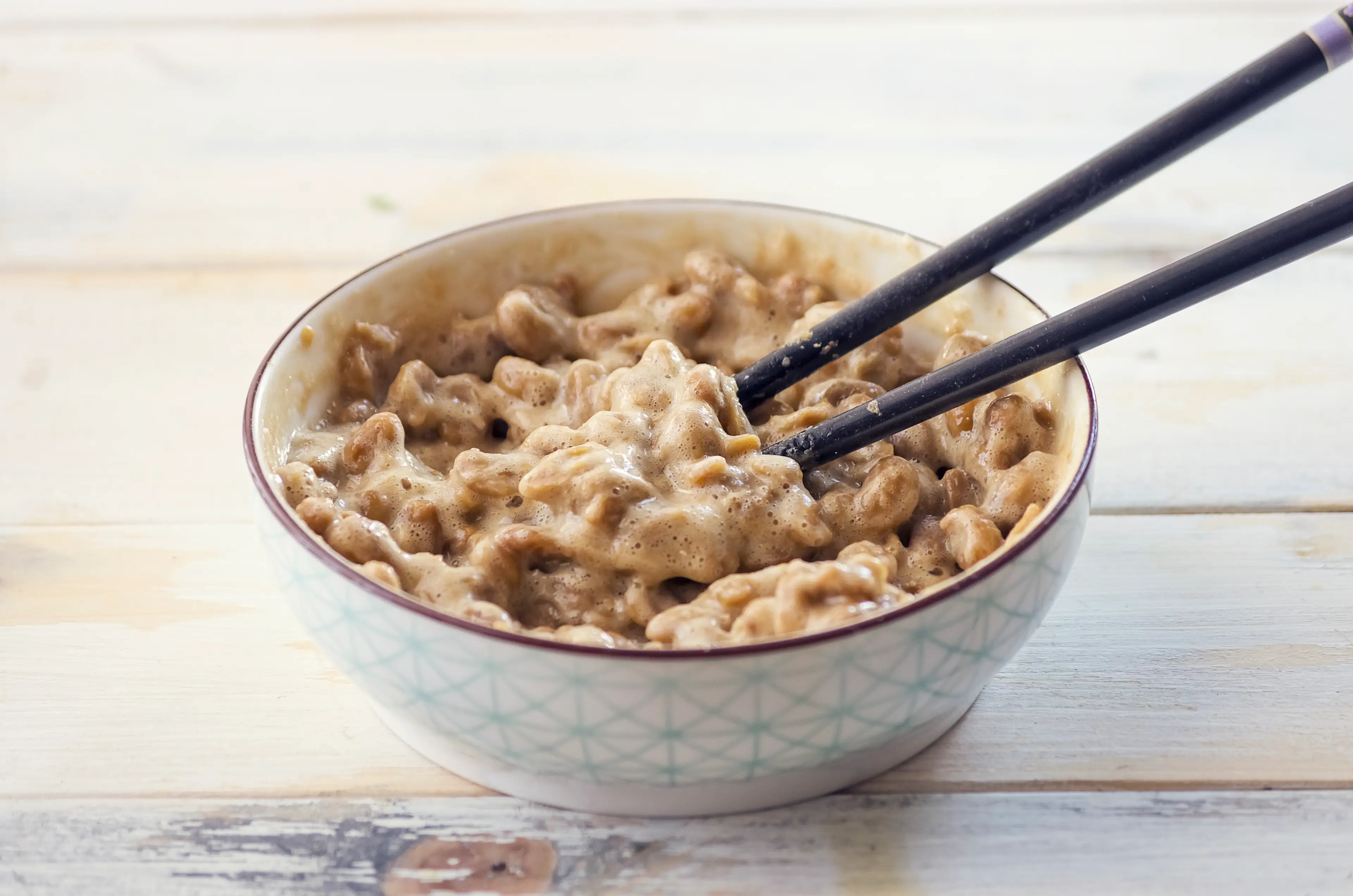
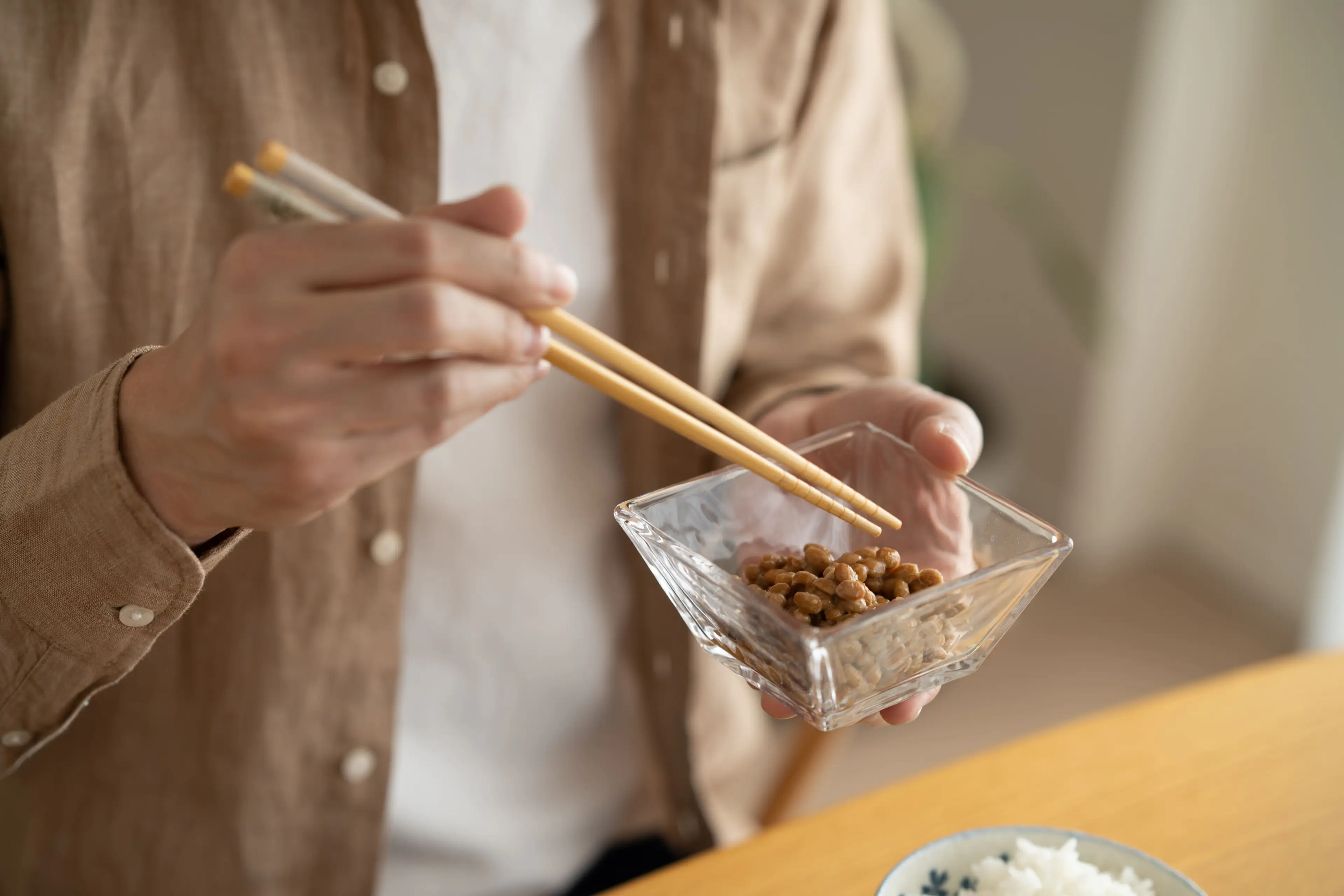
The fermented food, derived from soy beans, is usually served on a bed of rice and is sometimes seasoned with soy sauce, chives, and sesame oil.
Of course, we are referring to natto: the ancient food that is currently in demand where food exporters are concerned.
New data claims Japan’s natto exports reached 300 million yen ($1.88 million) last year, with China requesting 2.5 times more of the product than it did in 2024.
It’s understood that the majority of this imported natto came from Hokkaido Hamanasufoods, located in Ebetsu, Hokkaido.
Seoul Economic Daily wrote that the region produces approximately 30 varieties of natto and is targeting both domestic and overseas markets.
The company exports its product to 16 countries and regions, including the United States, Switzerland, and the United Arab Emirates.
"Considering the risks from the global situation and the hassles in exporting, it's by no means an easy business, but the product still has great potential,” Yukiko Hagiwara, sales manager at Hokkaido Hamanasufoods said.
“We'd be delighted if the role we play in globally spreading natto as part of Japanese food culture leads to everyone becoming healthy, resulting in our sales growth."
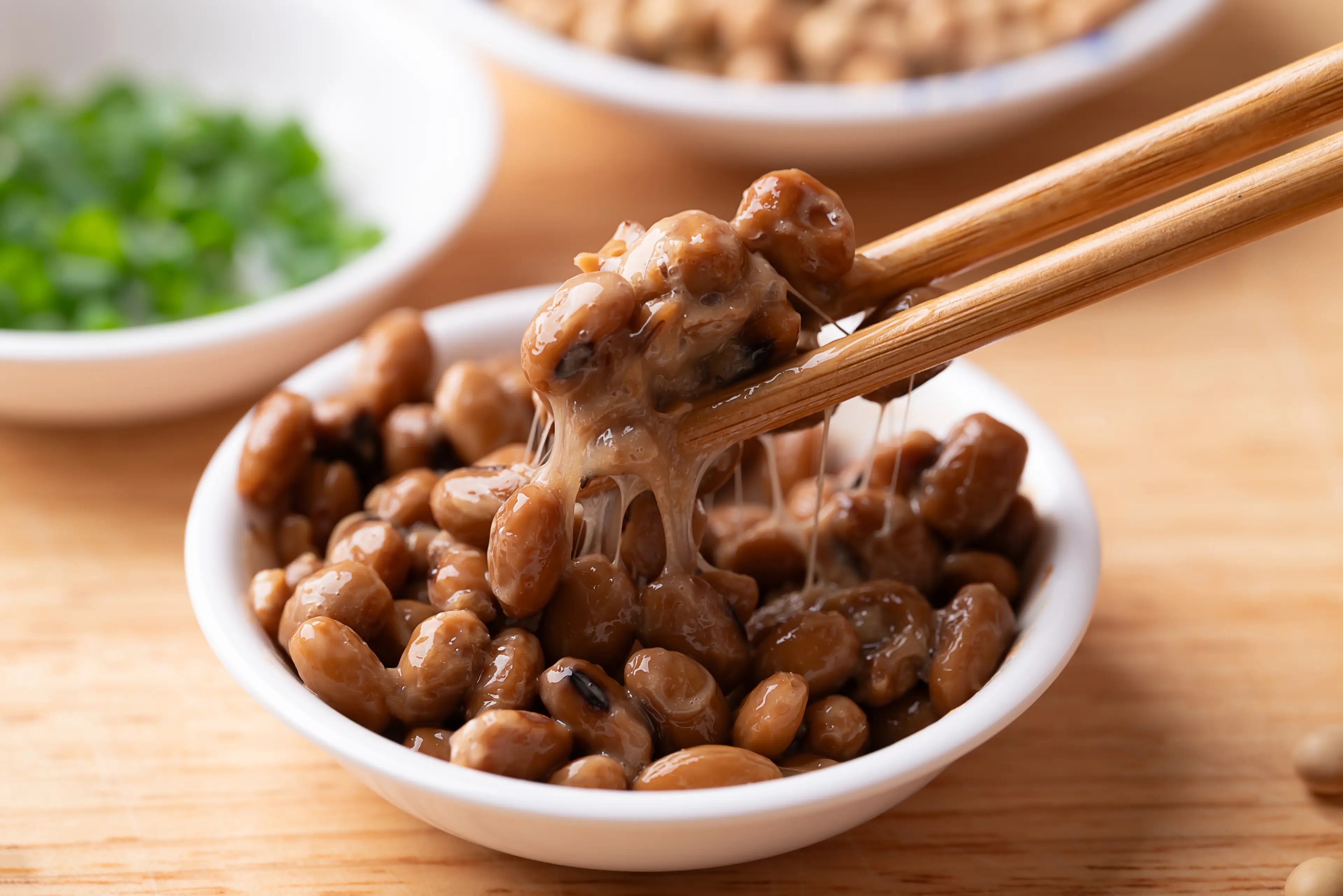
The food, with its sticky, stringy texture, has perhaps become more popular since the registration of washoku as a UNESCO Intangible Cultural Heritage, said Hiroo Higashigawa, an export promotion officer at the Hokkaido District Agriculture Office.
"As with soy sauce and matcha, the food service industry using Japanese ingredients has grown abroad, and the COVID-19 pandemic has heightened health consciousness worldwide, creating a multifaceted effect,” he informed The Mainichi.
Meanwhile, the Japan External Trade Organisation has put the fermented soy bean’s growing overseas popularity down to influencers and celebrities, such as Lizzo.
In 2023, the ‘Juice’ singer shared various videos on TikTok of her eating the probiotic item, prompting many to comment that they were going to seek it out on supermarket shelves too.
Another attributed reason for the natto boom is inbound tourism.
The Japan Natto Cooperative Society Federation said tourists who eat the delicacy at breakfast in Japan are likely to continue eating it when they get home.
Natto, which has a strong, bitter taste and a pungent smell, is a protein-rich food that can decrease cholesterol and blood pressure, as per experts at Health.
Other benefits include, but are not limited to: supporting gut health and decreasing inflammation.
In an interview with Vogue, nutritionist Nisha Melvani, author of Cooking for Longevity, called it the ‘healthiest food on the planet’.
However, eating natto regularly is not without its risks.
The National Center for Complementary and Integrative Health stated that the soy-based product can cause serious digestive disruption, leading to diarrhoea or constipation, alongside gas and bloating.
Alongside soy being a major allergen, it can also interact with certain medications.
Health wrote that anyone who uses Warfarin, Levodopa, Ciprofloxacin or Tamoxifen should speak to their doctor before eating natto.
 Ella Scott