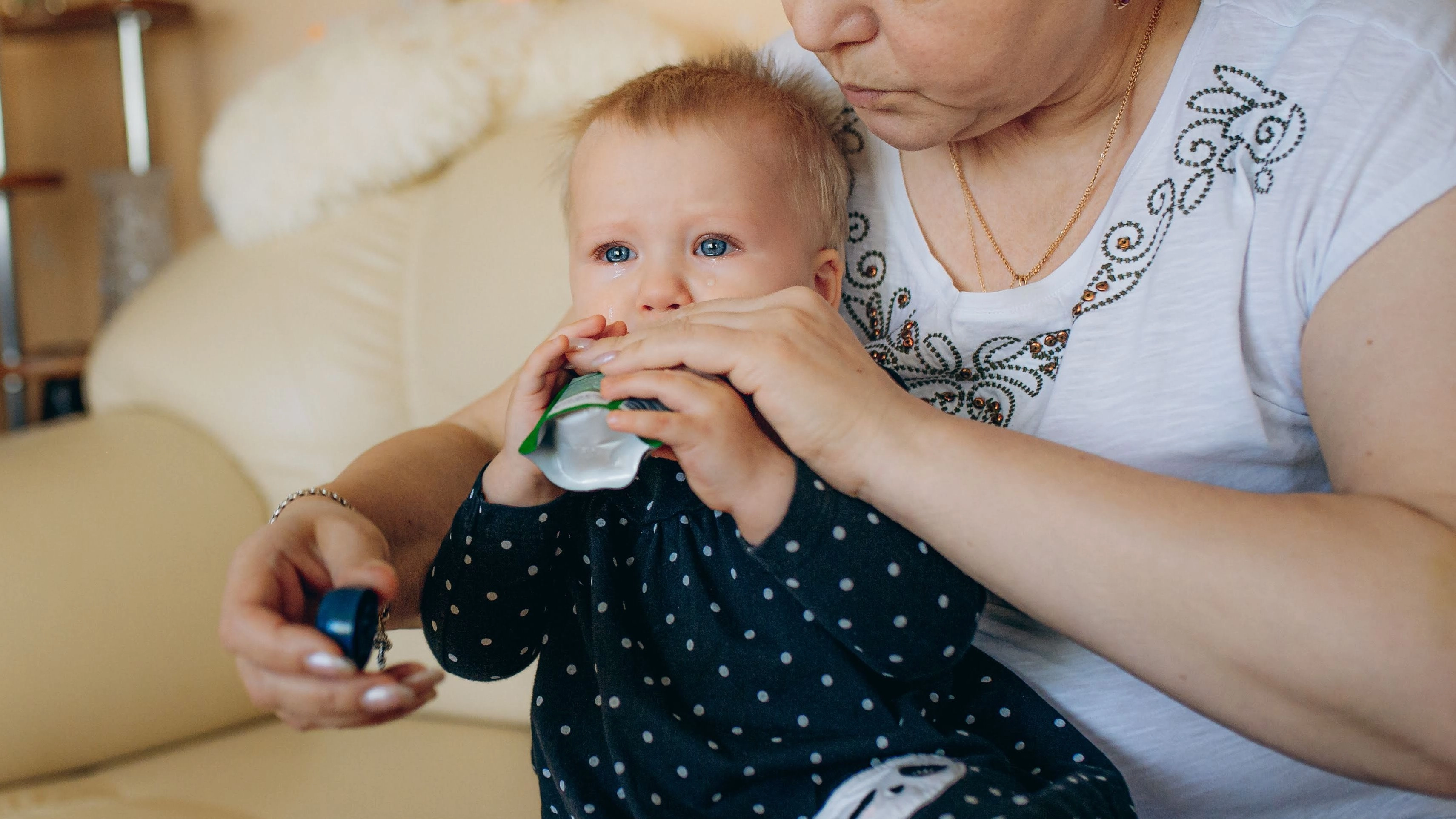
New study highlights 'hidden risks' of baby food pouches

Warnings have been issued by experts following a recent study suggesting parents may be unknowingly feeding their children plastic pollution when administering baby food pouches.
Blended foods, including fruit, vegetables, and yoghurts suitable for young children, are often poured into soft, squeezable pouches for fuss-free, on-the-go consumption.
The packets are usually made from plastic and often feature a small plastic-coated spout for youngsters to squeeze the food out of.
While the ‘squeeze and suck’ items may be convenient, a new study commissioned by Greenpeace International claims they could be seriously harming children’s health.
Advert
Last year, researchers at SINTEF Ocean began analysing polyethene-lined pouches of Danone’s Happy Baby Organics and Nestlé’s Gerber-branded yoghurt.
According to recently published findings, 99 microplastic particles were found in each gram of the Danone baby food, and up to 54 in the Nestlé version.
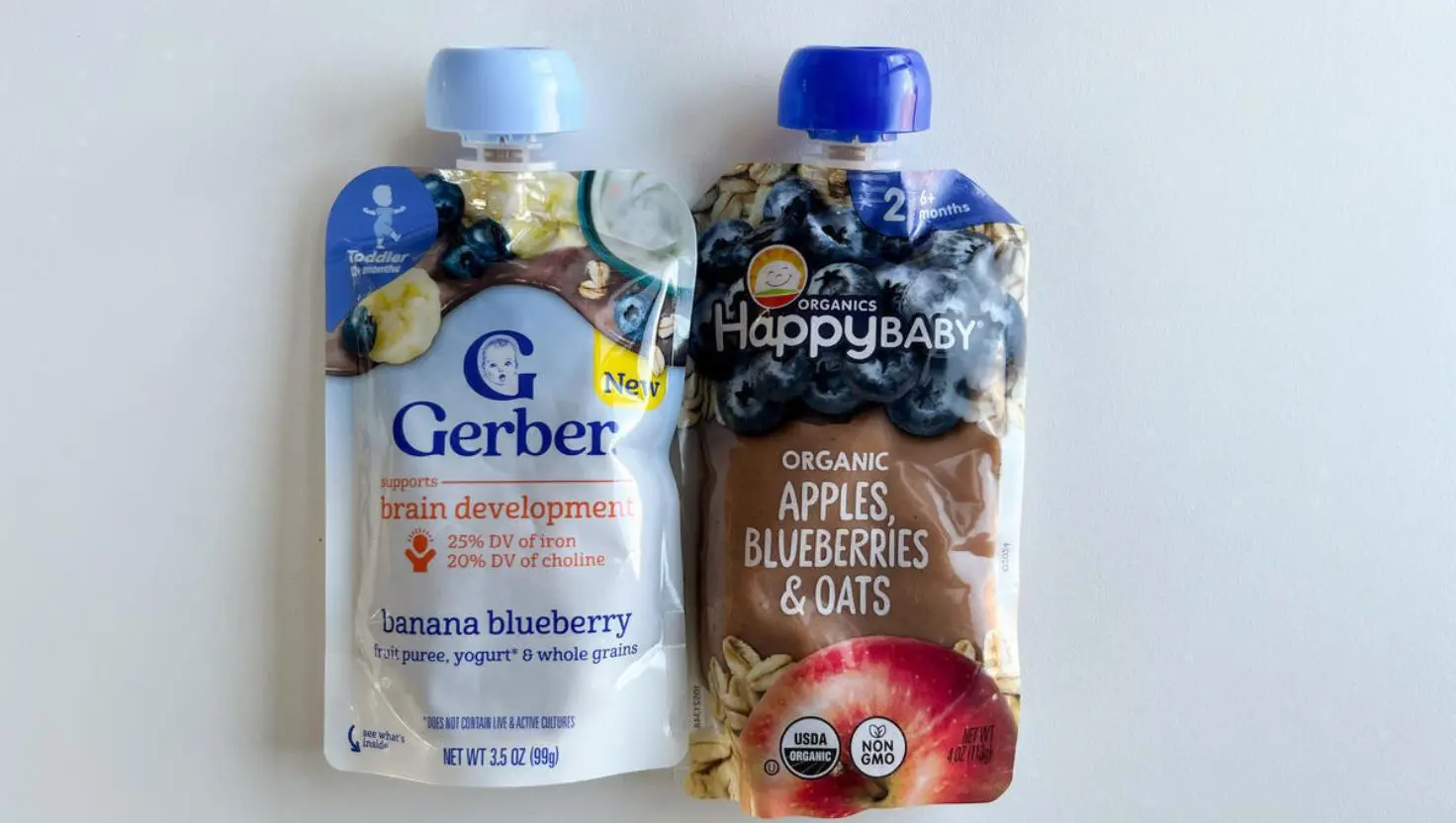
Overall, experts deduced that every pouch of Happy Baby Organics contained more than 11,000 microplastic particles.
Nestlé’s Gerber yoghurts contained more than 5,000 'hidden risk' particles per pouch, as per the research.
“Any indication that microplastics and plastic- associated chemicals could be in baby food raises a red flag that requires immediate action to prevent babies from being exposed to these potential health hazards,” a press release stated.
Previous studies into microplastic exposure have suggested that the digestive system may become blocked amid consumption.
The United Nations Development Programme (UNDP) has also previously linked the compounds to serious health issues such as endocrine disruption, weight gain, insulin resistance, decreased reproductive health, and even cancer.
Babies are particularly vulnerable to hazardous substances due to their developing airways and organs, including their more absorbent skin, as per the Children’s Environmental Health Collaborative.
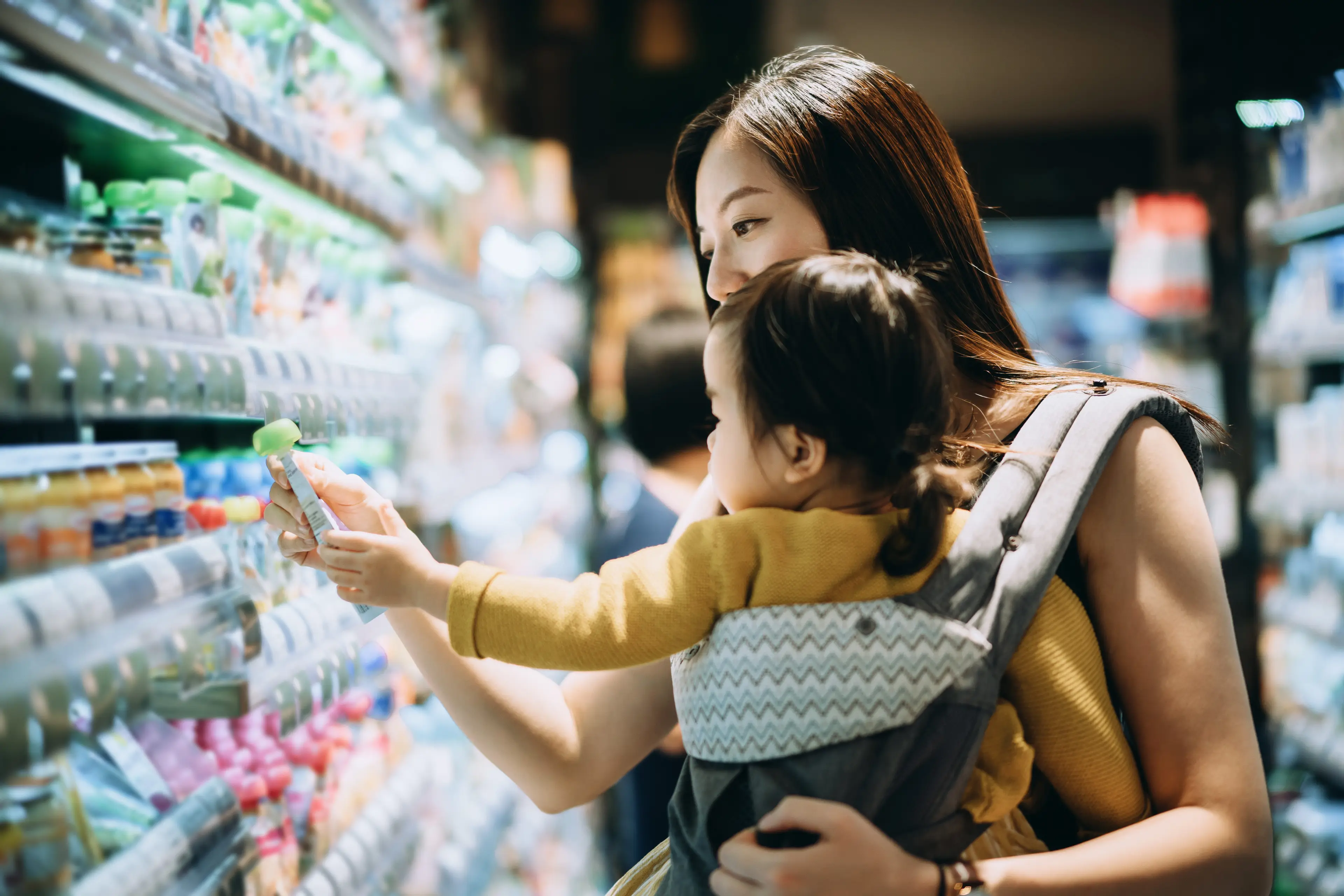
Greenpeace International wrote that the new findings add to the ‘growing body of work’ suggesting that babies may be routinely exposed to ‘tiny plastic fragments and a cocktail of packaging-related chemicals’ without their parents’ knowledge.
“Nestlé, Danone, and all brands selling plastic food contact products, including the house brands of supermarket chains and other small to medium-sized companies, need to investigate further and prove that their products are not exposing their customers to microplastics and plastic chemicals that could risk their health,” the global campaigning network wrote in its report, ‘Tiny Plastics, Big Problem: The Hidden Health Risks of Plastic Pouches for Baby Food’.
“Baby food sold in pouches and flexible plastic packaging are just one part of the wider plastic packaging disaster that drives about 40 percent of global plastic production and pollution,” the study added.
Greenpeace have called on the two manufacturers to ‘urgently commit to swap pouches for non-toxic, plastic-free reusables and refill systems for baby food’.
It also claimed that governments have ‘more than enough’ information to take immediate action and ban plastic-based baby food.
The notice added that now was the correct time for lawmakers to ‘close policy gaps’ and work both nationally and internationally to eliminate harmful plastics and chemicals in children’s food.
Danone told FOODbible that the company is 'aware of the report released by Greenpeace regarding the alleged presence of microplastics in certain baby food products packaged in pouches'
"Happy Baby pouches are designed and manufactured according to stringent quality and food safety standards and methods, and in line with all applicable regulations. All Happy Family pouch baby food products are safe," a statement continued.
"The products are manufactured by Danone’s U.S. subsidiary, Nurture LLC, and are not sold in the UK or Ireland.
"There are numerous flaws in the methodology used for this research, and we strongly caution against drawing any conclusions from their results."
Meanwhile, a spokesperson for Nestlé said: “We understand the concerns raised in this report and take them seriously.
"We want to reassure all consumers that our products are safe to consume. We take our responsibility in feeding babies extremely seriously and apply strict controls across our entire value chain, including the rigorous selection and management of packaging materials."
 Ella Scott