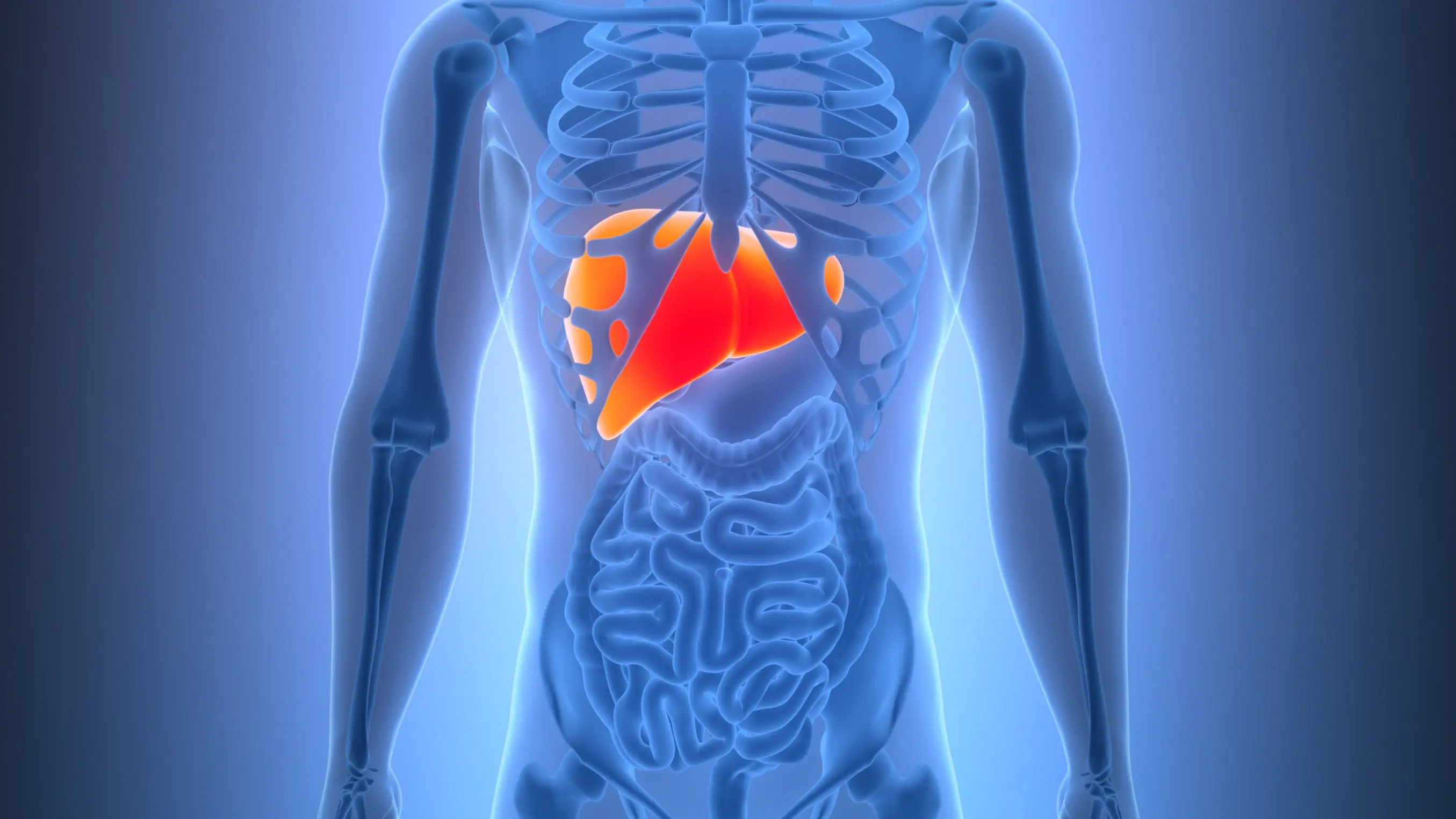
Doctor warns concerning rise in liver condition 'not down to alcohol'

The liver can take a real beating when you drink alcohol, with the organ being tasked with breaking down toxins and flushing the harmful substances out of your body.
But a prevalent liver issue currently concerning doctors due to a rise in diagnoses doesn’t actually have anything to do with booze at all, according to an expert.
Dr Amir Khan, an NHS doctor who regularly appears on ITV’s Lorraine and Good Morning Britain, recently said that a person’s blood sugar is ‘basically best friends’ with their liver’.
However, he warned that the relationship could quickly go south due to the amount of insulin being released in the body.
Advert
"Every time your blood sugar rises, your body releases insulin. Insulin's job is to move sugar out of your blood and into your cells,” Dr Khan began.
"But if your blood sugar is high all the time, lots of sugary foods, refined carbohydrates, snacking all day long, your body stops responding to insulin properly."
The expert said that this practice was called ‘insulin resistance’ and that sometimes your liver can take all the extra sugar and turn it into fat - a process known as de novo lipogenesis.
"Literally, it means making new fat. At the same time, insulin is telling your body not to burn fat so even more fat ends up getting delivered to the liver and slowly fat starts building up inside of your liver cells,” Dr Khan continued.
"Over time that can lead to inflammation damage and a condition called non-alcoholic fatty liver disease. Most people don't even know they've got it.”
Symptoms of non-alcoholic fatty liver disease
Non-alcoholic fatty liver disease (NAFLD), also known as metabolic dysfunction-associated steatotic liver disease (MASLD), usually does not cause any symptoms, as per the NHS.
Although this often means you can develop it without realising, some people do report feeling overwhelmingly tired, generally unwell, and having pain in the upper-right abdomen.
People at risk of developing non-alcoholic fatty liver disease
The National Institutes of Health stated that people with metabolic syndrome and type 2 diabetes were likely to have the highest prevalence of NAFLD.
Other people at risk include those who are overweight, have polycystic ovary syndrome, and have a high blood pressure or high cholesterol, the NHS said.

Treatment for non-alcoholic fatty liver disease
Anyone with NAFLD can reduce the fatty buildup by implimenting some healthy lifestyle changes, such as eating a balanced diet, exercising on a regular basis.
Dr Khan also said that losing between five and 10 percent of body weight may help.
It’s also advised that you cut your sugar and processed carbohydrate consumption down, with fizzy drinks being on the chopping block.
Instead, the doctor said that you should prioritise ‘whole foods, fibre, protein, healthy fats’, and practice good sleep hygiene.
 Ella Scott