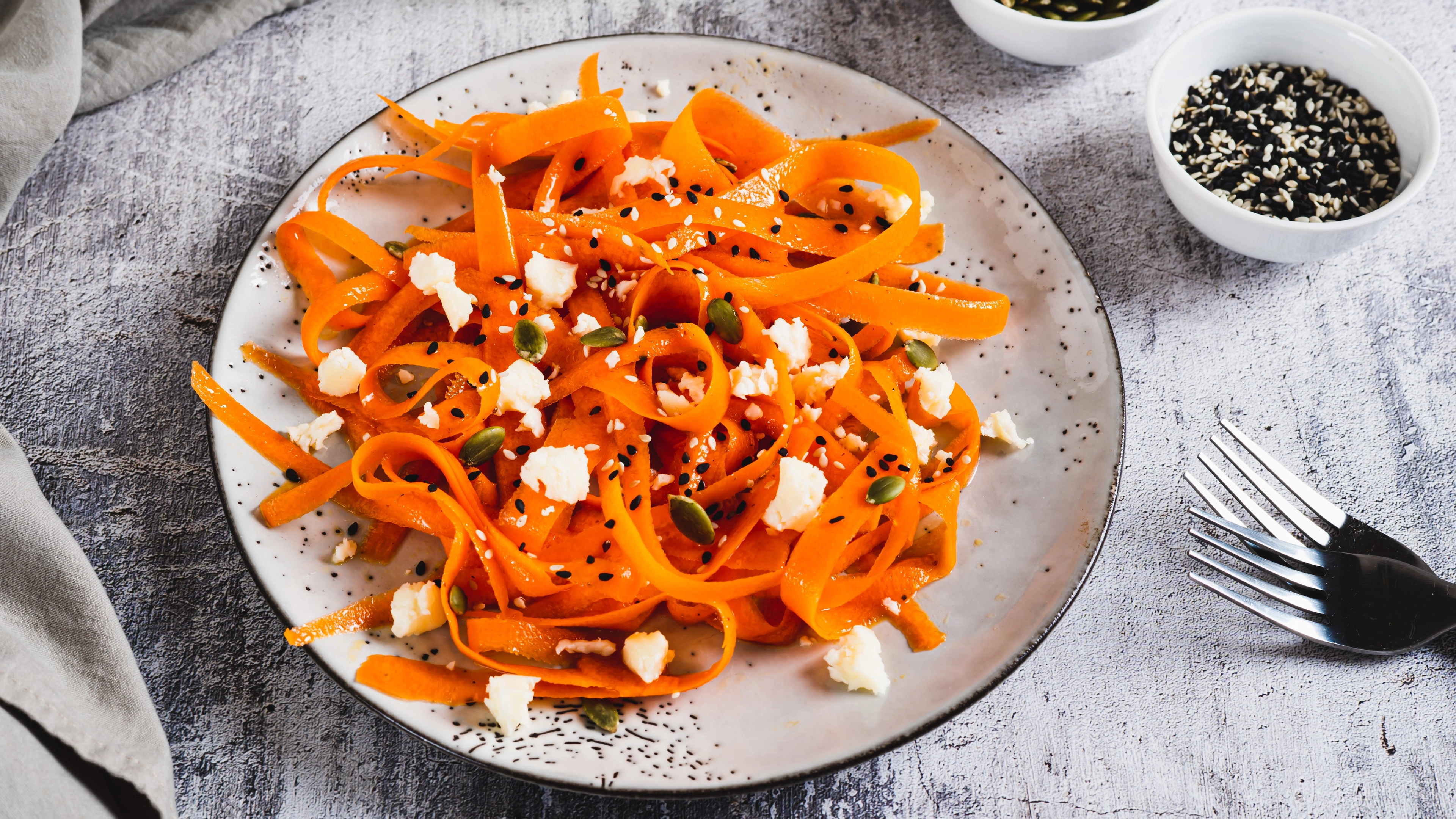
Experts share verdict on 'retinol salad' trend

Anyone on BeautyTok or even FoodTok may have scrolled through various recipe videos this year feeding into the so-called ‘eating your skincare’ trend.
The crux of the movement: opting to consume perishable items designed to help your skin glow from the inside out.
Rather than relying on your bathroom cabinet essentials, you seek out nature’s alternative, IE. fruit and vegetables.
For example, instead of using a vitamin C serum, you may choose to indulge in bell peppers, citrus fruits and guavas.
Advert
Healthy fats, including avocado and Extra Virgin olive oil, may be consumed for smooth skin barriers, whilst fatty fish, including salmon, are said to help lock in skin moisture.
“Oral skincare—targeted supplementation designed to support skin health—can complement a nutrient-rich diet," Lorraine Perretta, Head of Nutrition at Advanced Nutrition Programme, told Marie Claire.

“Clinical research shows that certain nutrients, including vitamin C, carotenoids, and specific polyphenols, can contribute to skin structure and protection when taken orally.
“The key is consistency and synergy: nourishing the skin both topically and systemically.”
Retinol salad trend: unpacked
Retinol is the ‘gold standard’ in skincare
Skincare gurus have been waxing lyrical about retinol, a form of vitamin A, for years.
The product helps firm skin by triggering collagen production, speeding up cell turnover, and improving clogged pores, pigmentation, and texture.
Caroline Hirons described it on her website as the absolute ‘gold standard in skincare’, whilst content creator Natalie O’Neill called it a ‘very powerful ingredient’ on her Substack.
“With the exception of those with rosacea or very sensitive skin, anyone can benefit from a retinol,” Corey L. Hartman, a dermatologist in Birmingham, Alabama, told Women’s Health Magazine.
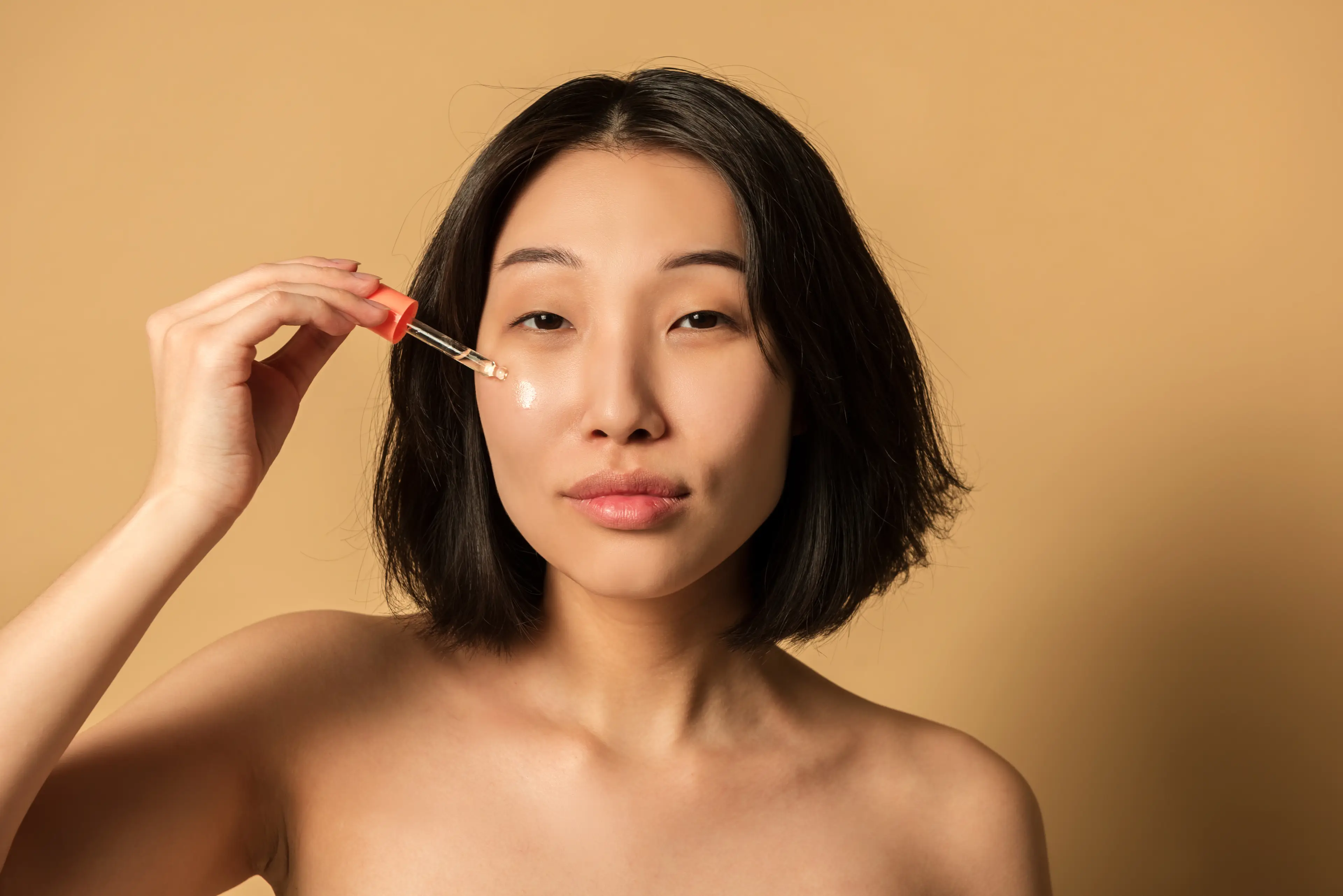
The skincare saviour is best applied at night—but don’t expect results that quickly.
According to Paul Jarrod Frank, a celebrity cosmetic dermatologist in New York City, you need to understand that retinol use is for the long game.
“What you do today will help your skin 30 days from now,” he added.
Retinol salad
Alongside advocating for patting retinol into your skin, online experts suggest you also regularly eat ‘retinol salads’.
Time reported that retinol salads usually contain ribboned carrots—packed with beta-carotene, a precursor to vitamin A—and seasonings including garlic, vinegar, pepper, sesame oil, and lime juice.
You can also fluff up the dish by adding more nutrient-dense foods, including eggs and beef liver.
Experts weigh in on retinol salad trend
While the body does convert the beta-carotene in carrots into retinol, it’s apparently not an ‘efficient conversion’, warned Dr Lawrence Green, a clinical professor of dermatology at the George Washington University School of Medicine and Health Sciences.

The expert, who also serves as vice president of the American Academy of Dermatology, continued: “It happens, but it takes a lot of beta-carotene to get a lesser amount of retinol.”
He added that eating a retinol salad ‘nowhere compares to putting retinol directly on your skin as a cream’.
Nicola Bradshaw, a Medical Herbalist and Nutritionist, has echoed Green, claiming: “In practice, the science is more nuanced than the trend suggests.
“While nutrition can meaningfully support skin function, it cannot replicate the targeted biochemical action of topical actives.”
But that doesn’t mean the retinol salad should be eliminated from your diet!
Green stated that antioxidants can help to maintain skin health, protect against free radicals, and potentially limit premature ageing and collagen breakdown.
Too much vitamin A can cause toxicity
Be aware of consuming too much vitamin A; it can cause toxicity.
Nasty side effects of vitamin A toxicity include, but are not limited to, severe headaches, dizziness, blurry vision, hair loss, nausea, and bone and joint pain.
The NHS advises stopping all intake of vitamin A supplements, offending foods, or high-dose retinoid medications if you believe you have subjected yourself to too much vitamin A.
Topics: Health, Diet, TikTok, Social Media
 Ella Scott