Fibremaxxers advised to follow simple ‘4-3-2 method’ by leading expert

Brits aren’t eating enough fibre on a day-to-day basis, but one health expert is on a mission to change that with her crafty ‘4-3-2’ method—and it’s so easy to follow.
Adults in the United Kingdom should eat around 30g of fibre—also known as roughage—every single day, as advised by the British Dietetic Association.
Statistics suggest 96 percent of us are not achieving the desired nutrient level. Instead, we’re only consuming around 16.2g per day, risking health implications like hard, dry stools, constipation, frequent hunger, and trouble managing weight.
If you’re struggling to add fibre into your diet but are determined to become what the internet has dubbed a ‘fibremaxxer’, then look no further than Dr Emily Leeming’s viral 4-3-2 method.
Advert
Detailed in her Substack, Second Brain, the diet approach is designed to work toward maxing your fibre goal one meal at a time.
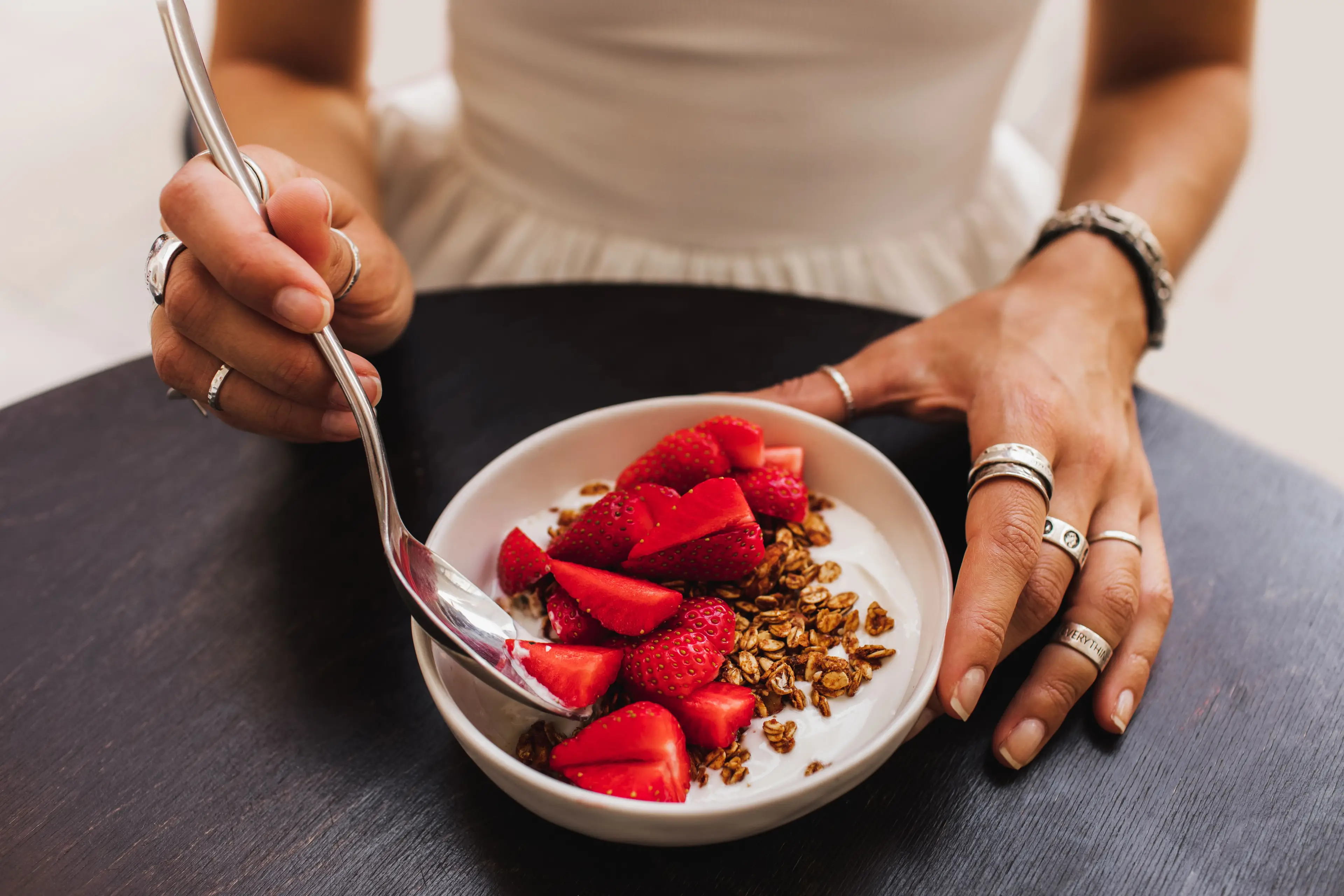
The expert, a scientist, dietitian and author of Fibre Power: Transform Your Energy and Feel Amazing, explained that by following the method, you will be able to get at least 10g of fibre in every meal.
Do it three times per day—you’ll hit your nutrition goal with ease.
“Think of it as a guiding principle for most days – include a whole grain where you can, add beans, lentils, or chickpeas through the week, and finish with a small handful of nuts or seeds for crunch (or even just have some later as a snack),” Dr Leeming explained.
“And above all, keep it flavourful. Food is meant to be enjoyed; choose combinations that make sense in terms of flavour, texture, and what you actually like to eat. It shouldn’t feel forced.”
How to use the 4-3-2 method?
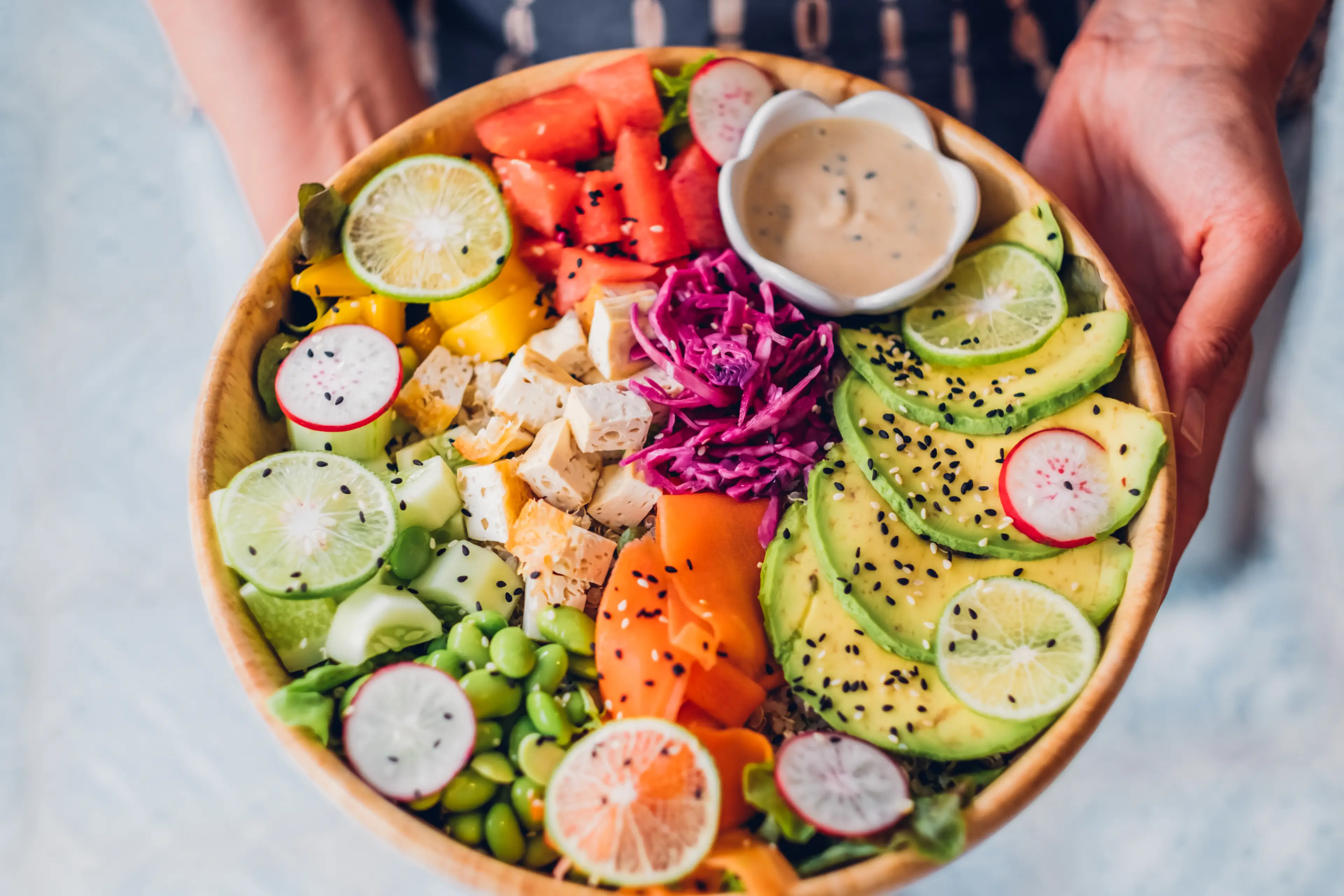
First, we start with the four, which refers in this instance to a quarter of your plate.
Dr Leeming suggests that at least one quarter of your meal should be a whole or intact grain like couscous, spelt, brown rice, or quinoa.
The Harvard School of Public Health explains that these items have a ‘milder effect on blood sugar and insulin than white bread, white rice, and other refined grains’.
A 100g portion of cooked brown rice has around 2g of fibre, while a typical dollop of whole grain pasta (170g cooked) has around 6.5g of fibre.
Your plate should then contain a third of a tin of beans or lentils (roughly 80g), according to Dr Leeming.
Split peas and lima, mung, and pinto beans are some of the most fibre-dense items you can pick up, but chickpeas, red lentils, and black beans are also good options.
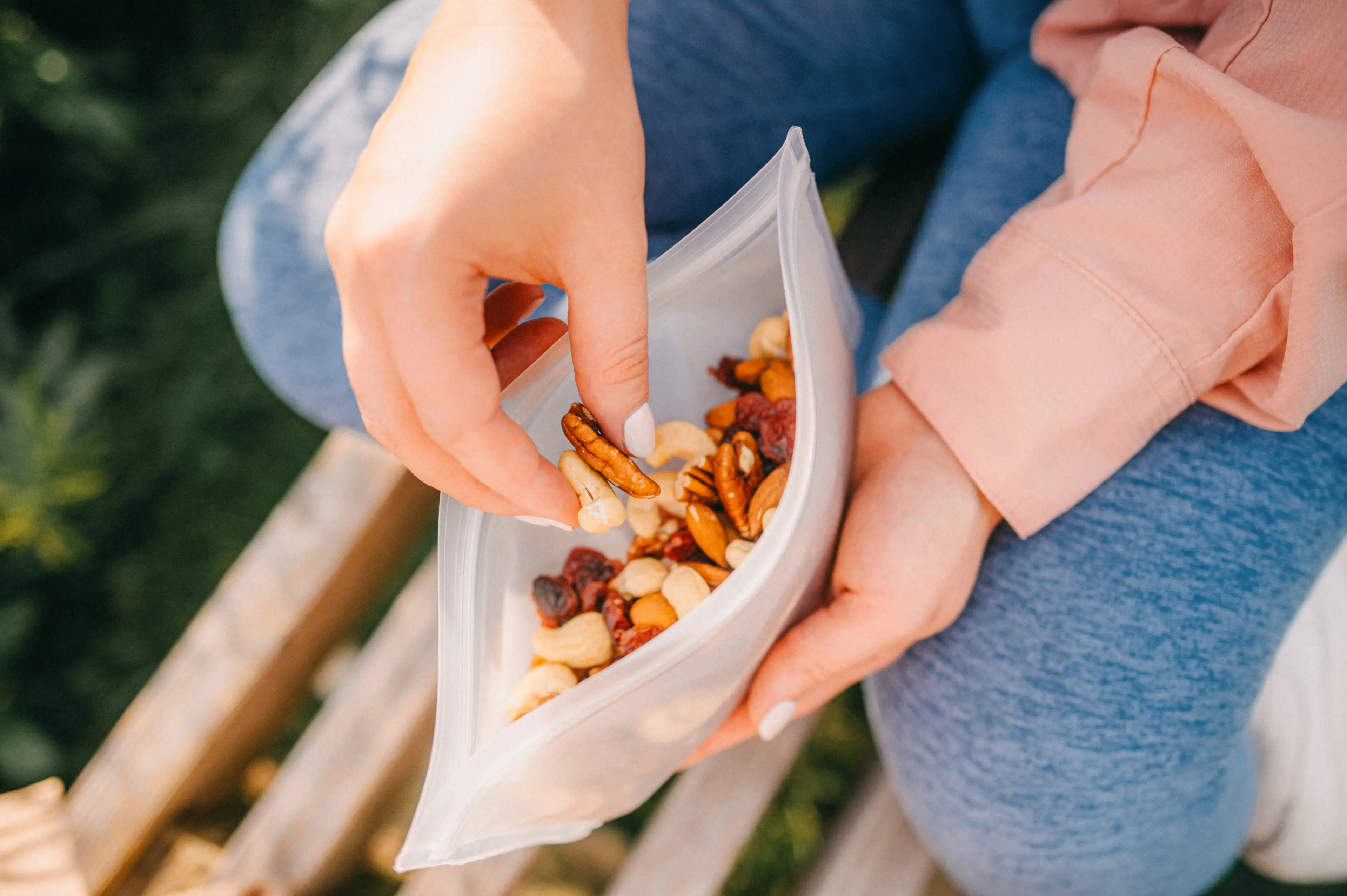
Finally, the expert wants every adult’s plate to include two spoonfuls of seeds, like flax or sesame, or nuts, including chestnuts, almonds, and pecans.
Nuts, packed with monounsaturated and polyunsaturated fats, help to lower ‘bad (LDL) cholesterol while reducing the risk of heart attacks and strokes.
If you’re struggling with how to incorporate seeds and nuts, you could take a leaf out of nutritionist Rhiannon Lambert’s book.
She told Hello! Magazine that she keeps a jar of mixed seeds on the kitchen table which she sprinkles on top of everything—yoghurt, porridge, toast.
“That one small habit increases fibre intake every single morning without anyone having to think about it.”
The rest of your plate should be made up of vegetables, protein, and healthy fats, the expert added.
 Ella Scott