The gut-health 'hero' dietitians swear by amid ‘fibremaxxing’ trend

People are slowly but surely being turned onto the TikTok trend of fibremaxxing: a movement that focuses on incorporating more dietary fibre into your daily routine, generally by eating more wholegrains, fruits, vegetables, pulses, legumes, and seeds.
For example, this could be topping cereal with banana, adding seeds to your morning porridge, or garnishing toast with baked beans like Gordon Ramsay and the England World Cup squad.
On average, an adult should aim for around 25 to 38g of fibre per day, but the British Heart Foundation claims most of us are only consuming 17g.
Not only can fibre keep bowel movements regular, but it can reduce the risk of heart disease, strokes, Type 2 diabetes and bowel cancer whilst also keeping hunger pangs at bay.
Advert
However, there’s a store cupboard staple that dietitians and nutritionists alike just cannot stop waxing lyrical about: chia seeds.
What are chia seeds?
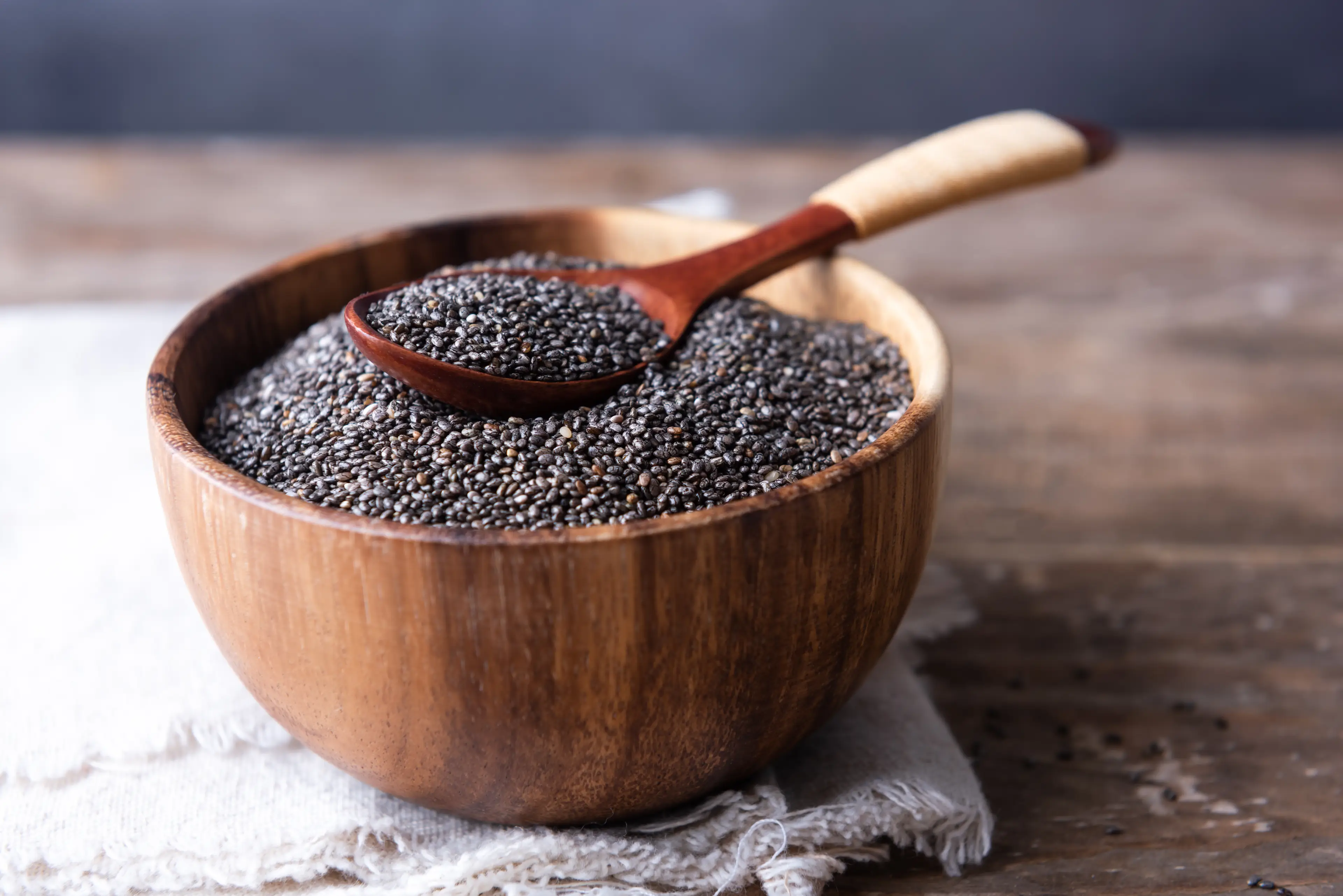
Chia seeds are nutrient-dense edible seeds from the Salvia hispanica plant, a member of the mint family native to Central America.
The item, often hailed as a so-called ‘superfood’ are considered to be hygroscopic, meaning they can absorb up to 12 times their weight in liquid.
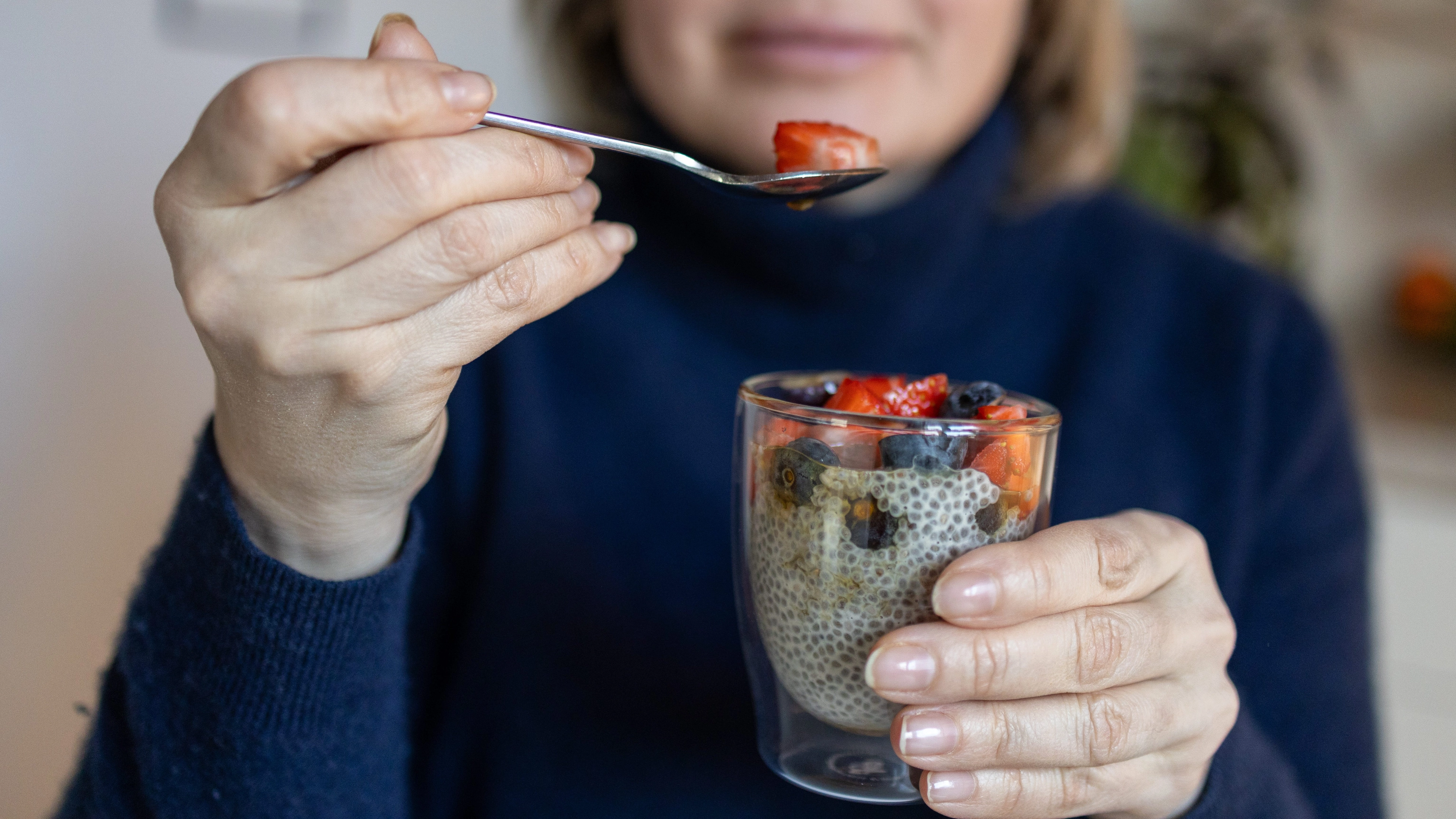
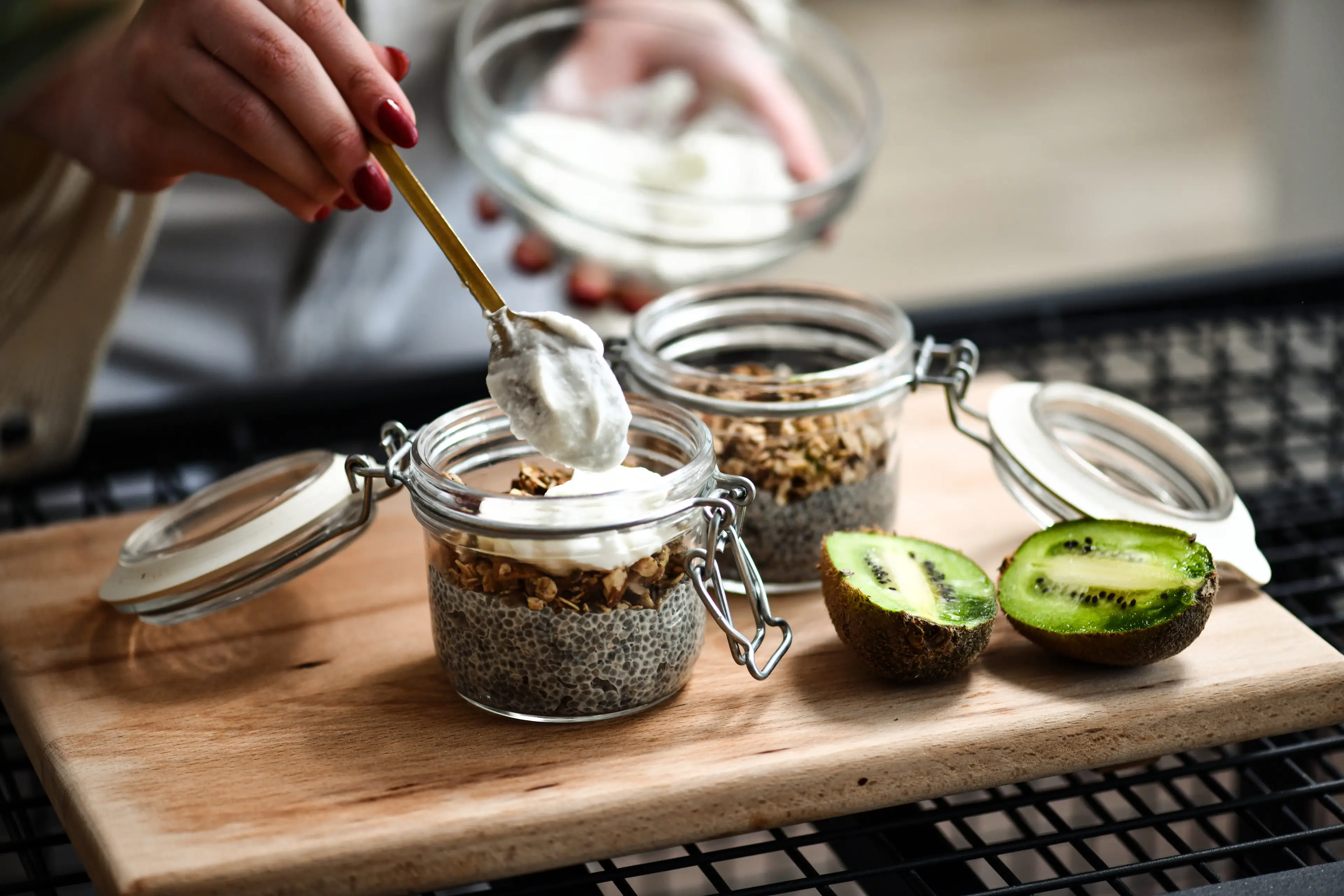
It’s not recommended, but you can eat them raw. However, experts would prefer you soak them in milk or fruit juice overnight to create a thick, Pinterest-favourite breakfast dish known as ‘chia pudding’.
They’re also a favourite dietary addition to those on so-called ‘fibremaxxing’ journeys, as a portion contains around 10g of fibre.
More health benefits of chia seeds
Fibre isn’t all that chia seeds have going for it, with the powerhouses being considered a good source of plant-based protein and omega-3 fatty acids.
Experts at Harvard Health suggest the food can help reduce blood pressure, lower cholesterol levels, and aid weight management efforts due to the gel-like substance taking form in your stomach, which decreases your appetite.
Chia seeds are also packed with antioxidants including tocopherols, phytosterols, carotenoids, and polyphenolic compounds, as per the school.
Thanks in part to their antioxidant content, they may protect against inflammation and Alzheimer’s disease, too.
How one teaspoon of chia seeds can improve gut health
Stephani Johnson, adjunct professor in the department of clinical and preventive nutrition sciences at Rutgers University School of Health Professions, has made a serious case for eating at least one teaspoon of chia seeds every single day.
She told VeryWellHealth: “Adding one tablespoon of chia seeds daily—which provides five grams of fibre—can help promote adequate fibre intake.
“In the short term, chia seed consumption helps increase stool bulk and promote regular bowel movements.”
The dietitian continued: “Chia seeds contain soluble fibre that is fermented by gut microbes, producing short-chain fatty acids such as butyrate. These compounds help maintain the intestinal lining, support immune function, and may reduce inflammation in the gut.”
Chia seed health warnings
Despite their health benefits, experts have issued a series of warnings about eating the gut-health 'hero', including what not to pair them with.
“When my patients say they are struggling with bloating after eating a meal rich in chia seeds, we often discuss the importance of eating chia seeds that have been soaked in fluid so they don’t continue to grow in their digestive system,” Brittany Brown, a dietitian and lactation consultant at Feeding Babies, Nourishing Souls, told EatingWell.
You should also avoid pairing your tablespoon of chia seeds with certain foods, according to experts at Verywell Health.
These include, but are not limited to:
- Dry granola
- Flax seeds
- Beans and lentils
- Cruciferous Vegetables
- Carbonated drinks
Regarding the latter, Morgan Pearson, a registered dietitian and health writer, had her say.
She claimed that while it wasn’t ‘dangerous’ to consume chia seeds alongside fizzy drinks, it can cause bloating.
“The bubbles from carbonation add extra gas to your digestive system, and chia’s soluble fibre can slow down digestion, which may leave you feeling overly full or gassy.”
Instead of reaching for your favourite Diet Coke can, try swapping for a glass of water instead, especially if you’re prone to digestive issues.
 Ella Scott