Serena Williams' health regimen including her reported supplement 'staple'

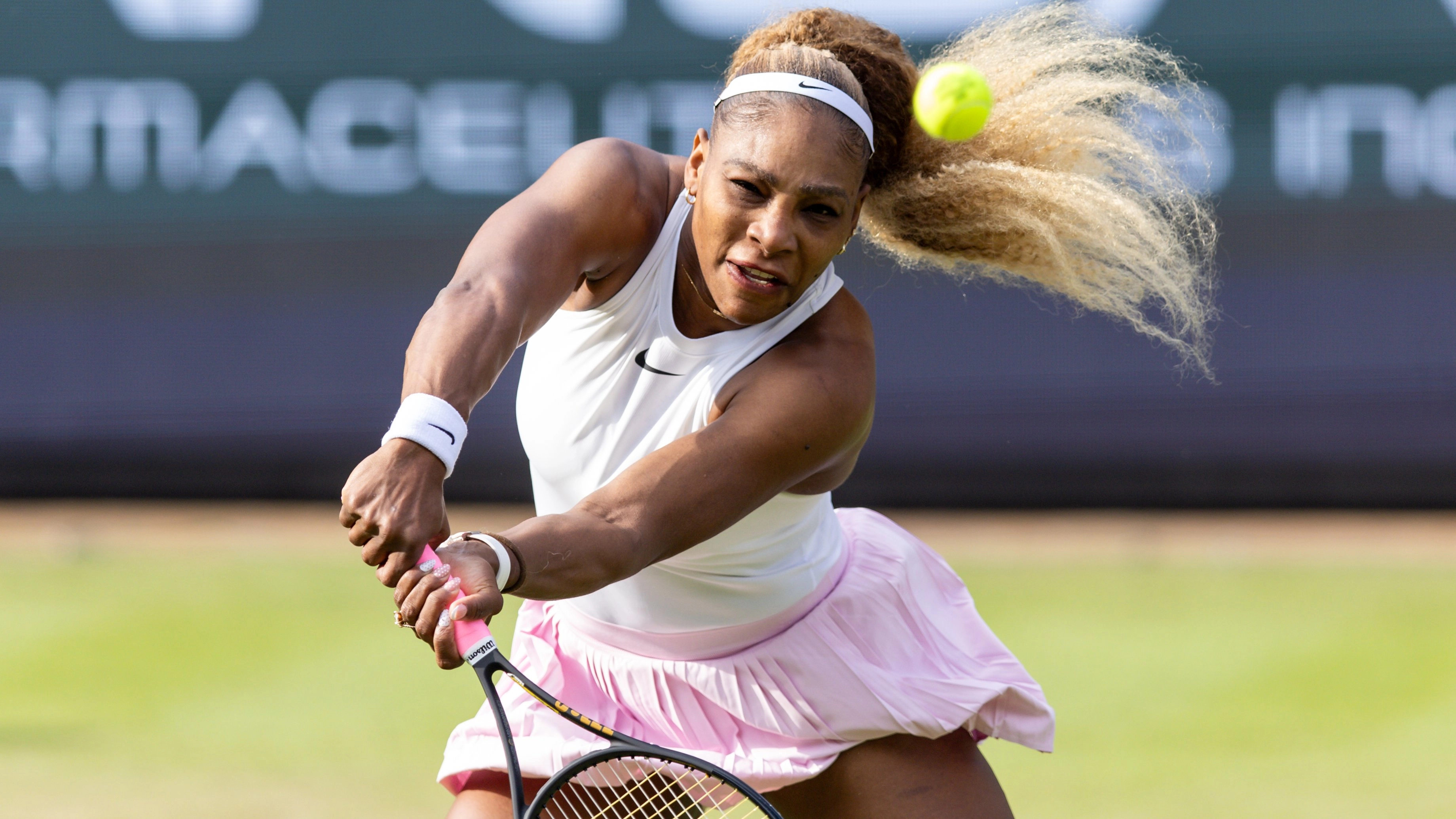
Serena Williams has officially broken her four-year Wimbledon Championships hiatus thanks to organisers granting her a coveted Wild Card.
This year’s contest kicked off on Monday (29 June), with arguments ensuing ahead of time regarding the price of a punnet of strawberries and a glass of Pimm’s.
Williams, 44, started her campaign in SW19 on Tuesday (30 June) in a first-round bout against Australia’s Maya Joint, falling to a 6-3 6-7 (6) 6-3 defeat against the 20-year-old.
Her return to Wimbledon comes amid news that she started using GLP-1 medications, designed to regulate appetite, blood sugar, and digestion, and a slew of supplements that she swears by, including magnesium.
GLP-1 medication usage

Advert
The former No. 1, like other celebrities, including Oprah Winfrey and Tracy Morgan, has openly admitted to using GLP-1 medications to lose weight.
“I never was able to get to the weight I needed to be no matter what I did, no matter how much I trained,” she told People Magazine in August 2024.
“It was crazy because I'd never been in a place like that in my life where I worked so hard, ate so healthy and could never get down to where I needed to be at.”
Admitting that she had ‘never taken shortcuts’ and ‘always worked really hard’ in her career, Williams said it was ‘frustrating’ to do ‘all the same things and never be able to change that number on the scale’ or how her body looked before she turned to Ro, a direct-to-patient healthcare company, for additional support with a GLP-1 treatment which her husband, Alexis Ohanian, is an investor in.
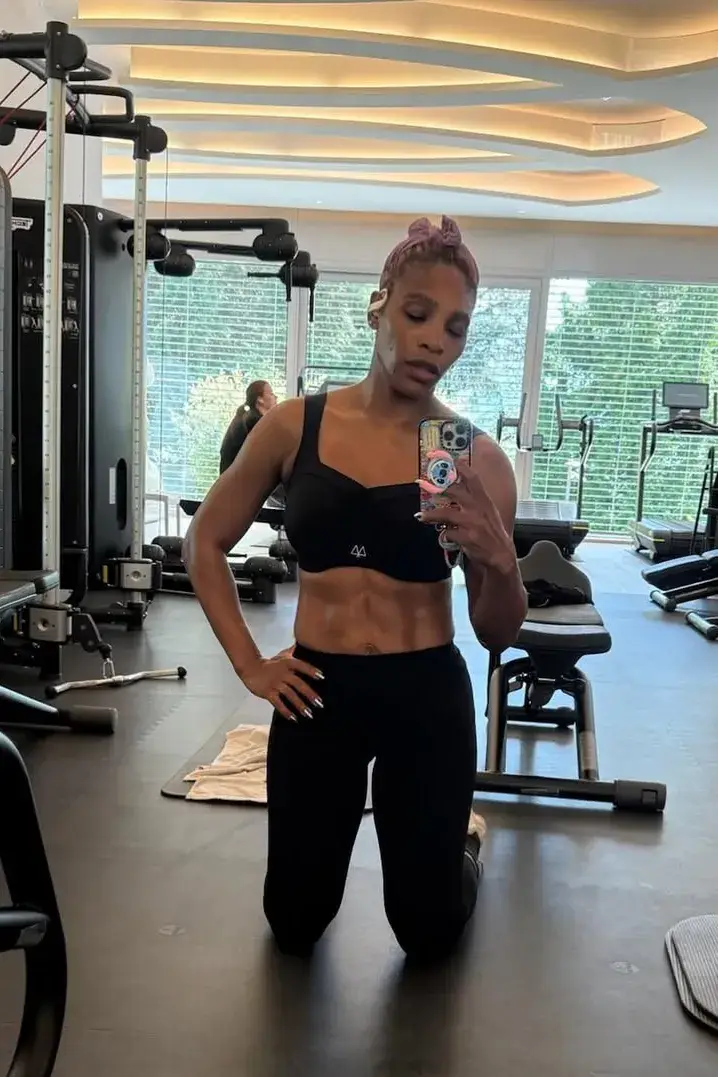
The mother-of-two said she did a ‘lot of research’ before taking the drugs, which have helped her lose roughly 34 pounds in the last year, as per an interview with NBC News in January.
She said that the medication is ‘a lifetime thing’ for her and that she was allegedly at risk for heart disease prior to using them.
“I was at risk for heart disease, and I didn’t even know that,” Williams claimed.
“That’s kind of scary, and that’s the No. 1 thing that kills Americans. So I could have been a statistic.”
What Serena Williams eats in a day
Despite losing 34 pounds in about a year with Ro, the 23-time Grand Slam champion has not revealed what she eats on her GLP-1 diet.
However, the six-time US Open winner has given insight into her diet over the years, including in 2021 when she told Women’s Health that her philosophy was to ‘eat to live’ not ‘live to eat’.
"I want to have a healthy lifestyle and, so you know, a lot of greens and mostly plant-based lately, just super healthy stuff.
“You need it to survive. And very hard to live by, cause I definitely love to snack, but this is what I want. These are my goals. I love cooking. I don't have a ton of time to do it often, but I love cooking and it's just kind of relaxing for me.”
Gave up oats for breakfast
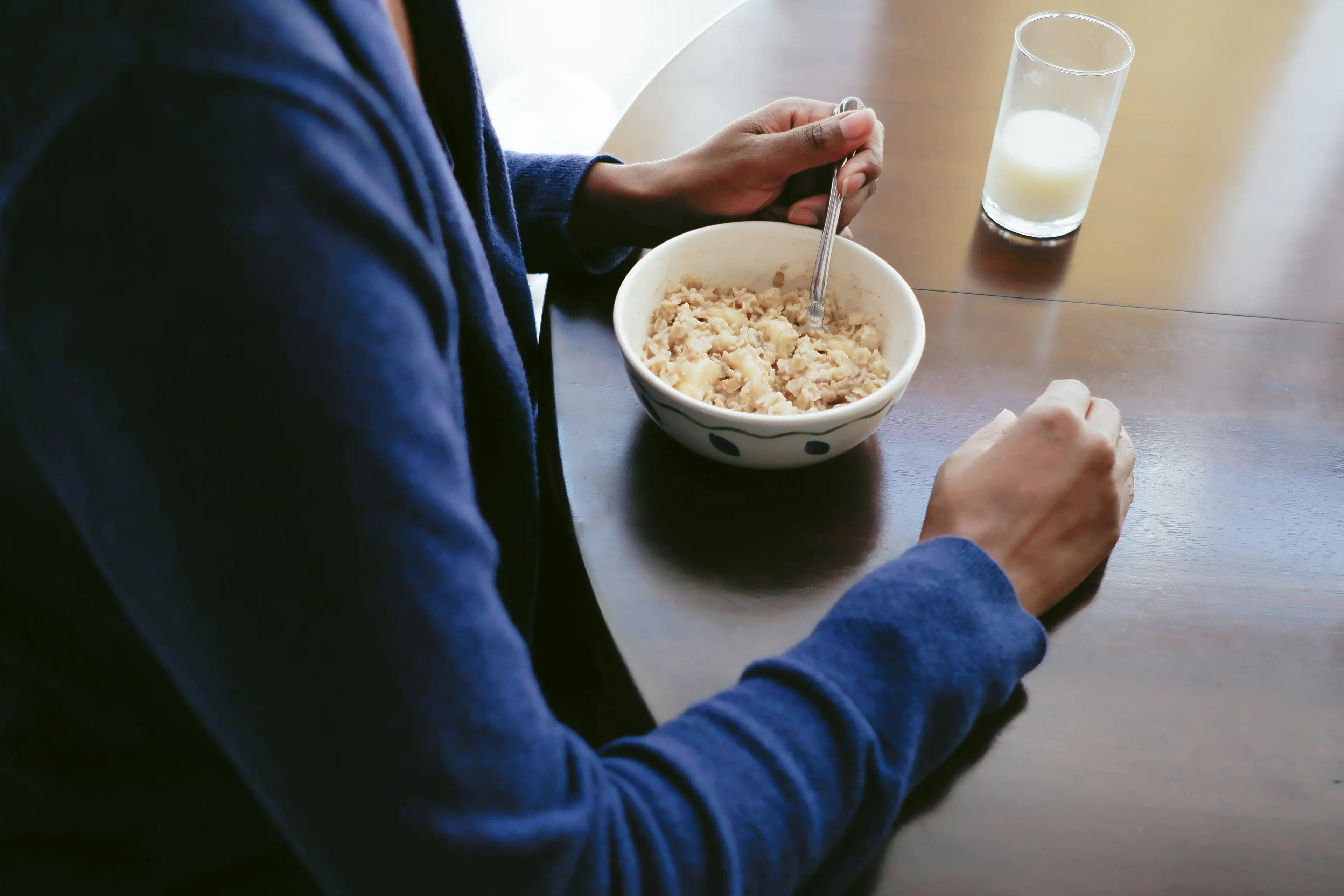
Previously, Williams would reach for oatmeal for breakfast - a habit that changed after using a glucose tracker.
"I eat a lot of oatmeal in the morning," she told Yahoo! Life last February
"That was my go-to every morning: oatmeal or a smoothie. But certain foods like that, that I considered my staples, spiked my glucose levels. So I had to kind of change how I thought about it."
Despite their demonisation, Dawn Jackson Blatner, a nutritionist in Chicago, said oats are a ‘nutrition powerhouse’.
“They’re packed with soluble fibre, which may lower cholesterol, support gut health and keep you full,” she explained to Good Housekeeping. “And because they are a whole grain carb, oats digest gradually, which helps give steady, long-lasting energy without a crash.”
Marisa Moore, a nutritionist from Atlanta, said that eating the breakfast staple can actually help manage blood sugar, reduce blood cholesterol levels and support heart health.
Mainly follows a plant-based diet
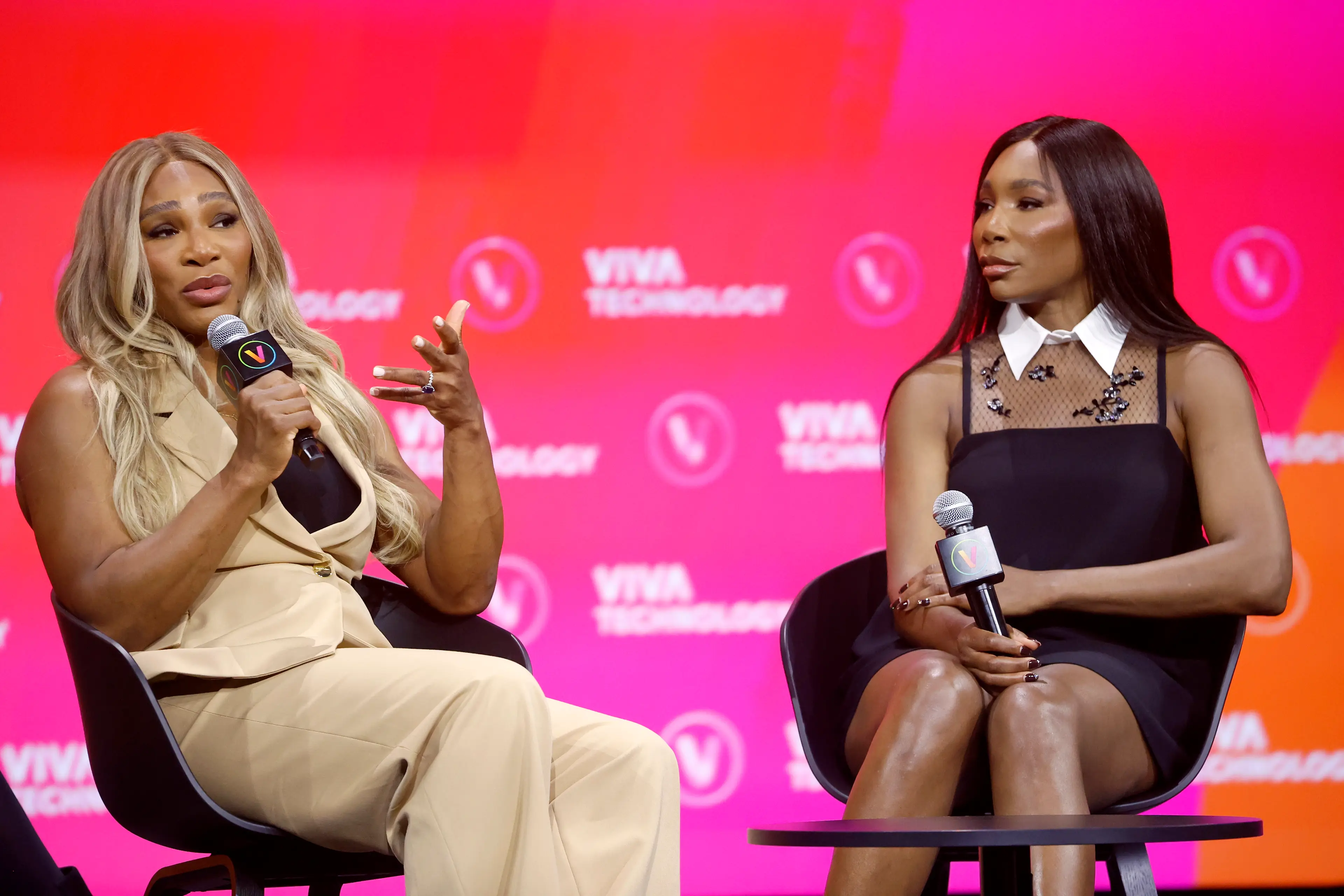
Rather than being a strict vegan like her sister, Venus Williams, the mother-of-two tries to follow a mostly plant-based diet.
She first tried abstaining from meat and animal products when her sibling was diagnosed with an immune system disorder called Sjogren’s syndrome.
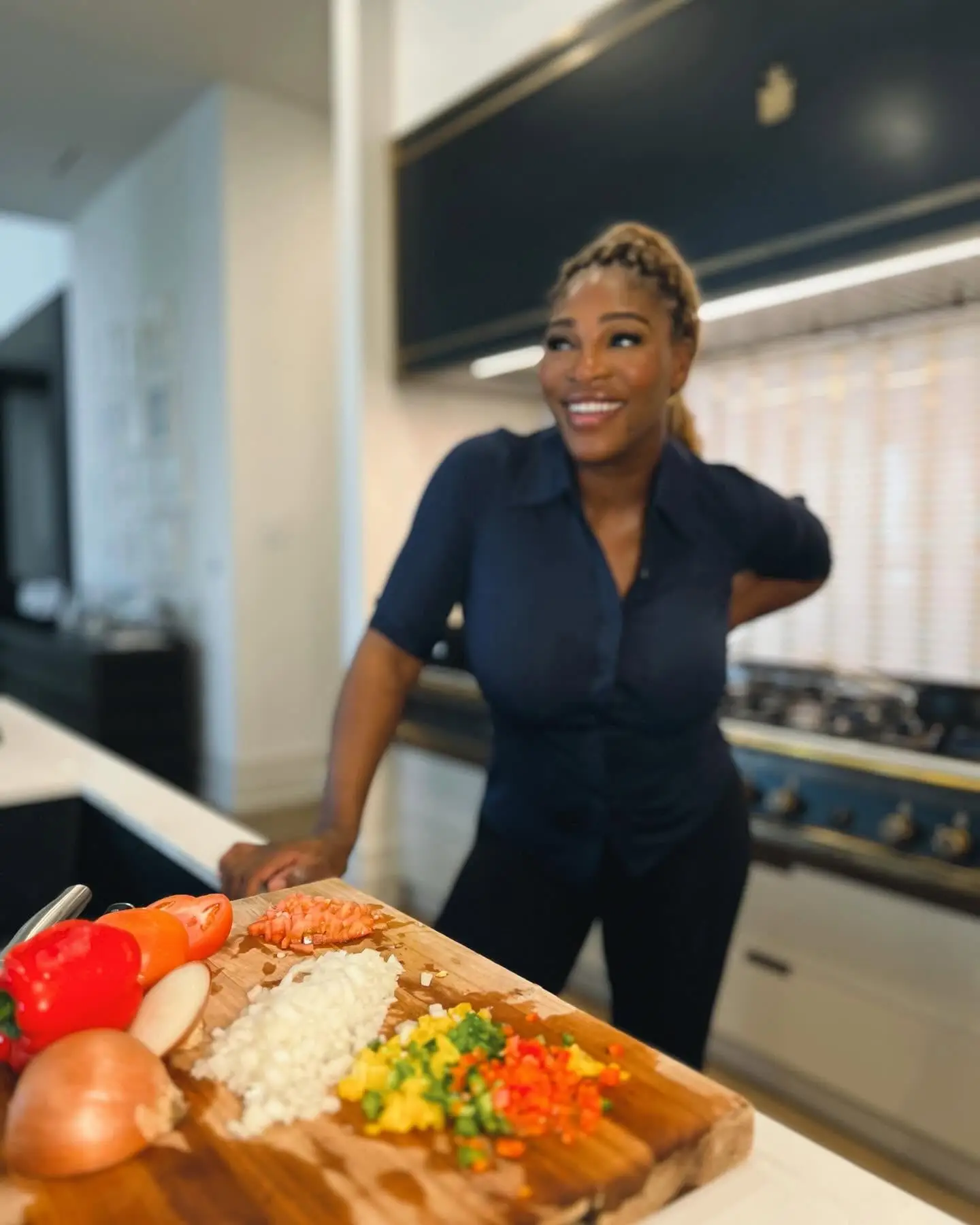
Some of the dishes she’s turned to in the past include bean burgers and gluten-free bean burritos.
Before a match, she apparently likes to eat ‘lots of greens’, fruit, a handful of carbs and some sort of protein.
She loves home cooking
In an interview with USA Today, Williams said she cooks nutrient-dense food from a ‘trusted source’ for her children, Olympia, eight, and Adira, two, around five to six times per week.
“I love cooking,” she said. “I don’t have a ton of time to do it often, but I love cooking and it’s just kind of relaxing for me.”
Some of her favourite dishes include tacos, her mother’s chicken, rice and gravy recipe, gumbo and something she calls a ‘seven-bean delight’, as per a 2013 interview with Bon Appétit.
“[It] really only has five beans, but don’t tell. Everyone loves my roasted chicken with garlic; for a minute, it was my turkey tacos. Now it’s vegan sushi. I just love to cook!”
But she’s not afraid of a sweet treat having whipped up a ‘chocolate ganache ‘Matilda’ cake for one of her daughters’ birthdays earlier this year, as seen via Instagram.
Meal-prep partnership
Williams, who made her professional return to tennis earlier this month, leads a busy lifestyle, which means she doesn’t always have time to cook.
To keep healthy on the go, the athlete has teamed up with Factor, the world’s leading ready-made meal delivery service.
"I've always been intentional about what I eat because performing at the highest level starts with taking care of yourself,” she explained of the partnership.
“Factor makes eating well easy with meals made from real ingredients that are ready when I am.
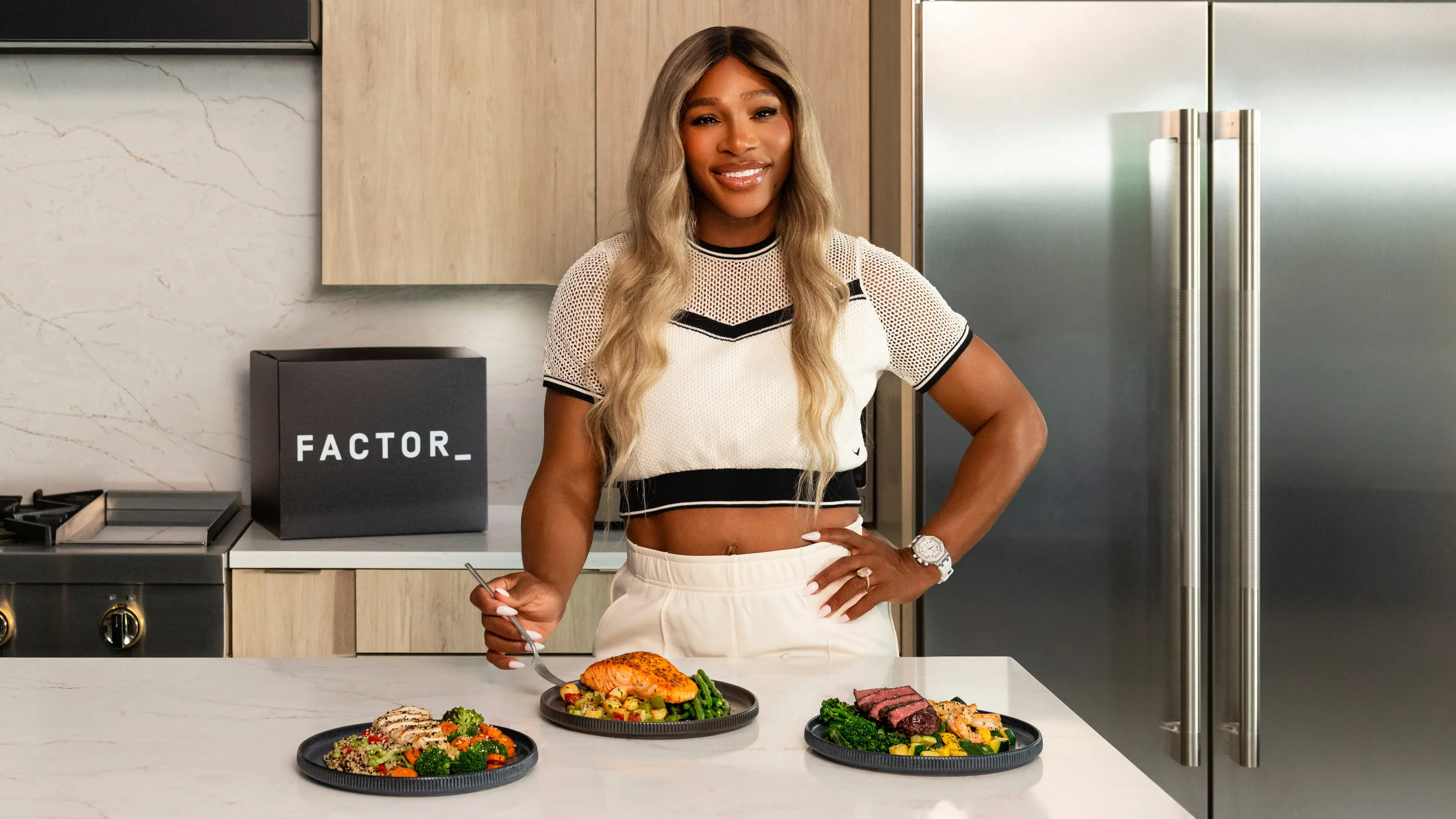
“As a busy mom and athlete, having that kind of quality and convenience is something I truly value.”
The Serena Williams x Factor Collection is set to feature a weekly rotating selection of meals personally chosen by the legend.
According to a press release, the menu will feature high-protein, nutrient-dense meals and GLP-1-friendly options ‘designed for those who refuse to compromise on quality, nutrition, or flavour’.
Supplements she swears by
The seven-time Wimbledon singles champion, who recently became Ritual’s first women’s health advisor, swears by the brand’s magnesium supplement, engineered to support muscle and nerve function, along with sleep.
“It’s become a staple in my routine,” she told Women’s Health US. “I love how it helps with my sleep, stress, and muscle recovery.”
She also uses a multivitamin from the brand (’It’s a small thing, but it sets the tone for how I take care of myself’) as well as a 3-in-1 capsule featuring prebiotics, probiotics, and postbiotics to support gut health.
Since taking the cocktail, Williams claims her energy levels are steadier and her recovery from exercise is ‘better’.
“My goal is to feel strong, balanced and energised throughout the day so that I’m fully grounded, whether I’m in a boardroom meeting or playing with my daughters,” she added.
According to a study published in Ceureus, magnesium can help to prevent and manage conditions such as cardiovascular diseases, migraines, and type 2 diabetes.
The NHS states that adults require between 270 mg and 420 mg per day of the nutrient.
If you don’t fancy taking a supplement, then good sources include: dark leafy green vegetables, whole grains, and dark chocolate.
 Ella Scott