Everything that happens to your body when you do Dry January

January has a habit of arriving loudly with its new calendars, emptier wallets, and a collective promise to be a bit better than we were in December, drinks-wise.
Dry January has become a familiar fixture in the post-Christmas calendar, whether you’re committing fully, cutting back, or just curious about what a month without alcohol might actually do.
For some people, it’s about undoing a few excesses. For others, it’s a reset button: a way to see how their body feels without regular pints, glasses of wine, or late-night cocktails.

Advert
What’s more, while the idea sounds simple enough, the knock-on effects of ditching alcohol for 31 days often reach far beyond the drinks cabinet.
Dry January might mark the start of a permanent shift away from drinking, or it could just be a short break before habits settle back in. Either way, the body tends to notice when alcoholic drinks are taken out of the equation, even if those changes are only temporary.
That’s because, as the Gladstones Clinic has told Tyla, alcohol quietly interferes with more systems than many people realise.
Sleep and energy
Sleep is often one of the first things to change. Without alcohol disrupting REM cycles, many people find they fall asleep faster, wake less during the night, and feel more refreshed in the morning.
Energy levels often follow suit, with fewer sluggish afternoons and less reliance on caffeine.
Skin
Skin can also benefit really well from Dry January. Like how certain foods can secretly damage your skin, alcohol dehydrates the body and can aggravate inflammation, which may show up as dullness or breakouts. A month off gives your skin a better chance to retain moisture and settle down, leading to a healthier appearance overall.
Weight
Internally, the effects can be just as noticeable. Alcohol is calorie-dense, so cutting it out can reduce daily calorie intake with an improved diet without changing meals. That, combined with fewer late-night snacks, may support weight management.
Blood pressure
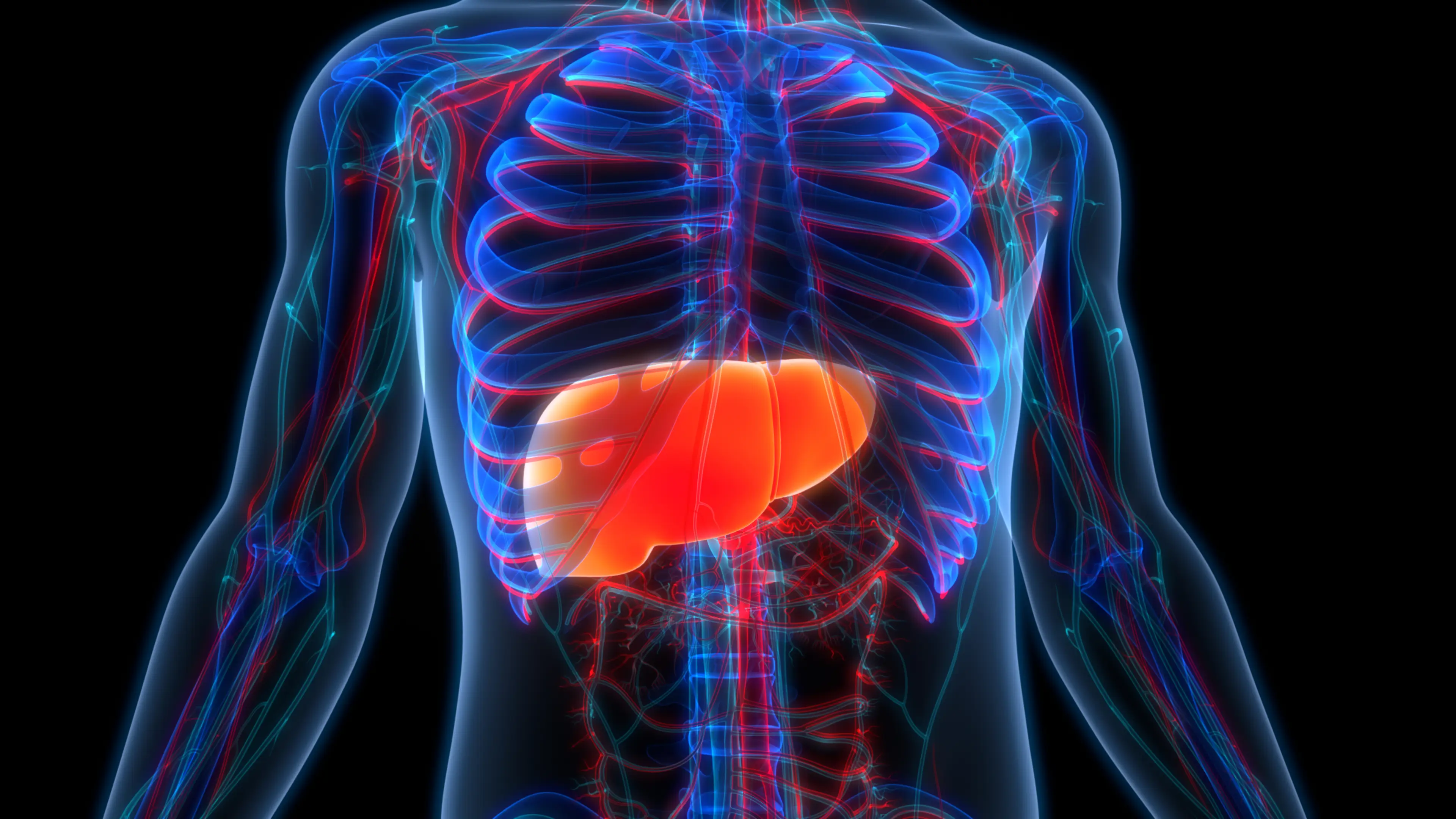
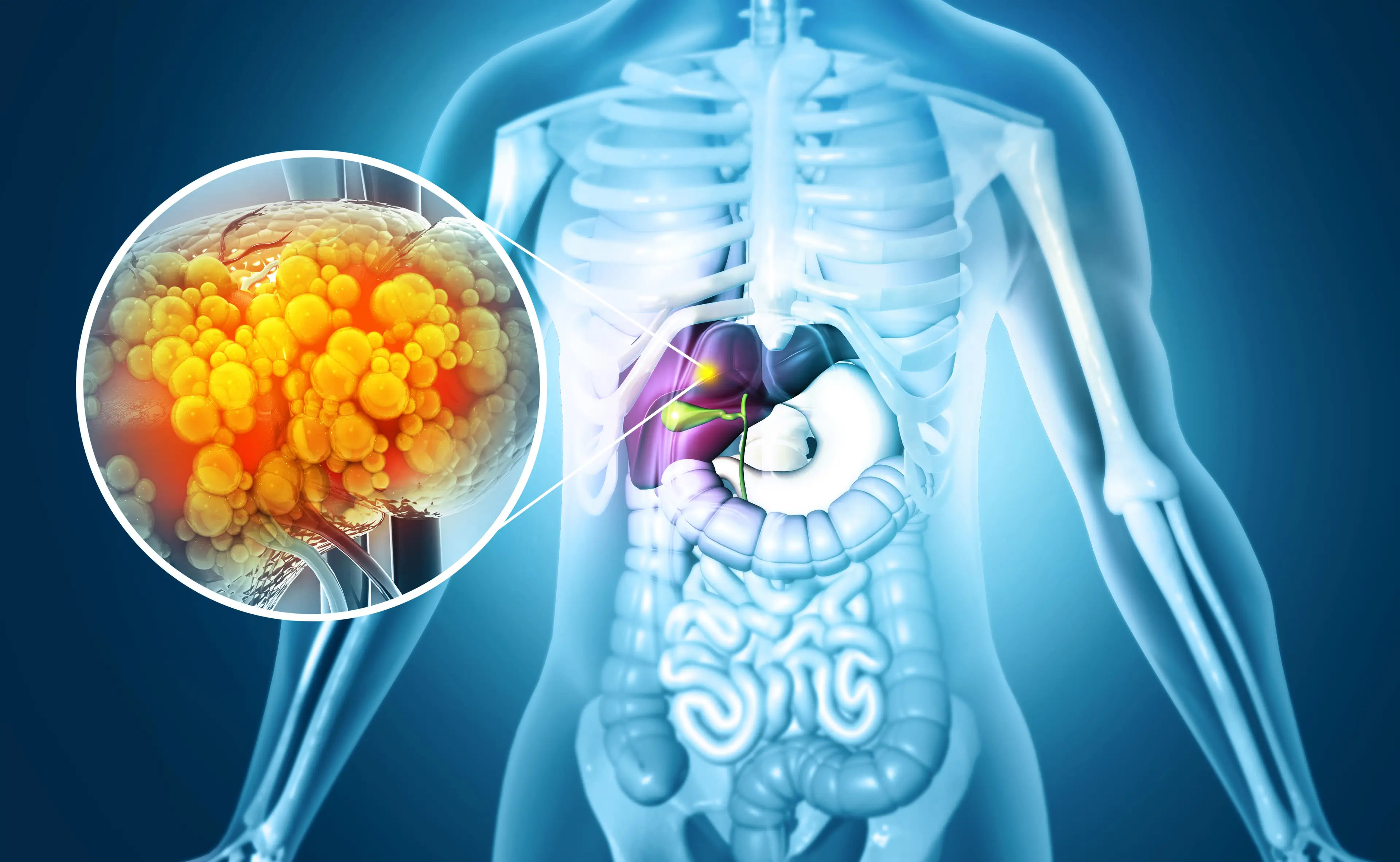
Blood pressure can drop, easing strain on the heart, while the liver (an organ that works hard to process alcohol) gets a chance to recover, reducing fat and inflammation.
Mental health
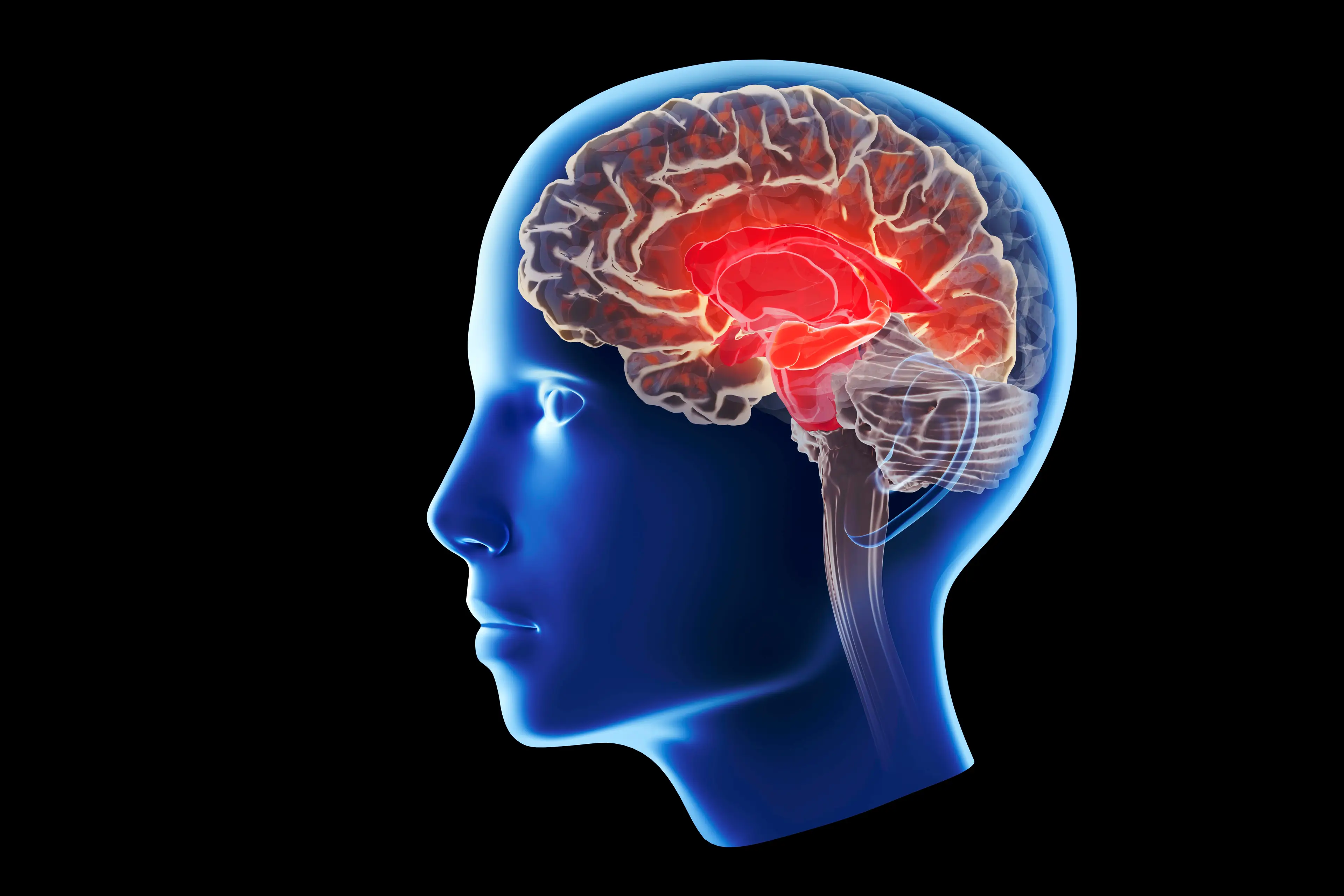
Mental health is another area where people report changes. Alcohol can heighten anxiety and low mood, both while drinking and the day after. Removing it often leads to more stable moods, clearer thinking, and better focus at work or home.
As Dr. Dave Barker, addiction specialist at Gladstones Clinic, explains: “Even just a month without alcohol can reset your body and mind in incredible ways. The long-term benefits go far beyond January, often leading to healthier habits that last well into the year.”
Immune system
There are lifestyle perks, too. Better hydration, a stronger immune system, and even improved social connections can come from having more energy and a clearer head.
Of course, finally, there’s the money saved: a small but satisfying bonus that can reduce stress in its own right.
 Ben Williams