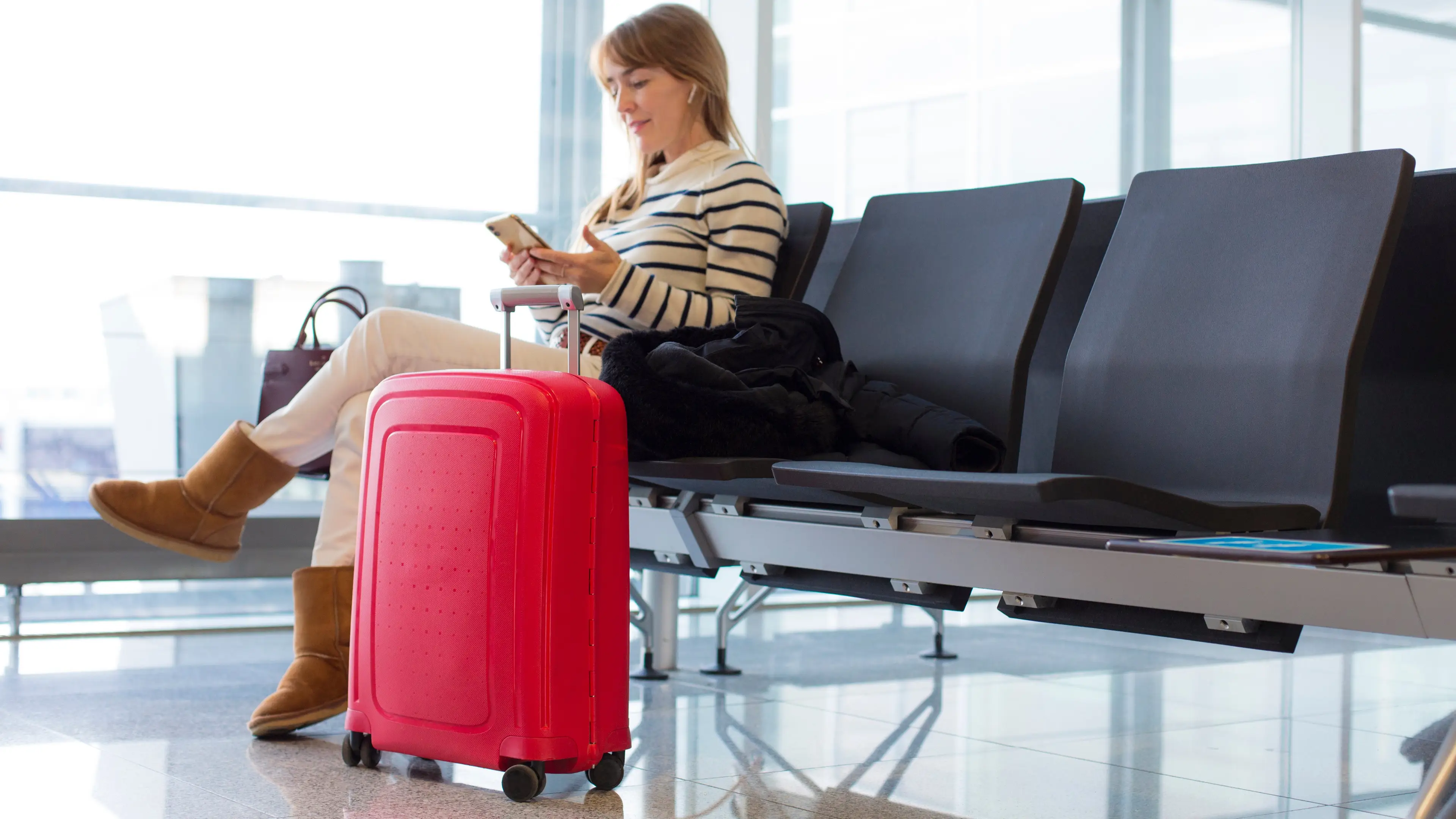
There's one type of alcohol that's strictly prohibited in your plane luggage

Alcohol is often synonymous with holidays abroad, with many of us reaching for an annual airport pint before we’ve even set foot on the plane.
If it’s a lads or girls holiday on the cards, then you may be tempted to pick up a bottle of Duty Free alcohol, or even place a sealed bottle from your pantry in your carry-on luggage to get the party started as soon as you check in.
But the latter practice may land you in deep water, because some spirits are prohibited from being brought onto flights.
Redditors have been debating online, with some claiming officials have even confiscated their liquor.
Advert
When one user asked if alcohol bottles were ‘allowed’ in checked in luggage, another frequent traveller typed: “You should be fine, just make sure they’re packed safely to where they won’t break.”
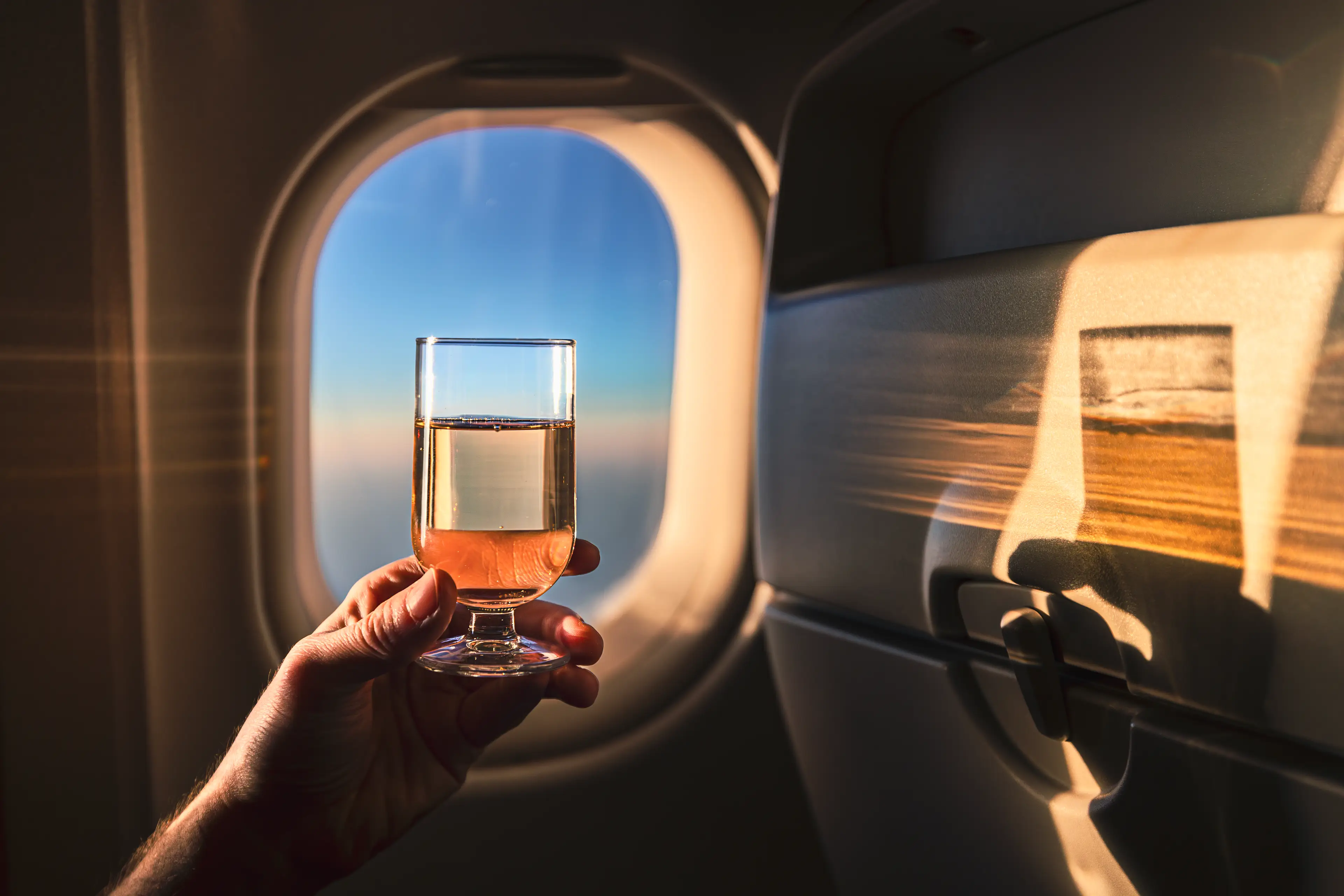
“Yes, but no ultra high proof alcohol like 151, everclear etc. Those are considered hazardous materials,” replied someone else.
And it turns out that the latter is right: some alcohol is prohibited from being tucked into your carry on bag - and here’s why.
Alcohol that is forbidden on commerical flights
Ryanair confirmed on its website that alcohol with an ABV of more than 70 percent (140 percent proof) is ‘strictly prohibited on board and in checked luggage.
Alcohols that fall into this prohibited flight category include: Everclear, a grain-based spirit from the United States, Bacardi 151 rum, Rasputin Vodka, and Scottish Bruichladdich X4 Quadrupled Whiskey.
These high-proof spirits are considered highly flammable and thus poase a fire risk in the aircraft cabin and cargo hold.
But that doesn’t mean that all alcohol is banned on flights.
Alcohol you can take on commercial flights
EasyJet stated that alcohol with an ABV lower than 70 percent can be brought onto the plane in either an airport shopping bag or in your cabin luggage.
Meanwhile, British Airways flyers have ‘no limit’ on the number of beverages they can travel with, as long as their alcohol volume is below 24 percent.
Up to five litres worth of alcohol with a volume between 24 and 70 percent can be brought on a British Airways plane.
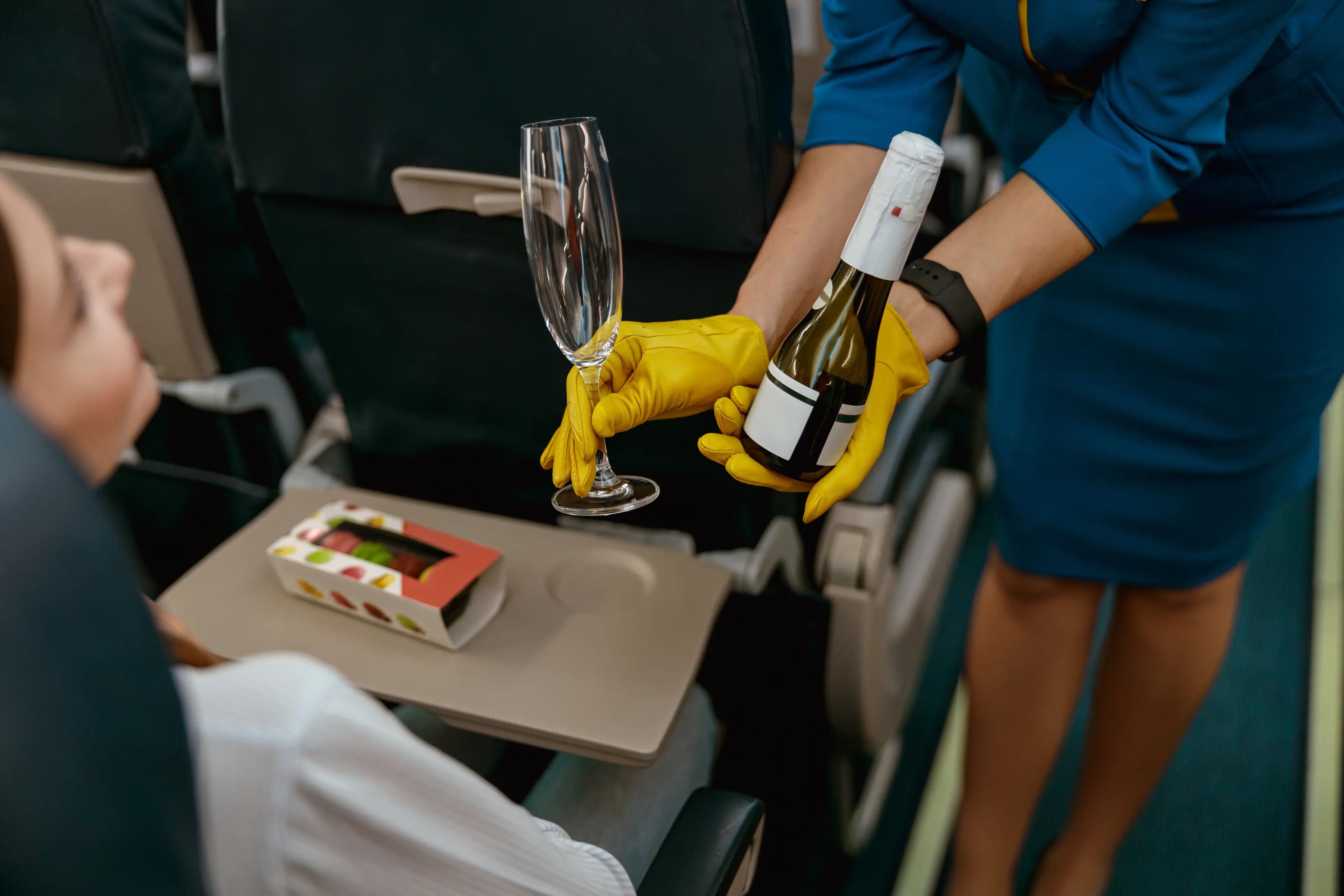
Anyone carrying more than five litres will have to declare their drink and may be forced to pay VAT on it.
It is ‘strictly forbidden to drink any alcohol that has not been purchased on board the aircraft, and those found consuming their own alcohol may face prosecution,’ the business added.
It’s worth checking with your individual travel provider if it is okay to bring alcohol on your flight.
You can’t be drunk on a flight
In the UK, it is a criminal offence to enter an aircraft when drunk or to be drunk while on an aircraft.
Penalties for anyone who is intoxicated can include fines up to £5,000 and up to two years in prison.
In cases where an intoxicated passenger's behaviour forces a flight to divert, they could potentially face a bill of up to £80,000 to cover the airline's costs, as per Travel Supermarket.
How to drink alcohol responsibilty on the plane
According to Jo Woodhurst, nutritionist and head of nutrition at Ancient and Brave, you can sometimes feel ‘more tipsy’ while drinking on a plane compared to when you’re on the ground.
“Whether or not you’re in an aeroplane, alcohol can disrupt the absorption of oxygen in the bloodstream,” she explained to Condé Nast Traveller.
“Therefore, being at a higher altitude, coupled with this effect on your blood oxygen, may make you feel more tipsy – think dizzy, lightheaded, or even nauseous.”
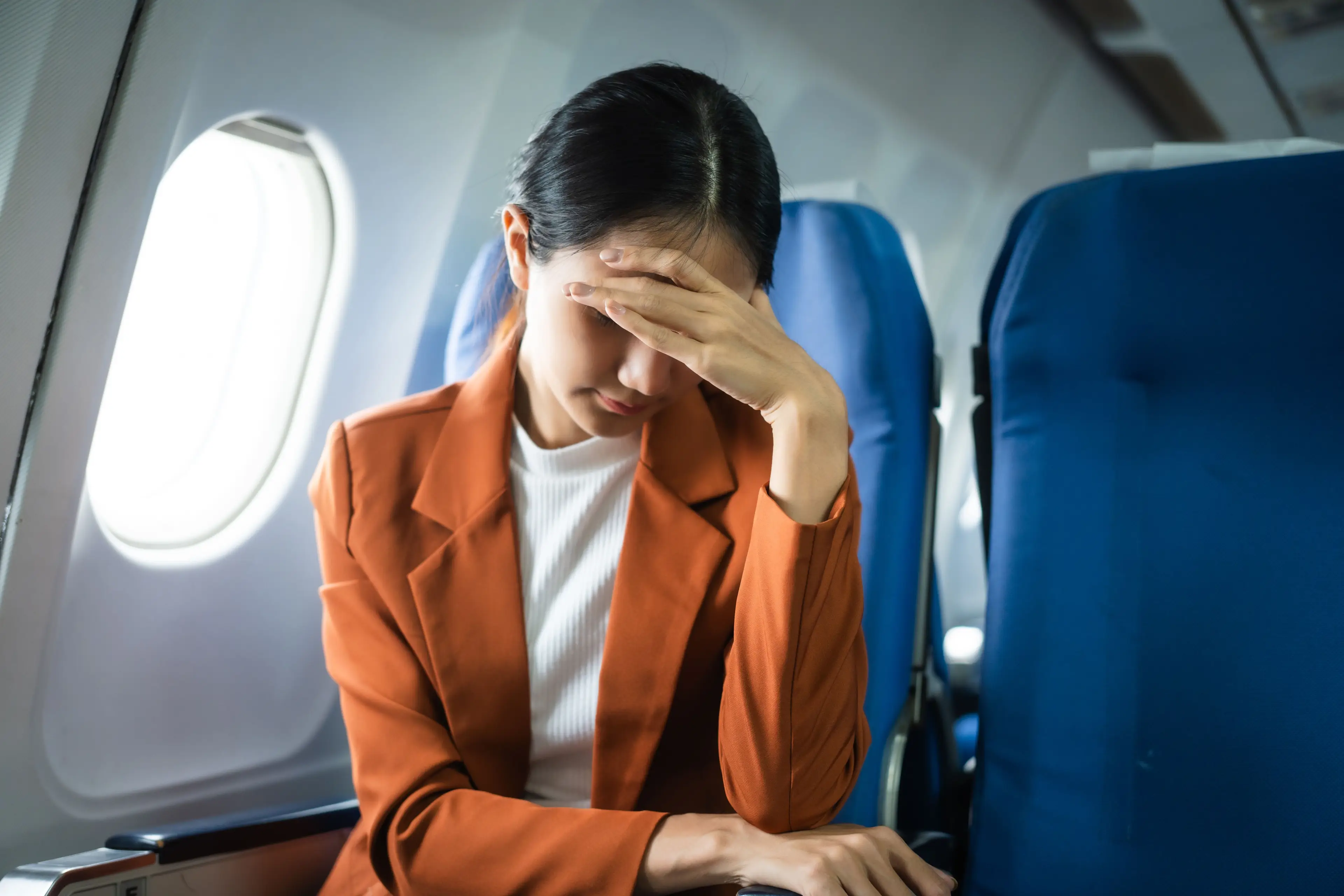
Woodhurst said that you should try not to drink on an empty stomach while flying, and that matching your beverages with water and some electrolytes may ‘help to prevent dehydration’.
It’s also important for nervous flyers who rely on booze to ‘figure out what can actually help nerves’.
“While it may initially feel like you're more relaxed after drinking alcohol, this effect can wear off and in fact, in terms of anxiety, make things worse,” she reasoned.
Calm recommends trying guided meditations, mindful breathing, and journaling instead of reaching for the bottle.
 Ella Scott