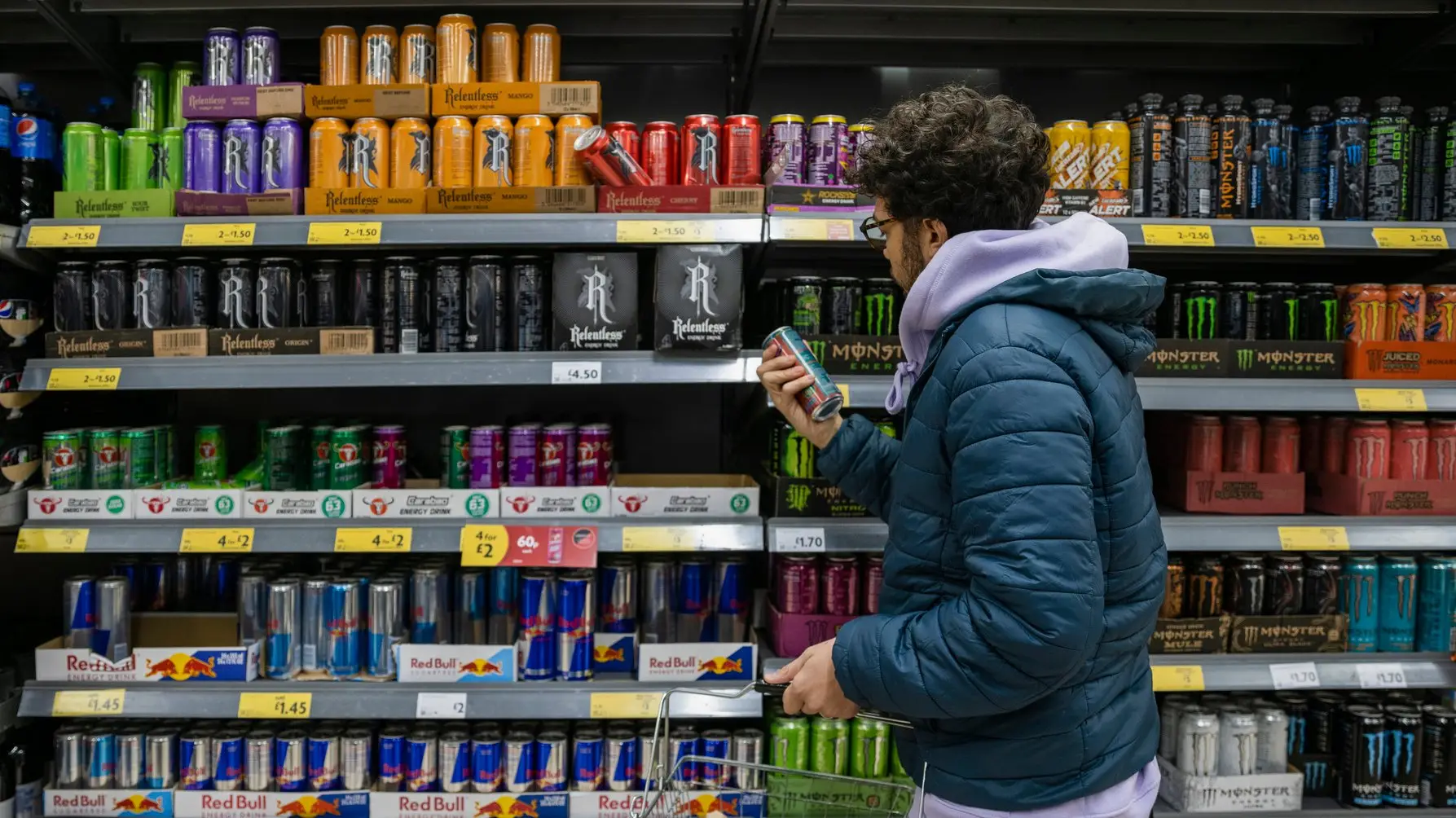
Major energy drink warning after man suffers stroke from daily habit

For many people, grabbing an energy drink has quietly become as routine as checking their phone in the morning. After all, the general pitch for these caffeinated beverages is added focus, stamina, and a quick boost to get through the day.
Whether it’s students cramming for deadlines, shift workers powering through long nights, or gym-goers chasing an extra surge of adrenaline, the brightly coloured brands have carved out a huge space in everyday life.
However, behind the slick advertising and high-octane imagery, doctors say there’s a growing concern that too many people simply don’t know what they’re putting into their bodies.
Advert
With some drinks packing hefty quantities of said caffeine, sugar, and other additives, clinicians argue that the risks deserve far more attention than they currently receive.
Now, one alarming case is prompting fresh warnings that the consequences may be far more serious than most realise.
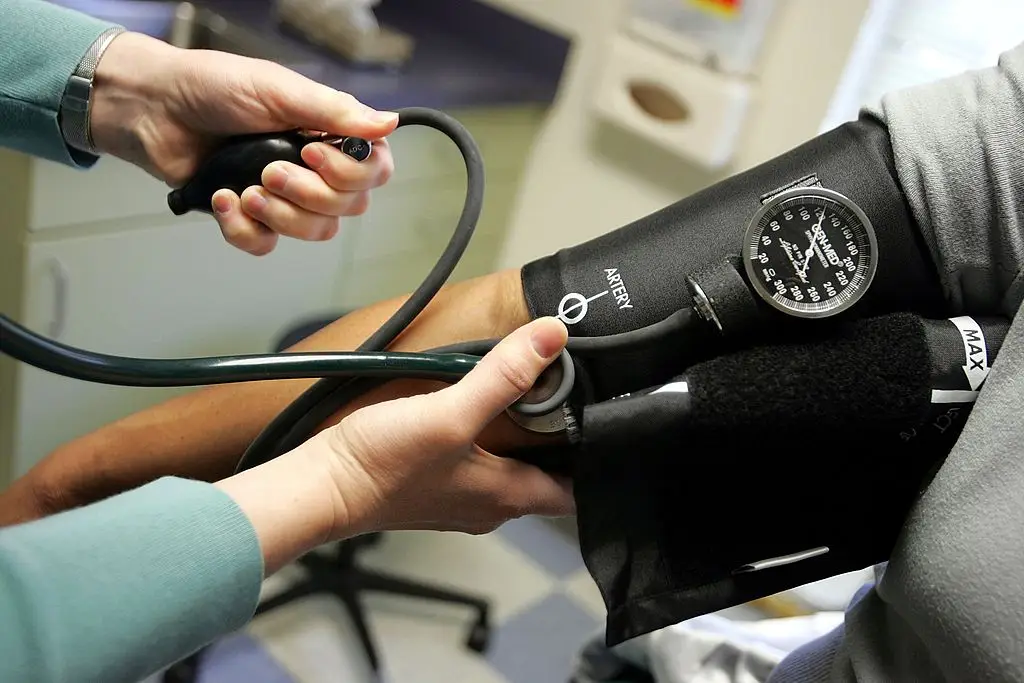
Doctors in Nottingham revealed that an otherwise fit and healthy man in his 50s suffered a stroke after drinking an average of eight energy drinks a day. His blood pressure on admission was measured at an extremely high 254/150mmHg. On further investigation, clinicians found he had been consuming around 1,200mg of caffeine daily, despite the recommended maximum intake being 400mg.
The case was reported in the medical journal BMJ Reports, where the man was quoted as saying: “I obviously wasn’t aware of the dangers drinking energy drinks were causing to myself. [I] have been left with numbness [in my] left-hand side hand and fingers, foot and toes even after eight years.”
After being asked to give up the drinks entirely, his blood pressure returned to normal, and he no longer required medication.
Doctors concluded: “It was therefore thought to be likely that the patient’s consumption of highly potent energy drinks was, at least in part, a contributive factor to his secondary hypertension (high blood pressure) and in turn his stroke.”
Medical teams say the case highlights how little public awareness there is around both the short- and long-term dangers of excessive energy drink consumption.
They explained: “There is regular publicity about health effects of alcohol and smoking, but little about the increasingly prevalent modifiable lifestyle trend of energy drink (ED) consumption.”
They added: “As our case and discussion illustrate, it is possible that both acute and chronic intake of EDs may increase CVD (cardiovascular disease) and stroke risk, and importantly, this may be reversible.”
With millions of people drinking them daily, and marketing often aimed at younger consumers, doctors are now calling for greater regulation of energy drink sales and advertising. They also stress that healthcare professionals should be prepared to ask patients directly about their energy drink habits, particularly if they present with unexplained hypertension or stroke-related symptoms.
 Ben Williams