Chinese survival snack becomes unlikely global trend worth $8.9 billion

The world is apparently obsessed with a viral Chinese snack originally invented to sustain a community during a devastating food disaster in the late 1990s. Here's everything you need to know, including where you can get your hands on it in Britain.
When you think of traditional Chinese food, you may initially land on soup-filled Xiao Long Bao, Cantonese roast meats, or pào mó, a speciality of Shaanxi cuisine.
However, a quick search on TikTok is likely to bring up another food fixation: a moreish snack item originally known as ‘mianjin’.
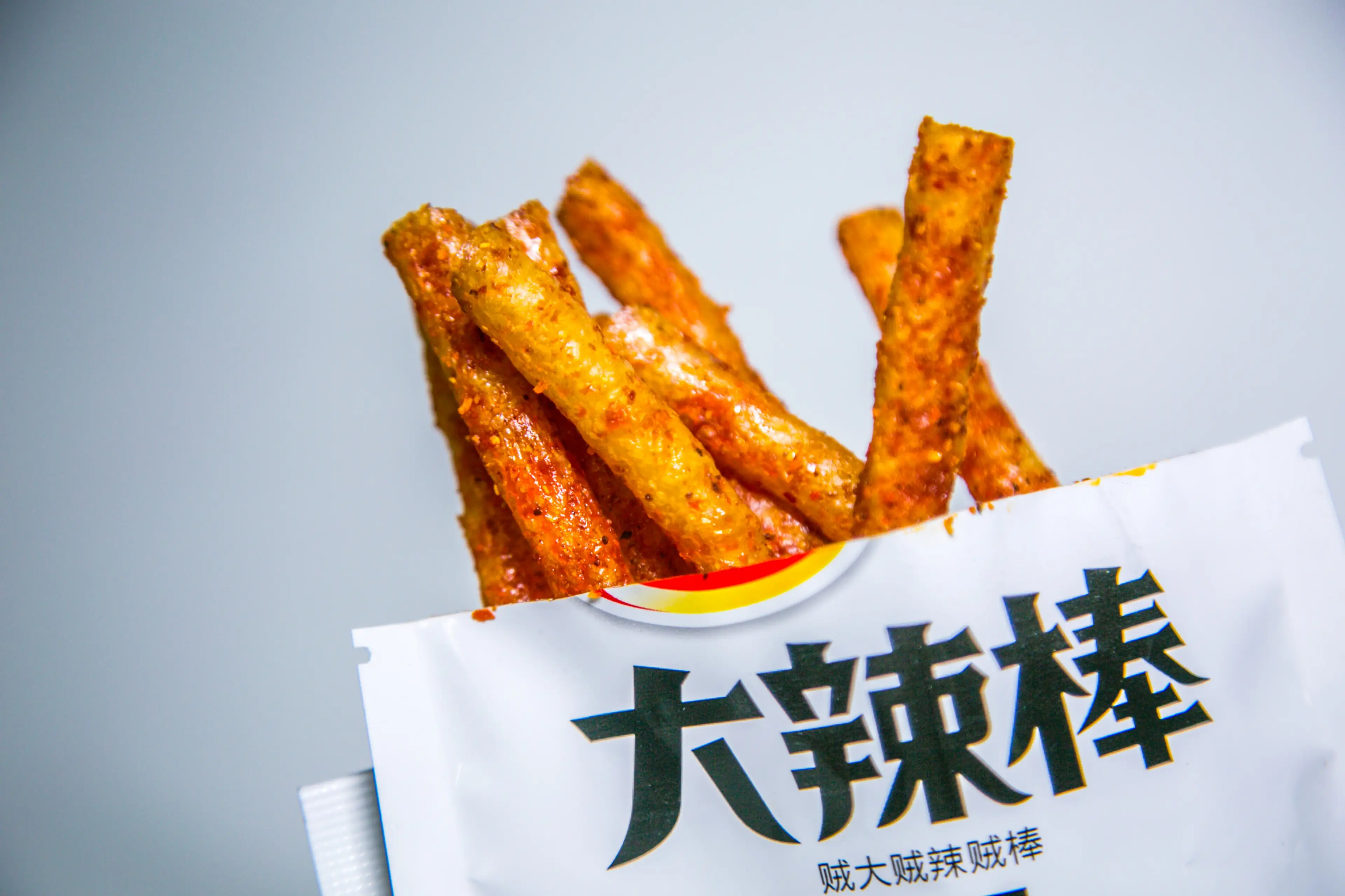
Made with cooked wheat flour, salt, sugar, and flavoured with chilli pepper, the savoury snack is often chewy, spicy, and somewhat tangy.
Advert
Initially invented as a result of a major food disaster in Hunan in 1998, the item—referred to as latiao or ‘spicy strips’—has recently risen in popularity thanks to social media trends including ‘Chinamaxxing’.
The latter, also known as ‘becoming Chinese’, is a Gen Z-approved ‘trend’ which sees Western TikTokers adopting key habits such as drinking hot water and practising Qigong.
Sherry Zhu, a Chinese-American content creator, has spearheaded the movement, delivering traditional wellness tips and tricks to her followers, who she dubs her ‘Chinese baddies’.
This includes eating pickled vegetables and using traditional Chinese medicine (TCM)-based practices, such as boiling apples to produce a digestion-aiding tea, and wearing house slippers.
"As a Chinese person who has been online throughout years and years of heavy Sinophobia, it felt refreshing to have the mainstream opinion finally shift regarding China," Claire, a Chinese-Canadian TikTok user, told BBC China.
According to the South China Morning Post, people across the planet are falling head over heels for latiao, with the snack being at the centre of a 60 billion yuan (US$8.9 billion) industry.
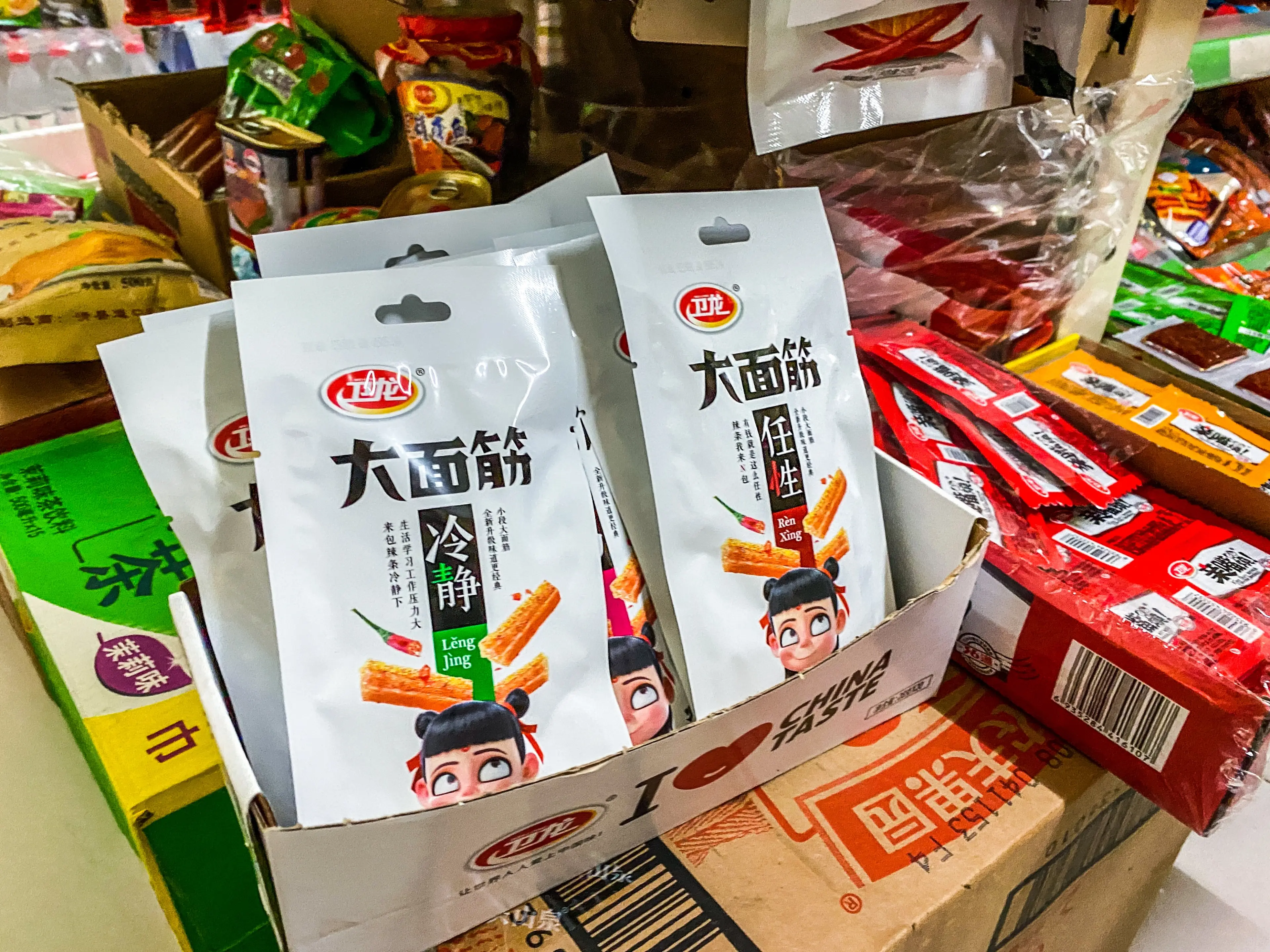
The country’s largest latiao producer, Weilong in Hong Kong, made 117 million yuan from overseas sales last year, up nearly 50 percent from 2024, as per the Hong Kong Free Press.
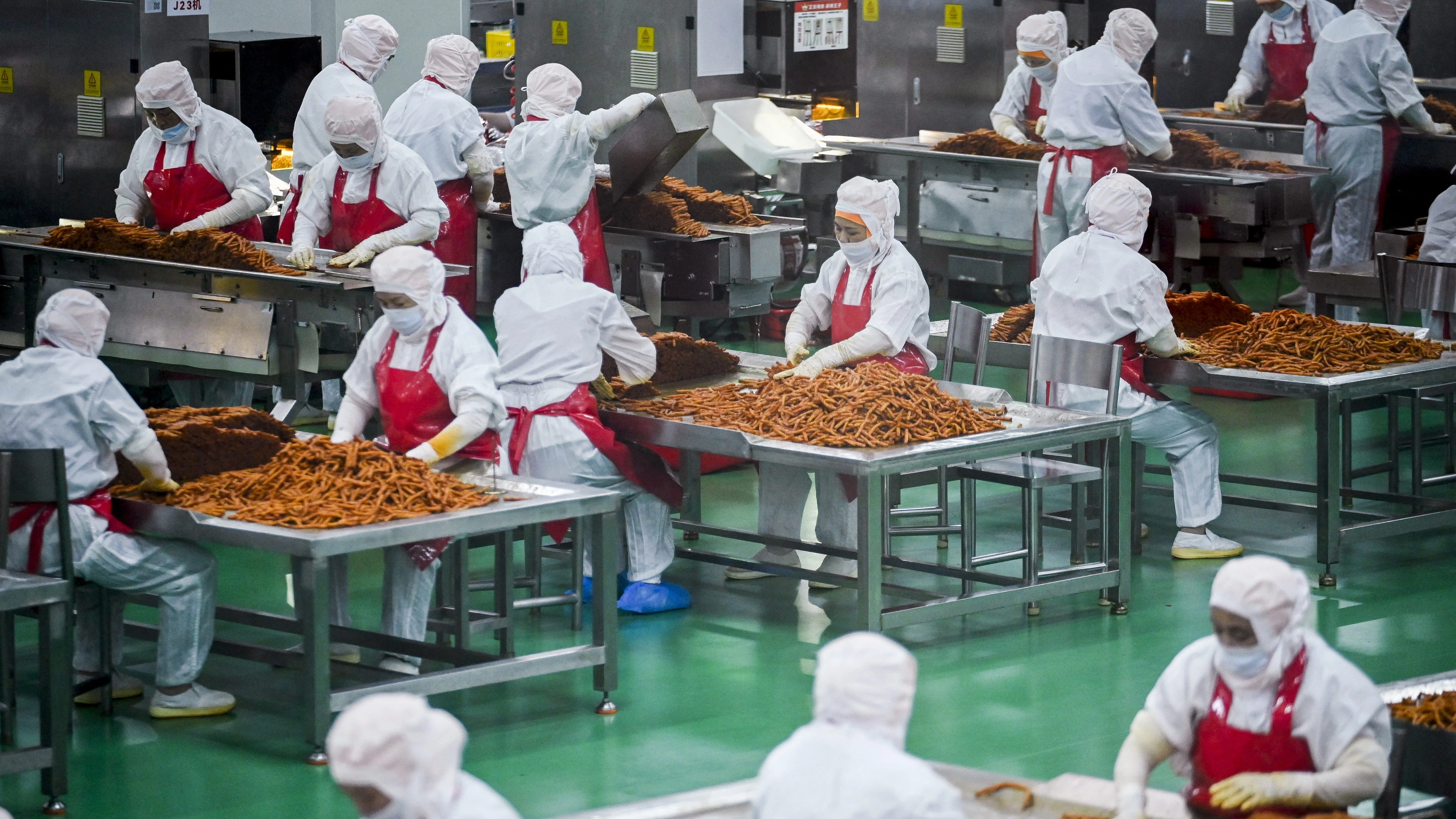
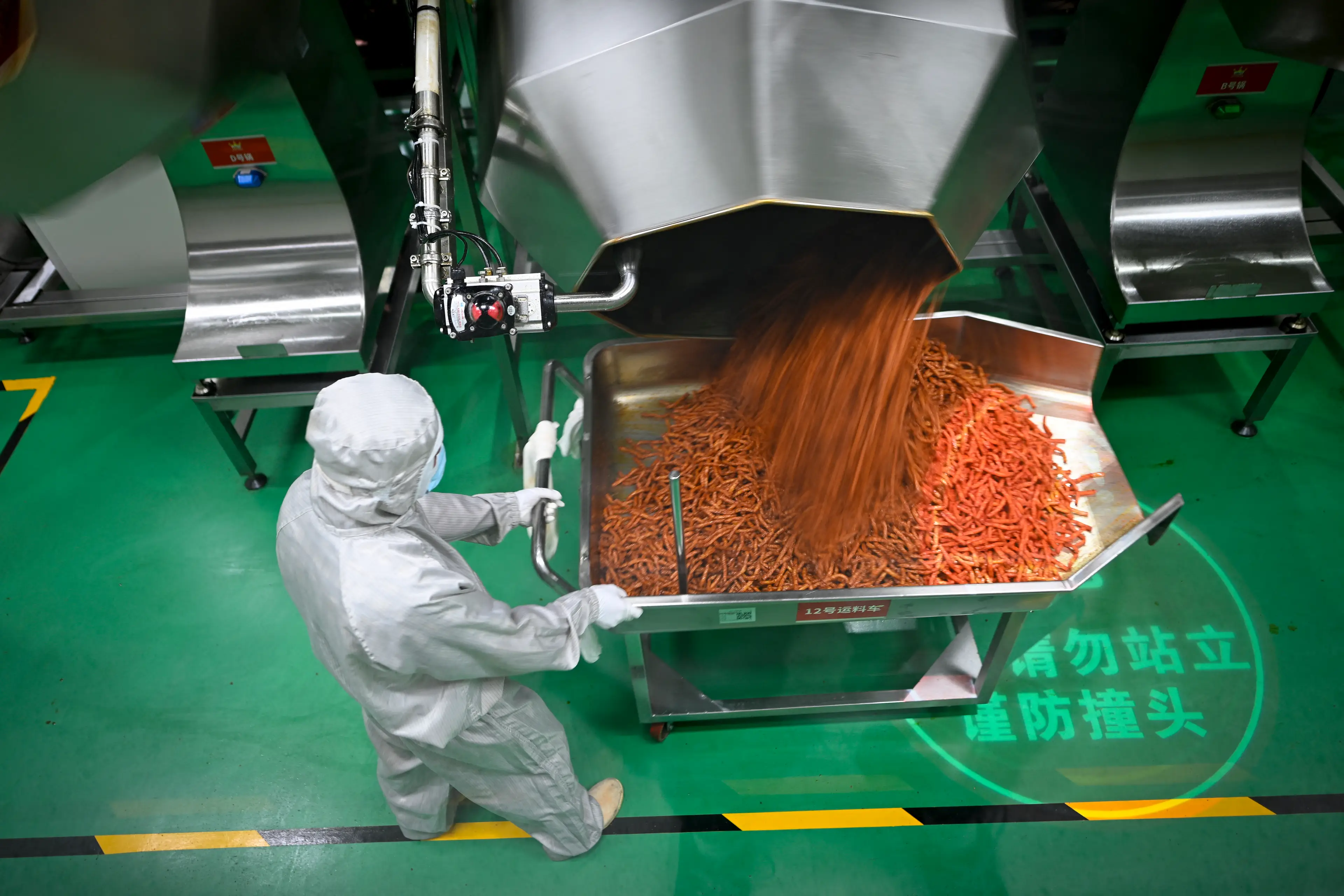
A factory in Hunan province’s Pingjiang claims it is currently turning out nearly 700 tonnes per day of the red-coloured strips.
“Latiao are now exported to more than 160 countries worldwide, showing that the market is moving increasingly towards internationalisation,” Li Manliang, the vice president of the plant operator, Mala Wangzi, told the outlet.
Despite its popularity, some critics still label the treat as ‘junk food’—a descriptor some producers are actively trying to shed.
“We’re reducing the use of oil, salt, sugar and additives, and using more natural raw ingredients,” Li said.
Authorities have also spent the last decade trying to rehabilitate the survival snack’s image, with local authorities in Henan and Hunan provinces and the China National Market Supervision Administration issuing notices clarifying the national execution standards for Latiao, Yums Box reported.
The outlet said that ‘legally produced latiao should not contain any preservatives, and only a limited number of sweeteners can be used, thus shortening the shelf life to around 120 days’.
Latiao was originally created in Hunan Province by three businessmen.
They reacted to soybeans becoming too expensive amid torrential rains flooding the Yangtze River basin by swapping out the ingredient for wheat four, creating latiao.
According to the World of Chinese, there are more than 120 latiao businesses that employ around 70,000 people in Hunan.
In the UK, you can purchase the spicy wheat gluten snacks from online supermarkets, including oriental Mart, as well as Amazon UK.
Nearby Chinese or pan-Asian grocery stores should also sell packets for you to sample.
Topics: Social Media, TikTok, News
 Ella Scott