
The old-fashioned ingredient that has America divided

America is known for its unique sugary treats, iconic drinks like root beer and Kool-Aid, and regional specialities such as biscuits and gravy, Tex-Mex platters, lobster rolls, and shrimp and grits.
Corn dogs are considered a significant cultural staple, while fast-food, such as KFC, Burger King and Wendy’s, is consumed one to three times per week by citizens, as per the World Population Review.
According to statistics from the National Institutes of Health, nearly one in three adults in the US is overweight (30.7 percent), while about one in 11 adults has severe obesity (9.2 percent).
In an effort to ‘Make America Healthy Again’ (MAHA) and curb obesity, Kennedy, Health and Human Services Secretary, unveiled new US Dietary Guidelines for 2025-2030 and reintroduced the food pyramid in January.
Advert
Americans were advised to prioritise proteins, vegetables, and fruits, alongside dairy and healthy fats, such as olives, avocados, and omega-3-rich seafood.
The 10-page document stated that saturated fat consumption should not exceed 10 percent of total daily calories, and that ‘significantly limiting highly processed foods’ would help US residents to meet this goal.
RFK Jr. has previously said that both the guidelines and his MAHA movement were engineered to ‘end the war on saturated fats’.
The 72-year-old has also praised fats such as beef tallow - an old-fashioned ingredient that has America divided.
In 2024, the politician said that he wished fast-food pioneers like McDonald’s would start frying their food in the old-fashioned product again.
He has also repeatedly reported that the waxy substance is healthier alternative to seed oils.
However, some experts would argue that beef tallow may be causing more harm than good.
What is beef tallow?
Beef tallow (or beef dripping) is made from slowly cooking cow fat until it separates from other tissue, as per senior MD Anderson clinical dietitian Jessica Tilton.
While it contains nutrients such as monounsaturated fats, choline and fat-soluble vitamins, one tablespoon features a third of a day’s recommended limit for saturated fat, as per the Genetic Literacy Project.
The controversial item is not only used in cooking but also in household products like soap and candles.
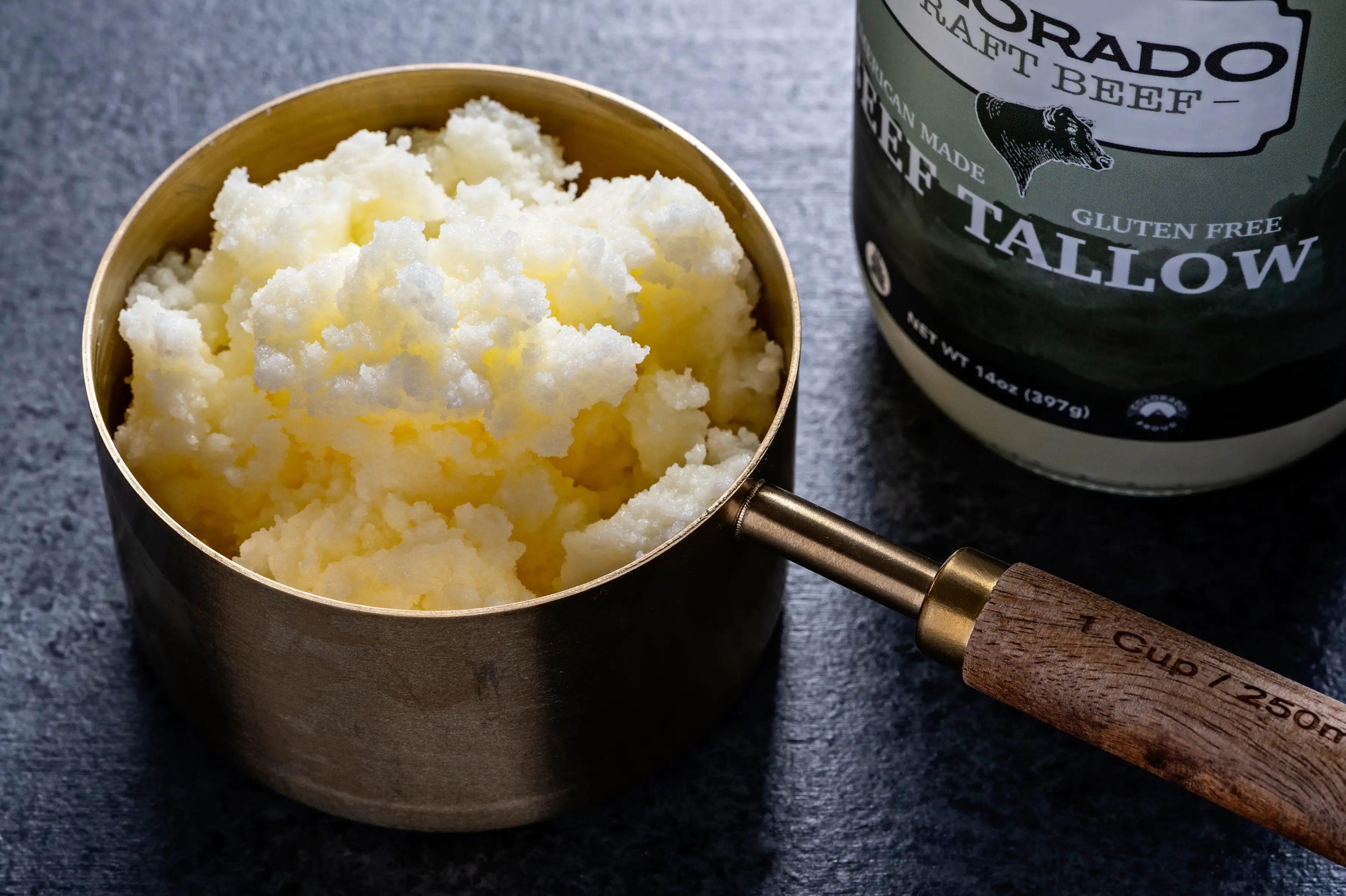
Some wellness gurus are also convinced that rubbing beef tallow on their skin is a major ‘hack’.
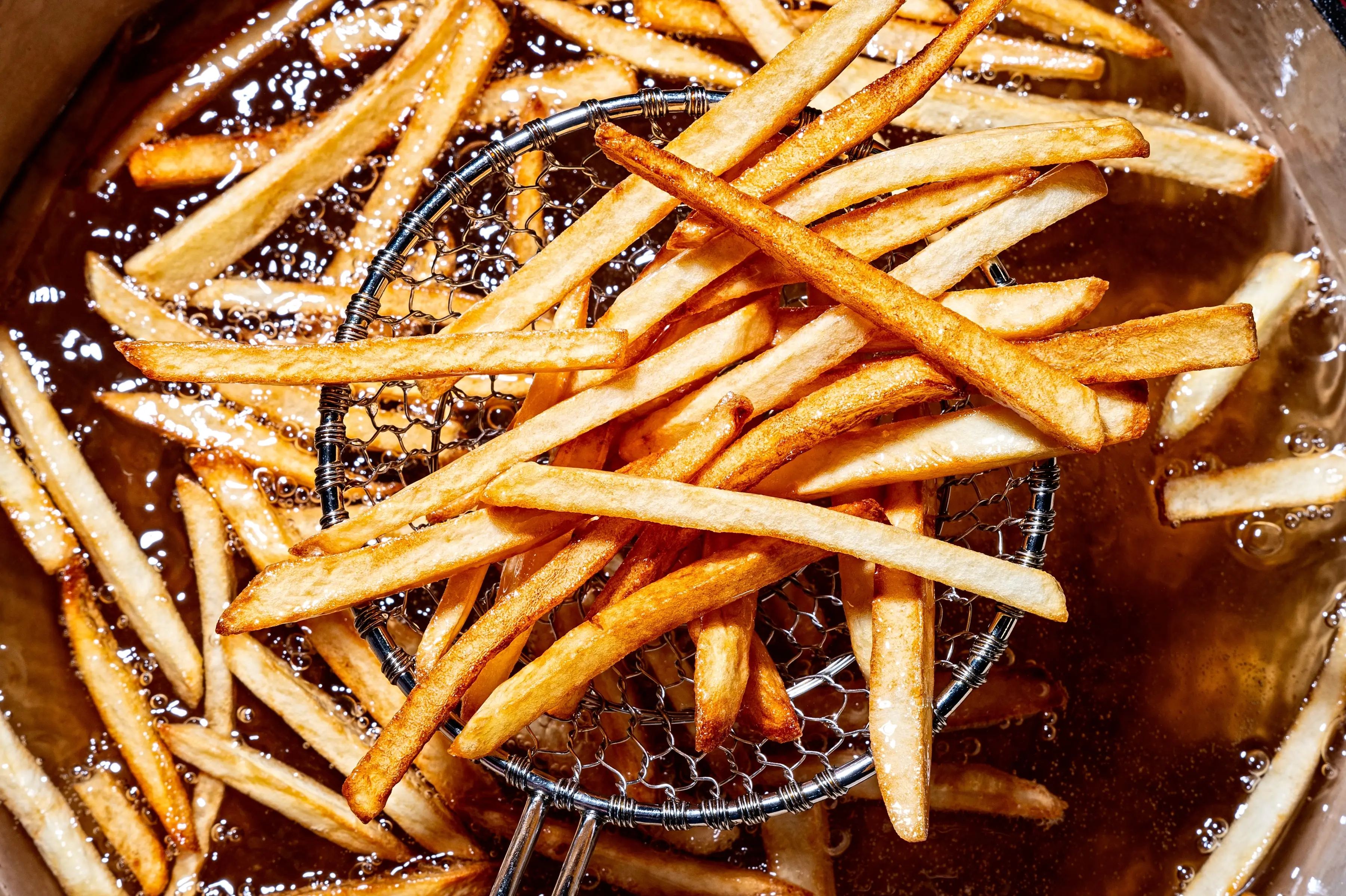
In January, Indianapolis-based fast-food chain Steak ‘n Shake announced it would begin cooking its shoestring fries in beef tallow.
It revealed the cooking method by sharing a picture of RFK Jr. in a car with the caption: “Did this man just pull up in our drive-thru?”
Why beef tallow is so controversial
The American Heart Association (AHA) has cautioned against beef tallow, remarking that it may increase low-density lipoprotein (LDL) or ‘bad’ cholesterol, contribute to plaque buildup in artery walls, trigger inflammation, and potentially increase the risk of type 2 diabetes.
The health experts advise replacing fatty substances like beef tallow with nontropical plant oils, such as soybean, conola, and olive oil.
“Strong evidence shows that replacing butter with plant oils and spreads containing predominantly unsaturated fat decreases low-density lipoprotein cholesterol concentrations,” the AHA wrote.
What’s more, beef tallow is considered comedogenic, meaning it has the ability to clog pores and cause acne, warned Dr Heather Rogers, dermatologist and clinical assistant professor at the University of Washington.
She told The Guardian: “It’s not going to help with wrinkles or acne. It’s not activating any change on your skin.”
Meanwhile, dermatologist Mika Tabata said: “It's a very extreme moisturiser. For patients with super dry skin, I think it could be helpful, but that's really the only major benefit that I would give it credit for.”
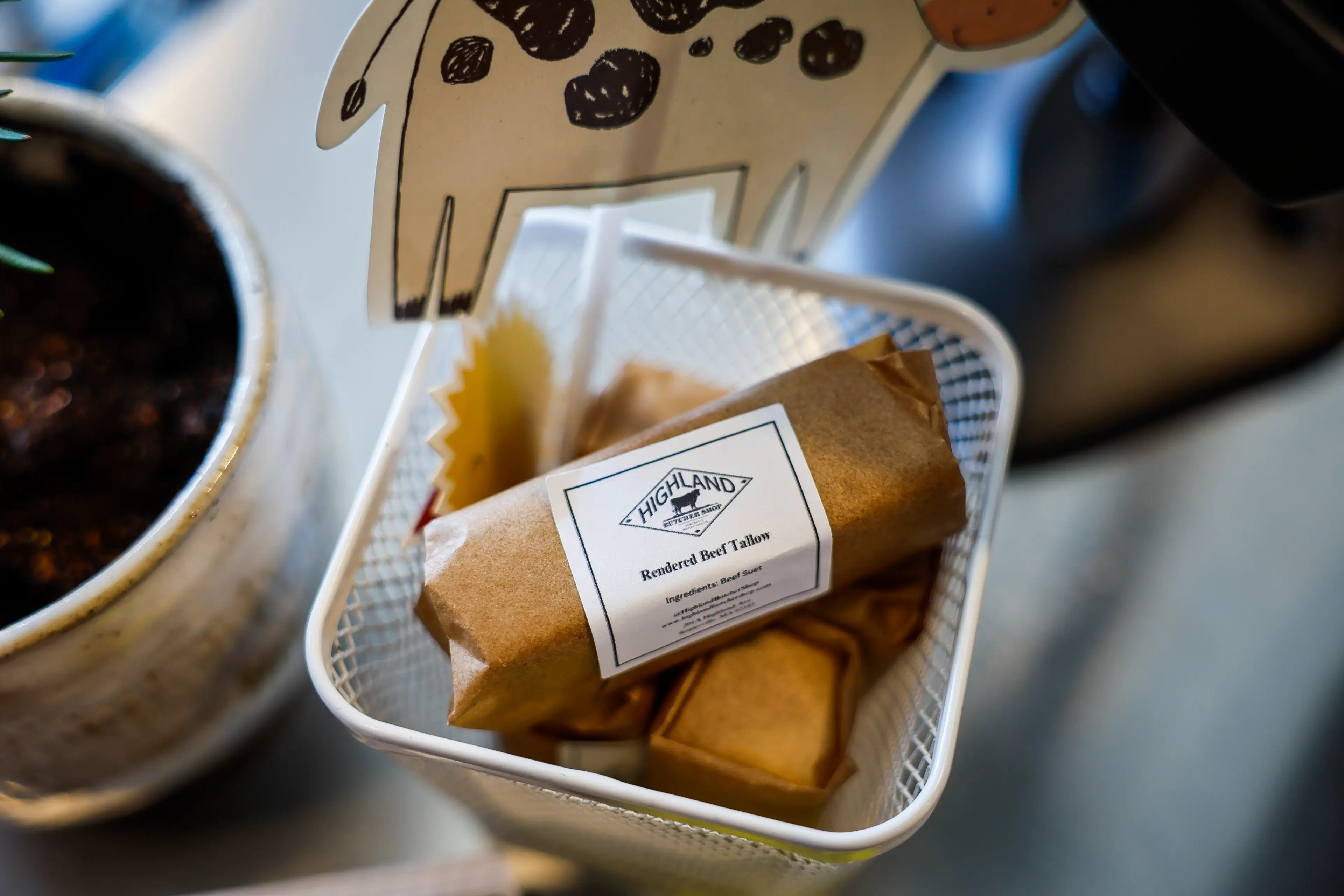
Instead of using beef tallow in your skincare routine, you can use plant-based products, such as pressed pumpkin seed oil or jojoba oil, as per The Vegan Society.
The lowdown on seed oils
Some social media influencers may be touting beef tallow as being ‘better’ and ‘healthier’ than seed oils, but that isn’t exactly the case, according to experts at the Harvard T. H. Chan School of Public Health.
Some have been concerned that seed oils, like canola, are high in omega-6 fatty acids, which some have linked to inflammation and higher risk of illness.
However, Walter Willett, professor of epidemiology and nutrition, said there isn’t a ‘single shred of evidence’ that the claim is trye.
“This is all theoretical,” he said in a New York Times article.
British Dietetic Association spokesperson Nichola Ludlam-Raine previously told the BBC that there was ‘no need to completely avoid seed oils’ as many were rich in vitamin E and unsaturated fats.
“That said, consuming a variety of fats, including olive oil, nuts, seeds and oily fish (for beneficial omega-3 fatty acids), is best for overall health,” she continued.
“I personally use both rapeseed oil and olive oil at home in cooking and in salad dressings – choose extra virgin or cold-pressed if you can for more nutrients.
“Look beyond the hype. A small amount of cold-pressed or minimally refined seed oils used in cooking or dressings is perfectly fine as part of a balanced diet.”
She added that a greater focus should be put on ‘overall dietary patterns’ and that your daily plate should be laden with vegetables, wholegrains, lean proteins and healthy fats.
 Ella Scott