
Rise of class action lawsuits over nutritional claims in Trump's America

Class action lawsuits are on the rise in Trump’s America, with more than 1,700 being settled in 2025—almost double the amount from the previous year, as per statistics.
Experts at Harvard Law School define class action as a type of civil lawsuit brought on behalf of one or more people who have been harmed in the same way by the same entity.
“The district court must find that the claims of the class members contain questions of law or fact in common before the lawsuit can proceed as a class action,” as per the United States Courts.
The $79 billion being forked out in settlements last year alone (via Forbes ) reflects ‘a new era of risk for corporate defendants and the continuation of a trend to use the class action mechanism to redistribute wealth on an unprecedented scale’, according to Gerald L. Maatman, one of Duane Morris’ 2026 Class Action Review editors.
Advert

According to the report, attorneys are filing more and more employment class action lawsuits, allegedly due to the Trump Administration scaling back enforcement of anti-discrimination laws.
Suits are also being lodged against food manufacturers more often, with data insights suggesting consumers are paying ‘closer attention to claims about the brands they consume’ amid Robert F. Kennedy Jr.’s Make America Healthy Again (MAHA) campaign.
Health-conscious customers who feel ‘misled’ by brand messaging, particularly if the products are a part of their wellness routines, are likely to pursue class action lawsuits against some of their favourite brands, Tara Naughton, senior VP at Storyful Intelligence, told ModernRetail.
These types of complaints hit a record ten-year high in 2021 and jumped by more than 58 percent between 2023 and 2024, as per tracking by law firm Perkins Coie.
In 2025, $2.1 billion was paid out in consumer fraud settlements, as per statistics provided by Forbes.
Brands that have been hit with class action lawsuits
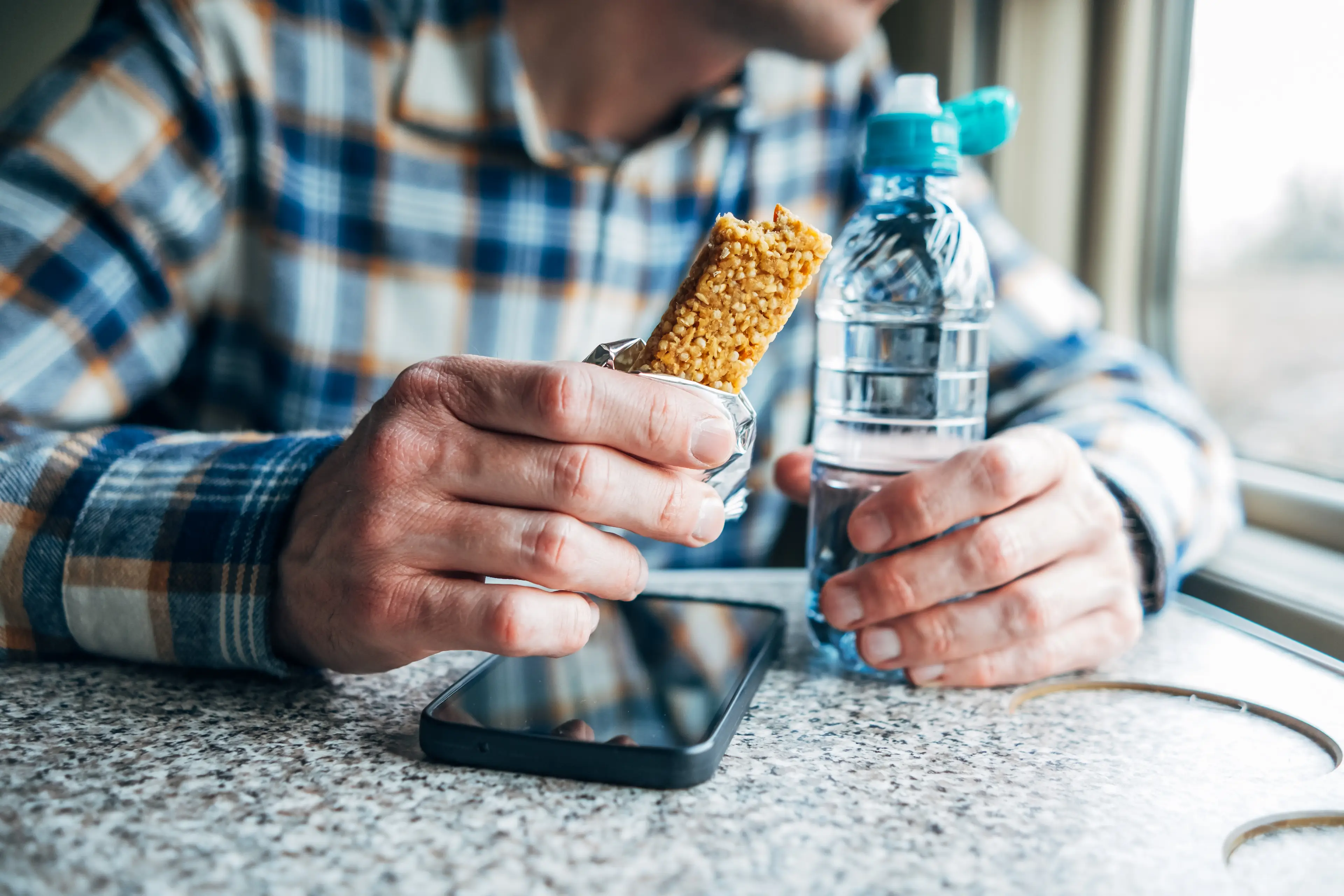
Earlier this year, snack purveyor David's was hit with a lawsuit alleging its protein bars contained more calories and fat than listed.
The complaint said that independent lab tests found up to 275 calories and 13.5 grams of fat in a David bar despite 150 calories and two grams of fat per serving being advertised, ModernRetail wrote.
The American brand, founded by Peter Rahal, has said that claims made in the filing are inaccurate.
“We stand behind the accuracy of our product labelling, which complies with FDA requirements for measuring and reporting nutritional content,” Rahal told Vanity Fair in January.
“This particular claim, among other things, fails to understand how the FDA measures the calories for EPG, one of our key ingredients. We intend to defend this claim vigorously,” he added.
Similarly, the so-called ‘healthy’ soda brand Poppi - which just launched in the UK - was forced to settle a class action complaint regarding its listed ‘gut health benefits’.
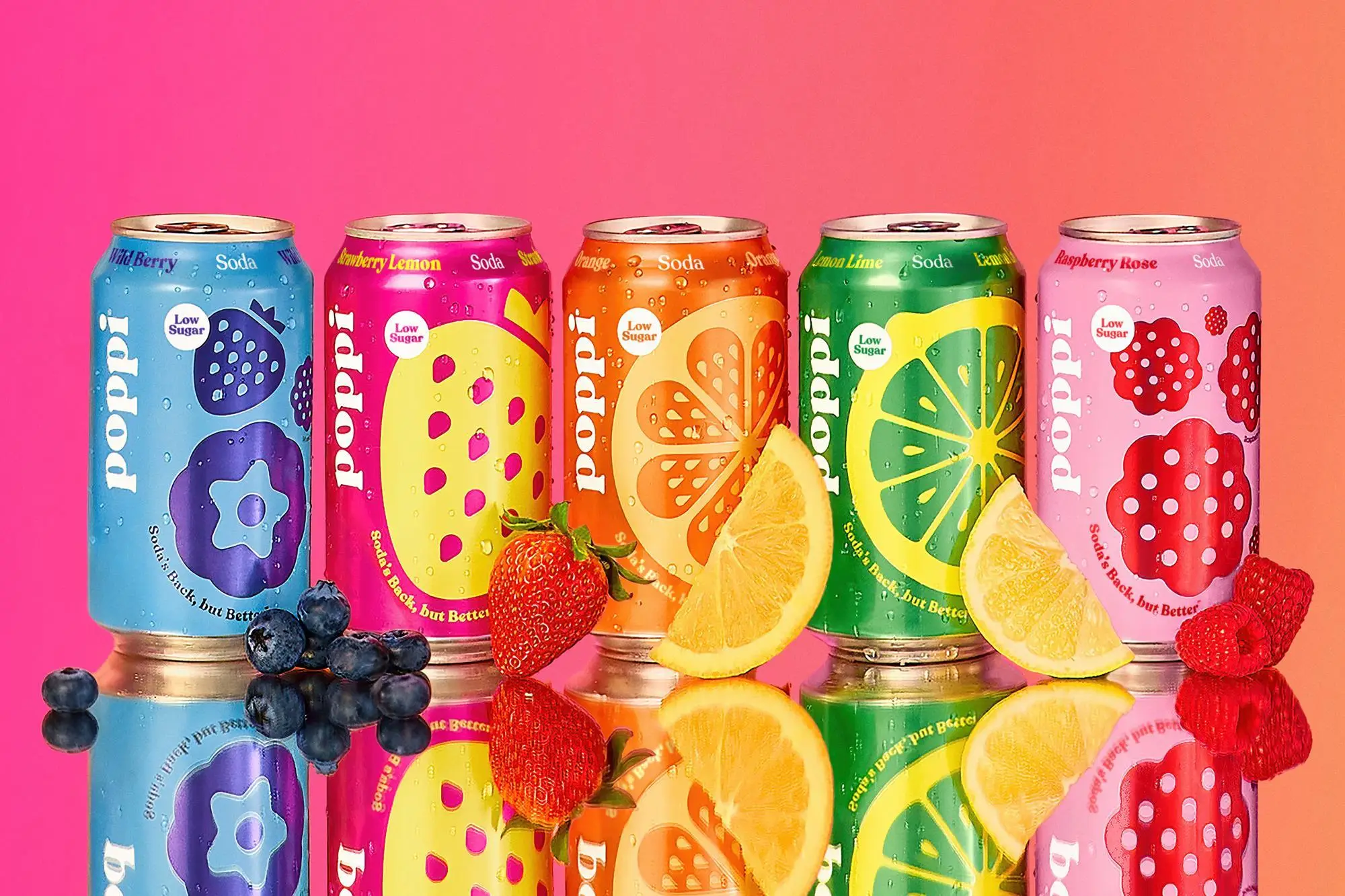
In a 2024 suit submitted in California, customers claimed the brand falsely promoted its prebiotic fibre dose.
Poppi, bought by PepsiCo in May 2025 for $1.95 billion, paid out $8.9 million and has moved away from gut health positioning on its labels.
Other popular food brands, such as Chobani and Ensure, have successfully defended and had class action lawsuits dismissed.
Nutritional changes in the United States
In January, RFK Jr. launched the new US dietary guidelines, replacing the MyPlate model with a rejuvenated food pyramid.
The diagram, which placed a heavy importance on protein and vegetables, caused controversy, with some critics reporting it offered little guidance about quality and balance.
‘Eat Real Food’, the MAHA slogan shared alongside the pyramid, was also complained about, with Debbie Millman, chair of the master's in branding program at the School of Visual Arts and the host of the podcast Design Matters,alleging: “’Eat Real Food’ is neither defined nor portrayed by any real food. The design leaves viewers to project their own assumptions onto the notion of ‘real’.”
Months later, the US Food and Drug Administration (FDA) announced it was relaxing its artificial colour labelling policy, while simultaneously going to war with GRAS.

GRAS, or ‘generally recognised as safe’, is an FDA designation that allows companies to add certain substances, such as preservatives, to food without any formal approval.
Proposed changes aim to eliminate regulatory pathways allowing businesses to independently determine that a substance is GRAS, as per Bloomberg Law.
RFK Jr. said getting rid of GRAS was a ‘crucial’ step to ‘Make America healthy again’.
Upcoming changes to the definition of Ultra Processed Food (UPF) by the FDA and are also pending.
In July 2025, a ‘uniform UPF definition, developed as part of a joint effort by federal agencies’ was requested via the Federal Register.
This would ‘would allow for consistency in research and policy to pave the way for addressing health concerns associated with the consumption of UPFs’, the US government stated.
How food and beverage companies can avoid class action lawsuits
With class action lawsuits on the rise, businesses have been warned that their front and back labels should ‘tell the same story’, as per Bernardo Silva, management consulting food and beverage industry lead at Teneo.
That means not making any outlandish claims in marketing that aren’t backed up by solid ingredient lists.
“Courts and regulators assess the entire packaging and often penalise front-of-pack ambiguity,” the expert added.
Amid a UK Supreme Court ruling that Oatly could no longer use its ‘Post-Milk Generation’ slogan without breaching food labelling regulations, Richard May, partner at law firm Osborne Clarke in the UK, warned other businesses should expect ‘scrutiny’ and ‘plan their brand strategy accordingly’ when using legally defined product names.
The lawyer added that food and beverage companies should limit their use of terms like ‘dairy-free’ and favour ‘actual’ information that was rooted in fact.
Manufacturers are advised to feel ‘confident’ in the claims they are making, especially at the start level.
 Ella Scott