The one worst food for artery health according to top cardiologist

One of the world’s top cardiologists has revealed what foods are considered disastrous where artery health is concerned - and they may be in your fridge right now.
The definition of a healthy, balanced diet is one that provides all the essential nutrients your body needs to function properly.
That means eating at least five portions of a variety of fruit and vegetables every day, as well as chowing down on lean protein sources, consuming fats, and feasting on carbohydrates.
However, some products are falling into these categories that studies suggest may be harming our health, rather than helping it.
Advert
Scott Dawson, M.D., cardiologist of Cooper and Inspira Cardiac Care, recently explained to The Tribune that while processed meats are kitchen staples, they can cause serious issues.
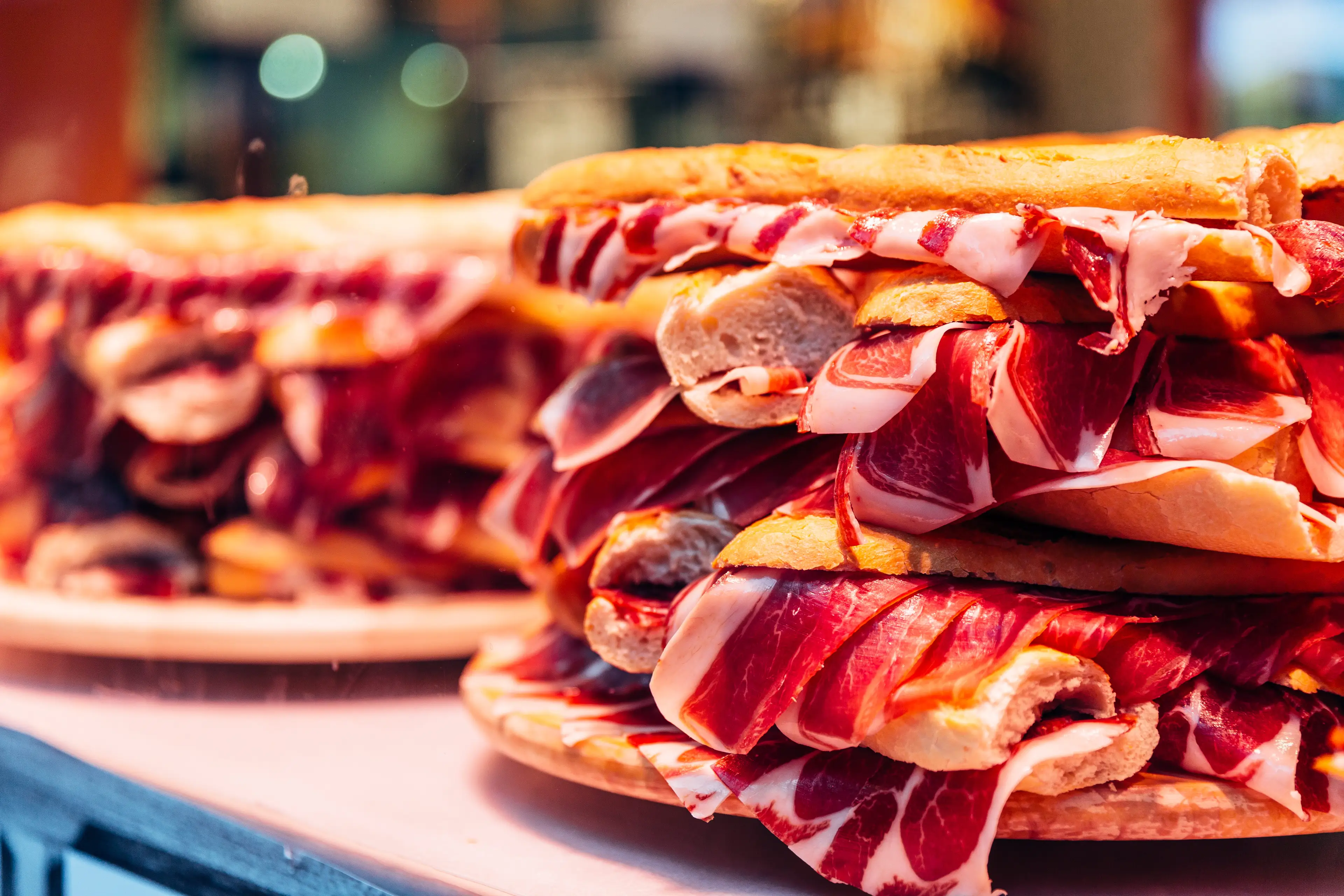
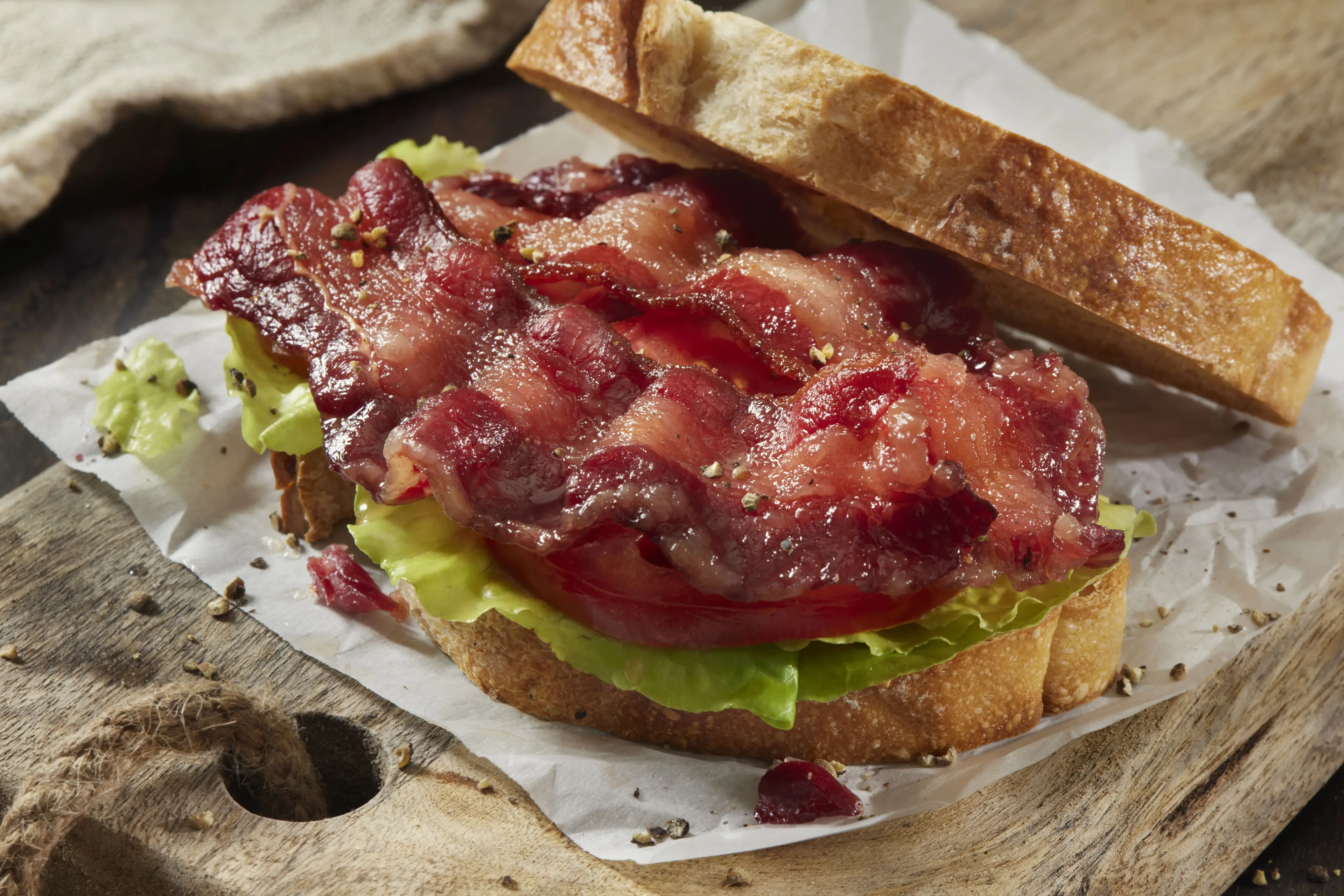
"Processed red meats such as bacon, sausage, and deli meats are among the foods most strongly associated with arterial plaque buildup," he stated.
“These foods are high in saturated fat, often containing preservatives and sodium that adversely affect vascular health."
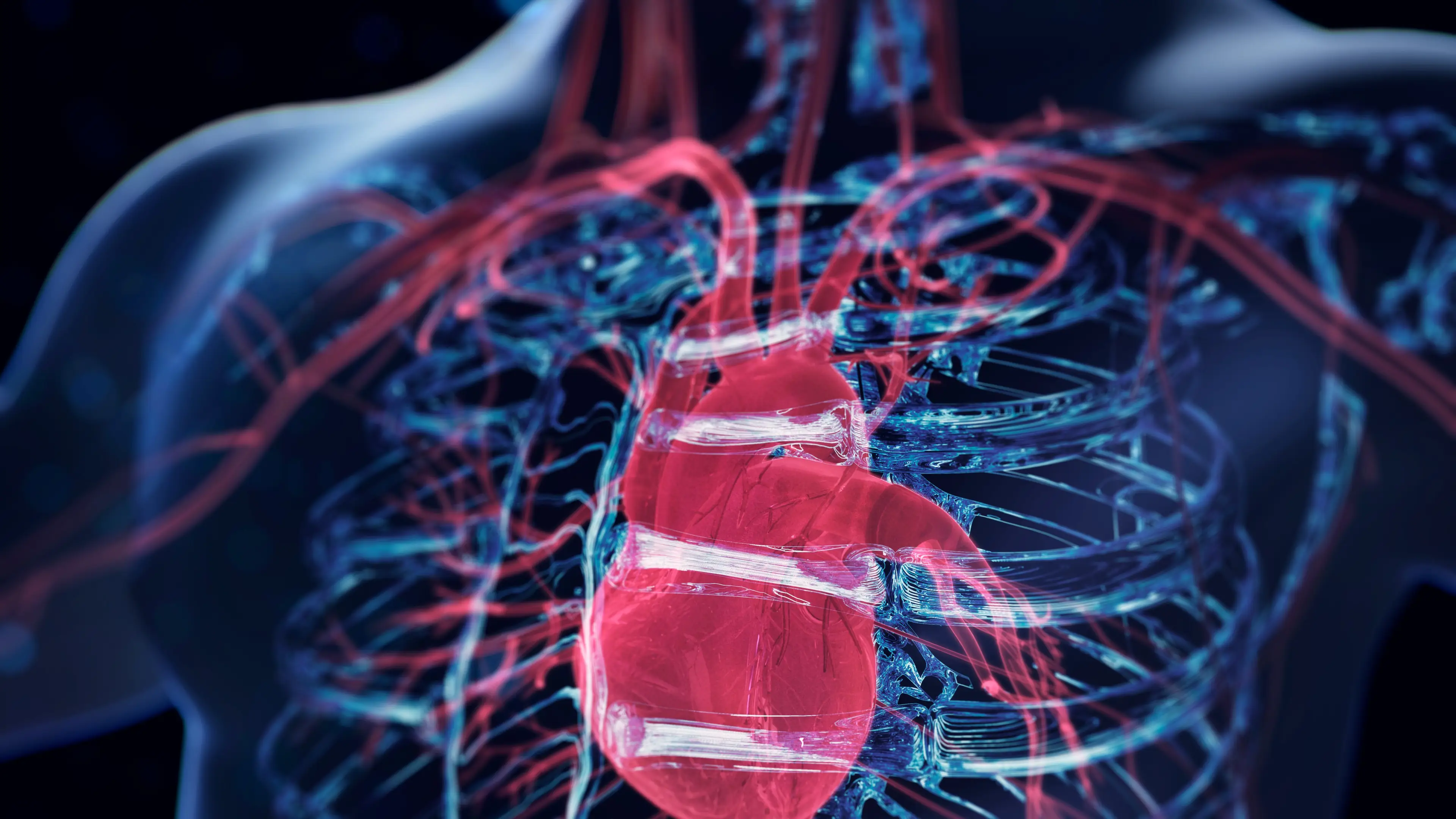
Arterial plaque buildup, also known as atherosclerosis, sees fats, cholesterol, and other substances becoming stuck on the artery walls.
Over time, this buildup narrows the arteries, making it difficult for blood to flow through them, as per the NHS.
Narrowed arteries can increase the risk of a heart attack and stroke, with symptoms including chest pain, feeling short of breath, fatigue, and confusion.
There are no treatments to reverse atherosclerosis, but medicines may be perscribed by doctors to lower cholesterol, blood pressure, or blood sugar if you have diabetes.
In rare cases surgery may also be required to improve blood flow through the affected arteries.
To stop the issue from worsening, the NHS advises you eat healthily, consume less saturated fat and sugar, and exercise on a regular basis.
It’s also advised that you don’t drink more than 14 units of alcohol per week and give up smoking.
As well as processed meats causing arterial plaque buildup, the World Health Organization (WHO) has classified them as carcinogens, meaning they are linked to increasing cancer risk.
The strongest, but still limited, evidence for an association with eating red meat is for colorectal cancer, the organisation explained. There is also evidence of links with prostate and pancreatic cancer.
Health authorities such as the MD Anderson Cancer Center generally advise eating very little, if any, processed meat, and to limit its consumption with red meat to no more than 70g daily.
Instead, the Salvo Health recommends switching to plant-based proteins such as tofu, beans, and lentils, as well as eating lean animal-products, like fish, chicken, turkey, and eggs.
 Ella Scott