
The ancient anti-inflammatory grain 'fibremaxxing' experts are obsessed with

An ancient grain is currently having a resurgence due to its high fibre content and myriad health benefits, including helping to lower cardiovascular disease risk and supporting the immune system.
If you’ve been on FoodTok in the last couple of years, then you’re probably already well familiar with the idea of ‘fibremaxxing’.
The movement is focused on incorporating more dietary fibre into your daily routine. It generally sees devout followers consuming more wholegrains, fruits, vegetables, pulses, legumes, and seeds than in the past.
According to the NHS, the average person in the UK is only eating 20g per day; a statistic ‘fibremaxxing’ followers are obsessed with beating.
Advert
While various veggies, fruits, and canned staples such as split peas and lentils are usually touted as fibre-packed favourites, there’s another item that the world has seemingly been sleeping on.
An underrated grain to add to ‘fibremaxxing’ routines
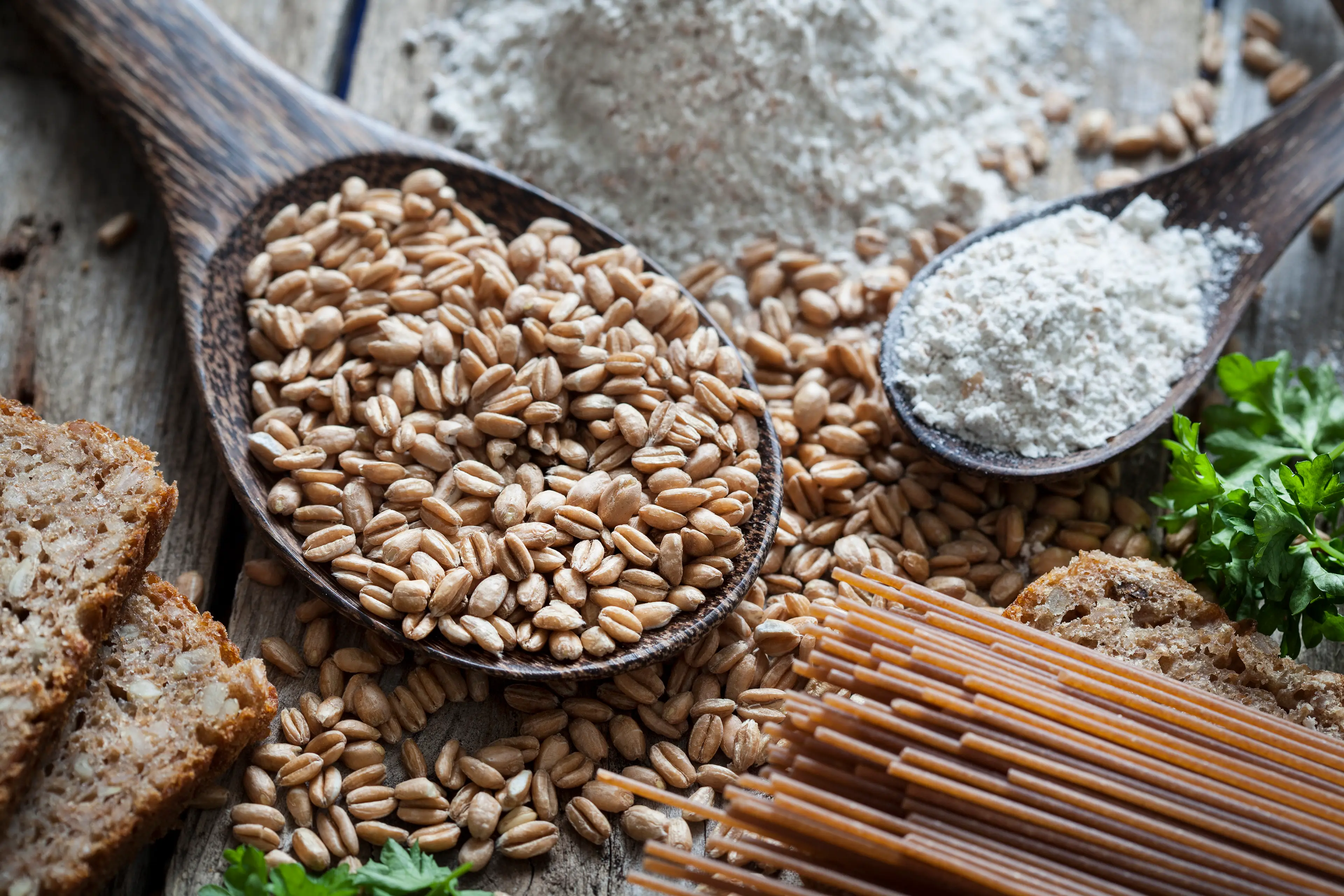
Despite its rich history stretching back to ancient Greece and Rome, some people are only just waking up to the high-fibre food known as spelt.
The disease-resistant wheat species, grown in European countries, including Germany and Switzerland and in the Middle East, is considered ‘genetically purer and often tolerated better by those with wheat sensitivities’, according to BBC Good Food.
However, if you follow a gluten-free diet as Matt Damon does or have celiac disease, then be aware that it isn’t advisable to eat it.
Spelt is rich in vitamins B2 and B3, and other minerals, including copper, manganese, niacin and phosphorus.
It also has anti-inflammatory properties, which may help fight conditions such as arthritis.
According to Healthline, there are around 7.5g of fibre per 194g of cooked spelt.
Other benefits of eating the grain include: preventing cardiovascular disease; regulating blood sugar levels; supporting the immune system; and providing a long-lasting sense of satiety due to its rich protein content.
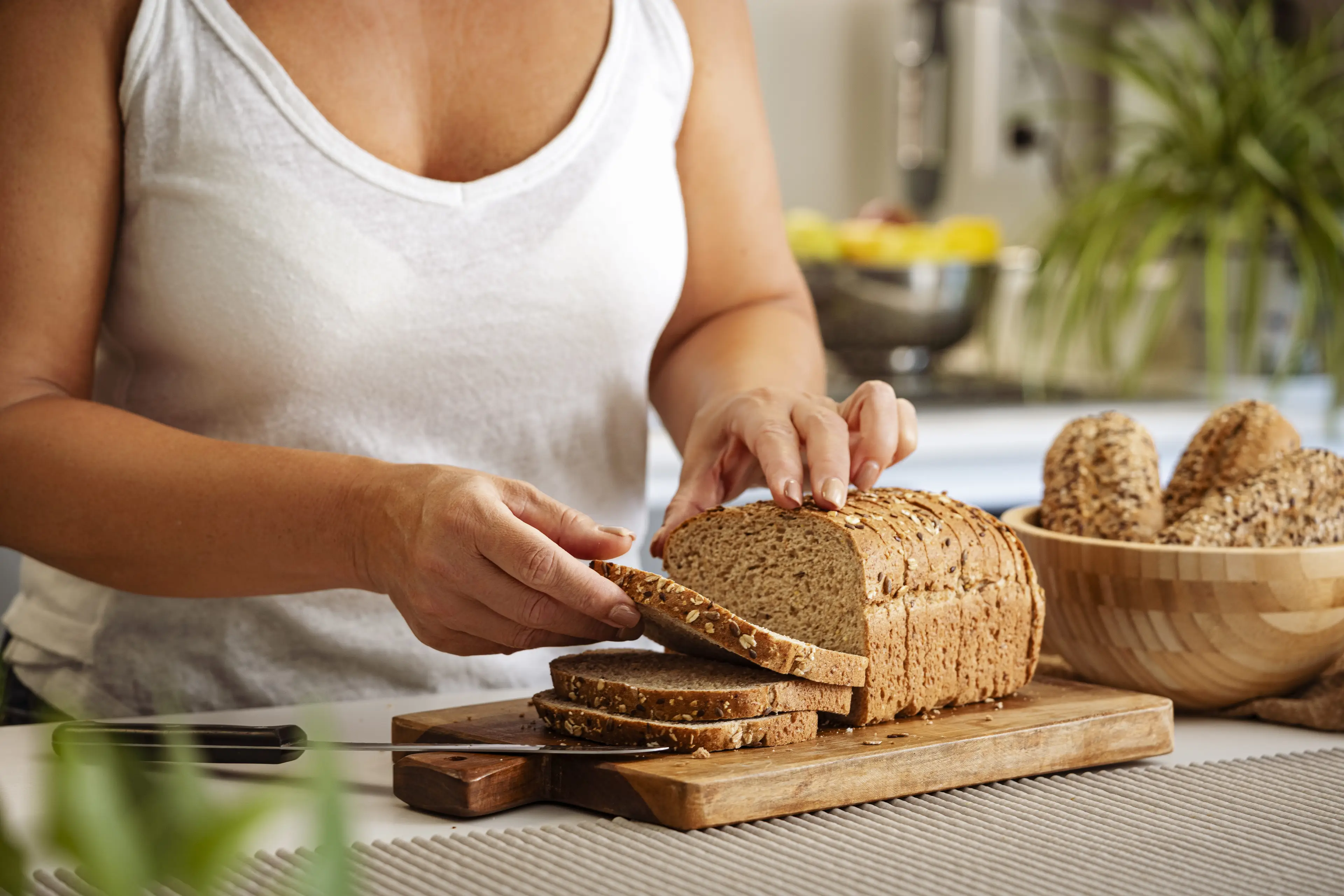
Speaking about the importance of eating grains to boost fibre intake, Dr Emily Leeming, microbiome scientist and dietitian, said: “Most of us tend to associate fibre with fruits and vegetables, but actually whole grains, beans, nuts and seeds contain far more fibre than most fruit and veg.
“For example, lettuce contains 1.8g of fibre per 100g, while chickpeas contain about four to five times that amount.”
How to incoperate spelt into your diet
Experts at British Vogue have detailed a variety of ways to start eating more spelt, including adding it to soups, salads, and veggie-rich risottos.
You can also use it to bake bread if you turn it into flour.
The publication has even made a case for swapping your morning bowl of oats, favoured by celebrities such as Tom Holland, for spelt flakes.
“Cook spelt flakes in water or the milk of your choice to the consistency of porridge,” the outlet wrote.
“Add chopped fruit, berries and chopped nuts, and eat for breakfast – perhaps with the addition of a spoonful of Greek yoghurt or kefir to boost the protein content.”
 Ella Scott