
Wes Streeting confesses he started ‘stockpiling’ weeks ago and experts agree

Wes Streeting has revealed that he's been building up his food and water supplies at home for weeks, as the Government urges households to prepare for potential emergencies.
The Defence Secretary admitted he had already started putting away everyday essentials in case of a national emergency, joining a growing number of people taking the advice seriously.
While the thought of stockpiling might bring back memories of empty supermarket shelves during the Covid pandemic, experts say having a modest supply of food at home is a sensible idea – provided shoppers don't get carried away.
Speaking to The Times, Streeting said he wanted to lead by example after previously encouraging the public to prepare for possible disruption to essential services.
Advert
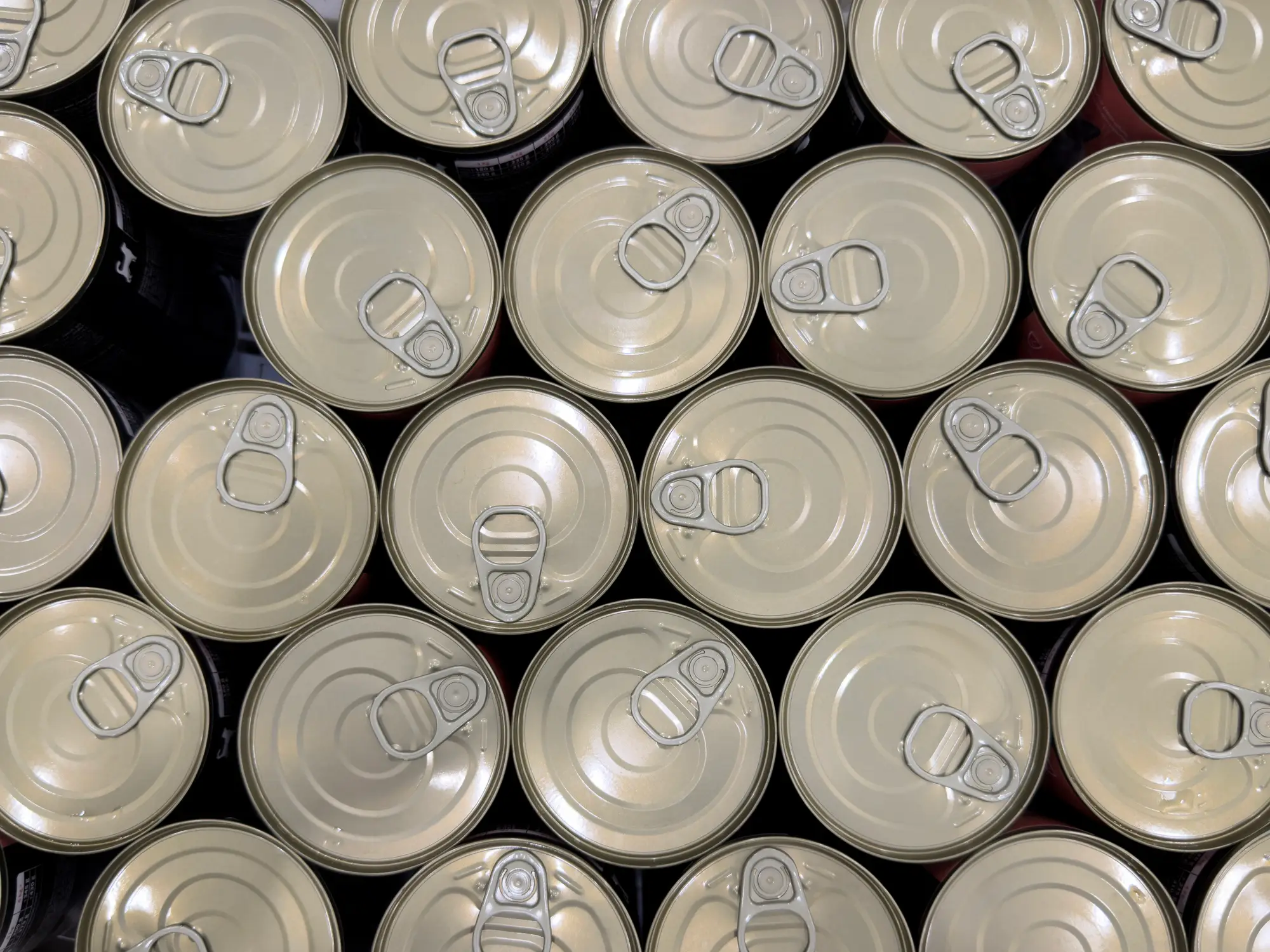
He revealed that his own supplies include baked beans, sweetcorn, red kidney beans, tuna, protein bars and nuts, alongside bottled water, a first aid kit and a battery-powered torch.
The politician also explained that his mother had contacted him about the advice, asking how much she should buy while budgeting until payday.
"I'm glad the message is getting through because my mum got in touch and said 'payday is coming up, how much do you think I need to buy because I'm just budgeting to the end of the month?'" he told the newspaper.
"I'm glad that people are beginning to think about their own household resilience, making sure we've got sufficient supplies of bottled water, canned goods, battery-powered torches. These are all just commonsense things for the everyday challenges."
Streeting's comments come after the Government launched its Be Ready campaign on 22 October, encouraging people to keep enough supplies at home to manage for up to 72 hours if essential services are disrupted.
The guidance comes amid concerns about increasingly sophisticated cyber attacks, extreme weather and potential threats to critical infrastructure from hostile states.
Households are being advised to store up to nine litres of drinking water per person, alongside three days' worth of non-perishable food. Other suggested essentials include a torch, batteries, a first aid kit, blankets, cash and a wind-up or battery-powered radio.
The idea isn't to turn every kitchen cupboard into a supermarket warehouse. Instead, the advice is intended to give households enough breathing room to cope if shops, transport or payment systems become temporarily unavailable.
And it seems shoppers are already responding.
According to figures reported by LBC on 10 November, Princes, the company behind popular tinned food brands, has seen increased demand for canned products since the campaign began.
Data from Worldpanel also showed that sales of bottled water rose by 67% year-on-year in the 10 days following the launch, while tinned and jarred goods increased by 37%.
Daily purchases of tinned meat were up by 43%, equivalent to around 400,000 additional shoppers buying the products each day.
But should we all be filling our cupboards with tins of beans and bottles of water?
Joel Goldstein, President of Mr. Checkout Distributors, believes keeping a small reserve is sensible, but warns that panic buying can create the very shortages people are trying to avoid.
"I sit between consumer product brands, independent distributors and the stores that sell to the public, so I watch what leaves shelves and how fast it comes back."
He explained that Streeting is 'partly right'.

Goldstein explained: "A household keeping a modest cushion of staples is sensible at any time, since a store only holds a few days of stock and relies on the next truck."
"The trouble starts when everyone acts on it the same weekend. Shelves empty long before any real shortage because thousands of people buy a month's worth at once, and that rush creates the shortage they were worried about."
In other words, there's a difference between being prepared and buying enough pasta to feed the entire street.
For anyone looking to follow the Government's advice without spending a fortune, Goldstein recommends sticking to products already used regularly at home.
"Buy what you already eat and use, in slightly larger amounts: rice, pasta, tinned goods, cooking oil, long-life milk, toilet paper, and any medication you can't go without. Skip anything you'd never normally cook, because it will sit in the cupboard until it expires."
He also suggests building up supplies gradually rather than making one enormous supermarket trip.
"For anyone worried, build it slowly, one extra week of staples each shop, and rotate it. A few extra items a week does nothing to the supply chain. A weekend of panic buying does."
It's also worth checking what you already have before heading out to buy more.
A forgotten packet of pasta, spare tins of soup or unopened long-life milk could mean you're better prepared than you think.
If you're storing bottled water, make sure it's kept somewhere clean and cool, and remember to check dates and replace supplies when needed.
The same goes for food: choose products with a long shelf life and make sure you know how to prepare them if the electricity or gas supply is interrupted.
The Government's message is ultimately about household resilience, not predicting that a crisis is around the corner.
Streeting has made clear that he takes the potential threats seriously, but having a few extra tins in the cupboard doesn't mean anyone needs to panic.
A sensible shopping list, a little extra space in the pantry and a torch with working batteries could be all it takes to make an unexpected disruption that bit easier to manage.
 Jen Thomas