Social media users call out ‘scam’ ingredient

If you've ever been making a recipe and stopped to wonder whether an ingredient is really necessary, you're not alone.
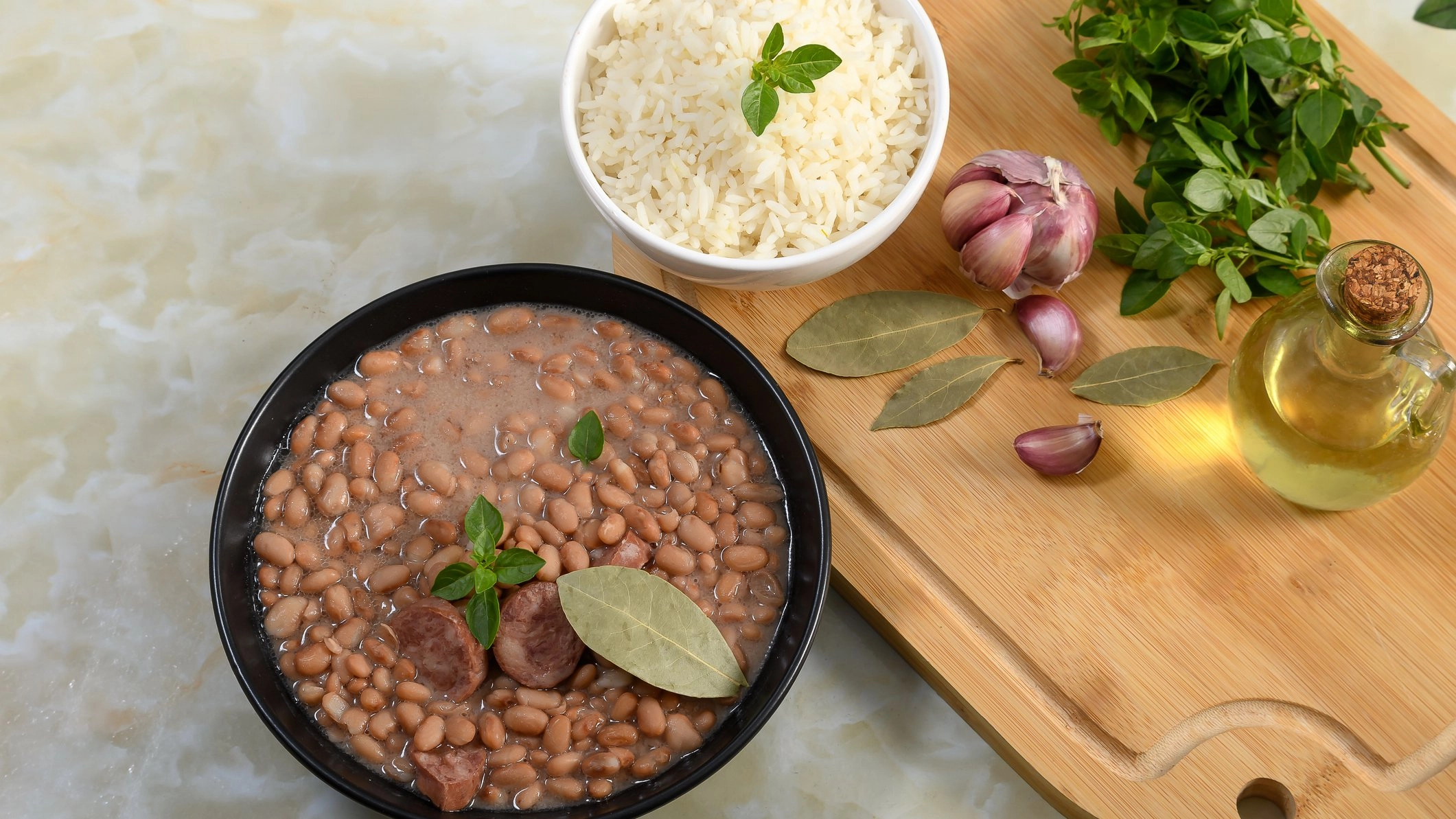
One social media user has sparked a lively debate after questioning whether the humble bay leaf actually adds anything to a dish.
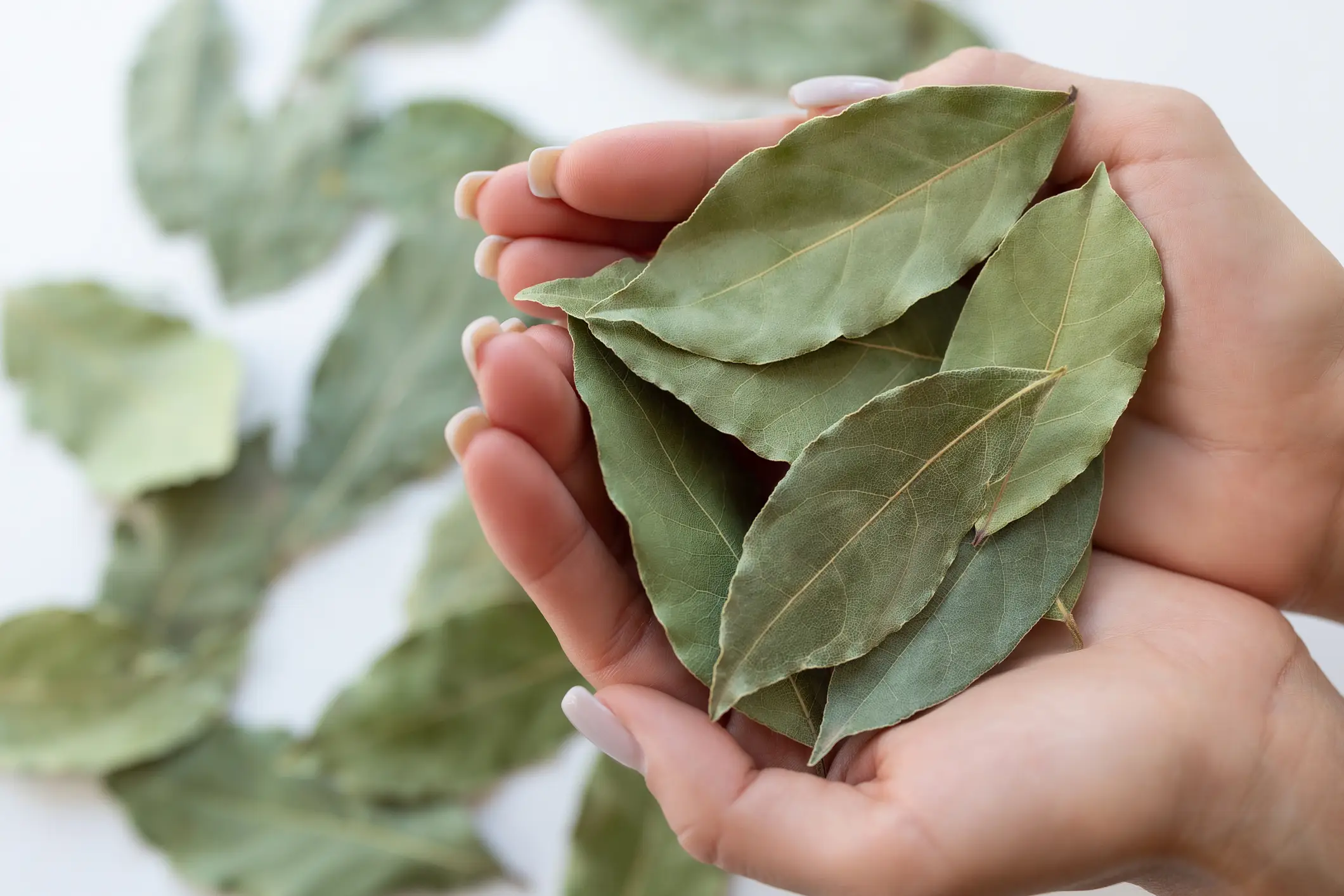
Bay leaves have been a kitchen cupboard staple for generations, but not everyone is convinced they deserve their place in our cooking.
A user by the name of Susie shared her suspicions, admitting she dutifully adds bay leaves whenever a recipe calls for them, despite having little evidence that they make any difference.
Advert
"I'm convinced bay leaves are the greatest scam in culinary history," she wrote.
"I dutifully throw them in every time a recipe calls for them, but I’m pretty sure they aren’t doing anything," she fumed.
"Has anyone ever tasted a dish and thought, 'You know what this needs? More bay leaf?'"
It's a fair question.
Unlike garlic, chilli or fresh herbs, bay leaves aren't exactly known for making their presence felt.
You wouldn't typically sprinkle extra into a finished dish, and spotting one floating in your stew is hardly cause for excitement.
But plenty of people were quick to defend the much-maligned ingredient.
One commenter insisted bay leaves have a 'very distinct flavour' that becomes 'a strong background player' in whatever dish they're added to.
Susie wasn't entirely convinced, joking in response: "This sounds exactly like something that someone on the Big Bay Leaf payroll would say."
Others had their own reasons for finding bay leaves memorable, although not always in the way you'd expect.
"What I hate is that I put in exactly two bay leaves and yet every serving of the cooked product has at least two in it thereafter. So I assume they multiply while cooking," one person quipped.
Another suggested the ingredient could be repurposed as an insult, writing: "'Was this cooked with a bay leaf?' is my new food insult."
However, not everyone was ready to join the anti-bay-leaf movement.
Several commenters argued that the leaves make a genuine difference, even if their contribution isn't immediately obvious.
"I thought bay leaves were a scam/hoax for decades. Boy was I wrong," one user admitted. "They absolutely add a depth of flavour and in some cases (when fermenting, for example) help keep your veggies stay crisp due to the tannins in them."
Another commenter was particularly confident about their importance in chilli, explaining that leaving them out made the finished dish feel 'flat'.
They compared their effect to salt, suggesting that bay leaves might be doing more behind the scenes than home cooks realise.
Then there were those who simply couldn't identify what the ingredient was supposed to bring to the table.
One person, who described themselves as the designated cook in their family, confessed they had bought and used bay leaves according to recipes for years without ever working out what they actually contributed.
So, are bay leaves really worth the cupboard space?
The answer may come down to freshness.
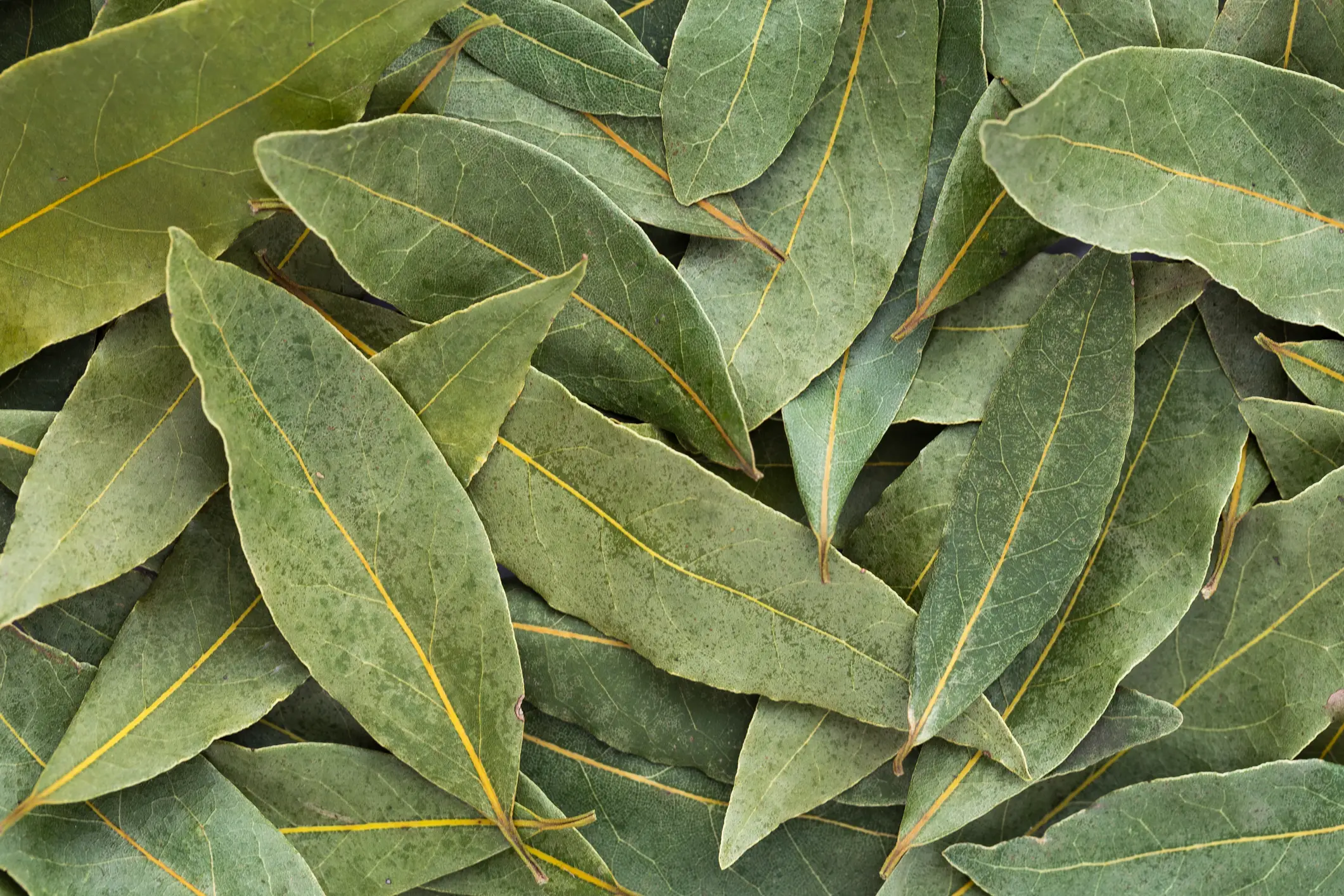
Dried bay leaves aren't particularly showy, but they contain aromatic compounds that are gradually released during cooking, helping to build flavour in soups, stews, sauces and slow-cooked dishes.
Rather than delivering one obvious taste, they contribute a subtle herbal, slightly woody note that works alongside other ingredients.
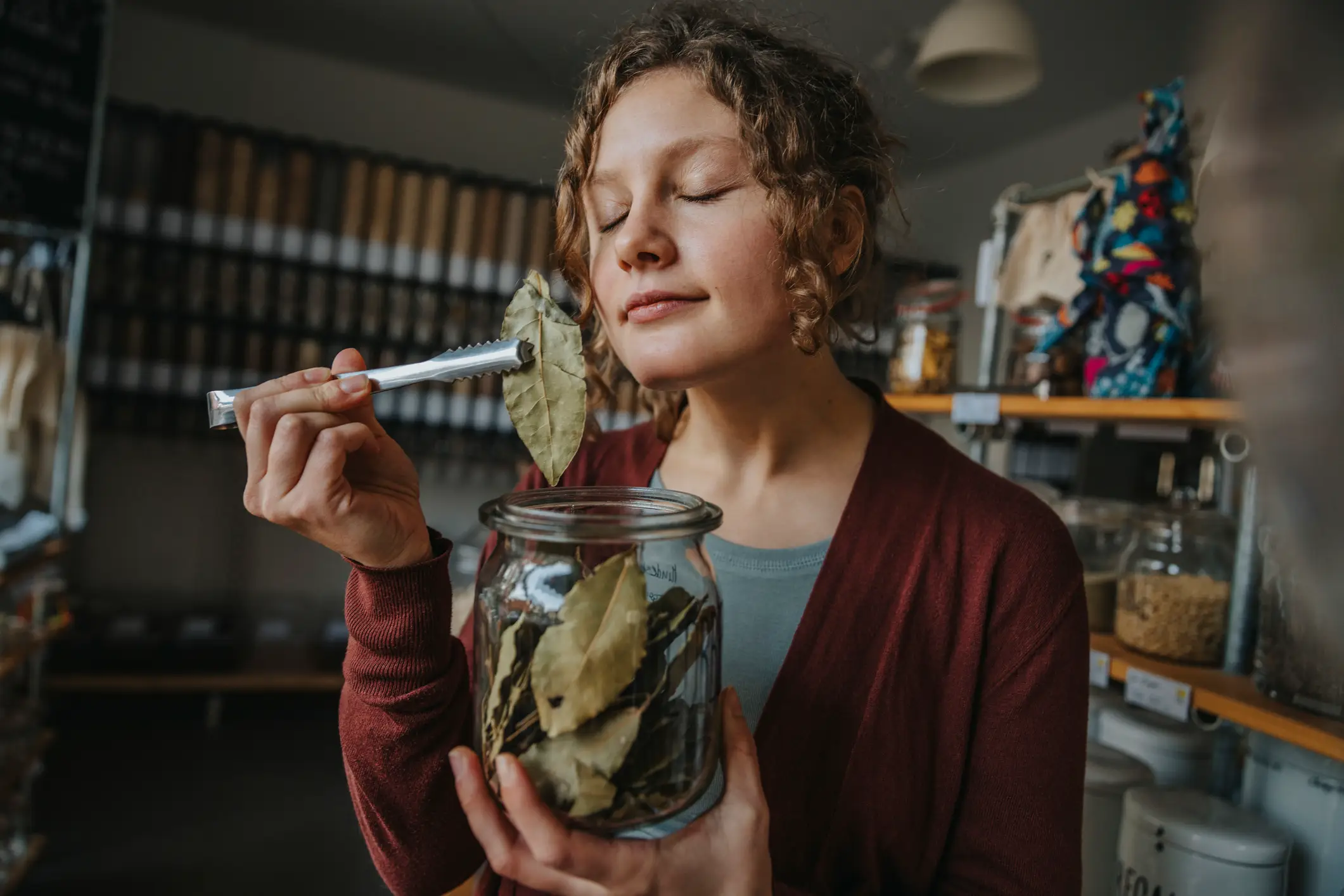
However, like other dried herbs and spices, bay leaves lose their potency over time.
A packet that's been sitting at the back of the cupboard for five years is unlikely to offer much.
If your leaves have little aroma when crushed, they may have passed their best.
So before declaring bay leaves the biggest culinary con of all time, it might be worth checking the date on your spice jar.
They may not deserve all the credit, but they probably aren't entirely innocent of adding flavour, either.
Topics: Cooking, News, Social Media
 Jen Thomas