Sales soaring for breakfast staple hailed ‘nature’s Ozempic’

British shoppers are cashing in on whole foods to ‘keep full for longer’, including bulk-buying a classic breakfast staple, according to new research released by a UK supermarket.
A survey conducted by University College London (UCL) earlier this year suggests that around 1.6 million adults in Great Britain used GLP-1 or GLP-1/GIP medications for weight loss in the past 365 days.
While many users are willing to risk common side effects including digestive issues, headaches, hair thinning, and dehydration, others are favouring diets rich with natural, high-fibre foods instead.
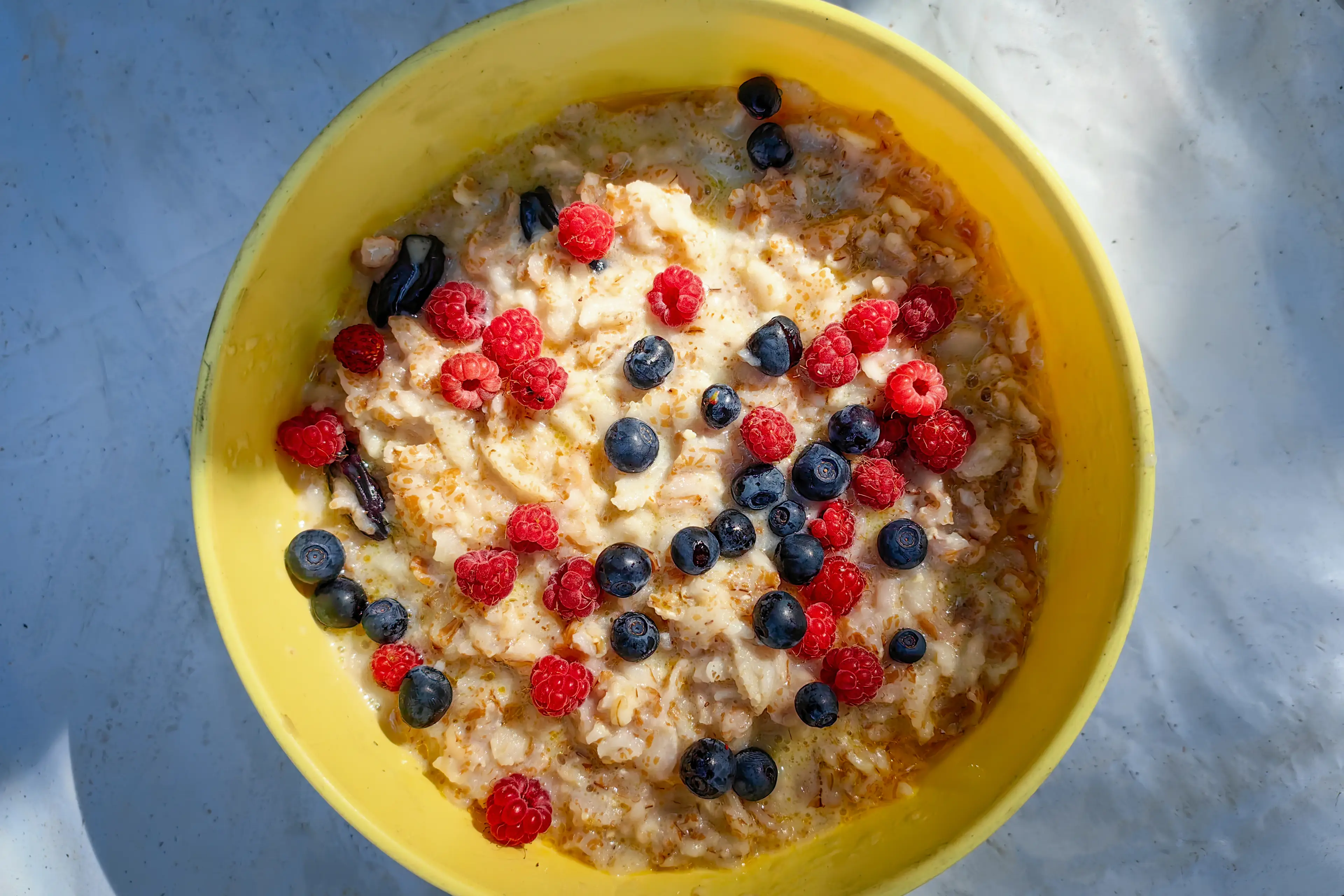
One item that’s apparently risen in popularity alongside so-called ‘skinny jabs’ is the humble oat, with a Waitrose survey claiming sales are up by a whopping 124 percent this year.
Advert
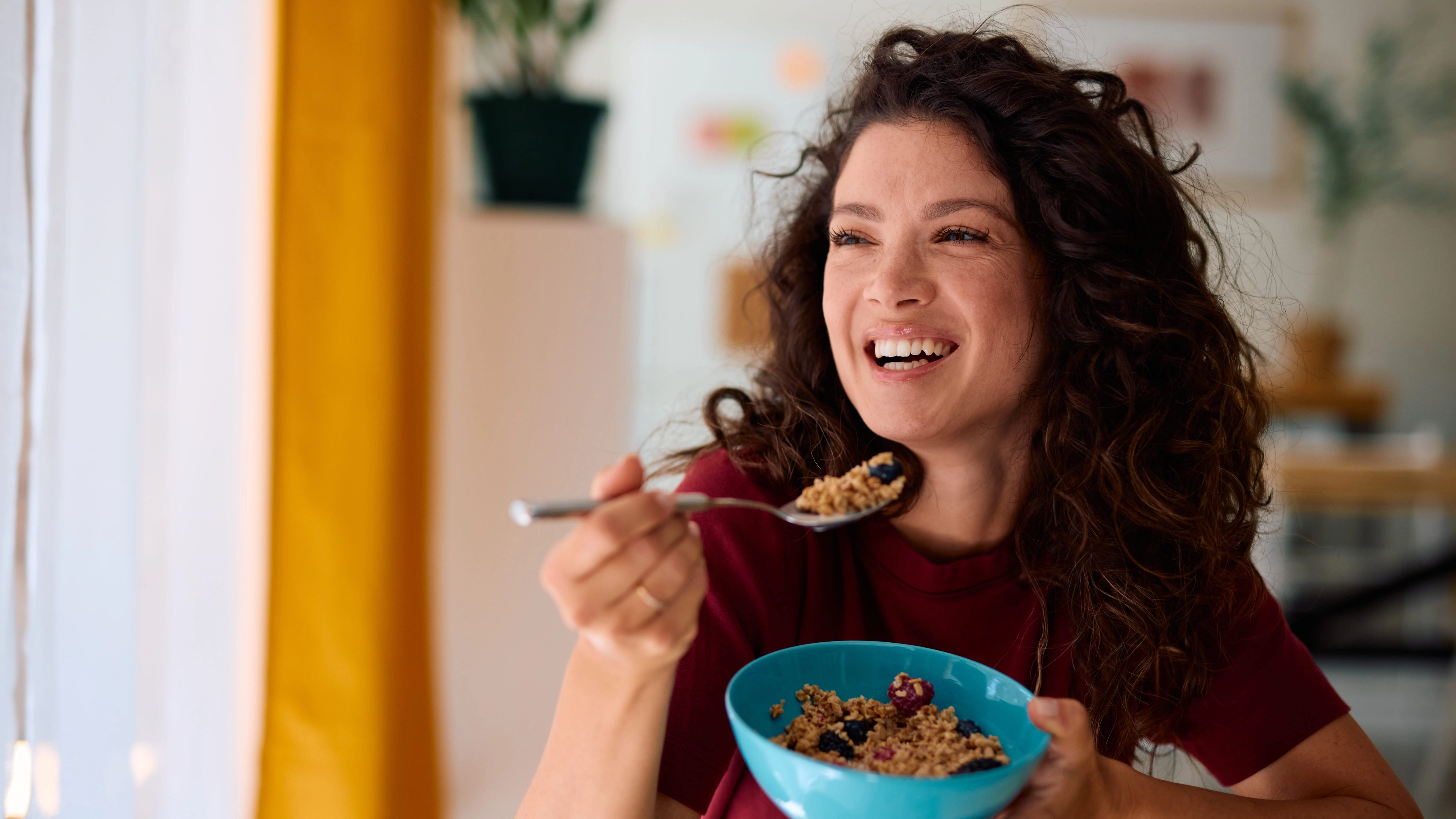
A poll of 4,000 people found that 64 percent of shoppers are particularly choosing to eat foods like oats more regularly so they can ‘keep feeling fuller for longer’.
“GLP-1s are reshaping the entire food and drink landscape, even for people who aren’t on the medication,” Dr Joanne Lunn, Waitrose’s head of health and nutrition, told The Guardian.
“As appetite patterns change, customers’ baskets are shifting towards smaller portions, nutrient density and high-satiety (feeling full) foods.”
As well as leaning into purchasing more porridge, shoppers are apparently reaching for pulses, seeds, nuts, and tinned fish more often than ever,
“We’re seeing a growing shift towards savoury porridge,” said Lunn, who called the dish the ‘ultimate hack for a low-sugar, high-satiety boost’.
She also suggested swapping sweet toppings for chilli oil, bone broth and roasted veg.
Fibremaxxing trend explained
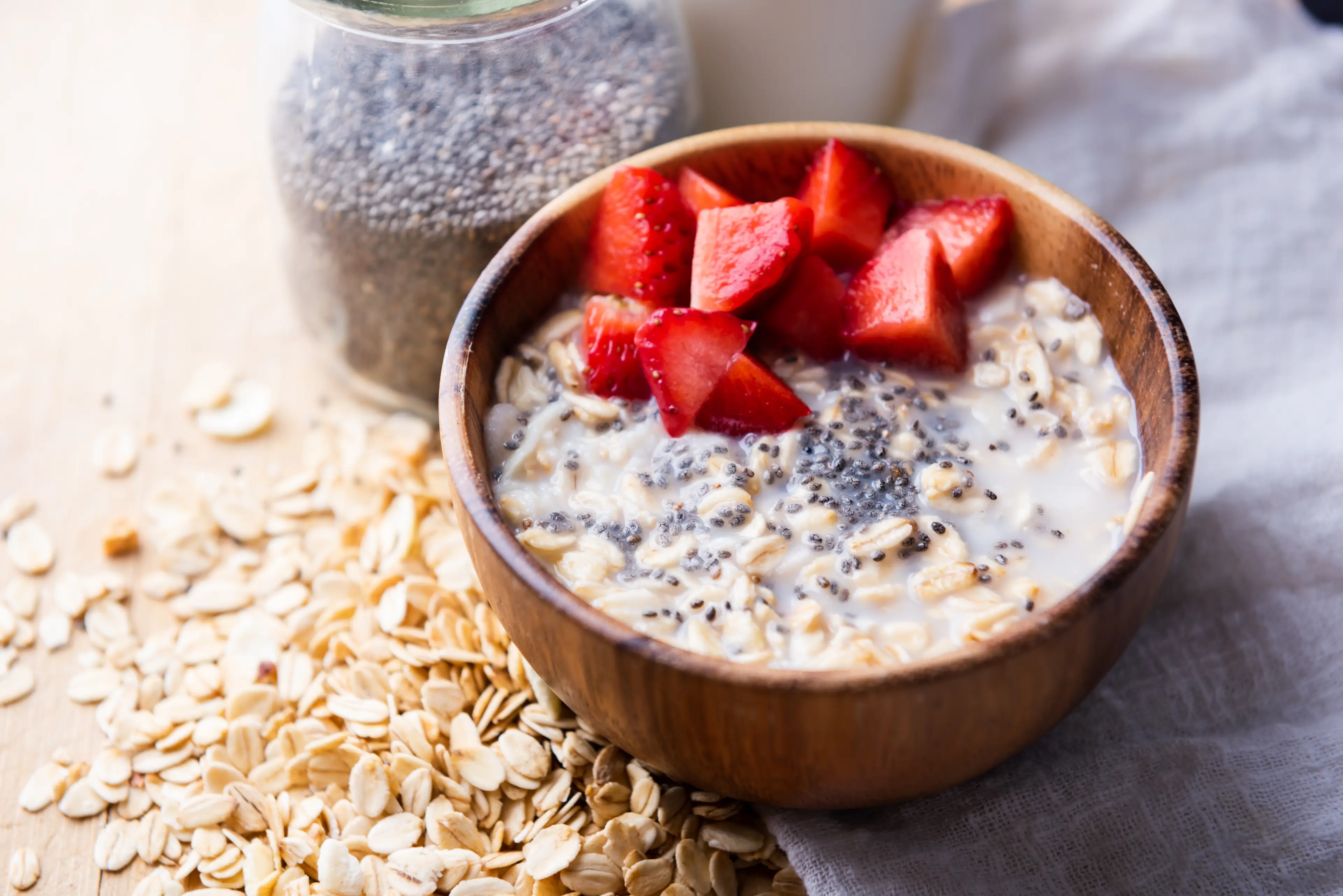
The rise of porridge comes amid the TikTok ‘fibremaxxing’ trend, with health-conscious individuals trying to eat 30g of fibre every single day.
Worrying statistics suggest that up to 90 percent of Brits aren’t eating enough of the nutrient on a daily basis, with many being at risk of ardiovascular disease, heart attacks, strokes, type 2 diabetes and colon cancer, as per Prof Kieran Tuohy, professor of energy metabolism and microbiome at the University of Leeds
“The gut microbiome is supported by dietary fibre," the expert told the BBC.
"When you take the fibre away, these bacteria then start to change in balance and they look for other things to break down.
"And after fibre, probably the second most common nutrient that you find in the colon – where the bacteria are – is protein.
"When the bacteria start breaking down protein and amino acids, some of those end products are not very good for us. That can increase the risk of heart disease or colon cancer."
How to include more fibre in your diet
Anyone who is struggling to consume more fibre is advised to look towards ancient grains, including spelt, and follow a nutritionists easy ‘hack’.
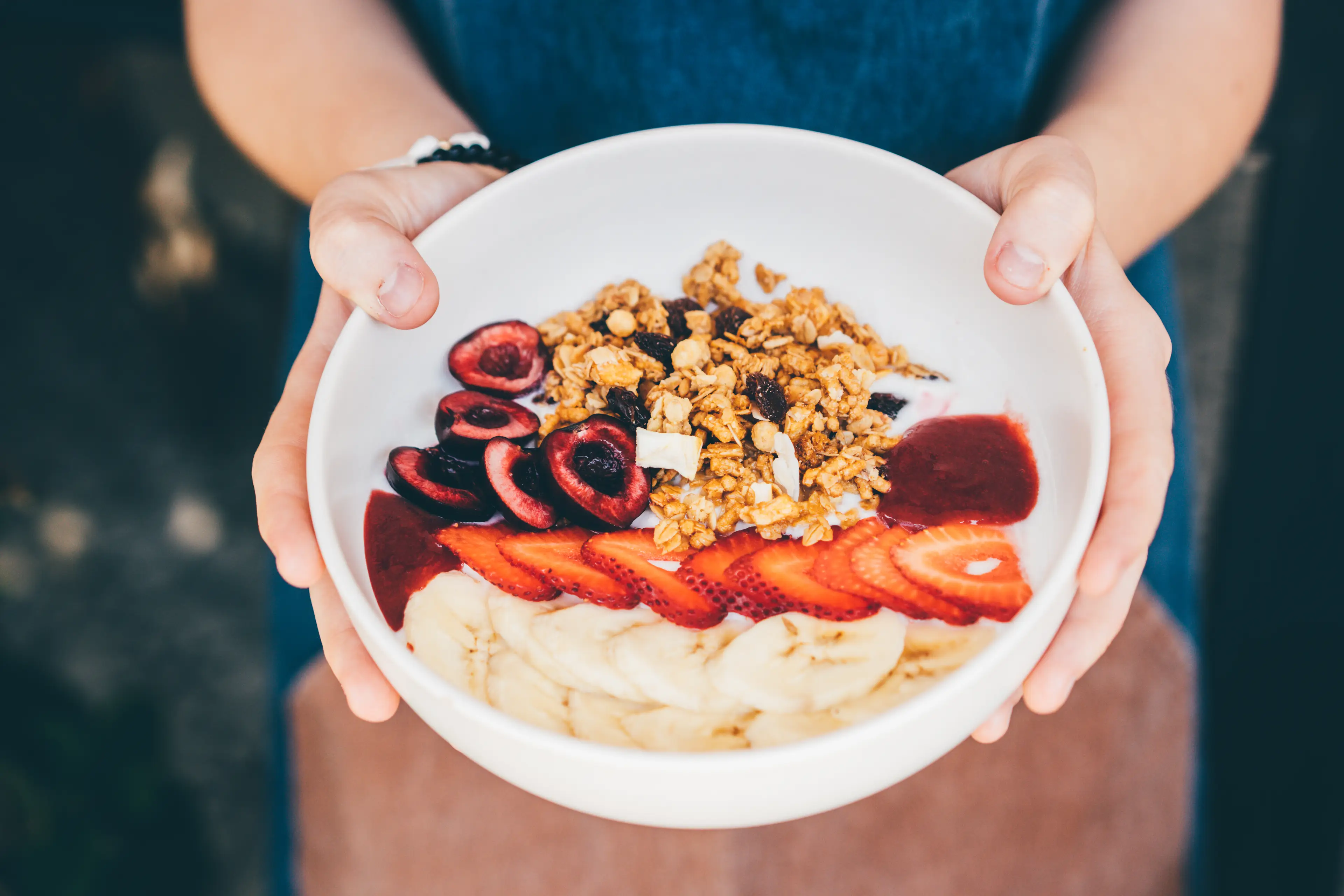
Speaking to Hello! Magazine, Rhiannon Lambert, one of the UK’s leading nutritionists, admitted she keeps a ‘jar of mixed seeds on the kitchen table, and my kids call them 'sprinkles’.
“They go onto yoghurt, porridge, cereal, toast - whatever breakfast looks like that day. That one small habit increases fibre intake every single morning without anyone having to think about it.”
The Sunday Times bestseller also recommend putting chickpeas in salad, adding a handful of berries to your go-to breakfast, or snacking on nuts.
 Ella Scott