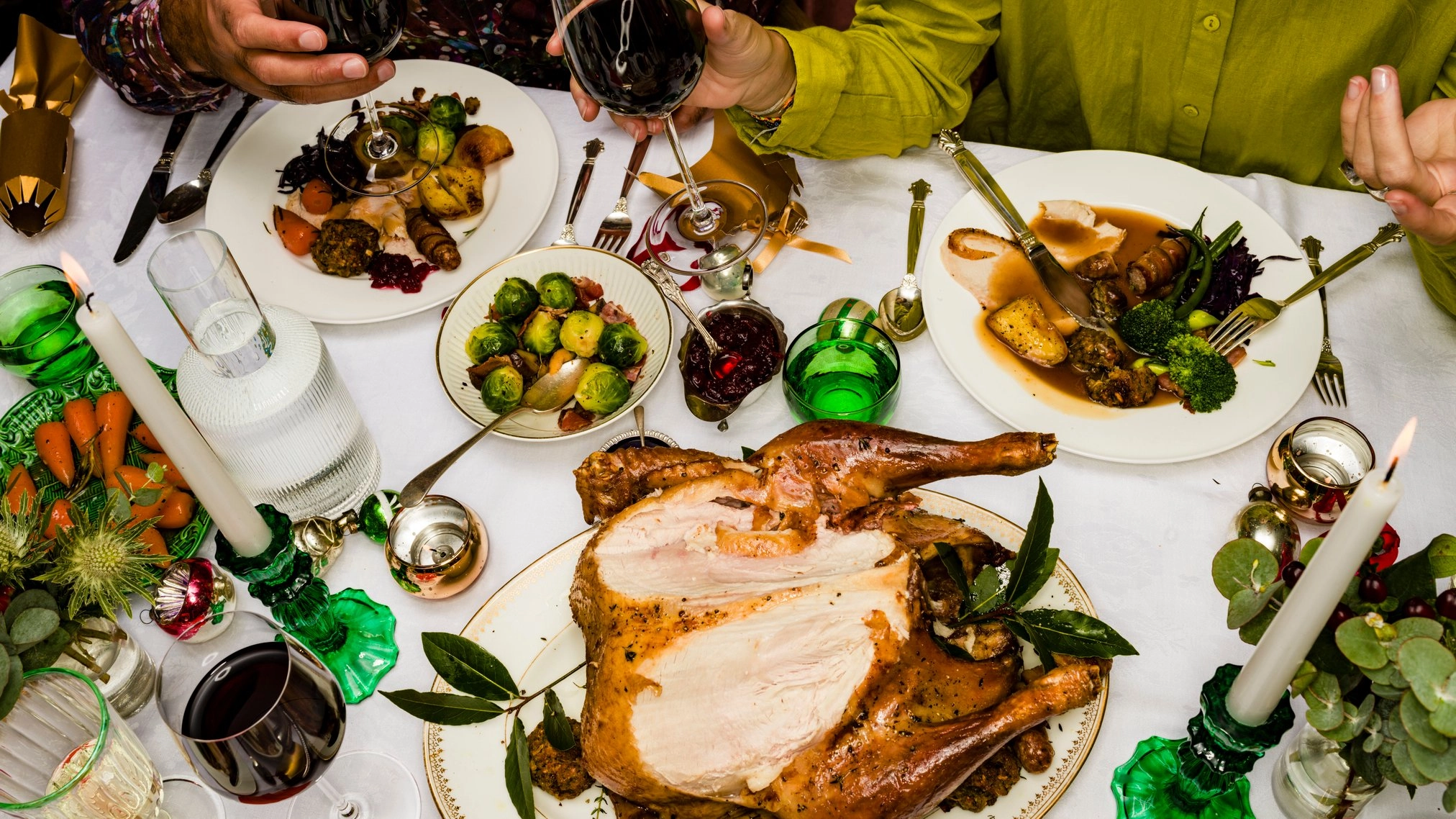
Seven items to buy now to save cash on Christmas dinner

Christmas dinner is one of the highlights of the festive season, but getting everything on the table can come with a surprisingly hefty price tag.
Between the turkey, all the trimmings, vegetables, a Christmas pudding followed by a little extra something sweet (or two, or three, or more desserts if you have a sweet tooth) to finish, the food shop can quickly eat into your Christmas budget.
With supermarket prices adding up, leaving everything until the last minute could mean missing out on some of the best deals.
According to research by Zable, the cost of Christmas lunch has risen by 50 percent over the last decade, and searches for 'frozen turkey' have increased by 200 percent.
Advert
The good news is that you don’t have to wait until December to get organised.
Your freezer could be the secret to keeping costs down, allowing you to pick up certain ingredients while they’re on offer and spread the expense over several weeks.
From the all-important turkey to pigs in blankets and even parts of your dessert, here are seven items worth buying now before the festive rush begins.
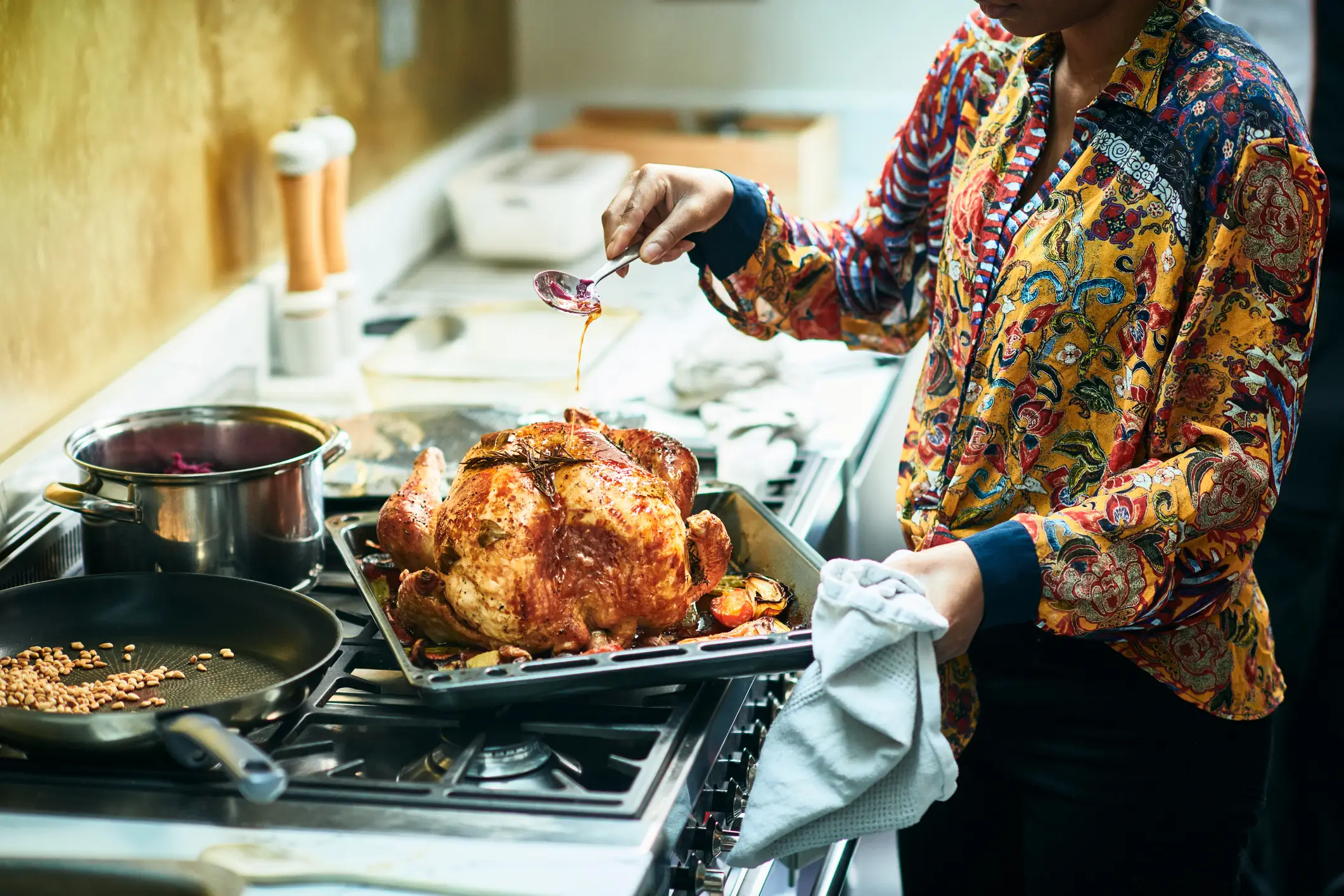
1. Turkey
The centrepiece is often the biggest expense, so start here.
Frozen turkeys and crowns can be considerably cheaper than fresh equivalents.
Buying early gives you time to compare prices, choose the right size and avoid the limited selection that can appear closer to the big day.
Check the weight against the number of people you’re feeding, then read the label.
A large whole bird can take three to five days to thaw fully in the fridge, so check the timings well in advance.
Dietitian Nichola Ludlam-Raine told The Sun: “Frozen turkey isn’t nutritionally inferior to fresh.”
Follow the pack’s thawing and cooking instructions carefully.
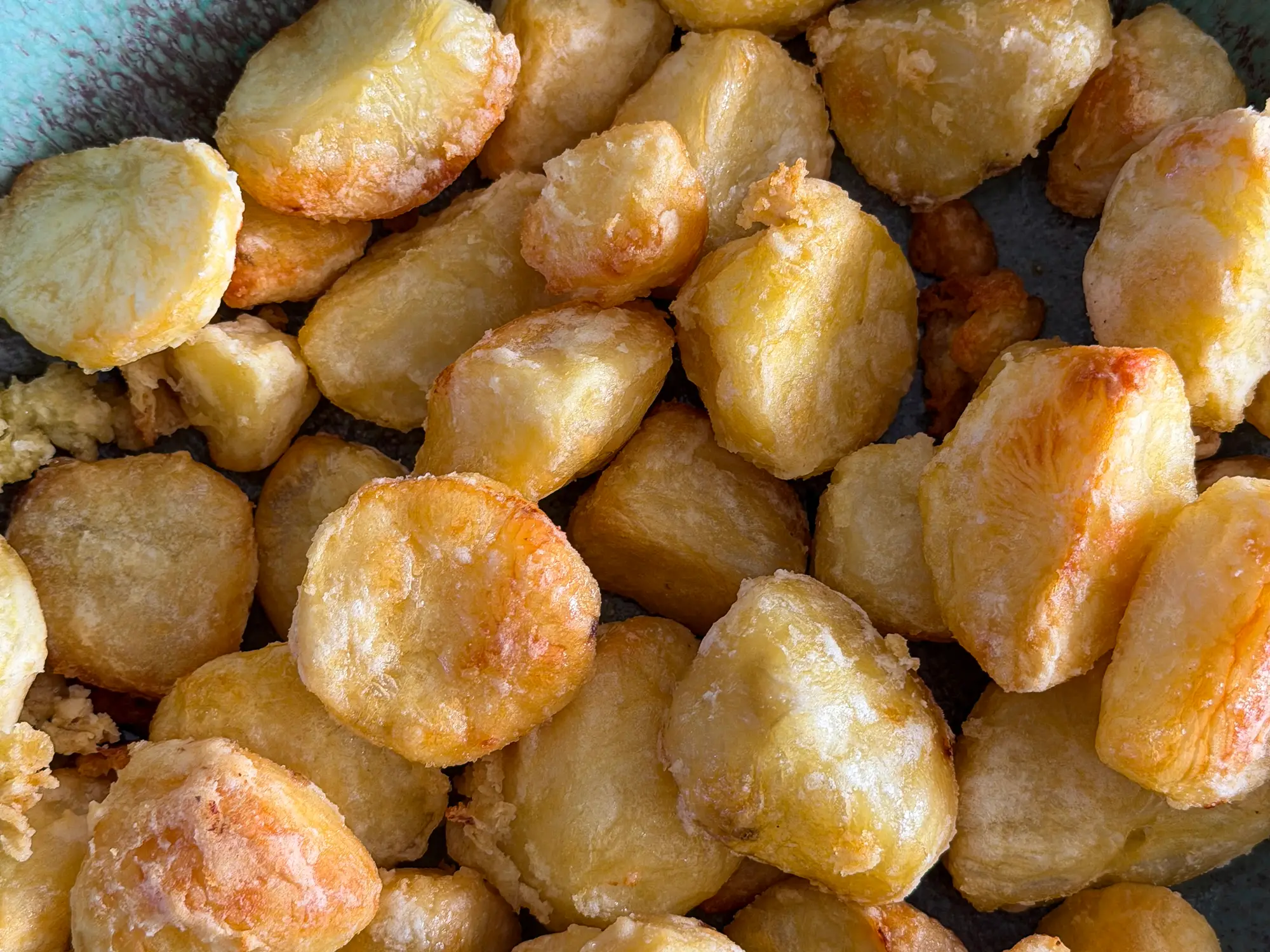
2. Roast potatoes
Frozen roast potatoes can be good value and save you peeling and parboiling on the day.
They’re especially useful if oven space and time are at a premium.
Compare the cost with fresh potatoes, though: a big bag of ordinary spuds may still work out cheaper.
For a homemade option, parboil, cool and freeze potatoes in portions.
Roast from frozen and you’ll have one less job on Christmas morning.
3. Brussels sprouts and other vegetables
Frozen sprouts, peas, carrots, broccoli and parsnips are handy to have on standby.
Compare pack sizes as well as shelf prices.
Steam or microwave vegetables rather than boiling them in lots of water, which can leach some nutrients into the cooking water.
Check the packet for cooking times. Mix frozen and fresh veg to keep costs down.
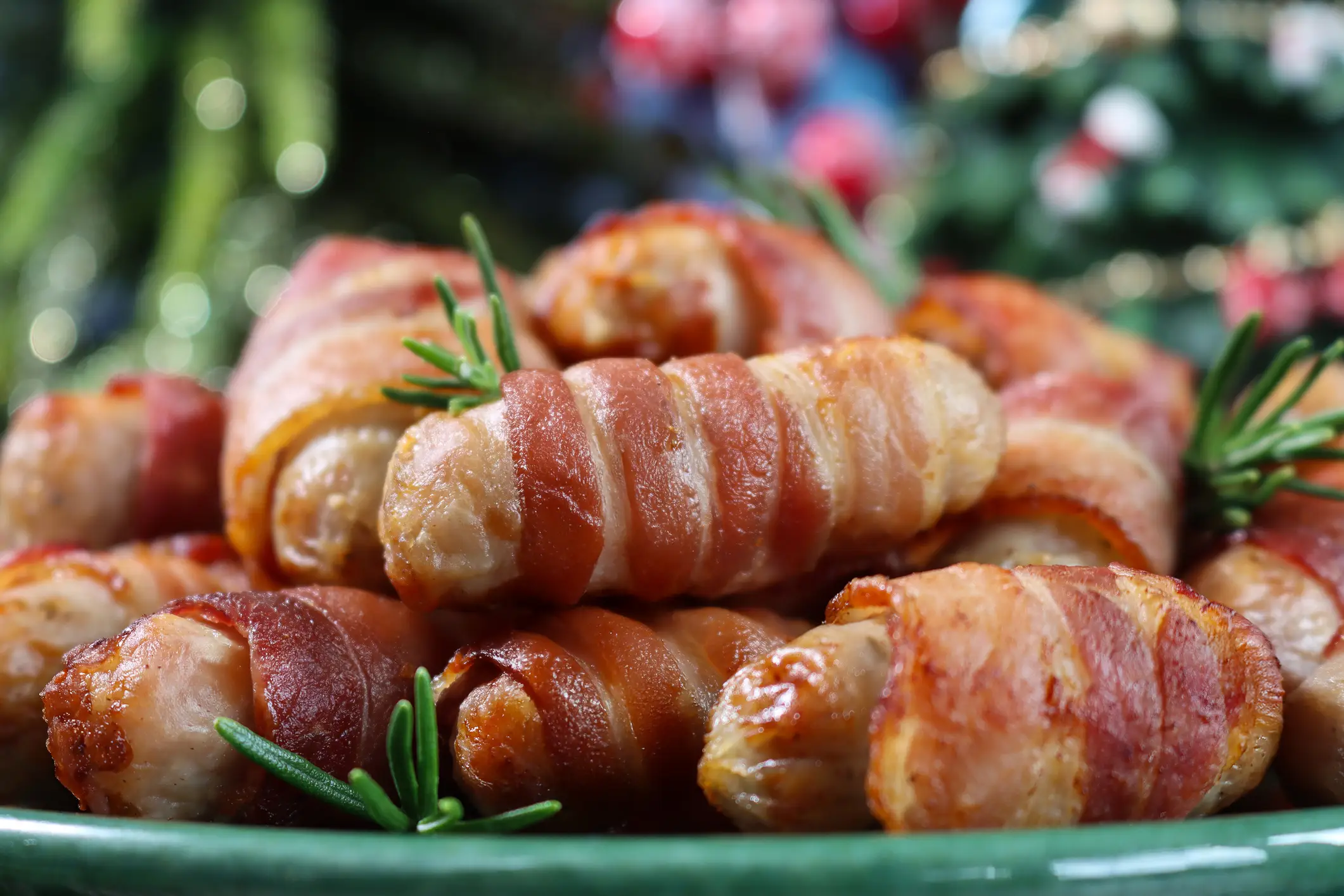
4. Pigs in blankets
These little extras can add up (but be honest, they're the best bit).
Look out for frozen packs on offer, or make your own with sausages and bacon.
Freeze them in a single layer before transferring to a labelled bag or container.
Making your own also lets you choose the sausages and bacon you prefer, and control the portion size.
Check whether they need defrosting before cooking or can go straight into the oven.
5. Gravy and stock
Ready-made gravy pots and chilled tubs add to the bill.
Make stock or gravy from chicken bones, vegetable trimmings or roasting juices, cool it quickly and freeze in small portions.
It’s a useful way to make ingredients go further rather than buying a separate pot for every meal.
Freeze concentrated stock in ice-cube trays.
Defrost in the fridge and reheat until piping hot.

6. Christmas pudding and dessert
A frozen Yule log, roulade or cheesecake can be cheaper than a premium bakery dessert, and you can keep it tucked away until you need it.
Be sure to check if anything needs thawing beforehand, or opt for ice-cream or frozen desserts for even more convenience.
7. Cheeseboard favourites
Cheese can be another costly part of the meal.
Larger blocks of hard cheese, such as Cheddar or Parmesan, can be frozen in portions or grated first.
This is a better bet for cooking than for putting straight on the cheeseboard, where texture matters more.
Wrap it well, label it and check the storage advice for the type you’ve bought.
Make the freezer work for you
A bargain is only a bargain if you remember to use it. Freeze food before its use-by date, package it tightly and label each portion with its contents and date.
Defrost in the fridge, not on the worktop, and use food within 24 hours once fully thawed.
A little preparation now means fewer expensive mistakes later.
 Jen Thomas