NYC lawmakers move to ban boiling live lobsters and crabs

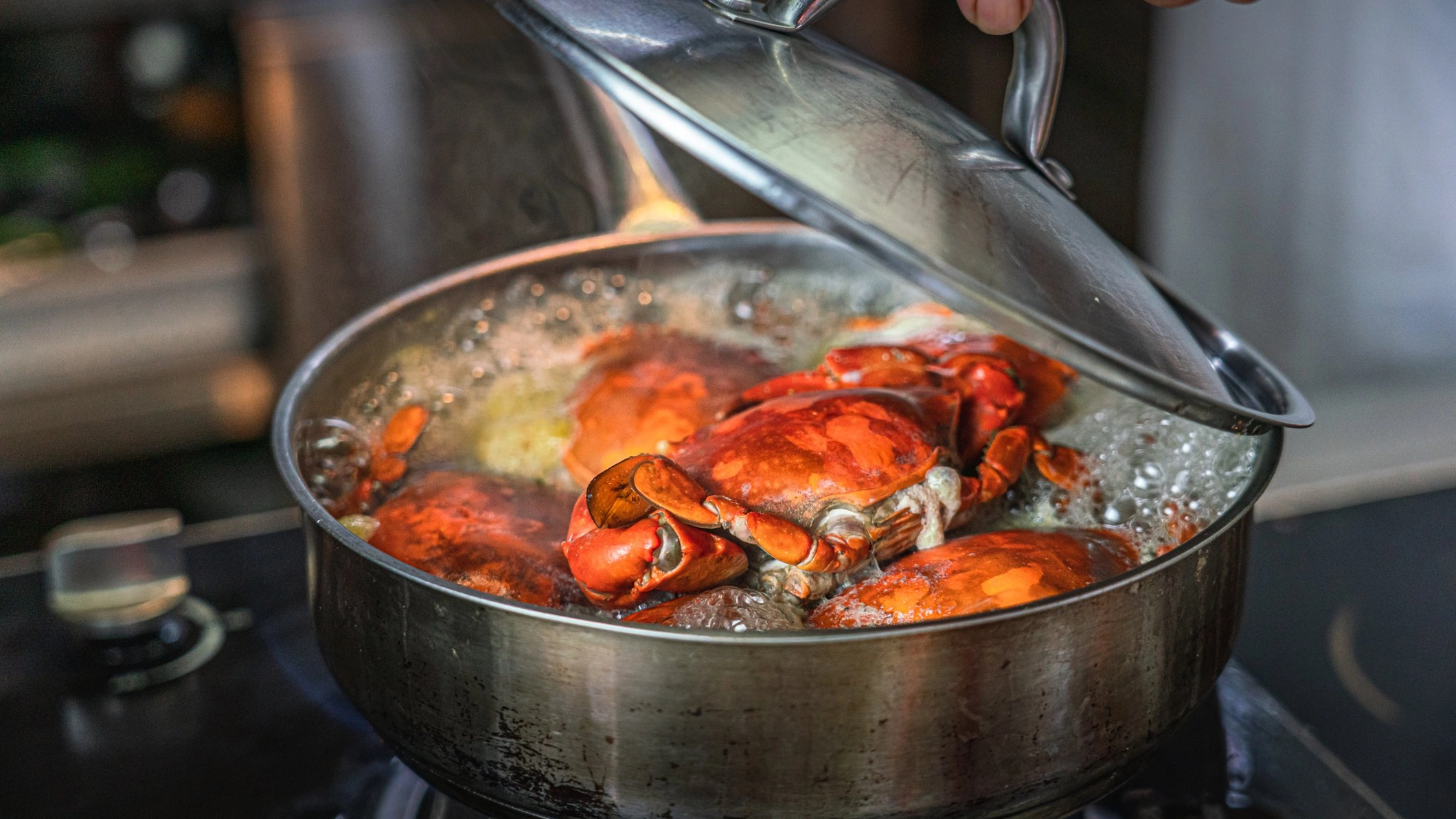
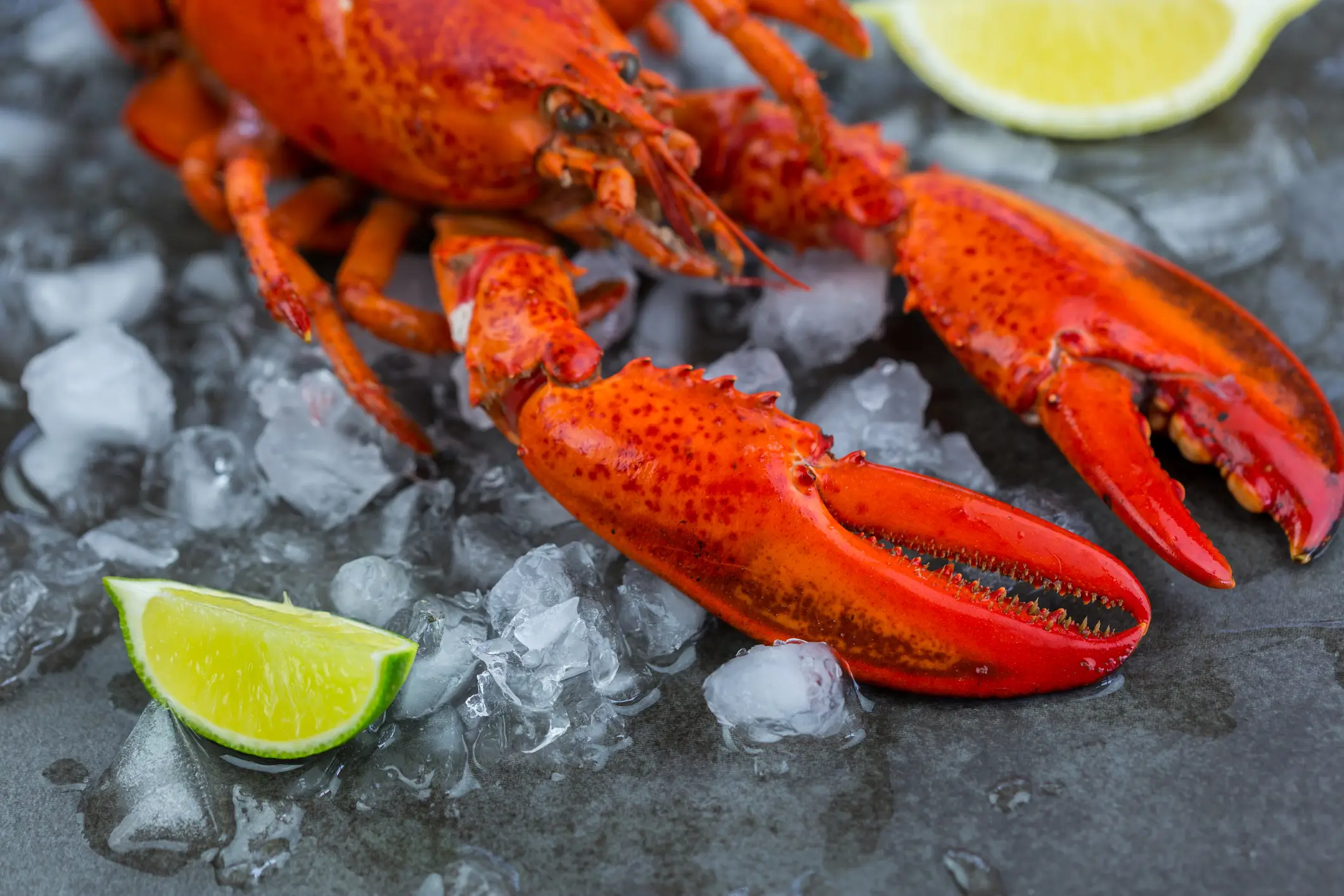
New York City could be about to change the way restaurants prepare one of their most popular seafood dishes, with lawmakers proposing a ban on boiling lobsters and crabs while they are still alive.
The controversial measure has already stirred up debate, with animal welfare concerns on one side and chefs and restaurant owners questioning the need for another regulation on the other.
For years, dropping live lobsters into pots of boiling water has been a familiar cooking method in seafood restaurants, but growing scientific interest in whether crustaceans can experience pain has put the practice under fresh scrutiny.
The proposed legislation would not stop New Yorkers from ordering lobster or crab when dining out.
Advert
Instead, it aims to change how the lobsters are killed before they reach the cooking pot.
While supporters believe it is a necessary step towards better animal welfare, not everyone in the food industry is convinced.
What does the proposed ban actually mean?
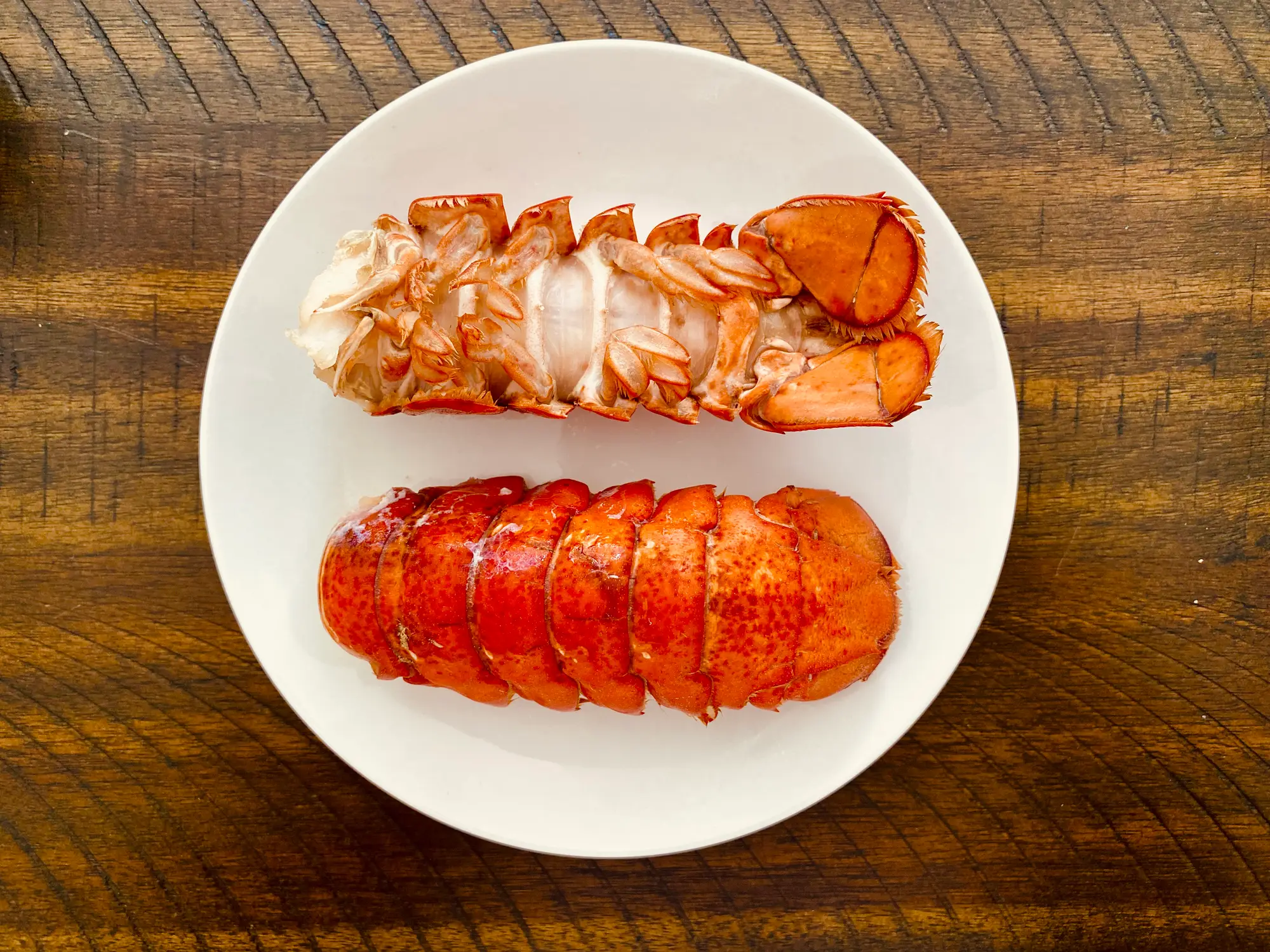
The bill, introduced by New York City Council members Oswald Feliz and Harvey Epstein, would make it illegal for food service establishments to put live crustaceans directly into boiling liquid for cooking.
It covers lobsters, crabs and other crustaceans intended for human consumption.
Restaurants would still be allowed to serve them, provided they use an alternative preparation method.
According to the legislation, a first offence would result in a formal warning rather than a financial penalty.
However, repeat violations could lead to civil fines of up to $100 (£75).
The measure was introduced on 19 November 2026 and referred to the City Council's Committee on Health.
It is not yet law, but if passed, it would come into effect 180 days after becoming law.
Feliz has been particularly vocal about the reasoning behind the proposal.
Speaking to the New York Post, he said: "Boiling any animal alive is animal cruelty."
He also questioned the suggestion that lobsters cannot experience pain, pointing to their attempts to escape when placed in boiling water.
"I also want to be clear: this bill does not remove lobster from the menu or prevent anyone from eating it," he said. "Everyone is completely free to enjoy as much lobster as they want."
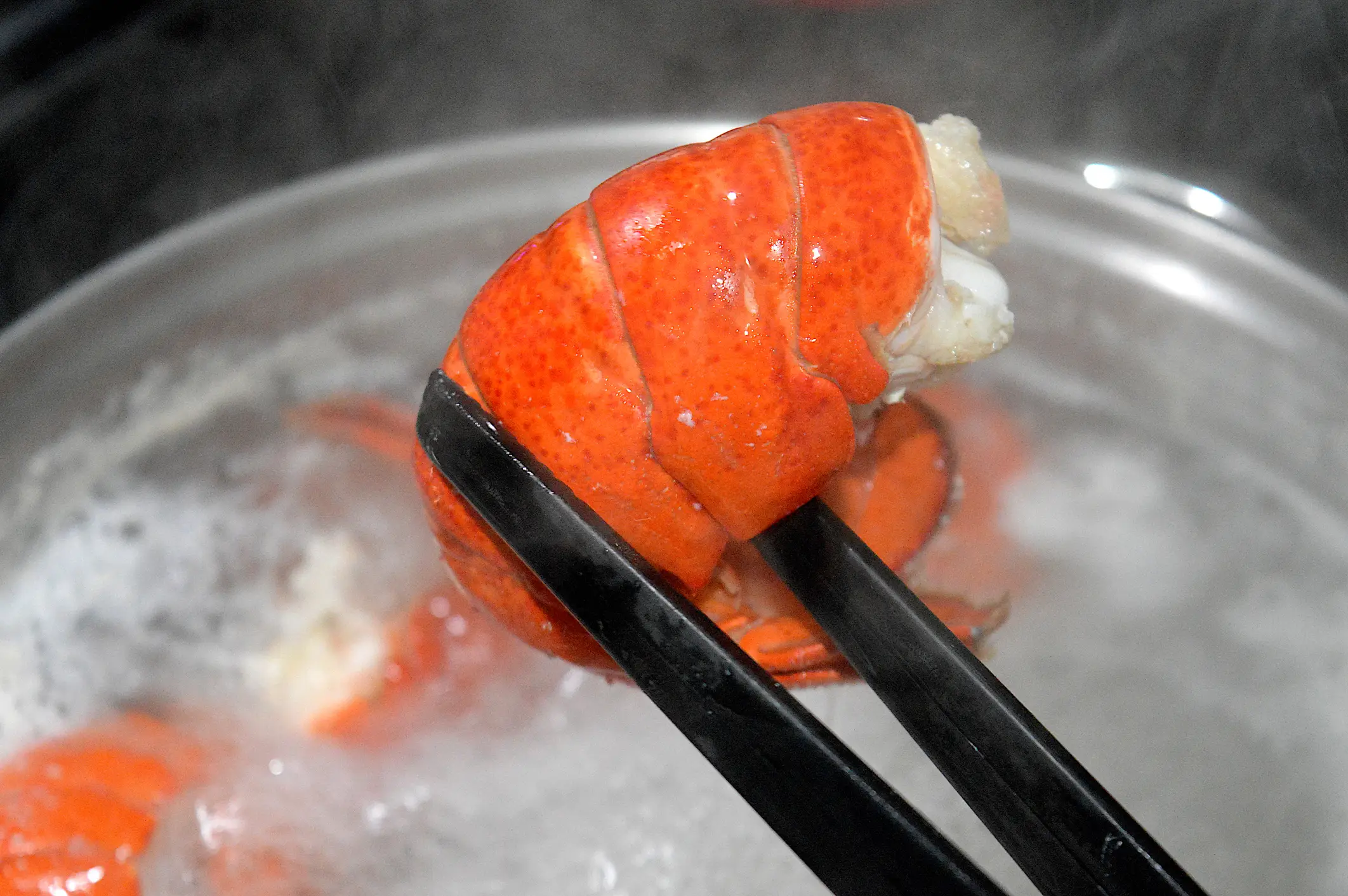
Why are scientists concerned about boiling lobsters alive?
The debate is not entirely new.
Scientists have been investigating whether crustaceans experience pain for years, with research increasingly challenging the assumption that these creatures simply react to unpleasant situations through basic reflexes.
A study published in April 2026 in the journal Scientific Reports examined Norway lobsters exposed to electrical shocks.
Researchers found that pain-relief drugs, including aspirin and lidocaine, reduced the animals' escape responses.
The findings added to growing evidence that crustaceans may experience something more complex than a simple automatic reaction to danger.
This matters because, if lobsters and crabs can experience pain, the process of placing them straight into boiling water raises serious welfare questions.
Some countries have already introduced restrictions on boiling live crustaceans, while animal welfare campaigners have called for similar protections elsewhere.
Chefs and restaurant owners aren't happy
However, the proposed change has not gone down particularly well with everyone in the hospitality industry.
Celebrity chef Jason Smith questioned whether the City Council should be concentrating on the issue, arguing that restaurants already have plenty of financial pressures to deal with.
He told Fox News Digital that officials should be consulting people who actually work in professional kitchens before introducing new requirements.
Restaurateur Zach Erdem also raised concerns about the practical implications, saying businesses needed clear guidance on alternative preparation methods, their costs and how they could be introduced during busy services.
He said: "I understand why people object to boiling lobsters alive."
But Erdem believes restaurant owners should have a proper say in any changes, particularly smaller independent businesses that may struggle with additional costs and requirements.
Could this change how seafood is prepared elsewhere?
The proposal is part of a wider conversation about animal welfare and how food reaches our plates.
As research into crustacean sentience develops, traditional cooking practices that were once largely unquestioned are facing renewed attention.
For now, New York restaurants can continue preparing lobster and crab as they currently do, while the proposed legislation works its way through the council process.
Topics: US Food, News, Restaurants and bars
 Jen Thomas