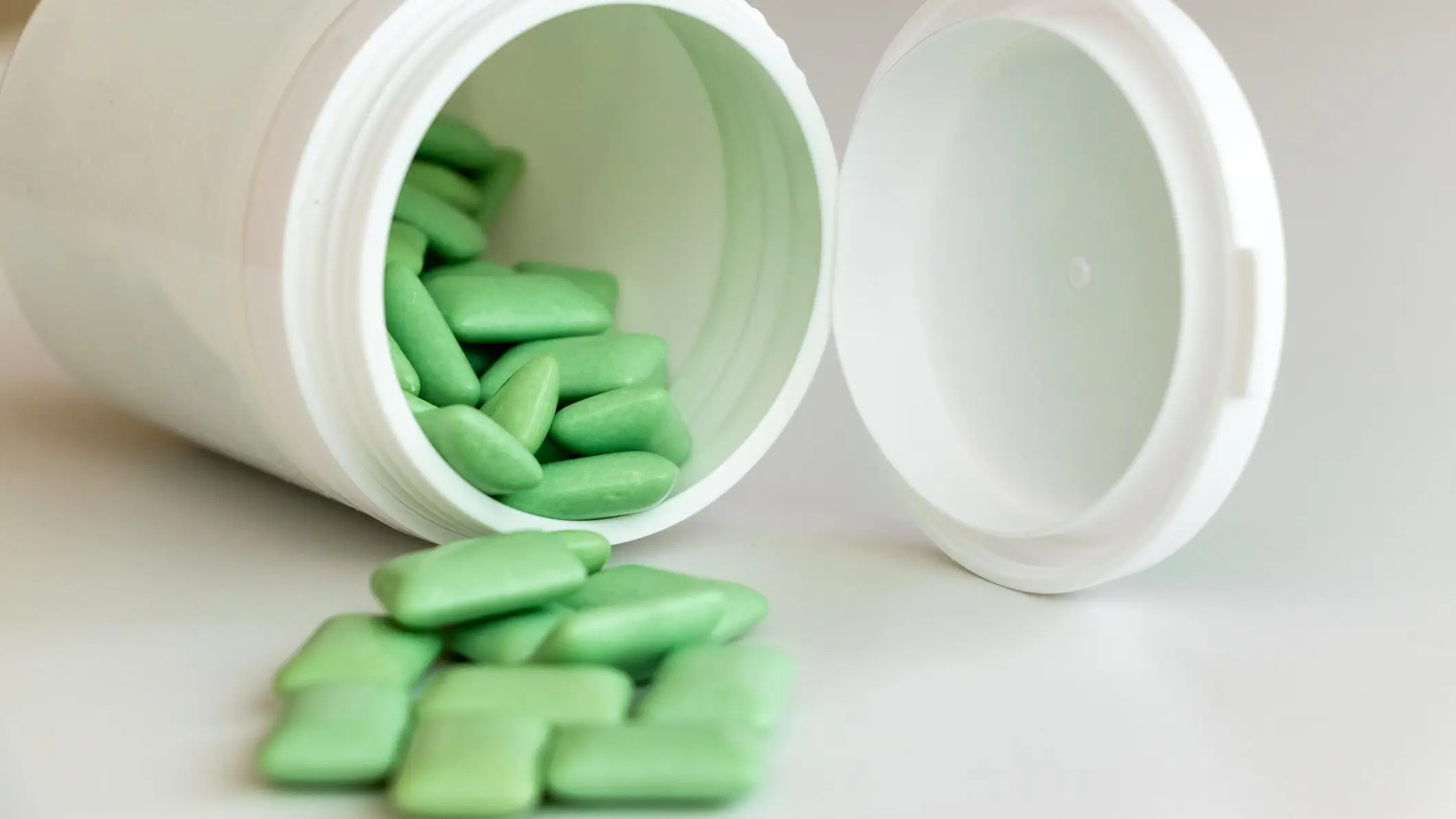
Ingredient used in jam and chewing gum linked to strokes and heart attacks

New research has linked a common ingredient found in everyday products including jam, sweets and chewing gum, has been linked to a higher risk of heart attacks and strokes.
The popular sweetener, Xylitol, is a sugar alcohol commonly used as a substitute to add sweetness without the calories.
It is frequently found in a range of foods, drinks and oral care products.
Xylitol also occurs naturally in very small amounts in some foods and is also produced by the body, but manufacturers can add it to products in much higher concentrations.
Advert
Researchers from Charité University Hospital in Berlin examined data from 17,710 people, comparing those with the highest levels of xylitol in their blood with those who had the lowest.
The study looked at major cardiovascular events, including heart attacks, strokes and cardiovascular death, according to The Independent.

Over a six-year follow-up period, people in the group with the highest blood levels of xylitol had a 57 per cent higher risk of a major cardiovascular event than those in the lowest group.
A separate analysis following participants for 30 years found an 18 per cent higher risk among those with the highest levels.
The findings were presented at the European Society of Cardiology's annual congress in Munich in August.
The researchers stressed that the work found an association between xylitol levels and cardiovascular events, rather than proving that consuming xylitol directly causes heart attacks or strokes.
That distinction is important because the research was observational.
Professor Dan Atar, a member of the European Society of Cardiology's Communication Committee, said: “As with all observational studies, causalities are difficult to infer, but this work shows that further studies are mandated into this societally important topic.”
One possible explanation relates to the way blood clots form.
A clot can block blood flow to the heart or brain, causing a heart attack or stroke.
Dr Marco Witkowski, from Charité University Hospital and the presenter of the research, said: “In previous studies, we showed that xylitol can enhance the ability of platelets to form clots.”

He added that earlier research had also found a link between high blood levels of xylitol and cardiovascular events in people already considered at high risk.
The latest study was designed to investigate the association in a much larger group from the general population and over a longer period.
Xylitol is particularly familiar to consumers looking for products marketed as sugar-free or lower in sugar.
It is used in chewing gum and other confectionery, while its use also extends to foods, drinks and toothpaste.
According to the European Society of Cardiology, the amounts added to manufactured products can be more than 1,000 times higher than the tiny quantities found naturally in foods.
The researchers said the association remained after taking account of factors including age, sex, smoking, body mass index, diabetes, high blood pressure and cholesterol levels.
They also reported a dose-dependent pattern, with cardiovascular event rates increasing as blood xylitol levels rose.
Dr Witkowski said people often choose artificial sweeteners because they believe them to be healthier than sugar.
“Our long-term findings in the general population highlight how little we know about the cardiovascular safety of xylitol,” he said, adding that further studies were needed as its use in consumer products continues to grow.
The findings do not mean that people who eat xylitol-containing foods will necessarily suffer a heart attack or stroke.
More research is needed to establish whether xylitol itself is responsible for the increased risk and what levels of exposure, if any, might be harmful.
 Jen Thomas