
Common ingredient could be causing gut inflammation without you realising

It is found in everything from salad dressing, ice cream, and soups to gluten-free bread and even some toothpaste brands, but a common food additive has been put under the microscope after scientists found that regular consumption may trigger inflammation in the gut.
The ingredient in question is xanthan gum, a highly common thickening and stabilising agent.
It's used to give foods a smoother texture and also prevents ingredients from separating.
It is particularly common in processed foods and gluten free products, where it can help recreate some of the texture normally provided by gluten, to try and mimic the bready texture so that people needing a gluten free diet don't feel like they're eating a brick.
Advert
The irony is, that most people having a gluten free diet, for example those with coeliac disease or a gluten allergy, often experience gut discomfort if they consume anything with gluten.
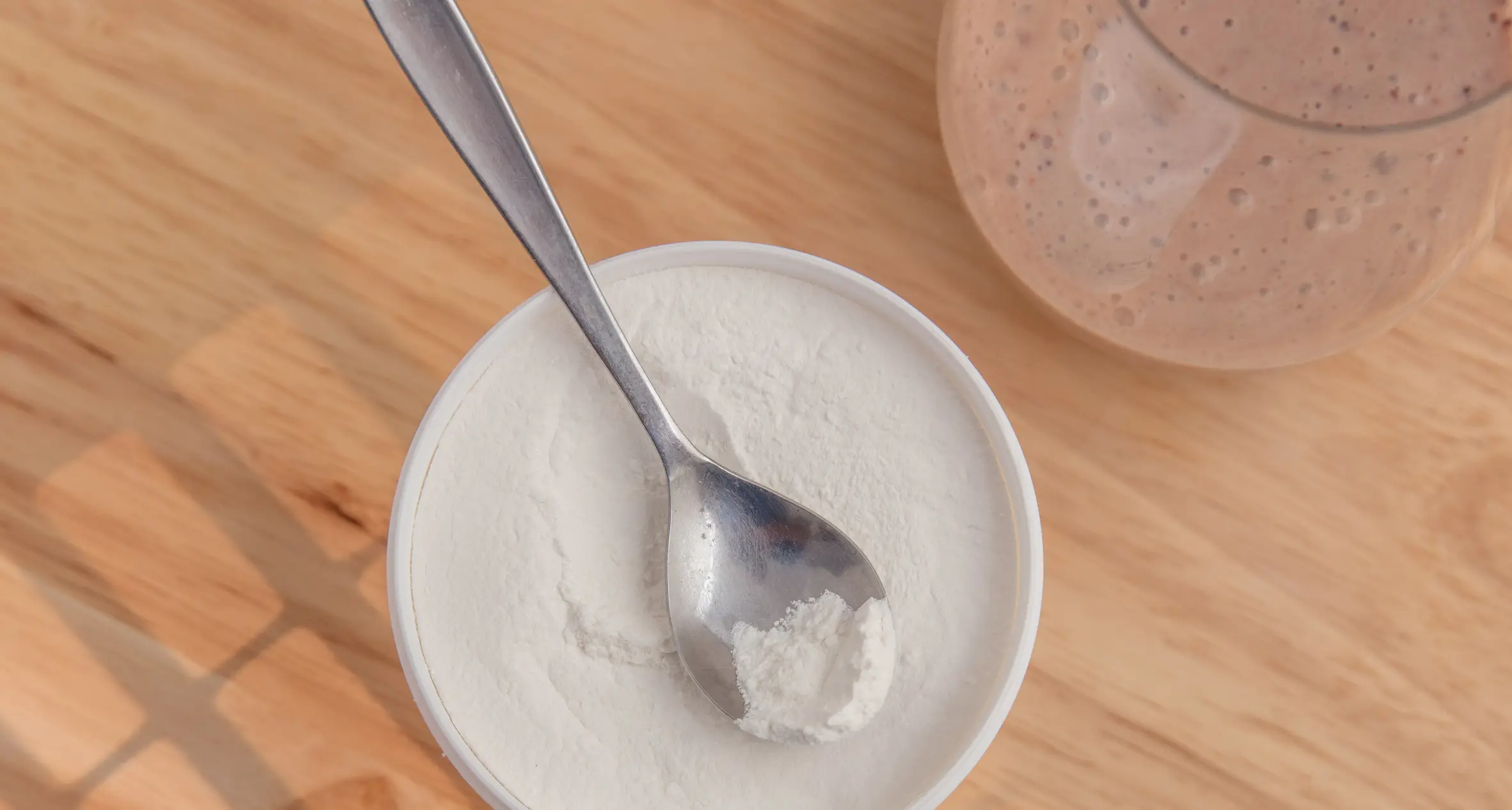
Now though, scientists have found that one of the ingredients which often makes gluten free bakes more palatable could be a culprit for further upset.
A new study from researchers at the Federal University of São Paulo in Brazil examined what happens when xanthan gum is consumed regularly over a long period.
Published in the journal PLOS One, the research found that rats fed xanthan gum for 10 weeks developed mild inflammation in the colon, alongside changes to the intestinal barrier and gut microbiome.
The researchers tested different amounts of xantham gum, varying from the equivalent of occasional consumption, all the way up to higher amounts or more regular exposure.
They found signs of inflammation across the groups, including increased levels of inflammatory markers.
Not only that, but there were also changes to the proteins that are involved in maintaining the gut's protective barrier.
The issue is that xantham gum is an incredibly common ingredient that is found on many supermarket shelves.

However, the research comes with a caveat that as the testing was carried out on rats, rather than humans, that further investigation on humans is needed, as our digestive system is more complex.
Earlier research found that the ability to digest xanthan gum is surprisingly widespread in the human gut microbiome, with particular bacteria appearing to play an important role in breaking the additive down.
A 2025 study examining xanthan gum found changes to gut bacteria, but also reported a reduction in certain markers associated with intestinal inflammation in rats.
There has been a renewed focus on the use of stabilisers and other additives used to alter the texture, shelf life or appearance of processed foods, with the Wall Street Journal questioning if they are making everybody sick.
Many people are now avoiding ultra processed foods, often referred to as UPF.
For most people, there is currently not enough evidence to justify treating the ingredient as dangerous. Instead, the new research provides another reason to pay attention to how often heavily processed foods appear in the diet.
As to whether you should panic if xanthan gum appears occasionally in a salad dressing or gluten-free cake, the answer is no.
Researchers say the priority is now looking into whether the effects seen in animals also occur in humans, but exclusion is not necessary at this time.
 Jen Thomas