
Dermatologist shares four foods 'better' than collagen supplements

A dermatologist has shared his ride-or-die list of collagen-stimulating foods, inspiring people to ditch viral supplements for fresh fruits, vegetables, and protein-rich, plant-based products.
The supplement industry, estimated to be worth a colossal $431.7 billion by the time 2033 rolls around, is bolstered by popular products including magnesium tablets, powdered creatine, and electrolyte tablets for hydration.
Pots of bovine and marine-derived collagen are also considered darlings of the wellness industry, with experts touting their ability to reduce wrinkles and help maintain the structure, stability, and strength of the dermal layers, as per a study published in Dermatology Practical and Conceptual.
Collagen, according to Dr Conal Perrett, Consultant Dermatologist at The Devonshire Clinic, is an ‘important structural protein in the skin’.
Advert
As we age, the body's natural collagen production begins to slow down by around one percent each year, as per Goldman Laboratories.
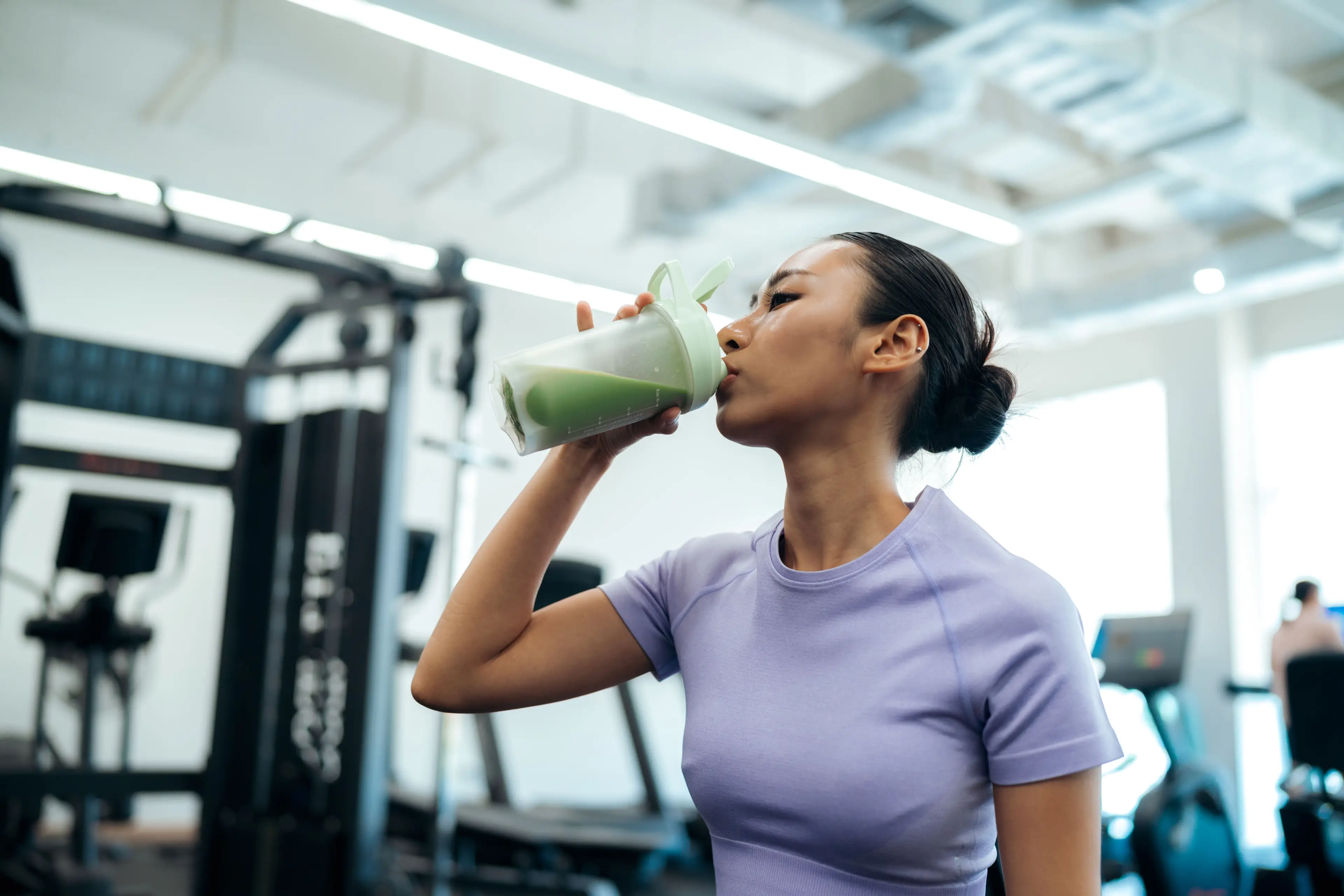
In an effort to replenish stores, a lot of people, given their popularity, are likely to reach for collagen supplements.
“Collagen supplementation has become one of the most widely consumed dietary supplements globally,” explained Jose Francisco Lopez-Gil, senior researcher at Universidad Espíritu Santo’s School of Medicine.
However, Dr Perrett wants people over the age of 25 who want to reinforce collagen stores to ‘focus on the basics’, including eating a varied diet, getting enough protein, and eating plenty of fruit and vegetables, he told The Mirror.
Here are the five foods that the dermatologist wants you to swap out collagen powders for:
Vitamin C-rich vegetables should be prioritised
When it comes to stimulating collagen production, fruit and vegetables rich in vitamin C should be your best friends.

In terms of veg, some of the best sources include: bell peppers, broccoli, Brussels sprouts, and dark leafy greens, such as kale.
Kiwis, oranges, and guavas are also great sources of vitamin C.
Protein is paramount
At its heart, collagen is a protein. So, instead of taking a scoop in supplement form, the dermatologist recommends indulging in other protein sources.
This includes eggs, fish, meat, and dairy products like milk.
Plant-based proteins you can substitute for the powder include beans, lentils, chickpeas, and fortified plant-based alternatives, such as oat and soya drinks.
The British Heart Foundation suggests adults should aim to eat around 0.75 grams of protein per kilogram of body weight each day, which equals roughly 45 grams for women and 55 grams for men.
“Your body needs amino acids to produce collagen and many other proteins that are important for normal body function,” added Perrett.
Add berries into your daily diet
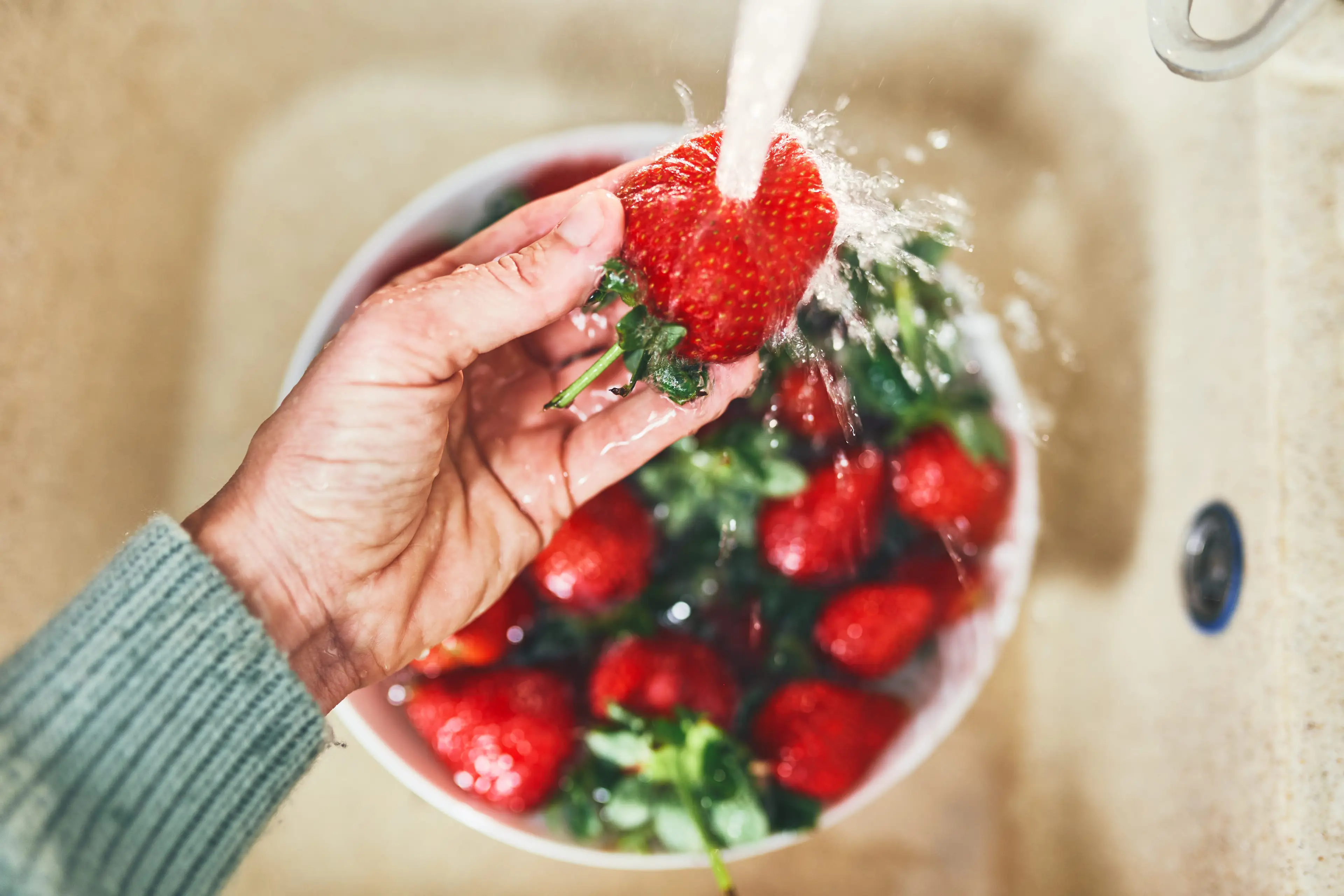
Not only are berries considered a strong source of fibre, but they can also be an ‘easy way to add vitamin C’ and other plant compounds to your diet, according to the James Hutton Institute.
Holland and Barrett wrote that gram for gram, strawberries actually contain more of the nutrient than oranges or lemons.
Raspberries, blueberries and blackberries are also great sources.
Easily up your intake by adding to yoghurt, porridge, your favourite cereals, and smoothies.
Fish dishes can boost skin
Collagen is naturally found in animal flesh, especially in fatty fish like salmon and mackerel.
According to a study published in the Journal of Functional Foods, eating protein helps promote collagen synthesis and antioxidant protection, reduces inflammation and oxidative stress and helps to regulate short-chain fatty acid (SCFAs) metabolism.
Expert warns ‘one nutrient’ will not improve skin
Dr Perrett warned that healthy skin is ‘not dependent on one nutrient’.
“It's the overall pattern of the diet that matters. It's important not to replace one beauty myth with another.
"Eating a particular 'collagen food' isn't a shortcut to younger-looking skin. The important thing is getting a balanced diet that supplies the nutrients your body needs,” he added.
 Ella Scott