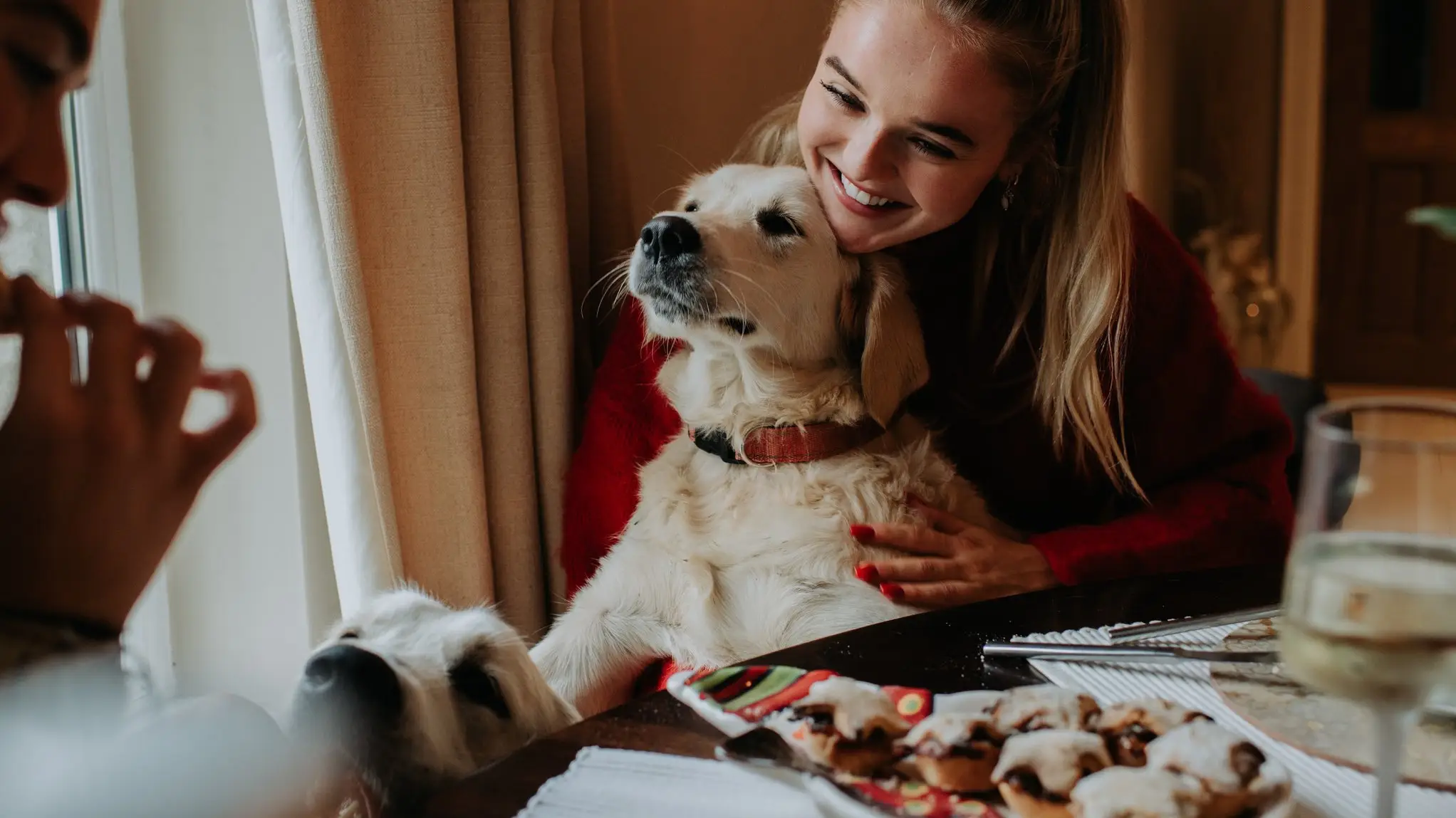
Vet's warning over two festive foods you should never feed your dog

Christmas has a habit of blurring the rules where normal routines slip, tables groan under the weight of food, and what feels like a once-a-year exception suddenly becomes the norm.
For many households, that relaxed attitude doesn’t stop with humans, as pets hover hopefully beneath the table, eyes fixed on whatever’s being carved, poured or passed around.
Sharing food can feel harmless, or even generous; that’s especially when dogs are so clearly part of the family. With just a small spoonful here, and a leftover there, it’s easy to assume that festive treats are simply an extension of everyday scraps.
After all, most owners are already aware of the big no-gos, and there’s a sense that the real dangers are obvious and well-known.
Advert
However, the chaos of Christmas creates a different kind of risk. Because kitchens are busier and guests are distracted, dogs are more likely to pick up something they shouldn’t, whether offered intentionally or dropped by accident.
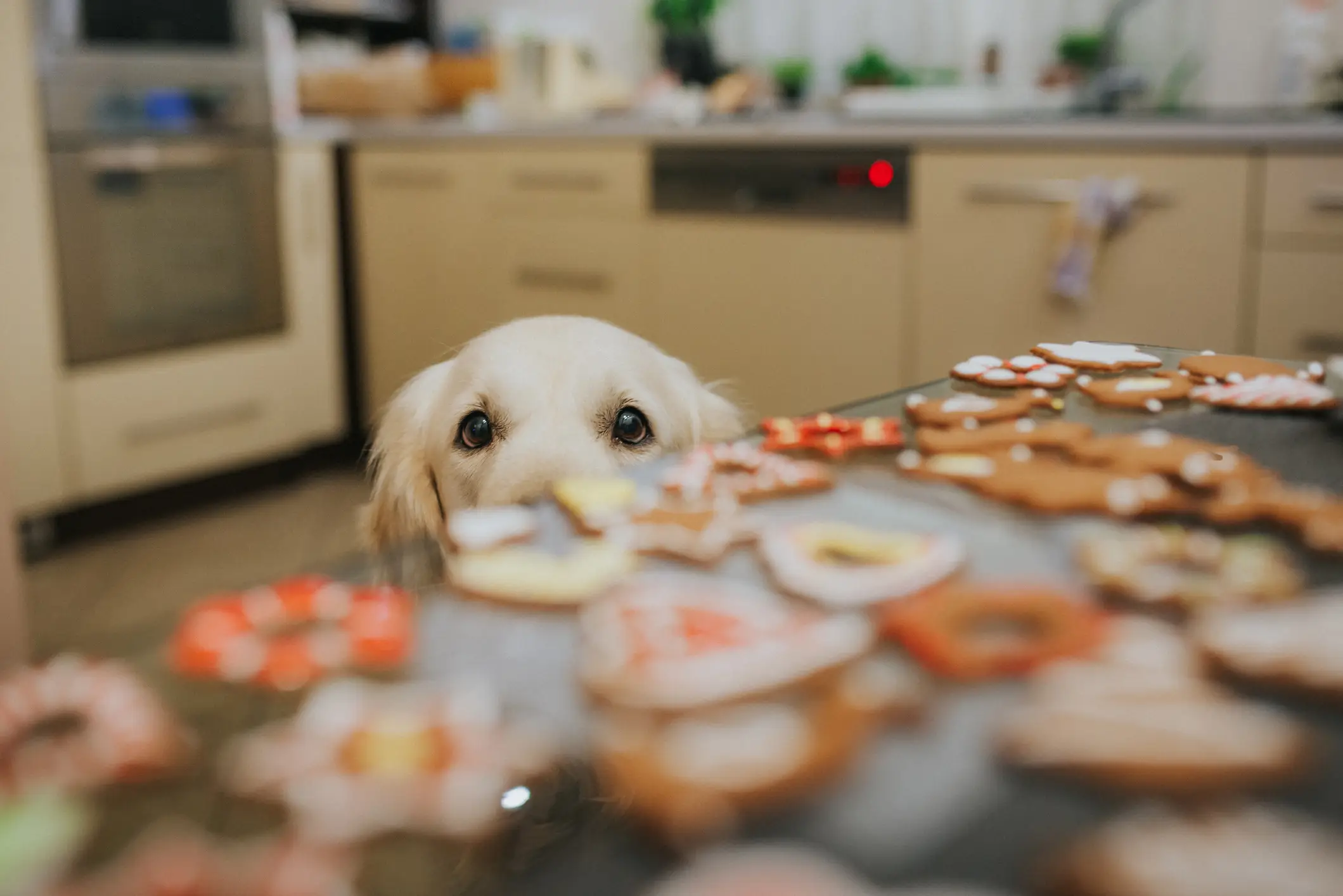
According to recent research by ManyPets, more than 40% of pet owners in the UK admit their animal has eaten something unsafe during the festive period, with many ending up facing expensive vet bills as a result.
It’s at this point that vets are urging owners to rethink what really counts as safe. While chocolate like Maltesers and raisins still top the danger list, a growing number of emergency visits are being linked to foods that don’t usually raise alarm bells.
Dr Kirsten Ronngren, ManyPets’ resident vet, says there are two festive staples she would never give her own dog: gravy and stuffing.
Reported by KentLive, Ronngren said: “People might think it’s ok to hand over a little gravy or stuffing, but both can contain ingredients that are harmful for dogs. It’s not always the obvious things like chocolate - the biggest dangers can be hiding in plain sight on your Christmas plate."
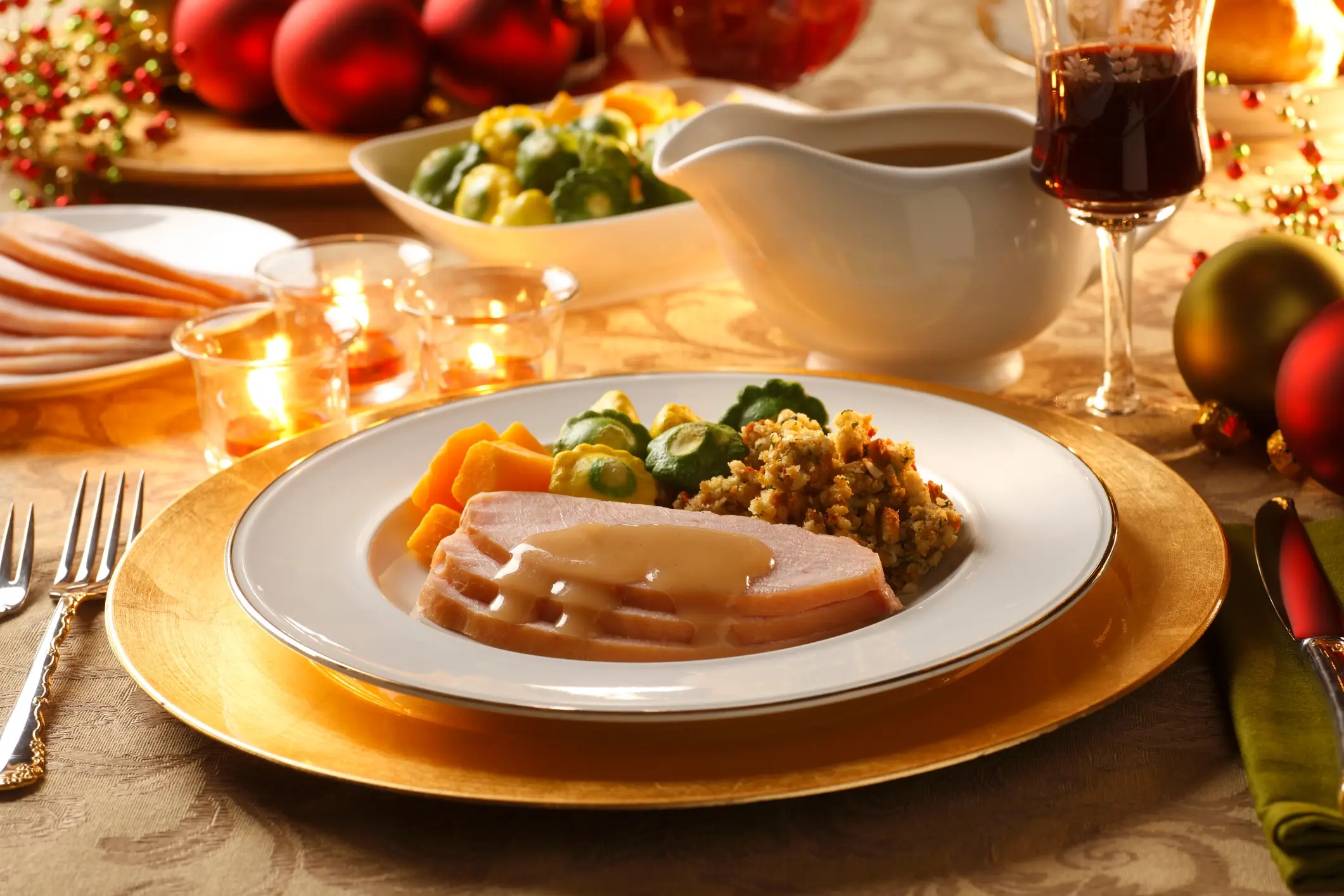
The doctor added: “Stuffing often contains onions and garlic, which are toxic to dogs, while gravy is packed with salt and fat."
These ingredients can cause vomiting, digestive upset and, in more serious cases, organ damage. Cooked bones, pigs in blankets and mince pies also regularly feature in festive accidents, often because they’re left within easy reach during busy meal prep.
The impact isn’t just physical. Dr Ronngren adds that Christmas can be overwhelming for pets, with unfamiliar smells, loud noises and a constant stream of visitors increasing stress levels. She recommends setting up a quiet space where dogs can retreat, complete with their bed and favourite toys, to help them decompress.
 Ben Williams